
Diabetes Tips
Why Blood Sugar Control Gets Harder as You Age ?


Why Blood Sugar Control Gets Harder as You Age?
Introduction
I remember the day my doctor told me my A1C levels were creeping into prediabetic territory. At 58, I thought I was doing everything right—watching what I ate, staying active, getting decent sleep. Yet there it was in black and white: my blood sugar management was slipping.
If you’re finding your blood sugar numbers more difficult to control as the years pass, you’re not alone—and you’re not imagining things. The relationship between aging and blood glucose regulation is complex but very real. What worked for you in your 30s or 40s might not cut it in your 60s or 70s.
In this comprehensive guide, we’ll explore why managing blood sugar becomes increasingly challenging with age, what biological mechanisms are at play, and most importantly, what practical strategies can help you maintain healthy glucose levels despite these age-related challenges.
Why Blood Sugar Control Becomes More Difficult with Age
The Biology Behind Age-Related Blood Sugar Changes
As we age, several physiological changes occur that directly impact our body’s ability to regulate blood glucose effectively:
1. Declining Insulin Sensitivity
What happens: Perhaps the most significant age-related change affecting blood sugar control is the gradual decline in insulin sensitivity—a condition called insulin resistance.
I used to think insulin resistance was only a concern for people who were overweight, but I’ve learned that aging itself promotes insulin resistance regardless of body composition. After about age 40, our cells simply don’t respond to insulin as efficiently as they once did, making it harder for glucose to enter cells where it’s needed.
Dr. Jane Harrison, endocrinologist at University Medical Center, explains: “Even in people who maintain healthy weight and activity levels, we typically see a 1-2% decrease in insulin sensitivity per decade after age 30. By the time someone reaches their 70s, they may need to produce significantly more insulin to achieve the same blood glucose control they had in their youth.”
2. Changes in Body Composition
What happens: As we age, we typically lose muscle mass and gain fat tissue, even if our weight remains stable.
This shift is problematic for blood sugar control because:
- Muscle tissue is a primary site for glucose disposal
- Fat tissue, particularly visceral fat around the organs, increases insulin resistance
- The ratio of fat to muscle becomes less favorable for glucose metabolism
I noticed this myself when my weight hadn’t changed much on the scale, but my clothes fit differently—and coincidentally, my blood sugar readings became more erratic.
3. Pancreatic Function Decline
What happens: Your pancreas, which produces insulin, undergoes age-related changes that can affect its performance:
- Beta cell function decreases (these are the insulin-producing cells)
- Insulin secretion may become delayed or diminished
- Recovery time between insulin bursts increases
By age 60-70, many people experience up to a 25% reduction in pancreatic efficiency compared to their younger years.
4. Cellular Energy Changes
What happens: The mitochondria—our cells’ energy powerhouses—become less efficient as we age. This affects how effectively our bodies can convert glucose to energy, potentially leaving more glucose circulating in the bloodstream.
5. Hormonal Shifts
What happens: Aging brings significant hormonal changes that impact blood sugar:
For women:
- Menopause brings declining estrogen, which is linked to increased insulin resistance
- Post-menopausal women often see greater fluctuations in blood glucose levels
For men:
- Decreasing testosterone levels contribute to increased insulin resistance
- Hormonal shifts can affect appetite regulation and fat distribution
Lifestyle Factors That Compound the Challenge
Beyond pure biology, several lifestyle and circumstantial factors common in older adults can worsen blood sugar control:
1. Decreased Physical Activity
Many of us become less active as we age due to:
- Joint pain or arthritis
- Fear of injury
- Energy limitations
- Lack of exercise partners or social support
Since physical activity is a powerful regulator of blood glucose, this reduction can significantly impact blood sugar stability.
2. Medication Effects
The medication paradox: As we age, we often take more medications for various health conditions—many of which can affect blood sugar levels.
Common medications that may raise blood sugar:
- Corticosteroids (prednisone, cortisone)
- Certain antipsychotics
- Some blood pressure medications
- Certain statins
- Some antidepressants
When I started taking a statin for high cholesterol, nobody mentioned it might affect my blood sugar—yet within three months, my fasting glucose had risen noticeably.
3. Changes in Stress Response
Chronic stress triggers cortisol release, which raises blood sugar. As we age:
- We often face different types of stressors (retirement, caregiving, health concerns)
- Our bodies’ stress response systems become less efficient at returning to baseline
- Recovery from stress takes longer
4. Sleep Disruptions
Quality sleep becomes more elusive for many older adults, with significant consequences for blood sugar regulation:
- Disrupted sleep directly impacts insulin sensitivity
- Poor sleep affects hunger hormones, potentially leading to poor food choices
- Sleep apnea, more common with age, is strongly linked to blood sugar dysregulation
5. Changes in Dietary Patterns
Various circumstances may lead to dietary changes as we age:
- Living alone may reduce cooking motivation
- Fixed incomes might limit access to fresh, nutritious foods
- Taste perception changes can increase preference for sweetened foods
- Dental issues may restrict consumption of blood-sugar-friendly foods like raw vegetables and nuts
The Compounding Effect: When Multiple Factors Converge
The true challenge of managing blood sugar as we age often comes from the convergence of multiple factors. While each individual change might be manageable on its own, the combination creates a perfect storm for blood sugar management difficulties.
| Age-Related Factor | Impact on Blood Sugar | Typical Age of Onset |
|---|---|---|
| Insulin Resistance | Moderate to High | Begins ~40, accelerates after 60 |
| Muscle Mass Loss | Moderate | Progressive after 40, ~3-8% per decade |
| Pancreatic Function | Moderate to High | Progressive after 40 |
| Hormonal Changes | Moderate | Women: 45-55, Men: 40+ (gradual) |
| Medication Use | Variable | Increases with each decade |
| Activity Reduction | High | Variable, often accelerates after 65 |
| Sleep Disruption | Moderate | Progressive after 50 |
How Age-Related Blood Sugar Changes Affect Different Groups
For Those Without Diabetes
If you don’t have diabetes, age-related changes in blood sugar regulation may:
- Increase your risk of developing prediabetes
- Create more glucose variability throughout the day
- Cause higher post-meal blood sugar spikes
- Make fasting glucose levels trend upward over time
What to watch for: Annual blood work showing gradual increases in fasting glucose or A1C levels, even if still within “normal” range.
For Those with Type 2 Diabetes
If you already have Type 2 diabetes, you might experience:
- Need for medication adjustments or additions
- More difficulty achieving target blood sugar ranges
- Greater glucose variability day-to-day
- More pronounced effects from dietary indiscretions
What to watch for: Previously effective management strategies becoming less reliable, more frequent highs and lows, or difficulty maintaining A1C targets.
For Those with Type 1 Diabetes
With Type 1 diabetes, aging brings unique challenges:
- Insulin sensitivity changes requiring dose adjustments
- Less predictable responses to correction doses
- Potentially narrower margin for error in insulin dosing
- Hypoglycemia unawareness may worsen
What to watch for: Changes in insulin-to-carb ratios, correction factors needing adjustment, or increased frequency of unexplained highs or lows.
Practical Strategies for Better Blood Sugar Control as You Age
While aging does make blood sugar control more challenging, it’s far from impossible to maintain healthy levels. Here are effective strategies tailored for older adults:
Exercise Approaches That Work
Physical activity remains one of the most powerful tools for blood sugar management at any age. The key is finding sustainable approaches that work with your changing body:
Resistance Training First
I used to focus mainly on walking for exercise, but my endocrinologist suggested prioritizing strength training—and the difference in my blood sugar stability has been remarkable.
Research shows resistance training may be especially beneficial for older adults because:
- It helps preserve and build muscle mass that supports glucose metabolism
- Effects on insulin sensitivity can last 48-72 hours after a session
- It can be adapted for nearly any fitness level or physical limitation
Try this: Aim for at least two 20-30 minute sessions weekly targeting major muscle groups using resistance bands, light weights, or body weight exercises.
Movement Throughout the Day
Breaking up periods of sitting with brief movement has been shown to improve blood sugar more effectively than a single workout followed by prolonged sitting.
Try this: Set a timer to get up and move for 3-5 minutes every hour. Simple movements like marching in place, gentle stretching, or walking to the mailbox can make a significant difference.
Finding Your “Sweet Spot” Intensity
High-intensity exercise can temporarily spike blood sugar in some people, while moderate intensity often provides the most consistent benefits for glucose control.
Try this: Use the “talk test”—you should be able to speak in short sentences but not sing easily. This typically indicates a moderate intensity that optimizes blood sugar benefits.
Nutritional Strategies For Age-Appropriate Blood Sugar Management
Dietary approaches may need adjustment as you age:
Timing Matters More
I’ve found that as I’ve gotten older, when I eat has become almost as important as what I eat for managing my blood sugar.
Try this: Consider these timing strategies:
- Front-load calories earlier in the day when insulin sensitivity is typically higher
- Space meals 4-5 hours apart to allow complete digestion and insulin cycling
- Consider a 12-14 hour overnight fast if your doctor approves
Protein Prioritization
Adequate protein becomes increasingly important with age for both muscle maintenance and blood sugar stability.
Try this: Aim to include a quality protein source with each meal and snack:
- At breakfast, include eggs, Greek yogurt, or protein smoothies
- For snacks, try nuts, seeds, or cottage cheese rather than purely carbohydrate options
- For meals, aim for a palm-sized portion of protein before consuming carbohydrates
Fiber First Approach
Starting meals with fiber-rich foods can significantly blunt post-meal blood sugar spikes.
Try this: Begin meals with:
- A small salad with olive oil dressing
- Sliced vegetables with hummus
- Half a cup of berries or an apple
- A small serving of legume-based soup
Strategic Carbohydrate Selection
Not all carbohydrates affect blood sugar equally, and this becomes more pronounced with age.
Try this: Focus on these blood-sugar-friendly carbohydrate sources:
- Beans and lentils (which contain protein and fiber along with carbs)
- Intact whole grains like steel-cut oats, wheat berries, or quinoa
- Starchy vegetables like sweet potatoes or winter squash
- Berries and stone fruits rather than tropical fruits
Consider Medical Nutrition Therapy
If you’re struggling significantly with blood sugar control despite your best efforts, working with a registered dietitian specialized in diabetes can be invaluable. They can provide personalized guidance based on your specific health situation, preferences, and challenges.
Medication Management and Supplementation
Working closely with healthcare providers becomes increasingly important as the interplay between aging, blood sugar, and medications becomes more complex.
Medication Review
Request a comprehensive medication review at least annually to:
- Identify any medications potentially affecting blood sugar
- Consider whether timing adjustments might help minimize glucose impacts
- Explore alternatives if certain medications are significantly affecting blood sugar
Supplements That May Help
Some supplements show promise for supporting blood sugar regulation, though you should always discuss these with your healthcare provider before starting:
Berberine: Several studies suggest berberine may improve insulin sensitivity with effectiveness comparable to metformin for some people.
Magnesium: Magnesium deficiency is common in older adults and has been linked to insulin resistance. Supplementation may improve glucose metabolism for those who are deficient.
Vitamin D: Low vitamin D status correlates with poorer blood sugar control and increased diabetes risk. Many older adults are deficient due to decreased sun exposure and reduced ability to synthesize vitamin D from sunlight.
Alpha-Lipoic Acid (ALA): This antioxidant may help improve insulin sensitivity and reduce oxidative stress that contributes to insulin resistance.
Technological Support for Blood Sugar Management
Modern technology offers powerful tools that can be especially helpful as blood sugar management becomes more challenging:
Continuous Glucose Monitoring (CGM)
These devices provide real-time blood sugar readings throughout the day and night, offering insights that spot-checking cannot provide.
Benefits for older adults include:
- Identification of previously unknown patterns
- Early warning for high or low blood sugar trends
- Data to help optimize meal timing and composition
- Reduced need for frequent finger sticks
Even short-term use of a CGM (2-4 weeks) can provide valuable information that helps inform long-term management strategies.
Blood Sugar Tracking Apps
Several smartphone applications can help track blood sugar, medications, meals, and activity to identify patterns.
Look for apps that:
- Allow easy data entry
- Provide simple pattern recognition
- Can be shared with healthcare providers
- Include reminders for medications and testing
Smart Insulin Pens and Pumps
For insulin users, smart delivery devices can help manage the complexities of insulin dosing as sensitivity changes with age.
When to Seek Additional Help
It’s important to recognize when blood sugar challenges might warrant additional medical support:
Signs Your Management Plan May Need Adjustment:
- A1C levels trending upward despite following your management plan
- Increased frequency or severity of high or low blood sugar episodes
- Greater day-to-day variability in blood sugar readings
- Development of new symptoms like increased thirst, urination, fatigue, or blurred vision
- Finding it increasingly difficult to achieve target blood sugar ranges
Healthcare Partners to Consider:
- Endocrinologist: Specialists in hormone-related conditions including diabetes
- Certified Diabetes Care and Education Specialist: Provides detailed education and management strategies
- Registered Dietitian: Offers personalized nutrition planning
- Exercise Physiologist: Helps develop safe, effective physical activity plans
- Pharmacist: Can provide medication reviews and interaction information
Success Stories: Thriving Despite Age-Related Challenges
Maria’s Journey: Finding Balance at 72
Maria was diagnosed with Type 2 diabetes at 65. Initially struggling with her diagnosis, she worked with a diabetes educator who helped her understand how aging affected her blood sugar. By incorporating resistance training three times weekly, front-loading her carbohydrates earlier in the day, and using a continuous glucose monitor temporarily to understand her body’s unique responses, Maria lowered her A1C from 8.2% to 6.5% over six months.
“I learned that what worked for my daughter with diabetes doesn’t necessarily work for me,” she shares. “Once I understood how aging changes the rules, I could adapt accordingly.”
Robert’s Approach: Technology Meets Tradition at 68
After 20 years with Type 1 diabetes, Robert noticed his previously reliable insulin needs becoming erratic as he entered his late 60s. Working with his endocrinologist, he began using a CGM system that revolutionized his understanding of his changing glucose patterns.
“I discovered that my morning insulin resistance had increased significantly with age, but I actually became more sensitive to insulin in the evening,” he explains. “This knowledge allowed me to completely restructure my insulin dosing schedule with much better results.”
Conclusion: Embracing Adaptive Management
The challenge of managing blood sugar as we age is real, but understanding the biological and lifestyle factors at play empowers us to adapt effectively. Rather than becoming frustrated by changing glucose patterns, we can view them as signals guiding us toward management strategies better suited to our maturing bodies.
I’ve come to see my own blood sugar management as a continually evolving practice rather than a fixed set of rules. This perspective has helped me respond constructively to age-related changes instead of seeing them as failures or shortcomings.
By embracing appropriate exercise, strategic nutrition, technological assistance when helpful, and proactive partnership with healthcare providers, we can maintain healthy blood glucose levels despite the changes that come with aging.
Remember that successful blood sugar management looks different at different life stages—what matters most is finding an approach that works for your current biology, circumstances, and goals.
Your Next Steps
- Schedule a comprehensive review with your healthcare provider to discuss how aging might be affecting your blood sugar management
- Consider whether your exercise routine appropriately emphasizes strength training for glucose management
- Experiment with meal timing and composition to identify what works best for your changing metabolism
- Explore whether technological tools like continuous glucose monitoring might offer valuable insights about your unique patterns
What strategies have you found helpful for managing blood sugar as you’ve gotten older? I’d love to hear your experiences in the comments below.










Diabetes Tips
Best foods for fatty liver and diabetes
Managing fatty liver disease and diabetes requires a well-balanced diet rich in healthy foods. Learn what foods can help alleviate symptoms and improve overall health.
The Best Foods for Fatty Liver and Diabetes: A Comprehensive Guide to Optimal Nutrition
When it comes to managing fatty liver disease and diabetes, the role of diet can’t be overstated. These two conditions affect millions of people worldwide, but with the right nutrients and lifestyle changes, you can take control of your health.
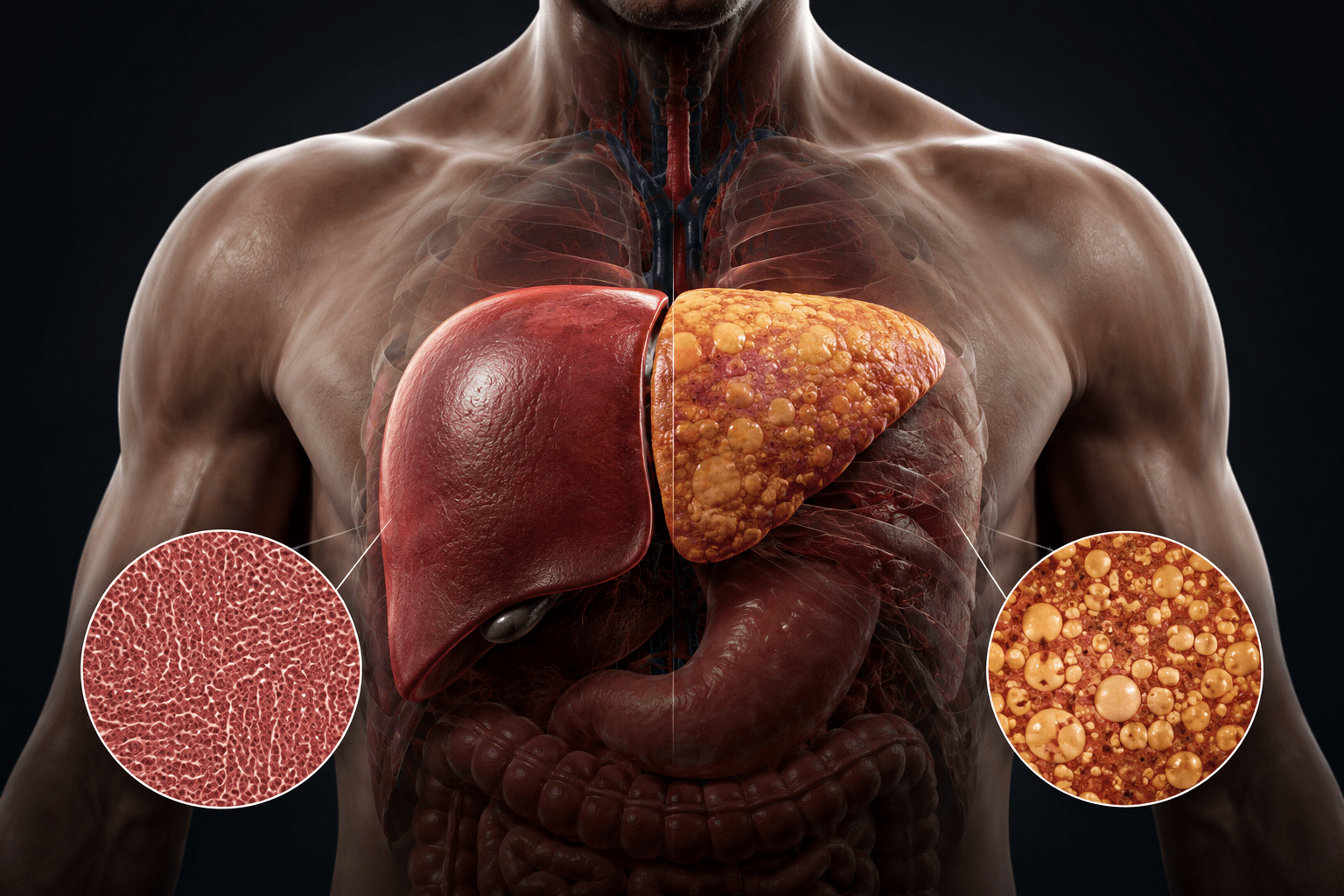
Fatty liver disease is characterized by an accumulation of excess fat in the liver, leading to inflammation and damage over time. Diabetes, on the other hand, affects how our bodies process blood sugar, causing high glucose levels that can harm organs like the kidneys, nerves, and eyes. The connection between diet and these conditions is complex, but research suggests that a balanced diet rich in whole foods may help mitigate the risk of complications.
Why This Topic Matters: Understanding the Link Between Diet and Fatty Liver/Diabetes
The link between diet and fatty liver disease and diabetes is multifaceted. Consuming high amounts of sugar, saturated fats, and sodium can put a strain on our livers and bodies, while nutrient-dense foods like fruits, vegetables, whole grains, and lean proteins provide essential nutrients for optimal health.
By understanding the relationship between diet and these conditions, we can make informed choices about the foods we eat and how they impact our overall well-being. In this article, we’ll explore the best foods for fatty liver and diabetes, highlighting nutrient-dense options that may support blood sugar control, insulin resistance, and liver health.
Scientific Explanations: How Food Affects Blood Sugar Control and Liver Health
When it comes to managing blood sugar levels and supporting liver health, food plays a critical role. Carbohydrates can cause a spike in blood glucose, which may worsen insulin resistance. On the other hand, fiber-rich foods like fruits, vegetables, and whole grains help slow down carbohydrate absorption and promote satiety.
The liver is also vital in detoxifying our bodies and regulating glucose metabolism. When we consume high amounts of sugar, saturated fats, and processed foods, it can put a strain on liver function, leading to inflammation and oxidative stress. By understanding how food affects blood sugar control and liver health, we can make informed choices about the foods we eat.
Practical Lifestyle Tips: Incorporating Fatty Liver-Friendly Foods into Your Diet
So, what are the best foods for fatty liver and diabetes? Here are some nutrient-dense options to consider:
* Leafy greens like spinach, kale, and collard greens provide essential vitamins and minerals
* Berries such as blueberries, strawberries, and raspberries offer antioxidants and fiber
* Fatty fish like salmon, tuna, and mackerel support heart health and omega-3 intake
* Nuts and seeds like almonds, walnuts, and chia seeds provide healthy fats and protein
* Legumes like lentils, chickpeas, and black beans are rich in fiber, protein, and minerals
* Whole grains like brown rice, quinoa, and whole-wheat bread offer complex carbohydrates and fiber
Incorporating these foods into your diet can help support blood sugar control, insulin resistance, and liver health. Aim for a balanced mix of protein, healthy fats, and complex carbohydrates to fuel your body.
Common Mistakes: Avoiding Unhealthy Patterns
When it comes to managing fatty liver and diabetes, avoiding unhealthy patterns is crucial. Here are some common mistakes to watch out for:
* Skipping meals or undereating, leading to low blood sugar
* Consuming high amounts of added sugars, saturated fats, and sodium
* Ignoring portion sizes and eating until full
By being mindful of these pitfalls, you can avoid exacerbating your condition and take proactive steps towards improving overall health.
Benefits: How Fatty Liver-Friendly Foods Can Support Your Health
Incorporating fatty liver-friendly foods into your diet may provide numerous benefits, including:
* Improved blood sugar control and reduced risk of complications
* Enhanced liver function and detoxification
* Reduced inflammation and oxidative stress
* Weight management and improved metabolic health
While these foods alone cannot cure fatty liver disease or diabetes, they can play a vital role in supporting overall health and well-being.
Risks and Considerations: Potential Side Effects of Fatty Liver-Friendly Foods
As with any dietary approach, it’s essential to consider potential side effects when incorporating fatty liver-friendly foods into your diet. Some possible risks include:
* Intolerance or sensitivity to certain foods
* Interactions with medications or underlying health conditions
* Increased risk of kidney stones or other minerals-related issues
Consult with a healthcare professional before making any significant changes to your diet.
Real-Life Examples: Incorporating Fatty Liver-Friendly Foods into Your Daily Routine
Incorporating fatty liver-friendly foods into your daily routine can be easy and delicious. Here are some ideas to get you started:
* Start your day with a spinach omelette or Greek yogurt parfait
* Snack on almonds, berries, and walnuts throughout the day
* Add lentils or chickpeas to soups and salads for added protein and fiber
By making these simple changes, you can take proactive steps towards supporting your liver health and overall well-being.
Conclusion: Empowering Your Journey Towards Optimal Nutrition
Managing fatty liver disease and diabetes requires a holistic approach that incorporates diet, lifestyle, and medical treatment. By incorporating fatty liver-friendly foods into your diet, you can take proactive steps towards improving blood sugar control, insulin resistance, and liver health.
Remember to consult with a healthcare professional before making any significant changes to your diet, and don’t hesitate to reach out if you have questions or concerns.
By empowering yourself with the knowledge of optimal nutrition, you’ll be better equipped to navigate this journey and achieve long-term wellness.
Learn more about managing diabetes with a balanced diet
Diabetes Tips
How to lower blood sugar naturally
Learn how to lower your blood sugar levels with a healthy diet, exercise, and lifestyle changes

Embracing a Natural Approach to Lowering Blood Sugar
The rise in diabetes and insulin resistance has left millions of people worldwide searching for effective ways to manage their condition. While conventional treatments often rely on medication or invasive procedures, there are many natural remedies that can help support blood sugar balance and promote overall wellness.
The Importance of Maintaining Healthy Blood Sugar Levels
Maintaining healthy blood sugar levels is crucial when it comes to diabetes management. High glucose levels can lead to a range of complications, including nerve damage, kidney disease, and even heart disease. Research suggests that even mild hyperglycemia can increase the risk of cardiovascular events by up to 30%. By taking proactive steps to regulate your blood sugar levels, you can significantly reduce your risk of developing these complications.
Understanding How Blood Sugar Affects the Body
Blood sugar, or glucose, is a vital source of energy for our cells. However, when insulin levels become imbalanced, glucose builds up in the bloodstream, leading to elevated blood sugar levels. Insulin sensitivity plays a critical role in regulating blood sugar levels, and even minor improvements can have a significant impact on glucose control.
Natural Remedies for Lowering Blood Sugar
Fortunately, there are many natural remedies that may support blood sugar balance. Here are some of the most promising options:
- Dietary Changes: Eating a balanced diet rich in whole foods, fruits, and vegetables can help regulate blood sugar levels. Incorporating more plant-based protein sources like legumes and nuts may also be beneficial.
- Herbal Supplements: Certain herbs like berberine, cinnamon, and chromium have been shown to possess antidiabetic properties, although more research is needed to confirm their effectiveness.
- Exercise and Physical Activity: Regular exercise can improve insulin sensitivity and help regulate blood sugar levels. Aim for at least 150 minutes of moderate-intensity physical activity per week.
- Stress Management: Chronic stress can raise cortisol levels, which can contribute to elevated blood sugar levels. Practice stress-reducing techniques like meditation or yoga to help manage stress.
Practical Lifestyle Tips for Lowering Blood Sugar
Incorporating these natural remedies into your lifestyle can have a significant impact on blood sugar balance. Here are some practical tips to get you started:
- Drink Plenty of Water: Staying hydrated is essential for maintaining healthy blood sugar levels. Aim for at least eight glasses of water per day.
- Eat More Fiber: A high-fiber diet can help regulate blood sugar levels by slowing the absorption of glucose into the bloodstream.
- Get Enough Sleep: Poor sleep quality and duration can raise cortisol levels, leading to elevated blood sugar levels. Aim for seven to nine hours of sleep per night.
- Limit Processed Foods: Processed foods are often high in added sugars, refined carbohydrates, and unhealthy fats, which can contribute to elevated blood sugar levels.
Mistakes to Avoid on Your Journey to Lower Blood Sugar
Avoid making the following mistakes that can have a negative impact on your blood sugar levels:
- Skipping Meals: Skipping meals or going too long without eating can lead to low blood sugar, while overeating can cause a spike in glucose levels.
- Not Managing Stress: Chronic stress can raise cortisol levels, leading to elevated blood sugar levels. Practice stress-reducing techniques like meditation or yoga to help manage stress.
- Overrelying on Medication: While medication may be necessary in some cases, overrelying on it can mask underlying issues and lead to adverse effects.
The Benefits of Lowering Blood Sugar Naturally
Lowering blood sugar naturally can have a range of benefits, including:
- Improved Insulin Sensitivity: Improving insulin sensitivity can reduce the risk of developing type 2 diabetes and metabolic syndrome.
- Reduced Risk of Complications: Maintaining healthy blood sugar levels can reduce the risk of complications like nerve damage, kidney disease, and heart disease.
- Increased Energy and Mental Clarity: Lowering blood sugar levels can increase energy levels and improve mental clarity, reducing fatigue and brain fog.
Risks and Considerations
Naturally lowering blood sugar levels may not be suitable for everyone. Certain individuals should consult with their healthcare provider before making any changes to their lifestyle or supplement routine, including:
- Pregnant or Breastfeeding Women: Pregnant or breastfeeding women should consult with their healthcare provider before taking any new supplements.
- People with Diabetes Medication: Individuals who are currently taking diabetes medication should not stop taking it without consulting with their healthcare provider.
- Those with Underlying Medical Conditions: Certain underlying medical conditions, such as kidney disease or liver disease, may require special consideration when trying to lower blood sugar levels naturally.
A Real-Life Example: Lowering Blood Sugar Naturally through Diet and Exercise
Meet Sarah, a 35-year-old marketing professional who was diagnosed with prediabetes. Sarah made the following changes to her lifestyle:
- Switched to Plant-Based Protein Sources: Sarah started incorporating more plant-based protein sources like legumes and nuts into her diet.
- Incorporated More Fiber-Rich Foods: Sarah added more fiber-rich foods like fruits, vegetables, and whole grains to her diet.
- Started Walking Daily: Sarah started walking for at least 30 minutes per day, three times a week.
- Drinking Plenty of Water: Sarah made sure to drink plenty of water throughout the day.
After making these changes, Sarah noticed significant improvements in her blood sugar levels and overall energy levels. She was able to lose weight, improve her mental clarity, and reduce her risk of developing type 2 diabetes.
The Power of Lowering Blood Sugar Naturally
Lowering blood sugar naturally is a holistic approach that requires patience, dedication, and the right lifestyle habits. By incorporating natural remedies like dietary changes, herbal supplements, exercise, and stress management into your daily routine, you can support healthy blood sugar levels and promote overall wellness.
Start your journey towards lower blood sugar naturally today by incorporating these simple yet effective tips into your daily routine:
- Develop a Healthy Habits Routine: Create a daily routine that includes healthy habits like exercise, meditation, and journaling.
- Eat More Fiber-Rich Foods: Incorporate more fiber-rich foods into your diet to help regulate blood sugar levels.
- Get Enough Sleep: Aim for seven to nine hours of sleep per night to help manage stress and promote overall health.
Join the movement towards lower blood sugar naturally and start your journey today!
Frequently Asked Questions
What are some natural remedies that can help regulate blood sugar levels?
Certain herbs like berberine, cinnamon, and chromium have been shown to possess antidiabetic properties
How much exercise is needed to improve insulin sensitivity and lower blood sugar levels?
At least 150 minutes of moderate-intensity physical activity per week
Can drinking plenty of water help manage blood sugar levels?
Yes, staying hydrated is essential for maintaining healthy blood sugar levels
What should I avoid doing on my journey to lower blood sugar naturally?
Skipping meals or going too long without eating can lead to low blood sugar, while overeating can cause a spike in glucose levels
Are there any risks associated with lowering blood sugar levels naturally for certain individuals?
Yes, pregnant or breastfeeding women, people with diabetes medication, and those with underlying medical conditions should consult their healthcare provider before making changes to their lifestyle or supplement routine
Diabetes Tips
Why blood sugar spikes after breakfast
Discover the reasons why your blood sugar levels spike after breakfast and learn how to stabilize them for a healthier you.
Blood Sugar Spikes After Breakfast: Understanding the Risks and Taking Control
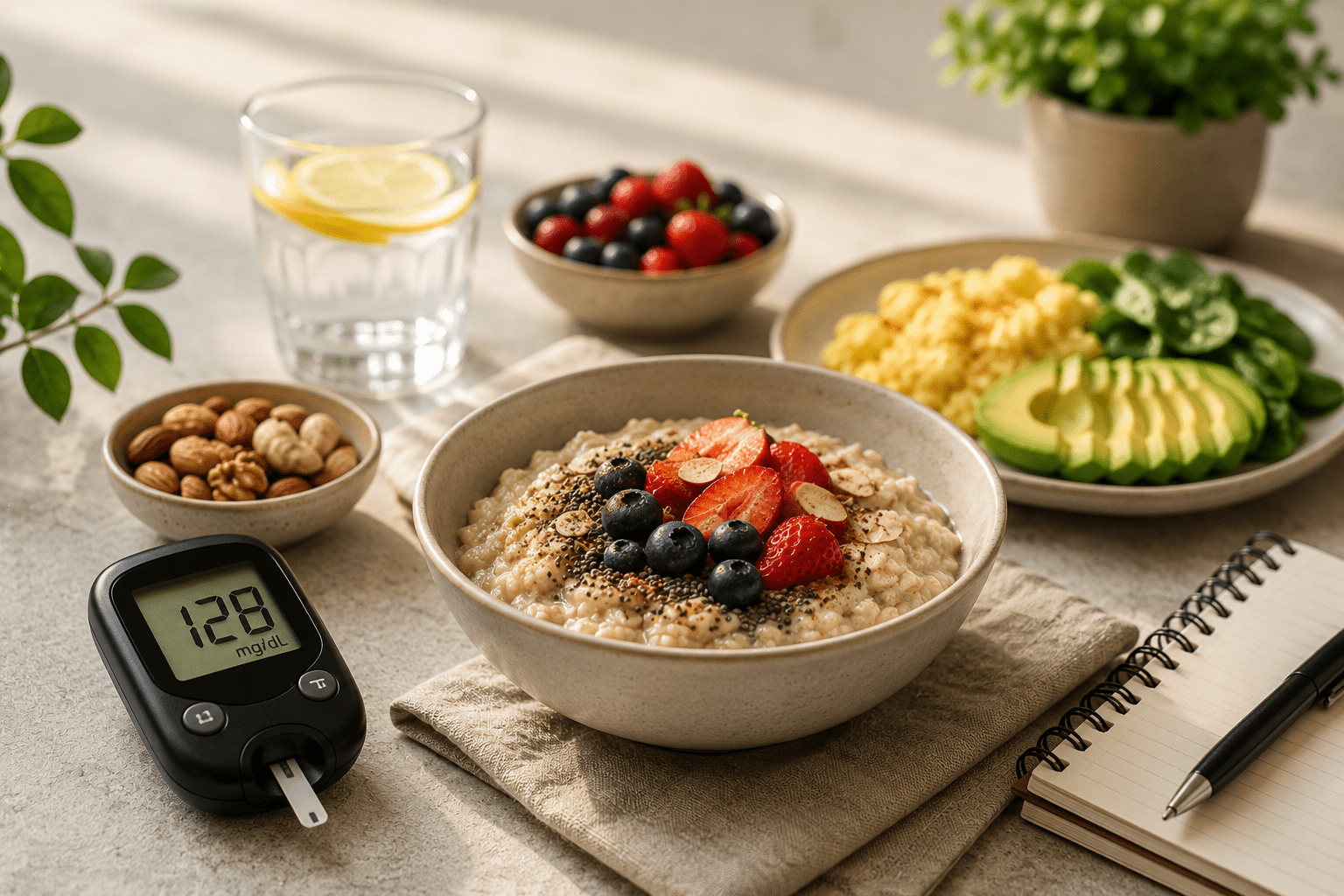
If you’re living with diabetes or at risk of developing it, breakfast can be a daunting meal to navigate. While it’s often seen as the most important meal of the day, the reality is that choosing the right foods can make all the difference in managing blood sugar levels.
The Importance of Managing Morning Blood Sugar
Imagine sipping your morning coffee, enjoying a nutritious breakfast, and starting your day off on the right foot. However, for many individuals with diabetes or those who are at risk of developing the condition, this simple pleasure can be a minefield of carbs, added sugars, and hidden pitfalls.
Consuming high-carbohydrate or high-glycemic index foods after breakfast can lead to blood sugar spikes, causing discomfort, fatigue, and even increasing the risk of complications. But what’s behind these spikes, and how can you take control?
The Science Behind Blood Sugar Spikes
When you eat a meal, your body responds by releasing insulin, a hormone produced by the pancreas that plays a crucial role in regulating blood sugar levels. Insulin helps facilitate the uptake of glucose into cells, but when you consume foods high on the glycemic index (GI), such as white bread, sugary cereals, or sweetened yogurts, your body releases more insulin than necessary.
This excessive insulin release can lead to several problems, including:
* **Insulin resistance**: Prolonged exposure to high levels of insulin can make it difficult for cells to respond to insulin, leading to insulin resistance.
* **Pancreatic exhaustion**: The pancreas can become exhausted from producing excess insulin, which can further exacerbate the condition.
Practical Tips for Managing Morning Blood Sugar
Fortunately, there are several strategies you can use to manage blood sugar spikes after breakfast:
1. **Choose complex carbohydrates**: Opt for whole grain cereals, fruits, or vegetables that contain complex carbohydrates, which release glucose slowly and don’t cause a sudden spike in blood sugar levels.
2. **Incorporate protein and healthy fats**: Adding protein and healthy fats to your breakfast can help slow down the digestion of carbohydrates and reduce the overall glycemic impact.
3. **Limit added sugars**: Avoid sugary cereals, yogurts, or sweetened beverages that can cause a rapid spike in blood sugar levels.
4. **Stay hydrated**: Drinking plenty of water throughout the day can help keep your blood sugar levels stable and prevent dehydration.
Common Mistakes to Avoid
While managing morning blood sugar levels can be challenging, there are several common mistakes you may want to avoid:
* **Not accounting for portion sizes**: Consuming large portions of high-carbohydrate foods can lead to a rapid spike in blood sugar levels.
* **Ignoring food labels**: Not reading food labels or being aware of the glycemic index of your breakfast foods can make it difficult to manage blood sugar levels.
* Using processed meats: Processed meats are high in sodium and preservatives, which can contribute to increased blood pressure.
Frequently Asked Questions
What is a glycemic index, and how does it affect blood sugar levels after breakfast?
The glycemic index (GI) measures the impact of carbohydrates on blood sugar levels. Foods high in GI, such as white bread or sugary cereals, cause a rapid spike in blood sugar levels.
Can I still manage my blood sugar after breakfast if I have diabetes?
Yes, with careful planning and attention to portion sizes, dietary choices, and lifestyle habits, individuals with diabetes can effectively manage their blood sugar levels throughout the day.
What are some good sources of complex carbohydrates for breakfast that won’t cause a spike in blood sugar?
Good options include whole grain cereals, fruits, and vegetables like berries, spinach, or sweet potatoes.
Can I still get enough protein and healthy fats at breakfast to manage my blood sugar levels?
Yes, adding protein and healthy fats like nuts, seeds, avocado, or eggs to your breakfast can help slow down the digestion of carbohydrates and reduce glycemic impact.
How much water should I drink throughout the day to keep my blood sugar levels stable?
Drinking at least eight glasses of water a day can help prevent dehydration, which can contribute to blood sugar imbalances and related health issues.


Berberine as a metformin alternative

Best foods for fatty liver and diabetes

The truth about artificial sweeteners

Houseplant Leaves – A Traditional Ally for Stable Blood Sugar

Hibiscus Tea and Diabetes: A Natural Ally for Blood Sugar Control

7-Day Diabetes Meal Plan for Beginners
-
 Herbal Remedies2 years ago
Houseplant Leaves – A Traditional Ally for Stable Blood Sugar
-
 Diabetes Tips2 years ago
Hibiscus Tea and Diabetes: A Natural Ally for Blood Sugar Control
-
 Diabetes Tips2 years ago
7-Day Diabetes Meal Plan for Beginners
-

 Meal Plans2 years ago
The Lazy 3-Day Diabetic Meal Plan That Keeps Your Blood Sugar Happy
-

 Herbal Remedies2 years ago
Mulberry Leaf Extract: A Natural Solution for Managing Blood Sugar
-

 Diabetes Tips2 years ago
Structured Meal Planning for Type 2 Diabetes: A Scientific Approach
-

 Herbal Remedies2 years ago
Mulberry Leaves and Blood Sugar: Natural Block for Glucose Absorption
-

 Herbal Remedies2 years ago
Bay Leaf and Diabetes : Natural Support for Blood Sugar