
Diabetes Tips
Probiotics and Blood Sugar: Can Gut Bacteria Help?


Probiotics and Blood Sugar: Can Gut Bacteria Help?
A comprehensive guide to understanding how your gut health might be the missing piece in your blood sugar management puzzle
![Insert image of diverse gut bacteria microscopic view with glucose molecules]
Introduction: The Gut-Glucose Connection
I remember the day my doctor first mentioned gut bacteria in relation to my blood sugar issues. Like many of you reading this, I was focused on carb counting and exercise—the standard diabetes management advice. But gut health? It seemed like a stretch.
That conversation changed everything about how I approach my health. As it turns out, the trillions of bacteria living in your digestive system don’t just help digest food—they might be key players in how your body manages blood sugar.
If you’re dealing with diabetes or blood sugar concerns, you’re probably tired of the same old advice. Today, we’re exploring an exciting frontier in metabolic health: the connection between your gut microbiome and glucose regulation. Research increasingly suggests that these tiny organisms may hold powerful influence over your insulin sensitivity, inflammation levels, and even how your body responds to the foods you eat.
Could the secret to better blood sugar control be hiding in your gut? Let’s dive into the science, practical solutions, and emerging research that’s reshaping our understanding of diabetes management.
Understanding the Gut Microbiome and Blood Sugar Regulation
What Exactly Is the Gut Microbiome?
Your gut microbiome refers to the vast ecosystem of microorganisms—primarily bacteria, but also fungi, viruses, and other microbes—that reside in your digestive tract. We’re talking about trillions of organisms, comprising over 1,000 different species, all working together in a complex community.
Think of your microbiome as an additional organ with incredible influence over your health. These bacteria aren’t just passive hitchhikers—they’re active participants in numerous bodily functions, including:
- Breaking down food components your body can’t digest alone
- Producing essential vitamins like B vitamins and vitamin K
- Training your immune system to distinguish friend from foe
- Protecting against pathogens that cause disease
- Influencing your body’s metabolism and blood sugar regulation
That last point is why we’re here today. The composition of your gut bacteria—which types dominate and which are underrepresented—appears to significantly impact how your body processes glucose.
How Does Gut Health Affect Blood Sugar Regulation?
The relationship between your gut bacteria and blood sugar is bidirectional and remarkably complex. Here’s how these tiny organisms influence your glucose metabolism:
1. Short-Chain Fatty Acid Production
When beneficial gut bacteria ferment fiber in your colon, they produce compounds called short-chain fatty acids (SCFAs), primarily butyrate, propionate, and acetate. These SCFAs:
- Improve insulin sensitivity in muscle and liver tissue
- Reduce inflammation that can contribute to insulin resistance
- Signal your body to produce hormones that regulate appetite and blood sugar
- Strengthen gut barrier function, preventing “leaky gut” issues that can worsen inflammation
Research published in the journal Diabetes Care found that people with type 2 diabetes often have reduced levels of bacteria that produce these beneficial SCFAs.
2. Regulating Inflammation
Certain gut bacteria can either promote or reduce inflammation throughout your body. Since chronic, low-grade inflammation is a major driver of insulin resistance, the balance of inflammatory and anti-inflammatory bacterial species matters significantly.
A healthy microbiome helps maintain proper immune function and barrier integrity in your intestines, preventing what’s commonly called “leaky gut”—a condition where harmful substances can pass through your intestinal lining into your bloodstream, triggering systemic inflammation.
3. Influencing Bile Acid Metabolism
Your gut bacteria transform bile acids (which help digest fats) into secondary bile acids, which act as signaling molecules that influence:
- Glucose metabolism in the liver
- Energy expenditure
- Fat storage patterns
- Insulin sensitivity
4. Modulating Incretin Hormones
The gut produces hormones called incretins (like GLP-1) that stimulate insulin release when blood sugar rises. Your microbiome composition appears to affect how efficiently these hormones are produced and how your body responds to them.
5. Direct Impact on Blood Sugar Spikes
Some research indicates that certain bacterial species can actually absorb glucose in the intestines or delay glucose absorption, potentially reducing blood sugar spikes after meals.

Blood sugar and gut health
Can Improving Gut Health Help Manage Diabetes?
The short answer? Evidence increasingly suggests yes.
Studies comparing the gut bacteria of people with and without diabetes consistently show marked differences in microbiome composition. People with type 2 diabetes typically show:
- Less bacterial diversity overall (fewer different species)
- Reduced numbers of beneficial butyrate-producing bacteria
- Higher levels of potentially harmful inflammatory bacteria
- Altered patterns of bacterial genes related to metabolism
But the more exciting question is whether actively improving gut health can help manage existing diabetes or blood sugar issues. Here, the research is promising but still developing.
Clinical Evidence for Probiotic Benefits
A 2020 meta-analysis published in BMJ Open Diabetes Research & Care examined 32 controlled trials and found that probiotic supplementation significantly improved:
- Fasting blood glucose levels
- Insulin resistance (measured by HOMA-IR)
- HbA1c levels in people with type 2 diabetes
The most effective interventions typically:
- Lasted at least 8 weeks
- Included multiple bacterial strains rather than single strains
- Used higher colony-forming unit (CFU) counts
Of particular interest are specific bacterial strains showing promise for glucose management:
| Bacterial Strain | Potential Benefits for Blood Sugar | Research Evidence |
|---|---|---|
| Lactobacillus acidophilus | Reduced fasting glucose, improved insulin sensitivity | Moderate – multiple human trials |
| Bifidobacterium lactis | Lower post-meal glucose spikes, reduced inflammation | Moderate – several controlled studies |
| Akkermansia muciniphila | Improved insulin sensitivity, reduced inflammation | Strong for animal studies, emerging human data |
| Lactobacillus rhamnosus GG | Reduced HbA1c levels, improved insulin function | Moderate – several smaller trials |
| Faecalibacterium prausnitzii | Anti-inflammatory effects, improved gut barrier function | Strong association studies, limited intervention trials |
It’s worth noting that while these results are encouraging, the effects were modest—improvements typically ranged from 5-15% for various markers. Probiotics aren’t a replacement for conventional diabetes management but may serve as a valuable complement.
Beyond Just Probiotics: Comprehensive Gut Health Approaches
The most promising approaches for using gut health to improve blood sugar appear to combine multiple strategies:
- Probiotic supplementation with clinically-studied strains
- Prebiotic fiber intake to feed beneficial bacteria
- Dietary changes that promote microbial diversity
- Reduction in factors that harm gut bacteria (certain medications, stress, etc.)
- Regular physical activity, which itself promotes healthier gut composition
When implemented together, these approaches may yield more significant benefits than any single intervention alone.

Blood sugar and gut health
How Do Probiotics Influence Blood Sugar Levels?
Probiotics—live beneficial bacteria similar to those naturally found in your gut—can influence your blood sugar through several mechanisms:
Direct Metabolic Effects
Some probiotic strains directly affect glucose metabolism through:
- Reduced glucose absorption in the intestines
- Altered bile acid metabolism, affecting insulin sensitivity
- Production of beneficial compounds like SCFAs that improve insulin function
- Modulation of genes involved in glucose and insulin pathways
For example, Lactobacillus acidophilus NCFM has been shown to increase insulin sensitivity by influencing the expression of genes related to glucose transport and insulin signaling.
Anti-Inflammatory Effects
Many probiotics help reduce gut and systemic inflammation, which can:
- Improve insulin receptor function
- Reduce insulin resistance in muscle and liver tissues
- Protect insulin-producing beta cells in the pancreas from inflammatory damage
- Promote healthier fat tissue that produces fewer inflammatory compounds
Gut Barrier Improvement
A compromised intestinal barrier (leaky gut) allows bacterial fragments and toxins to enter circulation, triggering inflammation and insulin resistance. Certain probiotics strengthen this barrier by:
- Enhancing tight junction proteins between intestinal cells
- Increasing mucus production that protects the gut lining
- Crowding out harmful bacteria that damage the barrier
- Producing compounds that nourish intestinal cells
Appetite and Weight Regulation
Some probiotic strains appear to influence appetite hormones and weight management—important factors for many people with type 2 diabetes:
- Reducing levels of hunger-stimulating hormones
- Improving sensitivity to leptin (the fullness hormone)
- Affecting how energy from food is harvested and stored
- Potentially reducing visceral fat associated with insulin resistance
![Insert image of probiotic supplement bottles and fermented foods]
What Foods Support Both Gut Health and Stable Blood Sugar?
The beautiful synergy here is that many foods that nourish beneficial gut bacteria also happen to be excellent choices for blood sugar management. Here’s your comprehensive guide:
Fiber-Rich Foods: The Ultimate Two-for-One
Dietary fiber—particularly prebiotic fibers that feed beneficial bacteria—should be the cornerstone of any gut-friendly, blood sugar-balancing diet.
Top Prebiotic Foods for Gut and Glucose Balance:
- Artichokes: High in inulin fiber that feeds beneficial Bifidobacteria
- Garlic and onions: Contain FOS (fructooligosaccharides) that promote butyrate production
- Asparagus: Rich in indigestible fibers that beneficial bacteria love
- Oats: Contain beta-glucan fibers that both feed gut bacteria and directly lower blood sugar
- Flaxseeds: Provide both soluble fiber and beneficial lignans
- Apples: The pectin in apples feeds beneficial bacteria and forms a gel that slows glucose absorption
- Legumes: Beans, lentils, and chickpeas offer resistant starch and protein
- Green bananas: High in resistant starch when unripe (which doesn’t spike blood sugar like ripe bananas)
These foods typically have a low glycemic index, meaning they won’t spike your blood sugar, while simultaneously feeding your beneficial gut bacteria.
Fermented Foods: Ready-Made Probiotic Sources
Fermented foods deliver live bacteria directly to your gut and often have a minimal impact on blood sugar:
- Plain yogurt: Choose varieties with “live active cultures” and no added sugar
- Kefir: A fermented milk drink with diverse bacterial strains
- Traditional sauerkraut: Unpasteurized varieties contain live Lactobacillus
- Kimchi: Korean fermented vegetables rich in beneficial bacteria
- Tempeh: Fermented soybeans with a low glycemic index
- Kombucha: Fermented tea (choose low-sugar varieties)
- Miso: Fermented soybean paste used in soups and marinades
Anti-Inflammatory Foods
Chronic inflammation harms both gut health and glucose metabolism. These foods help fight inflammation while supporting gut health:
- Fatty fish (salmon, mackerel, sardines): Rich in omega-3 fatty acids
- Olive oil: Contains oleocanthal with anti-inflammatory properties
- Turmeric: Curcumin in turmeric reduces inflammation
- Berries: Antioxidants in berries fight oxidative stress
- Leafy greens: Provide diverse nutrients and fiber
- Nuts and seeds: Offer healthy fats and minerals
What to Minimize for Better Gut and Blood Sugar Health
Just as important as what to eat is what to limit:
- Added sugars: Harm beneficial bacteria while spiking blood sugar
- Refined grains: Provide little nutrition and can raise glucose rapidly
- Processed meats: Associated with harmful gut bacteria shifts
- Artificial sweeteners: May disrupt gut bacteria and possibly glucose metabolism
- Excessive alcohol: Damages intestinal barrier and beneficial bacteria

Blood sugar and gut health
What is the Role of Fiber in Gut Health and Glucose Control?
Fiber is perhaps the most underappreciated nutrient for both gut health and blood sugar management. Yet many Americans consume less than half the recommended amount.
Types of Fiber and Their Benefits
Not all fiber is created equal when it comes to gut and glucose health:
Soluble Fiber
This type dissolves in water to form a gel-like substance that:
- Slows digestion and glucose absorption, preventing blood sugar spikes
- Feeds beneficial bacteria that produce SCFAs
- Helps improve insulin sensitivity
- May reduce LDL cholesterol levels
Good sources include oats, beans, apples, and psyllium.
Insoluble Fiber
This type doesn’t dissolve in water and:
- Adds bulk to stool and prevents constipation
- Helps move waste through your digestive system faster
- May feed some beneficial bacteria
- Could prevent absorption of some calories
Good sources include whole grains, nuts, and vegetable skins.
Resistant Starch
A special type of carbohydrate that resists digestion in the small intestine and:
- Acts like fiber, feeding beneficial gut bacteria
- Produces higher levels of butyrate than many other fibers
- May significantly improve insulin sensitivity
- Has minimal impact on blood sugar levels
Good sources include green bananas, cooled cooked potatoes, legumes, and oats.
How Much Fiber Do You Need?
The American Diabetes Association and other health organizations recommend:
- Women: At least 25 grams daily
- Men: At least 38 grams daily
However, for optimal gut health and blood sugar benefits, some research suggests gradually working up to 30-50 grams daily from diverse sources.
Tips for Increasing Fiber Without Blood Sugar Spikes
- Increase intake gradually to avoid digestive discomfort
- Drink plenty of water with increased fiber
- Distribute fiber throughout the day rather than all at once
- Combine fiber-rich foods with protein and healthy fats to further reduce any blood sugar impact
- Track both total fiber and variety of fiber sources
Can an Unhealthy Gut Microbiome Cause Insulin Resistance?
The evidence increasingly suggests that gut dysbiosis—an imbalanced microbiome with too many harmful bacteria and not enough beneficial ones—may not just correlate with insulin resistance but potentially help cause it.
Mechanisms Linking Gut Dysbiosis to Insulin Resistance
The Inflammation Connection
When harmful bacteria dominate your gut, several things happen:
- Increased intestinal permeability (leaky gut) allows bacterial fragments called lipopolysaccharides (LPS) to enter your bloodstream
- These bacterial toxins trigger immune responses and inflammation
- Inflammatory cytokines interfere with insulin signaling in cells
- Over time, cells become less responsive to insulin’s effects
A study in the journal Cell demonstrated that transferring gut bacteria from insulin-resistant humans to germ-free mice caused the mice to develop insulin resistance—powerful evidence of causation, not just correlation.
Metabolite Production Changes
An unhealthy microbiome produces:
- Fewer beneficial SCFAs that enhance insulin sensitivity
- More harmful compounds that promote inflammation
- Altered bile acid pools that affect glucose metabolism
- Different signaling molecules that communicate with your organs
Impact on Gut Hormones
Gut dysbiosis affects the production of gut hormones like GLP-1 that:
- Stimulate insulin release when blood sugar rises
- Slow gastric emptying, preventing glucose spikes
- Signal fullness to the brain
- Protect pancreatic beta cells that produce insulin
Risk Factors for Gut Dysbiosis and Insulin Resistance
Several common factors can harm your gut bacteria and increase insulin resistance risk:
- Frequent antibiotic use: Kills beneficial bacteria along with harmful ones
- High-sugar, low-fiber diet: Feeds harmful bacteria while starving beneficial ones
- Chronic stress: Alters gut motility and bacterial composition
- Poor sleep quality: Disrupts circadian rhythms that influence gut bacteria
- Sedentary lifestyle: Reduces microbial diversity
- Certain medications: Proton pump inhibitors, NSAIDs, and others can disrupt gut balance
What is “Leaky Gut,” and How Does it Relate to Blood Sugar Spikes?
“Leaky gut”—more formally called increased intestinal permeability—refers to a condition where the tight junctions between cells lining your intestinal wall become compromised, allowing substances that should remain in your digestive tract to enter your bloodstream.
The Connection to Blood Sugar Regulation
This intestinal barrier breakdown creates a vicious cycle that can worsen blood sugar control:
- Bacterial toxin entry: When LPS and other bacterial products leak into circulation, they trigger systemic inflammation
- Inflammation promotes insulin resistance: Inflammatory cytokines interfere with insulin signaling pathways
- Food antigens cause immune reactions: Partially digested food proteins entering the bloodstream can trigger immune responses
- Direct glucose absorption issues: A damaged intestinal lining may alter how glucose is absorbed
- Stress hormone elevation: The body’s response to these foreign substances includes stress hormone release, which raises blood sugar
Signs Your Gut Barrier May Be Compromised
While there’s no simple at-home test for leaky gut, these signs might suggest intestinal permeability issues:
- Digestive symptoms like bloating, gas, and irregularity
- Food sensitivities that seem to be increasing
- Unexplained fatigue or brain fog
- Skin issues like rashes or eczema
- Autoimmune tendencies
- Blood sugar that’s more difficult to control despite following your usual routine
How to Support Your Intestinal Barrier
Improving gut barrier function may help stabilize blood sugar. Consider:
- L-glutamine supplementation: This amino acid serves as fuel for intestinal cells
- Zinc: Essential for tight junction integrity
- Vitamin D: Plays a role in maintaining intestinal barrier function
- Collagen protein: Provides building blocks for intestinal repair
- Anti-inflammatory foods: Turmeric, ginger, fatty fish, and olive oil
- Stress management: Chronic stress damages the gut barrier
- Beneficial bacteria: Certain probiotic strains improve barrier function
Are There Specific Supplements That Benefit Both Gut and Blood Sugar?
While diet should always come first, several supplements show promise for supporting both gut health and blood sugar regulation:
Probiotic Supplements for Blood Sugar Management
When choosing a probiotic for blood sugar support, look for:
- Multiple strains rather than single strains
- Higher CFU counts (at least 10-30 billion CFU)
- Specific studied strains with clinical evidence for metabolic benefits:
- Lactobacillus acidophilus NCFM
- Bifidobacterium lactis Bi-07
- Lactobacillus plantarum 299v
- Bifidobacterium bifidum
- Lactobacillus rhamnosus GG
- Quality manufacturing with guaranteed potency through expiration
Prebiotic Supplements
Prebiotic supplements feed your beneficial bacteria and may help with blood sugar:
- Inulin: Derived from chicory root, feeds Bifidobacteria
- FOS (Fructooligosaccharides): Stimulates growth of beneficial bacteria
- GOS (Galactooligosaccharides): May improve insulin sensitivity
- Resistant starch supplements: Potato starch, green banana flour
- Acacia fiber: Well-tolerated by sensitive individuals
- Partially hydrolyzed guar gum: Less gas-producing than some prebiotics
Other Gut-Supporting Supplements with Blood Sugar Benefits
- Berberine: An herbal compound that both improves gut barrier function and lowers blood sugar (similar potency to metformin in some studies)
- Omega-3 fatty acids: Reduce inflammation in the gut and improve insulin sensitivity
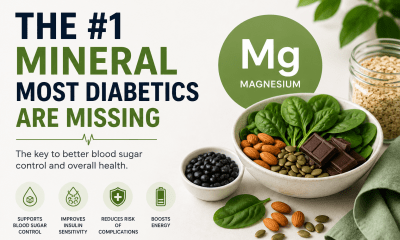
- Magnesium: Supports gut smooth muscle function and glucose metabolism
- Zinc: Essential for intestinal barrier integrity and insulin function
- Vitamin D: Influences both gut bacteria composition and insulin secretion
- Alpha-lipoic acid: Antioxidant that improves insulin sensitivity and gut health
![Insert image of various gut health supplements]
How Do Diabetes Medications Impact Gut Health?
Many common diabetes medications interact with your gut bacteria in ways you might not expect—sometimes beneficially, sometimes problematically.
Metformin and the Gut
Metformin, the most widely prescribed diabetes medication, has significant effects on gut bacteria:
- Increases beneficial bacteria: Particularly Akkermansia muciniphila, associated with better metabolic health
- Alters bile acid metabolism: Affects both bacterial composition and glucose regulation
- Digestive side effects: The common GI side effects (diarrhea, nausea) may partly result from bacterial changes
- SCFA production: May enhance production of beneficial short-chain fatty acids
Interestingly, some research suggests that part of metformin’s blood sugar-lowering effect may actually come from its impact on gut bacteria—not just its direct effect on the liver.
Other Diabetes Medications and Gut Effects
| Medication Class | Effects on Gut Microbiome | Considerations |
|---|---|---|
| SGLT-2 inhibitors (e.g., Jardiance, Invokana) | May increase certain beneficial bacteria; change carbohydrate availability in the colon | Can increase risk of genital yeast infections |
| GLP-1 agonists (e.g., Ozempic, Trulicity) | Slow gastric emptying; may alter microbial composition | Often reduce appetite; can cause nausea initially |
| DPP-4 inhibitors (e.g., Januvia) | Limited research on microbiome effects | Generally well-tolerated by the digestive system |
| Sulfonylureas | Little known direct effect on gut bacteria | Fewer GI side effects than metformin |
| Thiazolidinediones | May reduce intestinal inflammation | Can cause weight gain |
Working With Both Medications and Gut Health
If you’re taking diabetes medications:
- Discuss gut-friendly strategies with your healthcare provider
- Consider timing probiotics away from medications (typically 2 hours before or after)
- Monitor for changes in medication effectiveness when making major gut health changes
- Adjust fiber intake gradually if taking medications affected by fiber (like metformin)
- Report any new digestive symptoms to your healthcare provider
What Lifestyle Changes Improve Both Gut Health and Blood Sugar Management?
Beyond diet and supplements, several lifestyle factors significantly impact both your gut bacteria and glucose metabolism:
Regular Physical Activity
Exercise benefits your gut microbiome by:
- Increasing microbial diversity
- Boosting numbers of beneficial bacteria like Akkermansia
- Enhancing butyrate production
- Reducing intestinal inflammation
- Improving gut barrier function
Simultaneously, exercise improves insulin sensitivity and blood sugar control through multiple pathways. Aim for:
- At least 150 minutes of moderate activity weekly
- A mix of aerobic exercise and resistance training
- Reduced sitting time throughout the day
Stress Management
Chronic stress negatively impacts both gut health and blood sugar by:
- Altering gut motility and bacterial composition
- Reducing beneficial bacteria diversity
- Compromising intestinal barrier function
- Directly raising blood sugar via stress hormones
- Promoting inflammation throughout the body
Effective stress-reduction techniques include:
- Mindfulness meditation
- Progressive muscle relaxation
- Deep breathing exercises
- Regular time in nature
- Yoga or tai chi practice
- Adequate leisure and rest time
Even 10 minutes daily of stress-management activities can make a difference for both gut health and glucose regulation.
Quality Sleep
Poor sleep disrupts your gut bacteria and worsens insulin resistance. Prioritize sleep by:
- Maintaining consistent sleep-wake times
- Aiming for 7-9 hours nightly
- Creating a dark, cool sleeping environment
- Limiting screen time before bed
- Avoiding large meals close to bedtime
- Considering a sleep-tracking device to monitor quality
Intermittent Fasting
Time-restricted eating patterns may benefit both gut health and blood sugar by:
- Creating periods of gut rest that support bacterial balance
- Improving insulin sensitivity
- Promoting autophagy (cellular cleanup)
- Reducing inflammation markers
Popular approaches include:
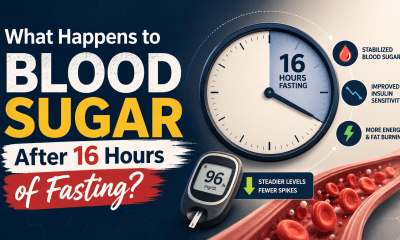
- 16:8 method (16 hours fasting, 8-hour eating window)
- 14:10 method (more moderate approach)
- 24-hour fasts once weekly
Important: Discuss fasting with your healthcare provider if you take diabetes medications, as dosage adjustments may be necessary.
Environmental Toxin Reduction
Certain environmental chemicals disrupt both gut bacteria and metabolic function:
- Choose organic produce when possible
- Filter drinking water
- Use natural cleaning products
- Minimize plastic food containers
- Avoid antibacterial products with triclosan
The Future of Gut Microbiome and Diabetes Research
The field of microbiome science related to diabetes is evolving rapidly. Here are exciting frontiers to watch:
Personalized Microbiome Interventions
Researchers are working toward individualized approaches based on your unique microbiome signature:
- Custom probiotic formulations matched to your specific deficiencies
- Dietary recommendations based on your bacterial composition
- Predictive models for how your microbiome will respond to interventions
Next-Generation Probiotics
Beyond traditional probiotics, scientists are developing:
- Designer bacterial strains engineered specifically for glucose management
- “Postbiotics”—beneficial compounds produced by bacteria without requiring live organisms
- Targeted delivery systems that ensure probiotics reach the right part of your intestines
Fecal Microbiota Transplantation (FMT)
While currently approved only for C. difficile infection, research is exploring FMT for metabolic conditions:
- Early trials show promising results for insulin resistance
- Questions remain about long-term effects and optimal protocols
- Regulation and access continue to evolve
Microbiome Testing Becoming More Accessible
As testing technology improves and costs decrease:
- Home microbiome test kits continue to evolve
- Interpretation tools become more sophisticated
- Integration with glucose monitoring creates more personalized insights
Conclusion: Your Gut Health Action Plan for Better Blood Sugar
The science is clear: your gut microbiome significantly influences your blood sugar regulation. While research continues to evolve, you don’t need to wait to start implementing gut-friendly strategies that may improve your glucose control.
Here’s a simple step-by-step action plan:
- Start with fiber-rich, diverse plant foods as the foundation of your diet
- Incorporate fermented foods several times weekly
- Consider a high-quality probiotic supplement with strains studied for metabolic benefits
- Minimize gut disruptors like added sugars, artificial sweeteners, and unnecessary antibiotics
- Support your gut with stress management and quality sleep
- Stay physically active to benefit both gut and direct glucose metabolism
- Work with healthcare providers who understand the gut-glucose connection
Remember, gut health changes take time—typically weeks to months rather than days. Be patient and consistent with your approach.
Most importantly, pay attention to your own body’s responses. While research provides general guidelines, your unique microbiome means that your optimal approach may differ from someone else’s.
Have you noticed connections between your digestive health and blood sugar patterns? What gut-friendly changes have you already implemented or are considering? We’d love to hear your experiences in the comments below!
Note: This article is for informational purposes only and is not a substitute for professional medical advice. Always consult with healthcare providers regarding diabetes management and before making significant changes to your treatment approach.










Diabetes Tips
Best foods for fatty liver and diabetes
Managing fatty liver disease and diabetes requires a well-balanced diet rich in healthy foods. Learn what foods can help alleviate symptoms and improve overall health.
The Best Foods for Fatty Liver and Diabetes: A Comprehensive Guide to Optimal Nutrition
When it comes to managing fatty liver disease and diabetes, the role of diet can’t be overstated. These two conditions affect millions of people worldwide, but with the right nutrients and lifestyle changes, you can take control of your health.
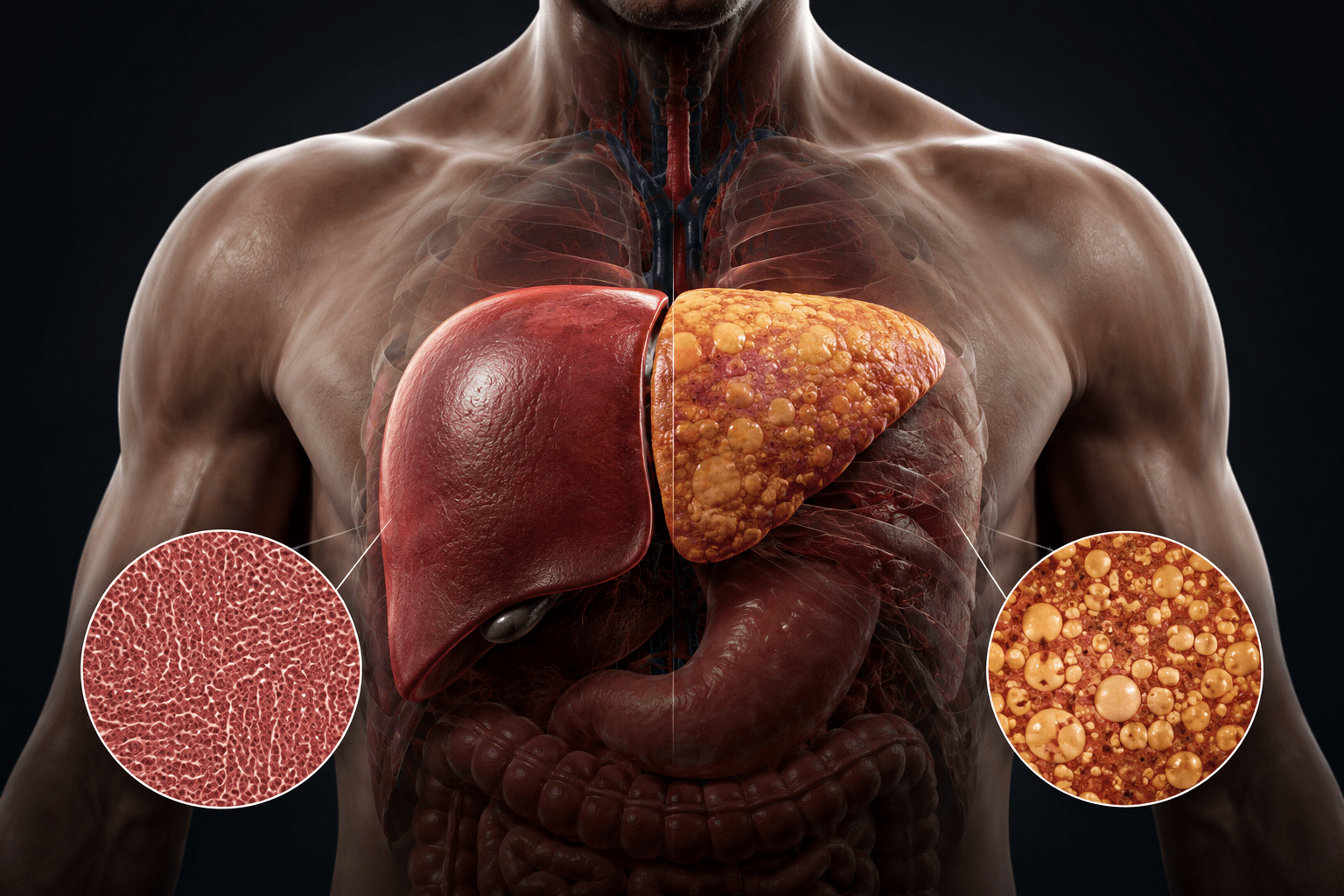
Fatty liver disease is characterized by an accumulation of excess fat in the liver, leading to inflammation and damage over time. Diabetes, on the other hand, affects how our bodies process blood sugar, causing high glucose levels that can harm organs like the kidneys, nerves, and eyes. The connection between diet and these conditions is complex, but research suggests that a balanced diet rich in whole foods may help mitigate the risk of complications.
Why This Topic Matters: Understanding the Link Between Diet and Fatty Liver/Diabetes
The link between diet and fatty liver disease and diabetes is multifaceted. Consuming high amounts of sugar, saturated fats, and sodium can put a strain on our livers and bodies, while nutrient-dense foods like fruits, vegetables, whole grains, and lean proteins provide essential nutrients for optimal health.
By understanding the relationship between diet and these conditions, we can make informed choices about the foods we eat and how they impact our overall well-being. In this article, we’ll explore the best foods for fatty liver and diabetes, highlighting nutrient-dense options that may support blood sugar control, insulin resistance, and liver health.
Scientific Explanations: How Food Affects Blood Sugar Control and Liver Health
When it comes to managing blood sugar levels and supporting liver health, food plays a critical role. Carbohydrates can cause a spike in blood glucose, which may worsen insulin resistance. On the other hand, fiber-rich foods like fruits, vegetables, and whole grains help slow down carbohydrate absorption and promote satiety.
The liver is also vital in detoxifying our bodies and regulating glucose metabolism. When we consume high amounts of sugar, saturated fats, and processed foods, it can put a strain on liver function, leading to inflammation and oxidative stress. By understanding how food affects blood sugar control and liver health, we can make informed choices about the foods we eat.
Practical Lifestyle Tips: Incorporating Fatty Liver-Friendly Foods into Your Diet
So, what are the best foods for fatty liver and diabetes? Here are some nutrient-dense options to consider:
* Leafy greens like spinach, kale, and collard greens provide essential vitamins and minerals
* Berries such as blueberries, strawberries, and raspberries offer antioxidants and fiber
* Fatty fish like salmon, tuna, and mackerel support heart health and omega-3 intake
* Nuts and seeds like almonds, walnuts, and chia seeds provide healthy fats and protein
* Legumes like lentils, chickpeas, and black beans are rich in fiber, protein, and minerals
* Whole grains like brown rice, quinoa, and whole-wheat bread offer complex carbohydrates and fiber
Incorporating these foods into your diet can help support blood sugar control, insulin resistance, and liver health. Aim for a balanced mix of protein, healthy fats, and complex carbohydrates to fuel your body.
Common Mistakes: Avoiding Unhealthy Patterns
When it comes to managing fatty liver and diabetes, avoiding unhealthy patterns is crucial. Here are some common mistakes to watch out for:
* Skipping meals or undereating, leading to low blood sugar
* Consuming high amounts of added sugars, saturated fats, and sodium
* Ignoring portion sizes and eating until full
By being mindful of these pitfalls, you can avoid exacerbating your condition and take proactive steps towards improving overall health.
Benefits: How Fatty Liver-Friendly Foods Can Support Your Health
Incorporating fatty liver-friendly foods into your diet may provide numerous benefits, including:
* Improved blood sugar control and reduced risk of complications
* Enhanced liver function and detoxification
* Reduced inflammation and oxidative stress
* Weight management and improved metabolic health
While these foods alone cannot cure fatty liver disease or diabetes, they can play a vital role in supporting overall health and well-being.
Risks and Considerations: Potential Side Effects of Fatty Liver-Friendly Foods
As with any dietary approach, it’s essential to consider potential side effects when incorporating fatty liver-friendly foods into your diet. Some possible risks include:
* Intolerance or sensitivity to certain foods
* Interactions with medications or underlying health conditions
* Increased risk of kidney stones or other minerals-related issues
Consult with a healthcare professional before making any significant changes to your diet.
Real-Life Examples: Incorporating Fatty Liver-Friendly Foods into Your Daily Routine
Incorporating fatty liver-friendly foods into your daily routine can be easy and delicious. Here are some ideas to get you started:
* Start your day with a spinach omelette or Greek yogurt parfait
* Snack on almonds, berries, and walnuts throughout the day
* Add lentils or chickpeas to soups and salads for added protein and fiber
By making these simple changes, you can take proactive steps towards supporting your liver health and overall well-being.
Conclusion: Empowering Your Journey Towards Optimal Nutrition
Managing fatty liver disease and diabetes requires a holistic approach that incorporates diet, lifestyle, and medical treatment. By incorporating fatty liver-friendly foods into your diet, you can take proactive steps towards improving blood sugar control, insulin resistance, and liver health.
Remember to consult with a healthcare professional before making any significant changes to your diet, and don’t hesitate to reach out if you have questions or concerns.
By empowering yourself with the knowledge of optimal nutrition, you’ll be better equipped to navigate this journey and achieve long-term wellness.
Learn more about managing diabetes with a balanced diet
Diabetes Tips
How to lower blood sugar naturally
Learn how to lower your blood sugar levels with a healthy diet, exercise, and lifestyle changes
Embracing a Natural Approach to Lowering Blood Sugar
The rise in diabetes and insulin resistance has left millions of people worldwide searching for effective ways to manage their condition. While conventional treatments often rely on medication or invasive procedures, there are many natural remedies that can help support blood sugar balance and promote overall wellness.
The Importance of Maintaining Healthy Blood Sugar Levels
Maintaining healthy blood sugar levels is crucial when it comes to diabetes management. High glucose levels can lead to a range of complications, including nerve damage, kidney disease, and even heart disease. Research suggests that even mild hyperglycemia can increase the risk of cardiovascular events by up to 30%. By taking proactive steps to regulate your blood sugar levels, you can significantly reduce your risk of developing these complications.
Understanding How Blood Sugar Affects the Body
Blood sugar, or glucose, is a vital source of energy for our cells. However, when insulin levels become imbalanced, glucose builds up in the bloodstream, leading to elevated blood sugar levels. Insulin sensitivity plays a critical role in regulating blood sugar levels, and even minor improvements can have a significant impact on glucose control.
Natural Remedies for Lowering Blood Sugar
Fortunately, there are many natural remedies that may support blood sugar balance. Here are some of the most promising options:
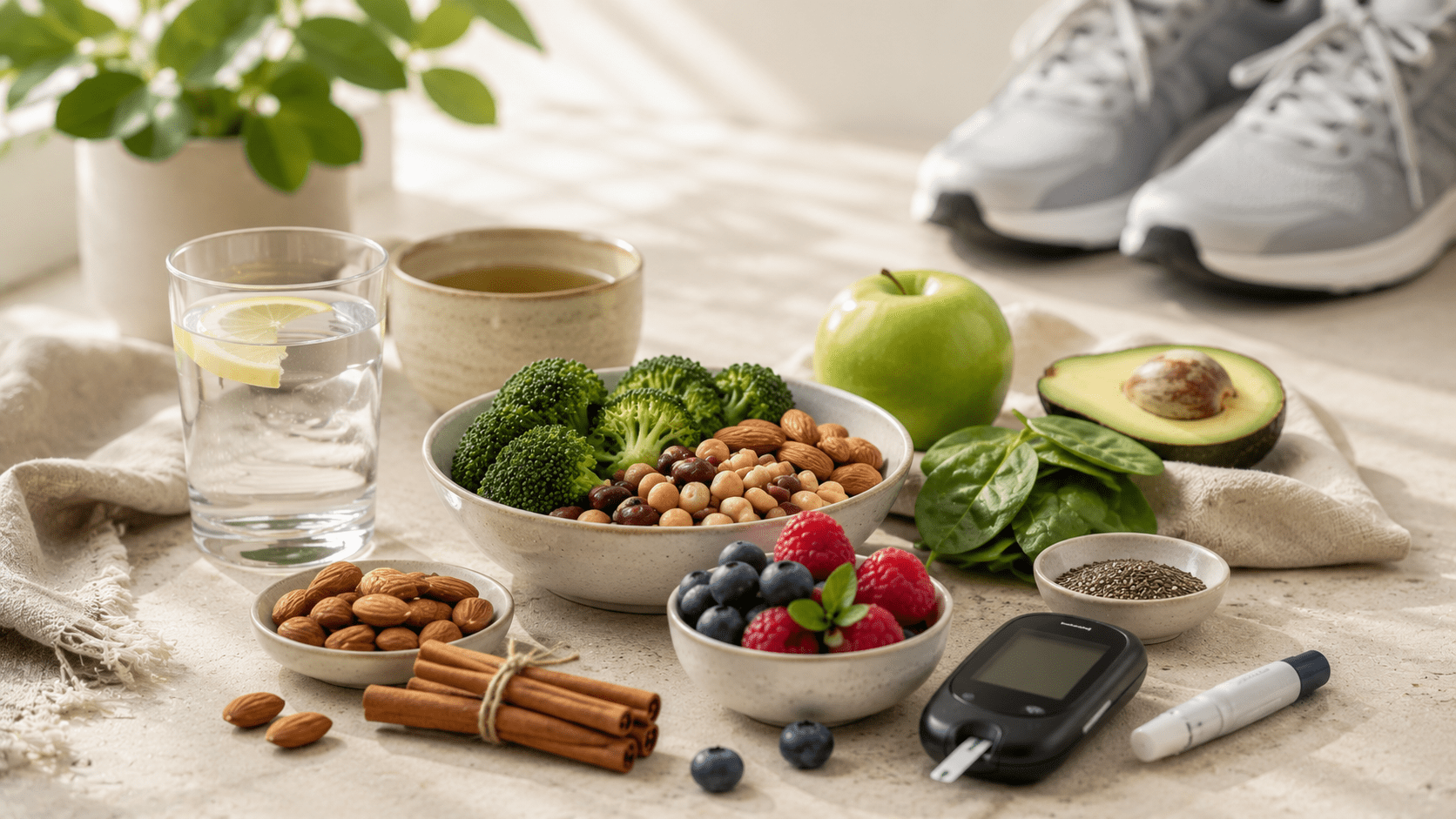
- Dietary Changes: Eating a balanced diet rich in whole foods, fruits, and vegetables can help regulate blood sugar levels. Incorporating more plant-based protein sources like legumes and nuts may also be beneficial.
- Herbal Supplements: Certain herbs like berberine, cinnamon, and chromium have been shown to possess antidiabetic properties, although more research is needed to confirm their effectiveness.
- Exercise and Physical Activity: Regular exercise can improve insulin sensitivity and help regulate blood sugar levels. Aim for at least 150 minutes of moderate-intensity physical activity per week.
- Stress Management: Chronic stress can raise cortisol levels, which can contribute to elevated blood sugar levels. Practice stress-reducing techniques like meditation or yoga to help manage stress.
Practical Lifestyle Tips for Lowering Blood Sugar
Incorporating these natural remedies into your lifestyle can have a significant impact on blood sugar balance. Here are some practical tips to get you started:
- Drink Plenty of Water: Staying hydrated is essential for maintaining healthy blood sugar levels. Aim for at least eight glasses of water per day.
- Eat More Fiber: A high-fiber diet can help regulate blood sugar levels by slowing the absorption of glucose into the bloodstream.
- Get Enough Sleep: Poor sleep quality and duration can raise cortisol levels, leading to elevated blood sugar levels. Aim for seven to nine hours of sleep per night.
- Limit Processed Foods: Processed foods are often high in added sugars, refined carbohydrates, and unhealthy fats, which can contribute to elevated blood sugar levels.
Mistakes to Avoid on Your Journey to Lower Blood Sugar
Avoid making the following mistakes that can have a negative impact on your blood sugar levels:
- Skipping Meals: Skipping meals or going too long without eating can lead to low blood sugar, while overeating can cause a spike in glucose levels.
- Not Managing Stress: Chronic stress can raise cortisol levels, leading to elevated blood sugar levels. Practice stress-reducing techniques like meditation or yoga to help manage stress.
- Overrelying on Medication: While medication may be necessary in some cases, overrelying on it can mask underlying issues and lead to adverse effects.
The Benefits of Lowering Blood Sugar Naturally
Lowering blood sugar naturally can have a range of benefits, including:
- Improved Insulin Sensitivity: Improving insulin sensitivity can reduce the risk of developing type 2 diabetes and metabolic syndrome.
- Reduced Risk of Complications: Maintaining healthy blood sugar levels can reduce the risk of complications like nerve damage, kidney disease, and heart disease.
- Increased Energy and Mental Clarity: Lowering blood sugar levels can increase energy levels and improve mental clarity, reducing fatigue and brain fog.
Risks and Considerations
Naturally lowering blood sugar levels may not be suitable for everyone. Certain individuals should consult with their healthcare provider before making any changes to their lifestyle or supplement routine, including:
- Pregnant or Breastfeeding Women: Pregnant or breastfeeding women should consult with their healthcare provider before taking any new supplements.
- People with Diabetes Medication: Individuals who are currently taking diabetes medication should not stop taking it without consulting with their healthcare provider.
- Those with Underlying Medical Conditions: Certain underlying medical conditions, such as kidney disease or liver disease, may require special consideration when trying to lower blood sugar levels naturally.
A Real-Life Example: Lowering Blood Sugar Naturally through Diet and Exercise
Meet Sarah, a 35-year-old marketing professional who was diagnosed with prediabetes. Sarah made the following changes to her lifestyle:
- Switched to Plant-Based Protein Sources: Sarah started incorporating more plant-based protein sources like legumes and nuts into her diet.
- Incorporated More Fiber-Rich Foods: Sarah added more fiber-rich foods like fruits, vegetables, and whole grains to her diet.
- Started Walking Daily: Sarah started walking for at least 30 minutes per day, three times a week.
- Drinking Plenty of Water: Sarah made sure to drink plenty of water throughout the day.
After making these changes, Sarah noticed significant improvements in her blood sugar levels and overall energy levels. She was able to lose weight, improve her mental clarity, and reduce her risk of developing type 2 diabetes.
The Power of Lowering Blood Sugar Naturally
Lowering blood sugar naturally is a holistic approach that requires patience, dedication, and the right lifestyle habits. By incorporating natural remedies like dietary changes, herbal supplements, exercise, and stress management into your daily routine, you can support healthy blood sugar levels and promote overall wellness.
Start your journey towards lower blood sugar naturally today by incorporating these simple yet effective tips into your daily routine:
- Develop a Healthy Habits Routine: Create a daily routine that includes healthy habits like exercise, meditation, and journaling.
- Eat More Fiber-Rich Foods: Incorporate more fiber-rich foods into your diet to help regulate blood sugar levels.
- Get Enough Sleep: Aim for seven to nine hours of sleep per night to help manage stress and promote overall health.
Join the movement towards lower blood sugar naturally and start your journey today!
Frequently Asked Questions
What are some natural remedies that can help regulate blood sugar levels?
Certain herbs like berberine, cinnamon, and chromium have been shown to possess antidiabetic properties
How much exercise is needed to improve insulin sensitivity and lower blood sugar levels?
At least 150 minutes of moderate-intensity physical activity per week
Can drinking plenty of water help manage blood sugar levels?
Yes, staying hydrated is essential for maintaining healthy blood sugar levels
What should I avoid doing on my journey to lower blood sugar naturally?
Skipping meals or going too long without eating can lead to low blood sugar, while overeating can cause a spike in glucose levels
Are there any risks associated with lowering blood sugar levels naturally for certain individuals?
Yes, pregnant or breastfeeding women, people with diabetes medication, and those with underlying medical conditions should consult their healthcare provider before making changes to their lifestyle or supplement routine
Diabetes Tips
Why blood sugar spikes after breakfast
Discover the reasons why your blood sugar levels spike after breakfast and learn how to stabilize them for a healthier you.
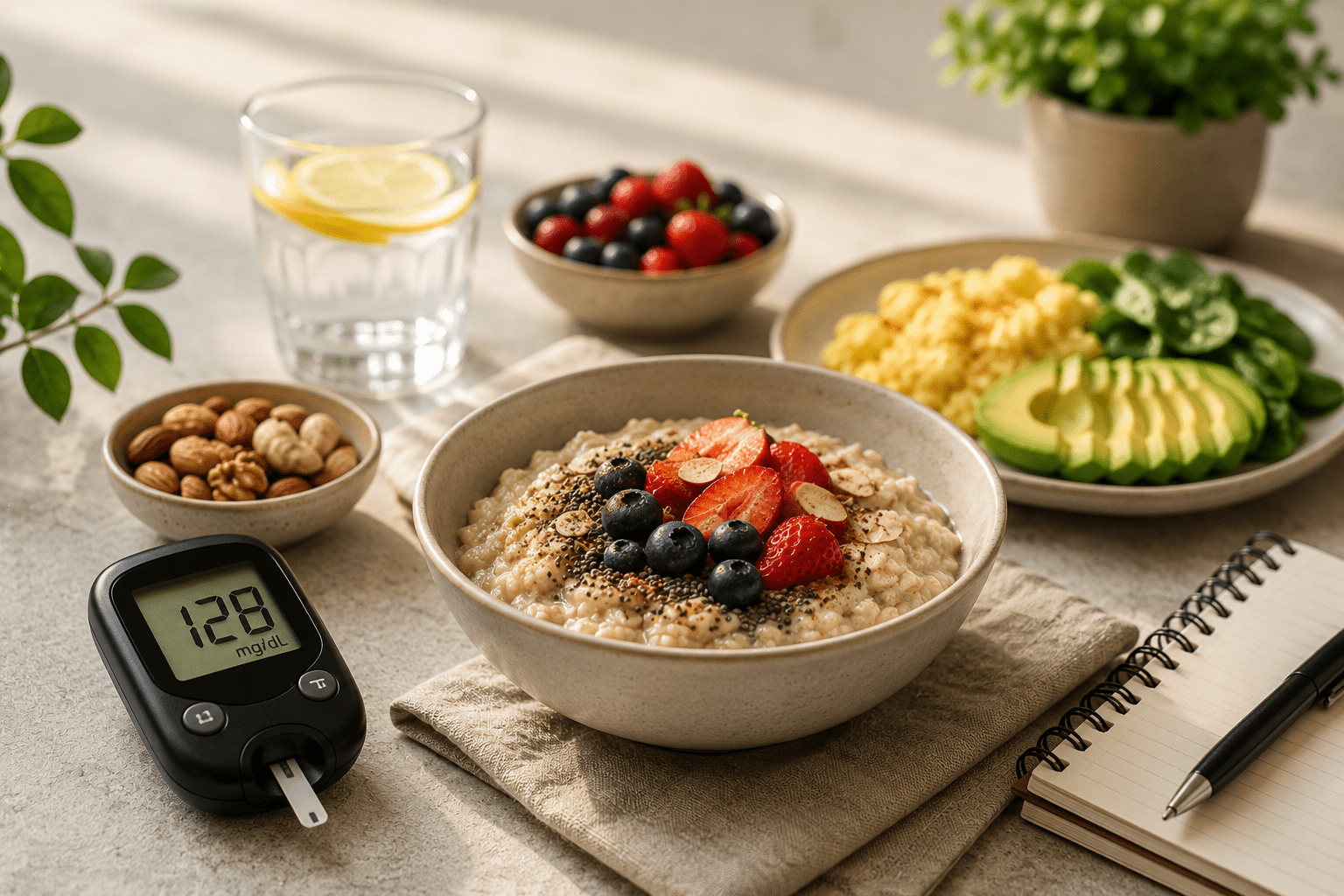
Blood Sugar Spikes After Breakfast: Understanding the Risks and Taking Control
If you’re living with diabetes or at risk of developing it, breakfast can be a daunting meal to navigate. While it’s often seen as the most important meal of the day, the reality is that choosing the right foods can make all the difference in managing blood sugar levels.
The Importance of Managing Morning Blood Sugar
Imagine sipping your morning coffee, enjoying a nutritious breakfast, and starting your day off on the right foot. However, for many individuals with diabetes or those who are at risk of developing the condition, this simple pleasure can be a minefield of carbs, added sugars, and hidden pitfalls.
Consuming high-carbohydrate or high-glycemic index foods after breakfast can lead to blood sugar spikes, causing discomfort, fatigue, and even increasing the risk of complications. But what’s behind these spikes, and how can you take control?
The Science Behind Blood Sugar Spikes
When you eat a meal, your body responds by releasing insulin, a hormone produced by the pancreas that plays a crucial role in regulating blood sugar levels. Insulin helps facilitate the uptake of glucose into cells, but when you consume foods high on the glycemic index (GI), such as white bread, sugary cereals, or sweetened yogurts, your body releases more insulin than necessary.
This excessive insulin release can lead to several problems, including:
* **Insulin resistance**: Prolonged exposure to high levels of insulin can make it difficult for cells to respond to insulin, leading to insulin resistance.
* **Pancreatic exhaustion**: The pancreas can become exhausted from producing excess insulin, which can further exacerbate the condition.
Practical Tips for Managing Morning Blood Sugar
Fortunately, there are several strategies you can use to manage blood sugar spikes after breakfast:
1. **Choose complex carbohydrates**: Opt for whole grain cereals, fruits, or vegetables that contain complex carbohydrates, which release glucose slowly and don’t cause a sudden spike in blood sugar levels.
2. **Incorporate protein and healthy fats**: Adding protein and healthy fats to your breakfast can help slow down the digestion of carbohydrates and reduce the overall glycemic impact.
3. **Limit added sugars**: Avoid sugary cereals, yogurts, or sweetened beverages that can cause a rapid spike in blood sugar levels.
4. **Stay hydrated**: Drinking plenty of water throughout the day can help keep your blood sugar levels stable and prevent dehydration.
Common Mistakes to Avoid
While managing morning blood sugar levels can be challenging, there are several common mistakes you may want to avoid:
* **Not accounting for portion sizes**: Consuming large portions of high-carbohydrate foods can lead to a rapid spike in blood sugar levels.
* **Ignoring food labels**: Not reading food labels or being aware of the glycemic index of your breakfast foods can make it difficult to manage blood sugar levels.
* Using processed meats: Processed meats are high in sodium and preservatives, which can contribute to increased blood pressure.
Frequently Asked Questions
What is a glycemic index, and how does it affect blood sugar levels after breakfast?
The glycemic index (GI) measures the impact of carbohydrates on blood sugar levels. Foods high in GI, such as white bread or sugary cereals, cause a rapid spike in blood sugar levels.
Can I still manage my blood sugar after breakfast if I have diabetes?
Yes, with careful planning and attention to portion sizes, dietary choices, and lifestyle habits, individuals with diabetes can effectively manage their blood sugar levels throughout the day.
What are some good sources of complex carbohydrates for breakfast that won’t cause a spike in blood sugar?
Good options include whole grain cereals, fruits, and vegetables like berries, spinach, or sweet potatoes.
Can I still get enough protein and healthy fats at breakfast to manage my blood sugar levels?
Yes, adding protein and healthy fats like nuts, seeds, avocado, or eggs to your breakfast can help slow down the digestion of carbohydrates and reduce glycemic impact.
How much water should I drink throughout the day to keep my blood sugar levels stable?
Drinking at least eight glasses of water a day can help prevent dehydration, which can contribute to blood sugar imbalances and related health issues.


Berberine as a metformin alternative

Best foods for fatty liver and diabetes

The truth about artificial sweeteners

Houseplant Leaves – A Traditional Ally for Stable Blood Sugar

Hibiscus Tea and Diabetes: A Natural Ally for Blood Sugar Control

7-Day Diabetes Meal Plan for Beginners
-
 Herbal Remedies2 years ago
Houseplant Leaves – A Traditional Ally for Stable Blood Sugar
-
 Diabetes Tips2 years ago
Hibiscus Tea and Diabetes: A Natural Ally for Blood Sugar Control
-
 Diabetes Tips2 years ago
7-Day Diabetes Meal Plan for Beginners
-

 Meal Plans2 years ago
The Lazy 3-Day Diabetic Meal Plan That Keeps Your Blood Sugar Happy
-

 Herbal Remedies2 years ago
Mulberry Leaf Extract: A Natural Solution for Managing Blood Sugar
-

 Diabetes Tips2 years ago
Structured Meal Planning for Type 2 Diabetes: A Scientific Approach
-

 Herbal Remedies2 years ago
Mulberry Leaves and Blood Sugar: Natural Block for Glucose Absorption
-

 Herbal Remedies2 years ago
Bay Leaf and Diabetes : Natural Support for Blood Sugar