
Diabetes Tips
Top 10 Supplements for Blood Sugar Support (Evidence-Based Guide)

Top 10 Supplements for Blood Sugar Support (Evidence-Based)
Walking down the supplement aisle can feel like navigating a maze blindfolded. Colorful bottles promise miraculous blood sugar control, but which ones actually deliver? After years of sifting through research papers and watching countless patients try various approaches, I’ve compiled this evidence-based guide to help you cut through the marketing noise.
Let me be upfront: supplements aren’t magic bullets. They’re more like reliable backup singers—they can enhance your performance when combined with a solid foundation of diet, exercise, and proper medical care. But when chosen wisely, the right supplements can provide meaningful support for your blood sugar management journey.

What Makes a Blood Sugar Supplement Worth Taking?
Before diving into our top 10 list, let’s establish what separates the wheat from the chaff in blood sugar supplements:
Scientific Evidence: Each supplement on this list has peer-reviewed studies showing measurable benefits for glucose metabolism, insulin sensitivity, or both.
Safety Profile: All recommendations have established safety records when used appropriately, with minimal risk of dangerous interactions with diabetes medications.
Bioavailability: These supplements are well-absorbed by your body and can actually reach their target tissues in meaningful concentrations.
Cost-Effectiveness: While not necessarily cheap, these options provide reasonable value given their proven benefits.
The Science Behind Blood Sugar Supplements
Your body manages blood sugar through a complex orchestra of hormones, enzymes, and cellular processes. Supplements can support this system by:
- Enhancing insulin sensitivity: Making your cells more responsive to insulin
- Supporting glucose uptake: Helping cells absorb sugar more efficiently
- Reducing glucose absorption: Slowing the absorption of carbohydrates from meals
- Supporting pancreatic function: Helping your pancreas produce and release insulin more effectively
- Reducing inflammation: Chronic inflammation can worsen insulin resistance
1. Berberine: The “Natural Metformin”
Evidence Rating: ⭐⭐⭐⭐⭐ Typical Dosage: 500mg, 2-3 times daily Best Taken: With meals
If there’s one supplement that’s earned the title of “heavy hitter” in blood sugar support, it’s berberine. This bright yellow compound, extracted from plants like goldenseal and barberry, has been making researchers sit up and take notice.
The Research
Multiple studies have shown berberine can lower fasting blood glucose by 15-25% and HbA1c levels by 0.7-1.0%—results comparable to some diabetes medications. A 2012 study in Metabolism found that berberine was as effective as metformin in controlling blood sugar in people with type 2 diabetes.
How It Works
Berberine activates an enzyme called AMPK (adenosine monophosphate-activated protein kinase), often called your body’s “metabolic master switch.” This activation:
- Improves insulin sensitivity
- Reduces glucose production in the liver
- Increases glucose uptake by muscles
- May help with weight management
What to Expect
Most people notice changes within 2-4 weeks of consistent use. You might experience:
- More stable energy levels throughout the day
- Reduced post-meal blood sugar spikes
- Possible mild digestive upset initially (this usually improves)
Pro Tip: Start with a lower dose (300mg twice daily) to minimize digestive side effects, then gradually increase as your body adapts.
2. Chromium Picolinate: The Insulin Enhancer
Evidence Rating: ⭐⭐⭐⭐ Typical Dosage: 200-400mcg daily Best Taken: With carbohydrate-containing meals
Think of chromium as insulin’s personal trainer—it helps insulin work more efficiently at getting glucose into your cells. This trace mineral is often deficient in modern diets, especially if you consume a lot of processed foods.
The Research
Studies show chromium supplementation can improve glucose tolerance and reduce insulin resistance. A meta-analysis published in Diabetes Technology & Therapeutics found that chromium supplementation reduced fasting blood glucose by an average of 21 mg/dL in people with diabetes.
How It Works
Chromium enhances insulin signaling by:
- Improving insulin binding to cellular receptors
- Activating insulin-dependent enzymes
- Supporting glucose transporter proteins
- Potentially reducing sugar cravings
Real-World Benefits
Sarah, a 52-year-old teacher I’ve worked with, noticed her afternoon sugar cravings disappeared after six weeks of chromium supplementation. “I used to hit the vending machine every day around 3 PM,” she told me. “Now I barely think about it.”
Important Note: Chromium picolinate is better absorbed than other forms like chromium chloride or chromium nicotinate.
3. Alpha-Lipoic Acid (ALA): The Universal Antioxidant
Evidence Rating: ⭐⭐⭐⭐ Typical Dosage: 300-600mg daily Best Taken: On an empty stomach
Alpha-lipoic acid is unique among antioxidants—it works in both water and fat-soluble environments, earning it the nickname “universal antioxidant.” But its benefits for blood sugar go far beyond antioxidant activity.
The Research
Clinical trials have shown ALA can improve insulin sensitivity by 25-50% in people with type 2 diabetes. It’s particularly well-studied for diabetic neuropathy, with several studies showing significant improvements in nerve pain and function.
How It Works
ALA supports blood sugar control through multiple pathways:
- Increases glucose uptake in muscle cells
- Reduces inflammation that contributes to insulin resistance
- Protects pancreatic beta cells from oxidative damage
- May help regenerate other antioxidants like vitamin C and E
Additional Benefits
Beyond blood sugar, ALA may help with:
- Reducing diabetic nerve pain
- Supporting liver health
- Improving blood vessel function
- Reducing inflammation markers
Timing Tip: Take ALA on an empty stomach for best absorption, but if you experience stomach upset, take it with a small amount of food.
4. Cinnamon Extract: The Delicious Medicine
Evidence Rating: ⭐⭐⭐ Typical Dosage: 1-3 grams daily (extract standardized to 10% cinnamaldehyde) Best Taken: With meals
Before you start sprinkling cinnamon on everything, know that we’re talking about concentrated cinnamon extract, not the stuff in your spice rack. The research focuses on specific compounds found in higher concentrations in quality extracts.
The Research
A 2013 meta-analysis in Annals of Family Medicine found that cinnamon supplementation reduced fasting blood glucose by an average of 24.6 mg/dL in people with type 2 diabetes. The effects were most pronounced in people with higher baseline blood sugar levels.
How It Works
Cinnamon’s active compounds, particularly cinnamaldehyde and proanthocyanidins:
- Mimic insulin’s action on cells
- Slow gastric emptying (reducing post-meal spikes)
- Increase glucose uptake by muscle cells
- May improve insulin sensitivity
Choosing the Right Form
Not all cinnamon is created equal:
- Ceylon cinnamon: Lower in coumarin (potentially liver-toxic in large amounts)
- Cassia cinnamon: More commonly studied but higher in coumarin
- Standardized extracts: Provide consistent levels of active compounds
Reality Check: While cinnamon can provide modest benefits, don’t expect dramatic changes. It’s more of a gentle, consistent supporter than a game-changer.
5. Bitter Melon Extract: The Glucose Mimicker
Evidence Rating: ⭐⭐⭐ Typical Dosage: 500-1000mg daily Best Taken: Before meals
Bitter melon lives up to its name—it’s incredibly bitter. But this warty, green fruit has been used in traditional medicine for centuries, and modern research is validating many of its traditional uses.
The Research
Studies have shown bitter melon can reduce fasting blood glucose by 15-25% and improve glucose tolerance. A 2011 study in the Journal of Ethnopharmacology found significant improvements in both fasting and post-meal blood sugar levels.
How It Works
Bitter melon contains several compounds that support blood sugar:
- Charantin: Increases glucose uptake and glycogen synthesis
- Polypeptide-p: Acts similarly to insulin
- Vicine: Lowers blood glucose levels
What to Know
- The extract form is much more palatable than fresh bitter melon
- Effects may be more pronounced in people with higher baseline blood sugar
- Can occasionally cause digestive upset in sensitive individuals
Cultural Note: In many Asian cultures, bitter melon is considered a “cooling” food that balances the body’s internal heat—an interesting parallel to its blood sugar-lowering effects.
6. Gymnema Sylvestre: The “Sugar Destroyer”
Evidence Rating: ⭐⭐⭐ Typical Dosage: 400-600mg daily Best Taken: Before meals
Gymnema sylvestre’s Hindi name translates to “sugar destroyer,” and there’s a fascinating reason for this nickname. When you chew the leaves, they temporarily block your ability to taste sweetness—a hint at how this herb works in your body.
The Research
Clinical studies have shown gymnema can reduce fasting blood glucose by 20-25% and HbA1c by 0.5-0.8% over 18-24 months of use. It’s particularly interesting because it may help regenerate pancreatic beta cells.
How It Works
Gymnema’s active compounds, called gymnemic acids:
- Block glucose absorption in the intestines
- May help regenerate pancreatic beta cells
- Reduce sugar cravings
- Improve insulin secretion
Unique Benefits
What sets gymnema apart:
- May actually help repair damaged pancreatic tissue
- Reduces sugar cravings (helpful for dietary adherence)
- Has a long traditional use history with minimal side effects
Fun Fact: If you chew gymnema leaves, you won’t be able to taste sweetness for about 30 minutes. It’s nature’s way of reducing sugar intake!
7. Magnesium: The Overlooked Essential
Evidence Rating: ⭐⭐⭐⭐ Typical Dosage: 200-400mg daily Best Taken: With dinner or before bed
Magnesium might not sound exciting, but this humble mineral is involved in over 300 enzymatic reactions in your body—many of which are crucial for glucose metabolism.
The Research
Studies consistently show that people with diabetes are often deficient in magnesium, and supplementation can improve insulin sensitivity. A 2016 meta-analysis found that magnesium supplementation reduced fasting blood glucose by an average of 17.6 mg/dL.
How It Works
Magnesium supports blood sugar control by:
- Enhancing insulin receptor activity
- Supporting glucose transport into cells
- Helping with insulin secretion
- Reducing inflammation
Signs You Might Be Deficient
- Muscle cramps or twitches
- Fatigue or weakness
- Poor sleep quality
- Chocolate cravings (dark chocolate is high in magnesium)
Best Forms
- Magnesium glycinate: Best absorbed, least likely to cause digestive upset
- Magnesium oxide: Cheaper but poorly absorbed
- Magnesium citrate: Good absorption but may cause loose stools in some people
8. Omega-3 Fatty Acids: The Anti-Inflammatory Powerhouse
Evidence Rating: ⭐⭐⭐⭐ Typical Dosage: 1-2 grams EPA+DHA daily Best Taken: With meals
While omega-3s are famous for heart health, their anti-inflammatory effects make them valuable allies in blood sugar management. Chronic inflammation is a key driver of insulin resistance, making anti-inflammatory nutrients particularly important.
The Research
Multiple studies have shown omega-3 supplementation can improve insulin sensitivity by 15-30%. They’re particularly beneficial for people with metabolic syndrome or those at high risk for cardiovascular disease.
How They Work
Omega-3s support blood sugar control by:
- Reducing chronic inflammation
- Improving cell membrane fluidity (enhancing insulin sensitivity)
- Supporting healthy blood vessel function
- Potentially reducing liver fat accumulation
Quality Matters
Look for:
- Third-party tested for purity
- High concentration of EPA and DHA
- Triglyceride form (better absorbed than ethyl ester form)
- Sustainable sourcing when possible
Practical Tip: If you experience “fishy burps,” try keeping your omega-3 supplement in the freezer and taking it with meals.
9. Zinc: The Insulin Storage Supporter
Evidence Rating: ⭐⭐⭐ Typical Dosage: 15-30mg daily Best Taken: On an empty stomach (unless it causes nausea)
Zinc plays a crucial role in insulin storage, secretion, and action. People with diabetes often have lower zinc levels, possibly due to increased urinary losses when blood sugar is poorly controlled.
The Research
Studies have shown zinc supplementation can improve fasting blood glucose and HbA1c levels, particularly in people who are zinc-deficient. A 2019 systematic review found modest but consistent benefits across multiple studies.
How It Works
Zinc supports blood sugar control through:
- Insulin storage and secretion from pancreatic beta cells
- Insulin receptor function
- Wound healing (important for diabetic complications)
- Antioxidant enzyme function
Signs of Deficiency
- Slow wound healing
- Frequent infections
- Hair loss
- Changes in taste or smell
- White spots on fingernails
Important: Take zinc away from calcium and iron supplements, as they can interfere with absorption.
10. Vitamin D: The Hormone Regulator
Evidence Rating: ⭐⭐⭐⭐ Typical Dosage: 1000-4000 IU daily (based on blood levels) Best Taken: With fat-containing meals
Vitamin D deficiency is incredibly common, especially in people with diabetes. This “sunshine vitamin” is actually a hormone that influences insulin secretion and sensitivity.
The Research
Observational studies consistently link vitamin D deficiency with increased diabetes risk. Intervention studies show that correcting deficiency can improve insulin sensitivity and beta-cell function.
How It Works
Vitamin D supports blood sugar control by:
- Enhancing insulin secretion from pancreatic beta cells
- Improving insulin sensitivity in muscle and fat cells
- Reducing inflammation
- Supporting immune system function
Getting the Right Amount
- Test your levels first: Optimal levels are typically 30-50 ng/mL
- Vitamin D3 is preferred over D2 for supplementation
- Take with fat for better absorption
- Consider seasonal adjustments if you live in northern climates
Reality Check: Most people need more vitamin D than they think. The RDA is designed to prevent deficiency, not optimize health.
Supplement Comparison Table
| Supplement | Evidence Level | Typical Dosage | Primary Benefit | Time to Effect | Cost Range |
|---|---|---|---|---|---|
| Berberine | ⭐⭐⭐⭐⭐ | 500mg 2-3x daily | Glucose & insulin | 2-4 weeks | $15-30/month |
| Chromium | ⭐⭐⭐⭐ | 200-400mcg daily | Insulin sensitivity | 4-8 weeks | $8-15/month |
| Alpha-Lipoic Acid | ⭐⭐⭐⭐ | 300-600mg daily | Antioxidant & insulin | 6-12 weeks | $20-40/month |
| Cinnamon Extract | ⭐⭐⭐ | 1-3g daily | Glucose uptake | 4-8 weeks | $10-20/month |
| Bitter Melon | ⭐⭐⭐ | 500-1000mg daily | Glucose reduction | 4-6 weeks | $15-25/month |
| Gymnema | ⭐⭐⭐ | 400-600mg daily | Sugar cravings | 2-6 weeks | $12-22/month |
| Magnesium | ⭐⭐⭐⭐ | 200-400mg daily | Insulin function | 4-8 weeks | $8-15/month |
| Omega-3s | ⭐⭐⭐⭐ | 1-2g EPA+DHA daily | Anti-inflammatory | 6-12 weeks | $15-35/month |
| Zinc | ⭐⭐⭐ | 15-30mg daily | Insulin storage | 8-12 weeks | $5-12/month |
| Vitamin D | ⭐⭐⭐⭐ | 1000-4000 IU daily | Hormone regulation | 8-16 weeks | $8-15/month |
How to Choose the Right Supplements for You
Not everyone needs all these supplements. Here’s how to prioritize:
Start With the Basics
- Get tested first: Check vitamin D, magnesium, and B12 levels
- Address deficiencies: These often provide the biggest bang for your buck
- Consider your diet: If you eat fatty fish twice a week, you might not need omega-3s
Consider Your Specific Situation
- New to supplements: Start with magnesium and vitamin D
- Looking for glucose control: Berberine and chromium are top choices
- Dealing with sugar cravings: Gymnema and chromium can help
- Concerned about complications: Alpha-lipoic acid and omega-3s are protective
Budget-Conscious Approach
If money’s tight, prioritize in this order:
- Magnesium (cheap and commonly deficient)
- Vitamin D (test first, then supplement if low)
- Berberine (best evidence for glucose control)
- Omega-3s (if you don’t eat fish regularly)
Timing and Combinations
Morning: Vitamin D, omega-3s (with breakfast) Before meals: Berberine, gymnema, bitter melon With meals: Chromium, cinnamon Evening: Magnesium (can help with sleep)
Supplement Combinations That Work Well Together
- Berberine + Alpha-lipoic acid: Complementary mechanisms
- Magnesium + Vitamin D: Work together for insulin function
- Chromium + Cinnamon: Both enhance insulin sensitivity
Avoid These Combinations
- Zinc + Calcium/Iron: Reduces absorption
- Alpha-lipoic acid + Biotin: ALA can reduce biotin levels
Safety Considerations and Interactions
General Safety Guidelines
- Start low and go slow: Introduce one supplement at a time
- Monitor your blood sugar: Some supplements can lower glucose significantly
- Keep a log: Track how you feel and any changes in blood sugar patterns
- Quality matters: Choose third-party tested products when possible
Important Medication Interactions
| Supplement | Potential Interactions | Precautions |
|---|---|---|
| Berberine | Can enhance blood sugar medications | May need medication adjustment |
| Alpha-Lipoic Acid | Can enhance insulin and diabetes drugs | Monitor blood sugar closely |
| Gymnema | May enhance diabetes medications | Start with lower doses |
| Chromium | Can enhance insulin effects | Monitor for hypoglycemia |
| Bitter Melon | Can lower blood sugar significantly | Use caution with diabetes drugs |
Critical: Never stop or reduce prescription medications without medical supervision. These supplements should complement, not replace, proper medical care.
What to Expect: Realistic Timelines
Week 1-2: Initial Adaptation
- Your body adjusts to new supplements
- Possible mild digestive changes
- Some people notice improved energy
Month 1: Early Changes
- More stable energy levels
- Possible reduction in sugar cravings (especially with gymnema)
- Some blood sugar improvements may be measurable
Month 2-3: Building Benefits
- More consistent blood sugar patterns
- Improved post-meal glucose responses
- Better overall energy and mood
Month 3-6: Established Effects
- Maximum benefits typically achieved
- Lab values (A1C) may show improvement
- Overall metabolic improvements
Remember: Supplements work best as part of a comprehensive approach including proper diet, exercise, stress management, and quality sleep.
Quality Matters: How to Choose Good Supplements
Look for These Quality Indicators
- Third-party testing: USP, NSF, or ConsumerLab certification
- GMP certification: Good Manufacturing Practices
- Clear labeling: Specific dosages and forms of ingredients
- Minimal additives: Avoid unnecessary fillers and artificial colors
- Expiration dates: Fresh products are more potent
Red Flags to Avoid
- Unrealistic claims: “Cure diabetes naturally!”
- Proprietary blends: Hide actual ingredient amounts
- No contact information: Reputable companies provide customer service
- Extremely low prices: Often indicate poor quality ingredients
- Multilevel marketing: Often overpriced with questionable quality
Where to Shop
- Reputable health stores: Staff can often provide knowledgeable guidance
- Online retailers with good return policies: Amazon, iHerb, Vitacost
- Directly from manufacturers: Ensures freshness and authenticity
- Avoid: Gas stations, dollar stores, and questionable online sellers
Frequently Asked Questions
Can supplements replace diabetes medication?
Absolutely not. While supplements can provide valuable support, they should never replace prescribed medications without medical supervision. Think of them as helpful additions to your treatment plan, not substitutes.
How long should I take these supplements?
Most blood sugar support supplements are safe for long-term use when taken as directed. However, it’s wise to periodically reassess with your healthcare provider, especially if your blood sugar control improves significantly.
Can I take all of these supplements together?
While most are safe to combine, it’s not necessary to take all of them. Start with 2-3 that address your specific needs and budget, then add others if needed. More isn’t always better.
What if I don’t see results after a month?
Give supplements at least 2-3 months to show their full effects. If you still don’t see benefits, reassess your dosages, timing, or consider whether you chose the right supplements for your situation.
Are there any supplements I should avoid?
Be cautious with supplements making dramatic claims or those containing stimulants. Also avoid supplements with poor quality control or those that interact with your current medications.
The Bottom Line: Building Your Supplement Strategy
Choosing blood sugar support supplements doesn’t have to be overwhelming. Start with the basics—address any nutritional deficiencies first, then add targeted supplements based on your specific needs and budget.
Remember, supplements work best when they’re part of a comprehensive approach. They can’t overcome a poor diet, lack of exercise, or chronic stress, but they can provide valuable support when you’re doing the other important work of managing your blood sugar.
I’ve seen countless patients benefit from the right supplement strategy. Maria, a 58-year-old accountant, dropped her A1C from 7.8% to 6.9% over six months by adding berberine and magnesium to her routine. Tom, a 45-year-old contractor, finally got his dawn phenomenon under control with alpha-lipoic acid and chromium.
Your journey might look different, but with patience, consistency, and the right supplements, you can take meaningful steps toward better blood sugar control.
What’s your experience with blood sugar supplements? Have any of these made a difference in your management routine? Share your story in the comments below—your experience might help someone else make the right choice for their health journey.
Ready to get started? Consider beginning with a basic vitamin D and magnesium combination, then add targeted supplements based on your specific needs. Remember to work with your healthcare provider to ensure your supplement choices complement your overall treatment plan.
This article is for informational purposes only and should not replace professional medical advice. Always consult with your healthcare provider before starting any new supplement regimen, especially if you’re taking medications or have existing health conditions.





Diabetes Tips
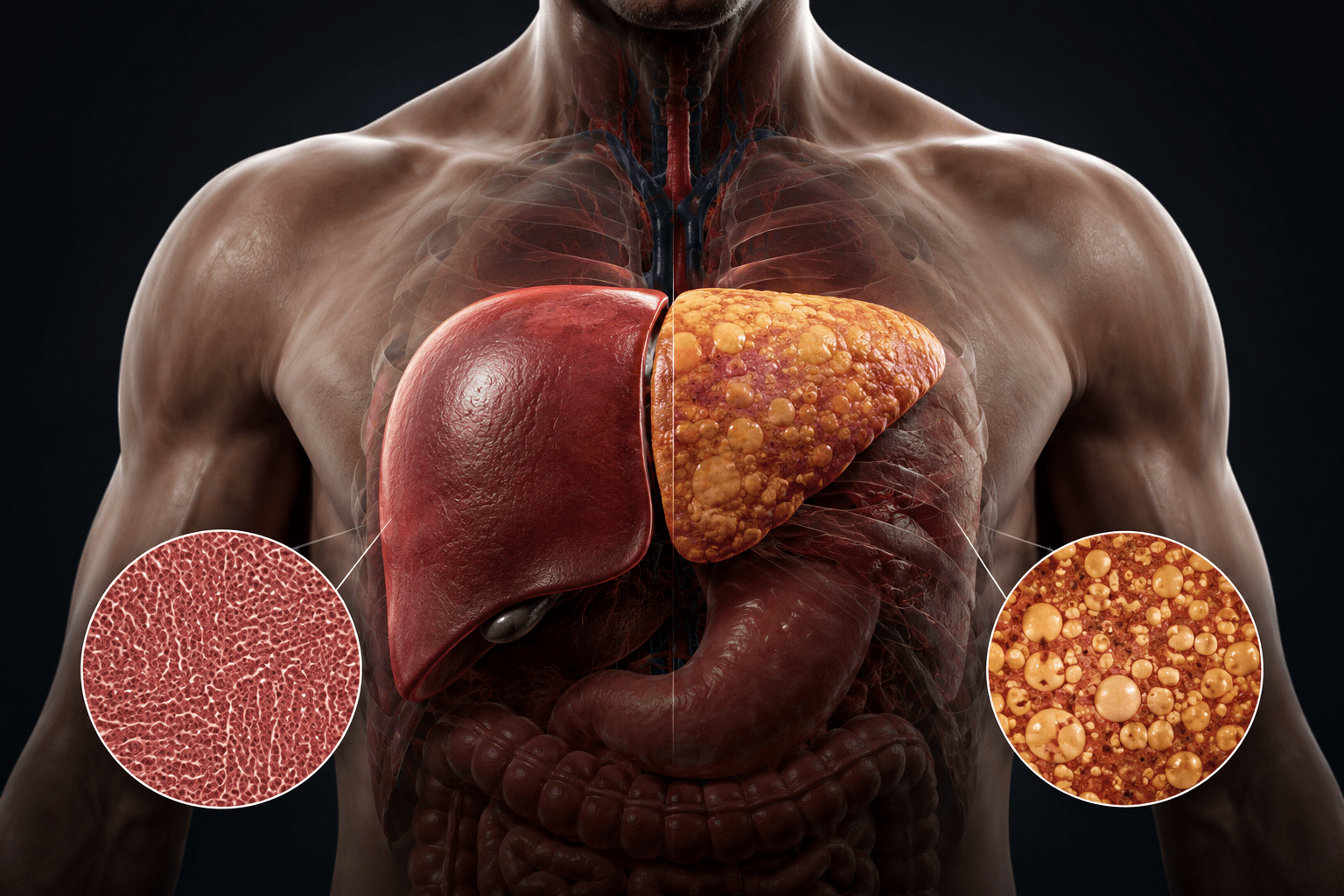
Best foods for fatty liver and diabetes
Managing fatty liver disease and diabetes requires a well-balanced diet rich in healthy foods. Learn what foods can help alleviate symptoms and improve overall health.
The Best Foods for Fatty Liver and Diabetes: A Comprehensive Guide to Optimal Nutrition
When it comes to managing fatty liver disease and diabetes, the role of diet can’t be overstated. These two conditions affect millions of people worldwide, but with the right nutrients and lifestyle changes, you can take control of your health.
Fatty liver disease is characterized by an accumulation of excess fat in the liver, leading to inflammation and damage over time. Diabetes, on the other hand, affects how our bodies process blood sugar, causing high glucose levels that can harm organs like the kidneys, nerves, and eyes. The connection between diet and these conditions is complex, but research suggests that a balanced diet rich in whole foods may help mitigate the risk of complications.
Why This Topic Matters: Understanding the Link Between Diet and Fatty Liver/Diabetes
The link between diet and fatty liver disease and diabetes is multifaceted. Consuming high amounts of sugar, saturated fats, and sodium can put a strain on our livers and bodies, while nutrient-dense foods like fruits, vegetables, whole grains, and lean proteins provide essential nutrients for optimal health.
By understanding the relationship between diet and these conditions, we can make informed choices about the foods we eat and how they impact our overall well-being. In this article, we’ll explore the best foods for fatty liver and diabetes, highlighting nutrient-dense options that may support blood sugar control, insulin resistance, and liver health.
Scientific Explanations: How Food Affects Blood Sugar Control and Liver Health
When it comes to managing blood sugar levels and supporting liver health, food plays a critical role. Carbohydrates can cause a spike in blood glucose, which may worsen insulin resistance. On the other hand, fiber-rich foods like fruits, vegetables, and whole grains help slow down carbohydrate absorption and promote satiety.
The liver is also vital in detoxifying our bodies and regulating glucose metabolism. When we consume high amounts of sugar, saturated fats, and processed foods, it can put a strain on liver function, leading to inflammation and oxidative stress. By understanding how food affects blood sugar control and liver health, we can make informed choices about the foods we eat.
Practical Lifestyle Tips: Incorporating Fatty Liver-Friendly Foods into Your Diet
So, what are the best foods for fatty liver and diabetes? Here are some nutrient-dense options to consider:
* Leafy greens like spinach, kale, and collard greens provide essential vitamins and minerals
* Berries such as blueberries, strawberries, and raspberries offer antioxidants and fiber
* Fatty fish like salmon, tuna, and mackerel support heart health and omega-3 intake
* Nuts and seeds like almonds, walnuts, and chia seeds provide healthy fats and protein
* Legumes like lentils, chickpeas, and black beans are rich in fiber, protein, and minerals
* Whole grains like brown rice, quinoa, and whole-wheat bread offer complex carbohydrates and fiber
Incorporating these foods into your diet can help support blood sugar control, insulin resistance, and liver health. Aim for a balanced mix of protein, healthy fats, and complex carbohydrates to fuel your body.
Common Mistakes: Avoiding Unhealthy Patterns
When it comes to managing fatty liver and diabetes, avoiding unhealthy patterns is crucial. Here are some common mistakes to watch out for:
* Skipping meals or undereating, leading to low blood sugar
* Consuming high amounts of added sugars, saturated fats, and sodium
* Ignoring portion sizes and eating until full
By being mindful of these pitfalls, you can avoid exacerbating your condition and take proactive steps towards improving overall health.
Benefits: How Fatty Liver-Friendly Foods Can Support Your Health
Incorporating fatty liver-friendly foods into your diet may provide numerous benefits, including:
* Improved blood sugar control and reduced risk of complications
* Enhanced liver function and detoxification
* Reduced inflammation and oxidative stress
* Weight management and improved metabolic health
While these foods alone cannot cure fatty liver disease or diabetes, they can play a vital role in supporting overall health and well-being.
Risks and Considerations: Potential Side Effects of Fatty Liver-Friendly Foods
As with any dietary approach, it’s essential to consider potential side effects when incorporating fatty liver-friendly foods into your diet. Some possible risks include:
* Intolerance or sensitivity to certain foods
* Interactions with medications or underlying health conditions
* Increased risk of kidney stones or other minerals-related issues
Consult with a healthcare professional before making any significant changes to your diet.
Real-Life Examples: Incorporating Fatty Liver-Friendly Foods into Your Daily Routine
Incorporating fatty liver-friendly foods into your daily routine can be easy and delicious. Here are some ideas to get you started:
* Start your day with a spinach omelette or Greek yogurt parfait
* Snack on almonds, berries, and walnuts throughout the day
* Add lentils or chickpeas to soups and salads for added protein and fiber
By making these simple changes, you can take proactive steps towards supporting your liver health and overall well-being.
Conclusion: Empowering Your Journey Towards Optimal Nutrition
Managing fatty liver disease and diabetes requires a holistic approach that incorporates diet, lifestyle, and medical treatment. By incorporating fatty liver-friendly foods into your diet, you can take proactive steps towards improving blood sugar control, insulin resistance, and liver health.
Remember to consult with a healthcare professional before making any significant changes to your diet, and don’t hesitate to reach out if you have questions or concerns.
By empowering yourself with the knowledge of optimal nutrition, you’ll be better equipped to navigate this journey and achieve long-term wellness.
Learn more about managing diabetes with a balanced diet
Diabetes Tips
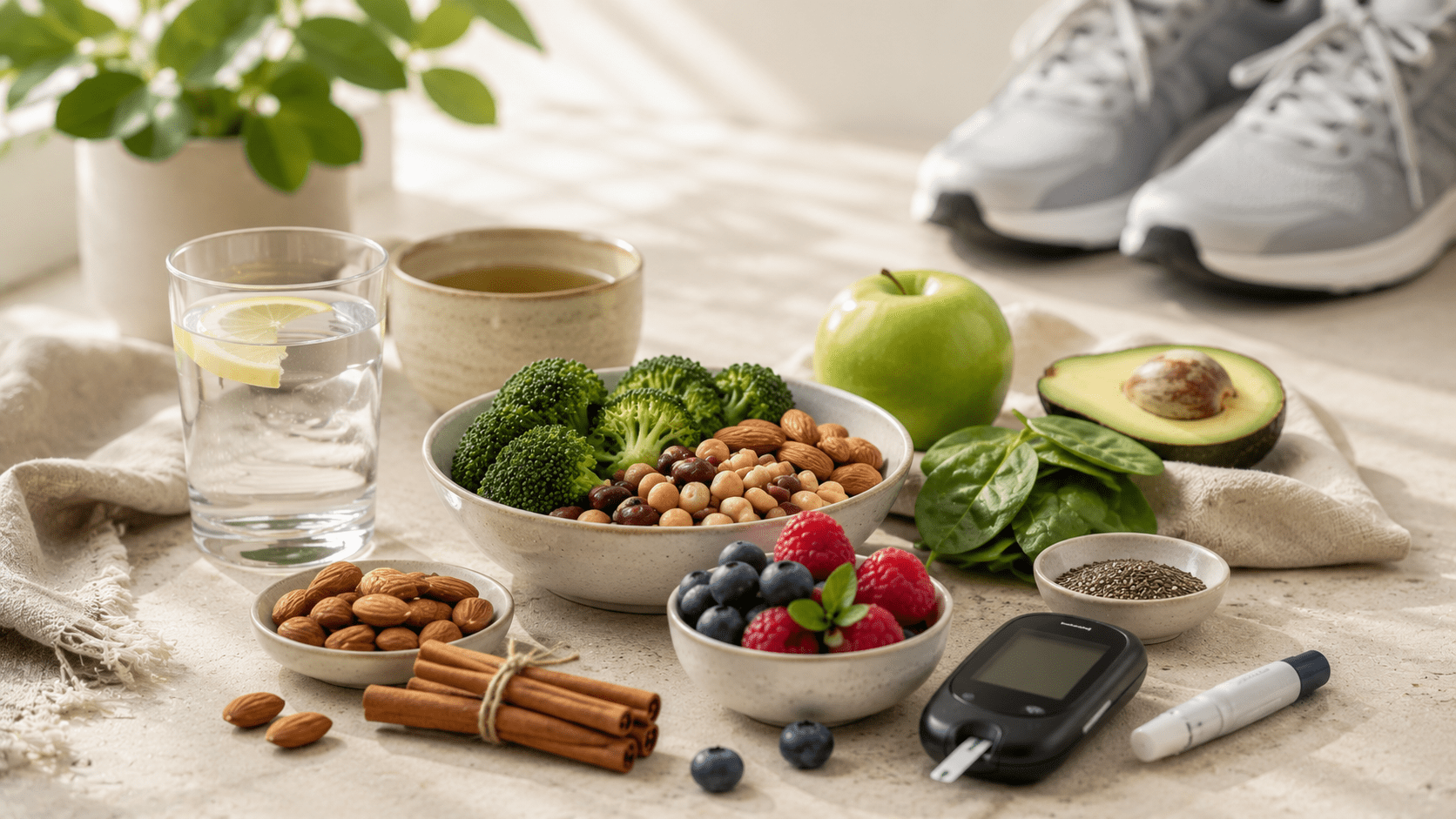
How to lower blood sugar naturally
Learn how to lower your blood sugar levels with a healthy diet, exercise, and lifestyle changes
Embracing a Natural Approach to Lowering Blood Sugar
The rise in diabetes and insulin resistance has left millions of people worldwide searching for effective ways to manage their condition. While conventional treatments often rely on medication or invasive procedures, there are many natural remedies that can help support blood sugar balance and promote overall wellness.
The Importance of Maintaining Healthy Blood Sugar Levels
Maintaining healthy blood sugar levels is crucial when it comes to diabetes management. High glucose levels can lead to a range of complications, including nerve damage, kidney disease, and even heart disease. Research suggests that even mild hyperglycemia can increase the risk of cardiovascular events by up to 30%. By taking proactive steps to regulate your blood sugar levels, you can significantly reduce your risk of developing these complications.
Understanding How Blood Sugar Affects the Body
Blood sugar, or glucose, is a vital source of energy for our cells. However, when insulin levels become imbalanced, glucose builds up in the bloodstream, leading to elevated blood sugar levels. Insulin sensitivity plays a critical role in regulating blood sugar levels, and even minor improvements can have a significant impact on glucose control.
Natural Remedies for Lowering Blood Sugar
Fortunately, there are many natural remedies that may support blood sugar balance. Here are some of the most promising options:
- Dietary Changes: Eating a balanced diet rich in whole foods, fruits, and vegetables can help regulate blood sugar levels. Incorporating more plant-based protein sources like legumes and nuts may also be beneficial.
- Herbal Supplements: Certain herbs like berberine, cinnamon, and chromium have been shown to possess antidiabetic properties, although more research is needed to confirm their effectiveness.
- Exercise and Physical Activity: Regular exercise can improve insulin sensitivity and help regulate blood sugar levels. Aim for at least 150 minutes of moderate-intensity physical activity per week.
- Stress Management: Chronic stress can raise cortisol levels, which can contribute to elevated blood sugar levels. Practice stress-reducing techniques like meditation or yoga to help manage stress.
Practical Lifestyle Tips for Lowering Blood Sugar
Incorporating these natural remedies into your lifestyle can have a significant impact on blood sugar balance. Here are some practical tips to get you started:
- Drink Plenty of Water: Staying hydrated is essential for maintaining healthy blood sugar levels. Aim for at least eight glasses of water per day.
- Eat More Fiber: A high-fiber diet can help regulate blood sugar levels by slowing the absorption of glucose into the bloodstream.
- Get Enough Sleep: Poor sleep quality and duration can raise cortisol levels, leading to elevated blood sugar levels. Aim for seven to nine hours of sleep per night.
- Limit Processed Foods: Processed foods are often high in added sugars, refined carbohydrates, and unhealthy fats, which can contribute to elevated blood sugar levels.
Mistakes to Avoid on Your Journey to Lower Blood Sugar
Avoid making the following mistakes that can have a negative impact on your blood sugar levels:
- Skipping Meals: Skipping meals or going too long without eating can lead to low blood sugar, while overeating can cause a spike in glucose levels.
- Not Managing Stress: Chronic stress can raise cortisol levels, leading to elevated blood sugar levels. Practice stress-reducing techniques like meditation or yoga to help manage stress.
- Overrelying on Medication: While medication may be necessary in some cases, overrelying on it can mask underlying issues and lead to adverse effects.
The Benefits of Lowering Blood Sugar Naturally
Lowering blood sugar naturally can have a range of benefits, including:
- Improved Insulin Sensitivity: Improving insulin sensitivity can reduce the risk of developing type 2 diabetes and metabolic syndrome.
- Reduced Risk of Complications: Maintaining healthy blood sugar levels can reduce the risk of complications like nerve damage, kidney disease, and heart disease.
- Increased Energy and Mental Clarity: Lowering blood sugar levels can increase energy levels and improve mental clarity, reducing fatigue and brain fog.
Risks and Considerations
Naturally lowering blood sugar levels may not be suitable for everyone. Certain individuals should consult with their healthcare provider before making any changes to their lifestyle or supplement routine, including:
- Pregnant or Breastfeeding Women: Pregnant or breastfeeding women should consult with their healthcare provider before taking any new supplements.
- People with Diabetes Medication: Individuals who are currently taking diabetes medication should not stop taking it without consulting with their healthcare provider.
- Those with Underlying Medical Conditions: Certain underlying medical conditions, such as kidney disease or liver disease, may require special consideration when trying to lower blood sugar levels naturally.
A Real-Life Example: Lowering Blood Sugar Naturally through Diet and Exercise
Meet Sarah, a 35-year-old marketing professional who was diagnosed with prediabetes. Sarah made the following changes to her lifestyle:
- Switched to Plant-Based Protein Sources: Sarah started incorporating more plant-based protein sources like legumes and nuts into her diet.
- Incorporated More Fiber-Rich Foods: Sarah added more fiber-rich foods like fruits, vegetables, and whole grains to her diet.
- Started Walking Daily: Sarah started walking for at least 30 minutes per day, three times a week.
- Drinking Plenty of Water: Sarah made sure to drink plenty of water throughout the day.
After making these changes, Sarah noticed significant improvements in her blood sugar levels and overall energy levels. She was able to lose weight, improve her mental clarity, and reduce her risk of developing type 2 diabetes.
The Power of Lowering Blood Sugar Naturally
Lowering blood sugar naturally is a holistic approach that requires patience, dedication, and the right lifestyle habits. By incorporating natural remedies like dietary changes, herbal supplements, exercise, and stress management into your daily routine, you can support healthy blood sugar levels and promote overall wellness.
Start your journey towards lower blood sugar naturally today by incorporating these simple yet effective tips into your daily routine:
- Develop a Healthy Habits Routine: Create a daily routine that includes healthy habits like exercise, meditation, and journaling.
- Eat More Fiber-Rich Foods: Incorporate more fiber-rich foods into your diet to help regulate blood sugar levels.
- Get Enough Sleep: Aim for seven to nine hours of sleep per night to help manage stress and promote overall health.
Join the movement towards lower blood sugar naturally and start your journey today!
Frequently Asked Questions
What are some natural remedies that can help regulate blood sugar levels?
Certain herbs like berberine, cinnamon, and chromium have been shown to possess antidiabetic properties
How much exercise is needed to improve insulin sensitivity and lower blood sugar levels?
At least 150 minutes of moderate-intensity physical activity per week
Can drinking plenty of water help manage blood sugar levels?
Yes, staying hydrated is essential for maintaining healthy blood sugar levels
What should I avoid doing on my journey to lower blood sugar naturally?
Skipping meals or going too long without eating can lead to low blood sugar, while overeating can cause a spike in glucose levels
Are there any risks associated with lowering blood sugar levels naturally for certain individuals?
Yes, pregnant or breastfeeding women, people with diabetes medication, and those with underlying medical conditions should consult their healthcare provider before making changes to their lifestyle or supplement routine
Diabetes Tips
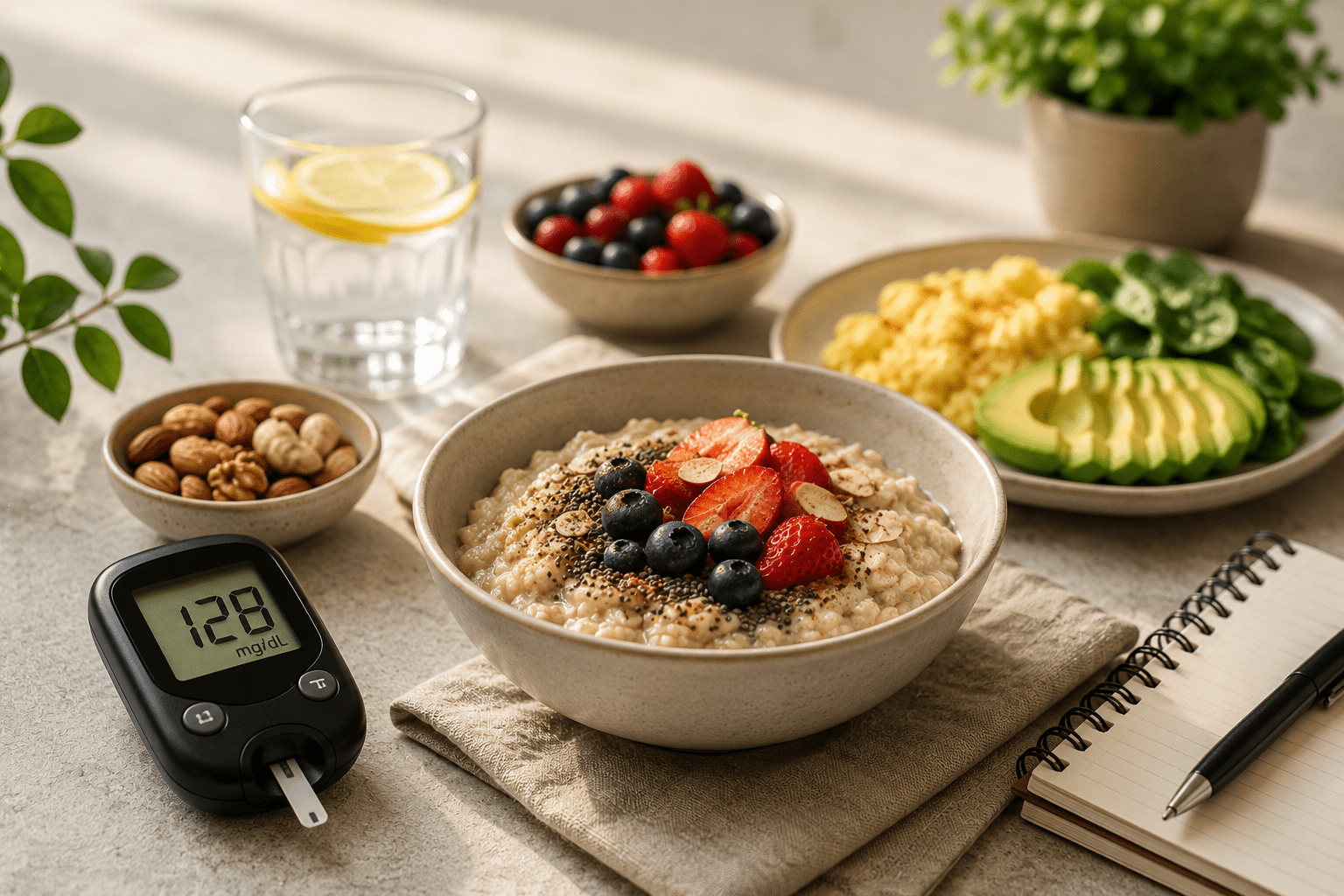
Why blood sugar spikes after breakfast
Discover the reasons why your blood sugar levels spike after breakfast and learn how to stabilize them for a healthier you.
Blood Sugar Spikes After Breakfast: Understanding the Risks and Taking Control
If you’re living with diabetes or at risk of developing it, breakfast can be a daunting meal to navigate. While it’s often seen as the most important meal of the day, the reality is that choosing the right foods can make all the difference in managing blood sugar levels.
The Importance of Managing Morning Blood Sugar
Imagine sipping your morning coffee, enjoying a nutritious breakfast, and starting your day off on the right foot. However, for many individuals with diabetes or those who are at risk of developing the condition, this simple pleasure can be a minefield of carbs, added sugars, and hidden pitfalls.
Consuming high-carbohydrate or high-glycemic index foods after breakfast can lead to blood sugar spikes, causing discomfort, fatigue, and even increasing the risk of complications. But what’s behind these spikes, and how can you take control?
The Science Behind Blood Sugar Spikes
When you eat a meal, your body responds by releasing insulin, a hormone produced by the pancreas that plays a crucial role in regulating blood sugar levels. Insulin helps facilitate the uptake of glucose into cells, but when you consume foods high on the glycemic index (GI), such as white bread, sugary cereals, or sweetened yogurts, your body releases more insulin than necessary.
This excessive insulin release can lead to several problems, including:
* **Insulin resistance**: Prolonged exposure to high levels of insulin can make it difficult for cells to respond to insulin, leading to insulin resistance.
* **Pancreatic exhaustion**: The pancreas can become exhausted from producing excess insulin, which can further exacerbate the condition.
Practical Tips for Managing Morning Blood Sugar
Fortunately, there are several strategies you can use to manage blood sugar spikes after breakfast:
1. **Choose complex carbohydrates**: Opt for whole grain cereals, fruits, or vegetables that contain complex carbohydrates, which release glucose slowly and don’t cause a sudden spike in blood sugar levels.
2. **Incorporate protein and healthy fats**: Adding protein and healthy fats to your breakfast can help slow down the digestion of carbohydrates and reduce the overall glycemic impact.
3. **Limit added sugars**: Avoid sugary cereals, yogurts, or sweetened beverages that can cause a rapid spike in blood sugar levels.
4. **Stay hydrated**: Drinking plenty of water throughout the day can help keep your blood sugar levels stable and prevent dehydration.
Common Mistakes to Avoid
While managing morning blood sugar levels can be challenging, there are several common mistakes you may want to avoid:
* **Not accounting for portion sizes**: Consuming large portions of high-carbohydrate foods can lead to a rapid spike in blood sugar levels.
* **Ignoring food labels**: Not reading food labels or being aware of the glycemic index of your breakfast foods can make it difficult to manage blood sugar levels.
* Using processed meats: Processed meats are high in sodium and preservatives, which can contribute to increased blood pressure.
Frequently Asked Questions
What is a glycemic index, and how does it affect blood sugar levels after breakfast?
The glycemic index (GI) measures the impact of carbohydrates on blood sugar levels. Foods high in GI, such as white bread or sugary cereals, cause a rapid spike in blood sugar levels.
Can I still manage my blood sugar after breakfast if I have diabetes?
Yes, with careful planning and attention to portion sizes, dietary choices, and lifestyle habits, individuals with diabetes can effectively manage their blood sugar levels throughout the day.
What are some good sources of complex carbohydrates for breakfast that won’t cause a spike in blood sugar?
Good options include whole grain cereals, fruits, and vegetables like berries, spinach, or sweet potatoes.
Can I still get enough protein and healthy fats at breakfast to manage my blood sugar levels?
Yes, adding protein and healthy fats like nuts, seeds, avocado, or eggs to your breakfast can help slow down the digestion of carbohydrates and reduce glycemic impact.
How much water should I drink throughout the day to keep my blood sugar levels stable?
Drinking at least eight glasses of water a day can help prevent dehydration, which can contribute to blood sugar imbalances and related health issues.


Berberine as a metformin alternative

Best foods for fatty liver and diabetes

The truth about artificial sweeteners

Houseplant Leaves – A Traditional Ally for Stable Blood Sugar

Hibiscus Tea and Diabetes: A Natural Ally for Blood Sugar Control

7-Day Diabetes Meal Plan for Beginners
-
 Herbal Remedies2 years ago
Houseplant Leaves – A Traditional Ally for Stable Blood Sugar
-
 Diabetes Tips2 years ago
Hibiscus Tea and Diabetes: A Natural Ally for Blood Sugar Control
-
 Diabetes Tips2 years ago
7-Day Diabetes Meal Plan for Beginners
-
 Meal Plans2 years ago
The Lazy 3-Day Diabetic Meal Plan That Keeps Your Blood Sugar Happy
-

 Herbal Remedies2 years ago
Mulberry Leaf Extract: A Natural Solution for Managing Blood Sugar
-
 Diabetes Tips2 years ago
Structured Meal Planning for Type 2 Diabetes: A Scientific Approach
-

 Herbal Remedies2 years ago
Mulberry Leaves and Blood Sugar: Natural Block for Glucose Absorption
-

 Herbal Remedies2 years ago
Bay Leaf and Diabetes : Natural Support for Blood Sugar