
Diabetes Tips
Losing Weight with Stable Blood Sugar: A Step-by-Step Guide

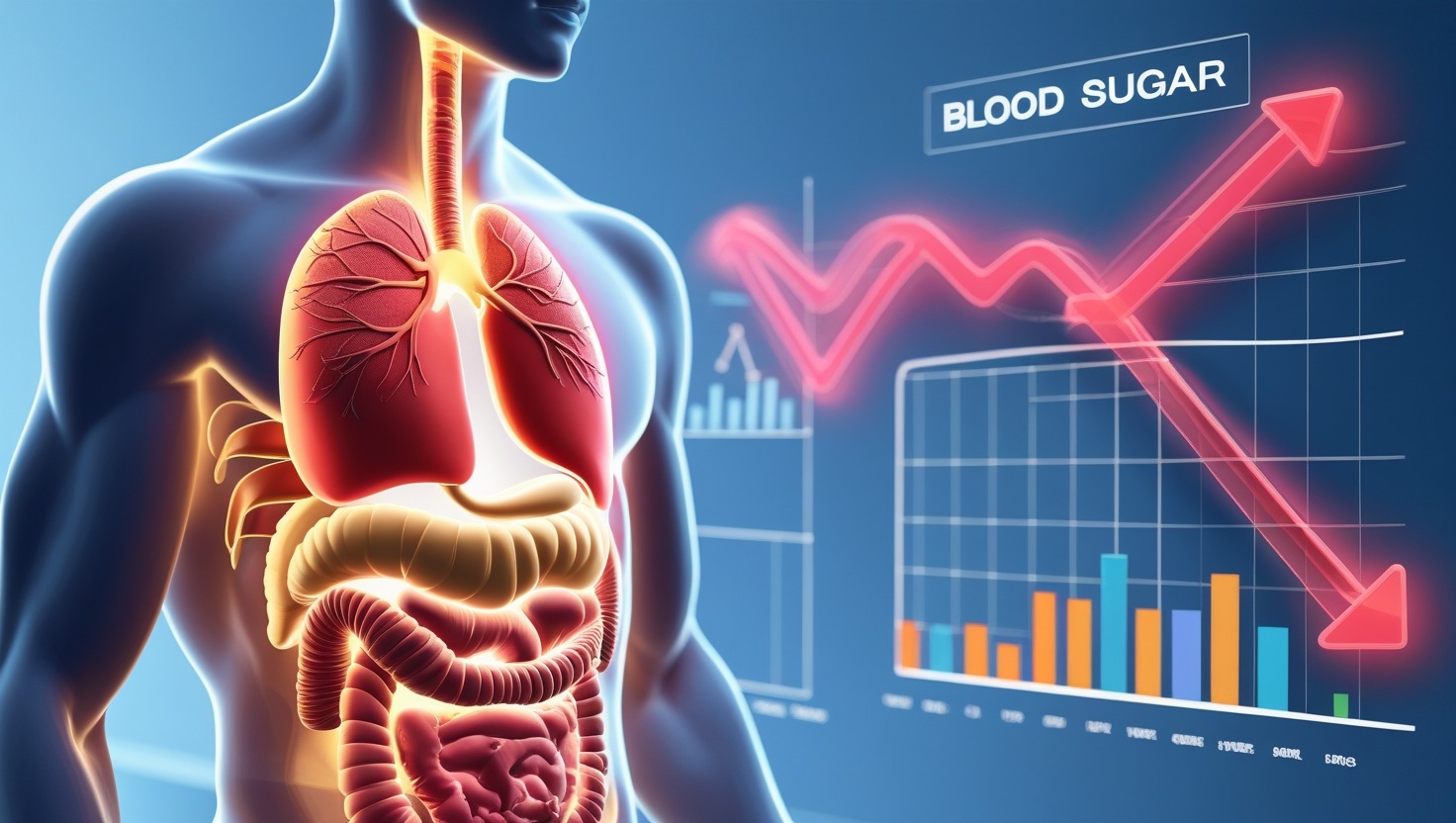
Losing Weight with Stable Blood Sugar: A Step-by-Step Guide
Here’s something that might surprise you: the scale that frustrated me for years wasn’t lying, and neither was yours. After helping hundreds of people navigate the treacherous waters of weight loss with blood sugar issues, I’ve learned that the problem isn’t willpower—it’s biochemistry.
When Sarah walked into my office last spring, she was exhausted. Despite eating 1,200 calories daily and exercising six days a week, her weight hadn’t budged in months. Her blood sugar levels told a different story: wild swings from 85 to 180 mg/dL throughout the day. Within three months of stabilizing her blood glucose levels, she lost 28 pounds effortlessly.
The connection between blood sugar control and sustainable weight loss isn’t just real—it’s revolutionary. Today, I’m going to show you exactly how to harness this connection with a step-by-step approach that works with your body’s natural rhythms, not against them.
Understanding the Blood Sugar-Weight Loss Connection
Before we dive into the action steps, let’s understand why blood sugar and weight loss are so intimately connected. Think of your body as a sophisticated fuel management system—when it’s working properly, you burn stored fat efficiently. When it’s not, you’re constantly storing fat instead of burning it.
The Science Behind the Connection
Research shows that successfully maintained, weight-reduced individuals were significantly more insulin sensitive compared with all other groups investigated. This isn’t just correlation—it’s a fundamental biological truth that affects every aspect of how your body handles energy.
When your blood glucose levels spike and crash repeatedly, several things happen that sabotage weight loss:
- Insulin surges trigger fat storage mode
- Blood sugar crashes create intense hunger and cravings
- Metabolic confusion slows down your fat-burning capacity
- Energy instability makes exercise feel impossible
Why Traditional Diets Fail for People with Blood Sugar Issues
Most weight loss advice assumes your metabolic health is functioning normally. But if you have insulin resistance, prediabetes, or diabetes, traditional “calories in, calories out” approaches often backfire spectacularly.
Dr. David Ludwig’s research at Harvard reveals that high insulin levels in blood may arise from primary hypersecretion (postulated to cause weight gain) or as a compensatory response to insulin resistance. This means your body might be working against you at the hormonal level.
Step 1: Assess Your Current Blood Sugar Patterns
The first step in any successful weight loss journey with blood sugar control is understanding where you stand right now. You can’t manage what you don’t measure.
Essential Testing and Monitoring
| Test Type | Frequency | Target Range | What It Tells You |
|---|---|---|---|
| Fasting glucose | Daily (morning) | 80-100 mg/dL | Overnight blood sugar control |
| Post-meal glucose | 2 hours after eating | <140 mg/dL | How well you handle carbs |
| HbA1c | Every 3 months | <5.7% (non-diabetic) | 3-month average blood sugar |
| Fasting insulin | Annual or as needed | <10 μIU/mL | Insulin resistance indicator |
Tools for Tracking Your Progress
Basic Monitoring:
- Traditional fingerstick glucose meter
- Blood pressure monitor
- Body weight scale
- Tape measure for waist circumference
Advanced Options:
- Continuous glucose monitoring (CGM): Continuous glucose monitoring provides real-time feedback on how foods, exercise, stress, and other factors impact blood sugar levels, supporting behavior changes for weight loss
- Smartphone apps for logging patterns
- Body composition scales
Creating Your Baseline Assessment
Spend one full week tracking:
- Blood glucose upon waking
- Blood glucose 2 hours after each meal
- Energy levels (1-10 scale) every 3 hours
- Hunger and craving patterns
- Sleep quality and duration
- Stress levels
- Physical activity
This baseline will become your roadmap for identifying which changes create the most significant improvements.

Step 2: Design Your Blood Sugar-Friendly Eating Plan
The foundation of successful weight loss with stable blood sugar isn’t about restriction—it’s about precision. You want to eat in a way that keeps your insulin sensitivity high while providing steady energy for both daily activities and exercise.
The Stable Blood Sugar Plate Method
Instead of counting calories obsessively, focus on plate composition:
50% Non-Starchy Vegetables:
- Leafy greens, broccoli, cauliflower, peppers
- Asparagus, zucchini, cucumber, tomatoes
- These provide fiber, nutrients, and volume with minimal blood glucose impact
25% Lean Protein:
- Fish, poultry, lean meats, eggs
- Plant proteins like tofu, tempeh, legumes
- Protein stabilizes blood sugar and increases satiety
25% Smart Carbohydrates:
- Focus on fiber-rich, lower glycemic options
- Sweet potatoes, quinoa, steel-cut oats
- Berries, apples with skin, beans
Healthy Fats (throughout):
- Avocado, nuts, seeds, olive oil
- These slow carbohydrate absorption and improve satiety
Meal Timing for Optimal Blood Sugar Control
Strategic meal timing can significantly impact both blood glucose levels and weight loss:
Option 1: Three Balanced Meals
- Breakfast: 7-8 AM
- Lunch: 12-1 PM
- Dinner: 6-7 PM
- 4-5 hour gaps between meals
Option 2: Time-Restricted Eating
- Eating window: 10 AM – 6 PM (or similar 8-hour window)
- Can improve insulin sensitivity
- May enhance fat burning during fasting periods
Foods That Stabilize Blood Sugar for Weight Loss
Superstar Foods for Stable Energy:
| Food Category | Best Choices | Why They Work | Serving Size |
|---|---|---|---|
| Proteins | Wild salmon, grass-fed beef, eggs, Greek yogurt | Minimal blood sugar impact, high satiety | Palm-sized portion |
| Vegetables | Spinach, broccoli, bell peppers, cauliflower | High fiber, low glycemic load | Fill half your plate |
| Smart Carbs | Quinoa, sweet potato, berries, beans | Fiber slows glucose absorption | 1/2 cup cooked |
| Healthy Fats | Avocado, olive oil, nuts, seeds | Slow carb absorption, satisfy hunger | Thumb-sized portion |
Blood Sugar Disruptors to Minimize:
- Refined sugars and high fructose corn syrup
- White bread, pasta, and rice
- Sugary drinks and fruit juices
- Highly processed snack foods
- Alcohol (especially on empty stomach)
Sample Day of Eating for Stable Blood Sugar and Weight Loss
Morning (7 AM): Protein-Powered Start
- 2 eggs scrambled with spinach and peppers
- 1/2 avocado
- 1 slice ezekiel bread
- Green tea
Mid-Morning (10 AM): Optional if hungry
- Small handful of almonds
- Or skip if not truly hungry
Lunch (12 PM): Balanced and Satisfying
- Large salad with mixed greens
- 4 oz grilled chicken breast
- 1/2 cup quinoa
- Olive oil and lemon dressing
Afternoon (3 PM): Strategic Snack
- Apple slices with 2 tbsp almond butter
- Or Greek yogurt with berries
Dinner (6 PM): Light but Complete
- 4 oz baked salmon
- Roasted vegetables (broccoli, zucchini)
- Small sweet potato
- Side salad
Step 3: Implement Strategic Exercise for Blood Sugar and Weight Loss
Exercise is your secret weapon for both blood sugar control and weight loss. But the timing, intensity, and type of exercise matter enormously when you’re dealing with blood sugar issues.
The Blood Sugar Exercise Formula
Post-Meal Movement: Research consistently shows that even a 10-15 minute walk after eating can reduce blood sugar spikes by 20-30%. This simple habit can transform your metabolic health.
Resistance Training: Eating nutritious foods, exercising regularly and losing excess weight may decrease your insulin resistance. Muscle tissue is incredibly hungry for glucose, making strength training one of the most effective tools for improving insulin sensitivity.
Weekly Exercise Structure for Optimal Results
| Day | Morning Activity | Post-Meal Movement | Evening Option |
|---|---|---|---|
| Monday | 30-min strength training | 10-min walk after lunch | Gentle yoga |
| Tuesday | 20-min moderate cardio | 10-min walk after lunch | Rest or stretch |
| Wednesday | 30-min strength training | 10-min walk after lunch | Evening walk |
| Thursday | 20-min interval training | 10-min walk after lunch | Rest |
| Friday | 30-min strength training | 10-min walk after lunch | Fun activity |
| Saturday | 30-45 min outdoor activity | Natural movement | Rest |
| Sunday | Gentle movement/stretching | 10-min walk after lunch | Meal prep |
Exercise Timing for Maximum Blood Sugar Benefits
Best Times for Different Types of Exercise:
Morning (Fasted):
- Light to moderate cardio
- Can improve fat burning
- Monitor blood sugar if you take medications
Post-Meal (30-60 minutes after eating):
- Walk, gentle bike ride, or light activity
- Most effective for blunting glucose spikes
- Aim for 10-30 minutes
Afternoon/Evening:
- Strength training or higher intensity work
- When energy levels are typically higher
- Can help with evening blood sugar control
Monitoring Exercise Response
Keep track of how different exercises affect your blood glucose levels:
- Test before and after workouts initially
- Note which activities make you feel energized vs. drained
- Pay attention to post-workout hunger and cravings
- Adjust timing and intensity based on your patterns
Step 4: Optimize Sleep and Stress for Blood Sugar Stability
Poor sleep and chronic stress are weight loss saboteurs that work primarily through their effects on blood sugar control. When you’re tired and stressed, your body produces more cortisol, which directly raises blood glucose levels and promotes fat storage around your midsection.
The Sleep-Blood Sugar-Weight Connection
Research shows that even one night of poor sleep can reduce insulin sensitivity by up to 25%. Chronic sleep deprivation creates a perfect storm of:
- Elevated cortisol levels
- Increased hunger hormones (ghrelin)
- Decreased satiety hormones (leptin)
- Impaired glucose metabolism
- Increased cravings for high-carb foods
Sleep Optimization Strategy
Sleep Schedule:
-
-
- Consistent bedtime and wake time (even weekends)
- Aim for 7-9 hours per night
- Create a 30-60 minute wind-down routine
-
Sleep Environment:
-
-
- Cool temperature (65-68°F)
- Dark room (blackout curtains or eye mask)
- Quiet environment (white noise if needed)
- Remove electronic devices 1 hour before bed
-
Evening Blood Sugar Management:
-
-
- Light dinner at least 3 hours before bed
- Avoid late-night snacking
- Consider magnesium supplement (200-400mg)
- Monitor morning fasting glucose to track sleep quality impact
-
Stress Management for Stable Blood Sugar
Daily Stress-Reduction Practices:
| Time of Day | Stress Management Technique | Duration | Blood Sugar Benefit |
|---|---|---|---|
| Morning | Meditation or deep breathing | 5-10 minutes | Starts day with lower cortisol |
| Midday | Brief walk or stretching | 10-15 minutes | Prevents stress accumulation |
| Evening | Gentle yoga or journaling | 15-30 minutes | Promotes restorative sleep |
| As needed | Progressive muscle relaxation | 5-10 minutes | Immediate cortisol reduction |
Weekly Stress Management:
-
-
- Schedule at least one enjoyable, relaxing activity
- Spend time in nature when possible
- Connect with supportive friends or family
- Consider professional help if stress feels overwhelming
-
Step 5: Advanced Strategies – Technology and Supplements
Once you have the basics mastered, advanced tools can accelerate your progress and provide valuable insights into your unique metabolic health patterns.
Continuous Glucose Monitoring for Weight Loss
Continuous glucose monitoring provides real-time feedback on how foods, exercise, stress, and other factors impact blood sugar levels, supporting behavior changes for weight loss. Studies show that 87% of CGM users change their food choices based on glucose feedback, and nearly half are more likely to move their bodies when they see a spike.
Benefits of CGM for Weight Loss:
-
-
- Real-time feedback on food choices
- Identification of hidden glucose triggers
- Motivation for post-meal movement
- Better understanding of sleep and stress impacts
- Objective data to guide decisions
-
Top CGM Options:
-
-
- Freestyle Libre 3: Most affordable, good accuracy
- Dexcom G7: Most advanced features, excellent app
- Levels/Nutrisense: CGM + coaching programs
-
Evidence-Based Supplements for Blood Sugar and Weight Loss
While whole foods should be your foundation, certain supplements can provide additional support:
Tier 1 – Strong Evidence:
| Supplement | Dosage | Primary Benefits | Research Support |
|---|---|---|---|
| Berberine | 500mg 2-3x daily | Improves insulin sensitivity, glucose uptake | Multiple studies show effects comparable to metformin |
| Magnesium | 200-400mg daily | Supports insulin function, reduces inflammation | Deficiency common, supplementation improves glucose control |
| Omega-3s | 1-2g EPA+DHA daily | Reduces inflammation, supports insulin sensitivity | Strong anti-inflammatory effects benefit metabolic health |
| Vitamin D | 1000-4000 IU daily | Improves insulin sensitivity, immune function | Deficiency linked to insulin resistance |
Tier 2 – Moderate Evidence:
-
-
- Alpha-lipoic acid (300-600mg): Antioxidant support, may improve insulin sensitivity
- Chromium (200-400mcg): May enhance insulin action
- Cinnamon extract (500-2000mg): May improve glucose uptake
-
Important Safety Notes:
-
-
- Always consult your healthcare provider before starting supplements
- Some supplements can interact with diabetes medications
- Start with one supplement at a time to assess effects
-
Technology Tools for Success
Smartphone Apps:
-
-
- MyFitnessPal: Food tracking with carb counting
- Glucose Buddy: Simple blood sugar logging
- Headspace: Meditation and stress management
- Sleep Cycle: Sleep quality tracking
-
Wearable Devices:
-
-
- Fitbit/Apple Watch: Activity and sleep tracking
- Heart rate monitors: For exercise optimization
- Continuous glucose monitors: Real-time glucose data
-
Troubleshooting Common Challenges
Even with the best plan, you’ll encounter obstacles. Here’s how to navigate the most common challenges:
Challenge 1: Blood Sugar Still Unstable After 2-4 Weeks
Possible Causes:
-
-
- Hidden carbohydrates in foods
- Inadequate sleep or high stress
- Need for medication adjustment
- Underlying hormonal issues
-
Solutions:
-
-
- Keep detailed food and symptom diary
- Focus intensively on sleep optimization
- Consult healthcare provider about medications
- Consider testing for thyroid or hormone imbalances
-
Challenge 2: Weight Loss Has Stalled Despite Stable Blood Sugar
Possible Causes:
-
-
- Metabolic adaptation
- Need for exercise program changes
- Medication effects
- Unrealistic expectations
-
Solutions:
-
-
- Take body measurements, not just weight
- Vary exercise routine every 4-6 weeks
- Consider periodic “diet breaks”
- Focus on non-scale victories (energy, sleep, mood)
-
Challenge 3: Constantly Hungry Despite Eating Well
Possible Causes:
-
-
- Insufficient protein or fiber
- Eating too quickly
- Dehydration
- Stress or emotional eating patterns
-
Solutions:
-
-
- Increase protein to 25-30g per meal
- Practice mindful eating techniques
- Drink water before assuming you’re hungry
- Address emotional eating with professional help if needed
-
Challenge 4: Exercise Makes Blood Sugar Unpredictable
Possible Causes:
-
-
- Wrong timing relative to meals
- Inappropriate exercise intensity
- Dehydration
- Need for medication adjustment
-
Solutions:
-
-
- Test blood sugar before and after exercise
- Start with lower intensity and build gradually
- Stay well-hydrated
- Work with healthcare team on medication timing
-
Frequently Asked Questions
How does blood sugar affect weight loss?
Blood sugar directly impacts weight loss through several mechanisms. When glucose levels are high, your body releases insulin, which promotes fat storage and prevents fat burning. Unstable blood glucose levels also create energy crashes that trigger hunger and cravings, making it difficult to maintain a caloric deficit. Additionally, insulin resistance reduces your metabolic rate, making weight loss more challenging.
Can losing weight help lower blood sugar levels?
Absolutely! Weight loss improves insulin sensitivity and research has shown that modest weight reduction due to caloric restriction leads to a reduction of liver fat and reversal of liver insulin resistance. Even a 5-10% reduction in body weight can significantly improve blood sugar control and reduce the risk of developing type 2 diabetes.
What role does insulin play in blood sugar and weight management?
Insulin is the master hormone controlling both blood sugar and fat storage. When insulin levels are chronically elevated due to insulin resistance, your body preferentially stores fat instead of burning it. Insulin resistance impairs glucose disposal, resulting in a compensatory increase in beta-cell insulin production and hyperinsulinemia. This creates a vicious cycle where high insulin promotes weight gain, and excess weight worsens insulin resistance.
Can low blood sugar cause weight gain?
Yes, hypoglycemia (low blood sugar) can contribute to weight gain through several pathways. Low blood sugar hunger and weight gain are connected because hypoglycemic episodes trigger intense cravings for high-carb foods to quickly restore glucose levels. This often leads to overeating and choosing processed foods that cause blood sugar spikes, perpetuating the cycle.
How can managing blood sugar levels improve weight loss results?
Managing blood sugar levels improves weight loss by:
-
-
- Reducing insulin-driven fat storage
- Stabilizing energy levels for consistent exercise
- Controlling hunger and cravings
- Improving sleep quality (which affects weight-regulating hormones)
- Reducing inflammation that can slow metabolism
-
What are the ideal blood sugar levels for weight loss?
For optimal weight loss, target these blood glucose levels:
-
-
- Fasting: 80-100 mg/dL
- Post-meal (2 hours): <140 mg/dL
- HbA1c: <5.7%
- Fasting insulin: <10 μIU/mL
-
These ranges support good insulin sensitivity while providing stable energy for daily activities and exercise.
How does a low-carb diet impact blood sugar and weight loss?
Low-carb diets can be highly effective for both blood sugar control and weight loss. By reducing carbohydrate intake, you minimize glucose spikes and reduce insulin requirements. This allows your body to access stored fat more efficiently. However, very low-carb approaches aren’t necessary for everyone—focusing on high-quality, fiber-rich carbohydrates can be equally effective while being more sustainable.
Does exercise influence blood sugar control and weight loss?
Exercise is one of the most powerful tools for both blood sugar control and weight loss. Findings indicate that baseline insulin resistance facilitated weight loss among non-obese women and that home-based exercise promoted greater weight loss. Both resistance training and aerobic exercise improve insulin sensitivity, help muscles absorb glucose, and increase calorie burn during and after workouts.
What foods help stabilize blood sugar for effective weight loss?
Foods that help stabilize blood sugar include:
-
-
- Lean proteins (fish, chicken, eggs, Greek yogurt)
- Non-starchy vegetables (leafy greens, broccoli, peppers)
- Healthy fats (avocado, nuts, olive oil)
- High-fiber carbohydrates (quinoa, sweet potato, berries)
- Foods rich in magnesium and chromium
-
The key is combining these foods to create balanced meals that provide steady energy without glucose spikes.
How does sleep affect blood sugar regulation and weight loss?
Sleep affects blood sugar levels and weight loss through multiple pathways. Poor sleep reduces insulin sensitivity, increases cortisol (which raises glucose), and disrupts hormones that control hunger and satiety. Aim for 7-9 hours of quality sleep with consistent bedtimes to support both stable blood glucose and successful weight loss.

Real Success Stories: Putting It All Together
Sarah’s Transformation: From Frustrated to Thriving
Remember Sarah from our introduction? Here’s what her actual transformation looked like:
Month 1: Focused on blood sugar tracking and meal timing
-
-
-
-
- Lost 6 pounds
- Reduced glucose variability by 40%
- Reported better energy and fewer cravings
-
-
-
Month 2: Added structured exercise and stress management
-
-
-
-
- Lost additional 8 pounds
- Improved insulin sensitivity markers
- Started sleeping 7-8 hours consistently
-
-
-
Month 3: Integrated advanced strategies (CGM, targeted supplements)
-
-
-
-
- Lost final 14 pounds
- Achieved target blood glucose levels
- Maintained weight loss at 6-month follow-up
-
-
-
“The difference was night and day,” Sarah reflects. “Instead of fighting my body, I finally learned how to work with it.”
Michael’s Journey: Reversing Prediabetes Through Weight Loss
Michael, a 45-year-old accountant, was diagnosed with prediabetes and wanted to avoid medication:
Starting Point:
-
-
-
-
- Weight: 220 lbs
- HbA1c: 6.2%
- Fasting glucose: 115 mg/dL
-
-
-
6-Month Results:
-
-
-
-
-
- Weight: 185 lbs
- HbA1c: 5.4%
- Fasting glucose: 92 mg/dL
-
-
-
-
Key strategies that worked:
-
-
-
-
-
-
-
-
- Time-restricted eating (16:8 pattern)
- Daily post-meal walks
- Weekend meal prep
-
Continuous glucose monitoring for first 3 months
-
-
-
-
-
-
Your 90-Day Action Plan
Ready to put this all together? Here’s your step-by-step 90-day roadmap to losing weight with stable blood sugar:
Days 1-30: Foundation Phase
Week 1: Assessment and Basic Tracking
-
-
-
-
-
-
- [ ] Get baseline blood work (glucose, HbA1c, insulin)
- [ ] Begin daily glucose monitoring
- [ ] Start food and symptom diary</li>
- [ ] Establish consistent meal timing
-
-
-
-
-
Week 2: Implement Basic Nutrition Changes
-
-
-
-
-
-
- [ ] Adopt the stable blood sugar plate method
- [ ] Add 10-minute post-meal walks
- [ ] Optimize sleep environment
- [ ] Begin stress management practice
-
-
-
-
-
Week 3: Add Structured Exercise
-
-
-
-
-
-
- [ ] Start 2-3 days/week resistance training
- [ ] Continue daily post-meal movement
- [ ] Track exercise blood sugar response
- [ ] Refine meal composition based on glucose readings
-
-
-
-
-
Week 4: Fine-Tune and Assess
-
-
-
-
-
-
- [ ] Review first month’s data
- [ ] Identify patterns and triggers
- [ ] Adjust plan based on results
- [ ] Celebrate early wins!
-
-
-
-
-
Days 31-60: Optimization Phase
Week 5-6: Advanced Nutrition Strategies
-
-
-
-
-
-
- [ ] Consider time-restricted eating if appropriate
- [ ] Experiment with pre/post workout nutrition
- [ ] Add targeted supplements if needed
- [ ] Focus on meal prep and planning
-
-
-
-
-
Week 7-8: Exercise Progression
-
-
-
-
-
-
- [ ] Increase workout intensity/duration
- [ ] Add variety to prevent adaptation
- [ ] Track strength and endurance improvements
- [ ] Consider CGM if plateauing
-
-
-
-
-
Days 61-90: Mastery Phase
Week 9-10: Advanced Monitoring and Adjustment
-
-
-
-
-
-
- [ ] Implement continuous glucose monitoring if desired
- [ ] Fine-tune supplement timing and dosages
- [ ] Experiment with different exercise timing
- [ ] Address any remaining challenges
-
-
-
-
-
Week 11-12: Long-term Sustainability
-
-
-
-
-
-
- [ ] Create maintenance protocols
- [ ] Develop contingency plans for setbacks
- [ ] Build support systems
- [ ] Plan for continued progress
-
-
-
-
-
Success Metrics to Track
| Week | Weight Change | Fasting Glucose | Post-Meal Glucose | Energy Level (1-10) | Sleep Quality (1-10) |
|---|---|---|---|---|---|
| Baseline | – | Record | Record | Record | Record |
| 4 | -5-8 lbs | Improving | <160 mg/dL | 6-7 | 7-8 |
| 8 | -10-15 lbs | 80-100 mg/dL | <140 mg/dL | 7-8 | 8-9 |
| 12 | -15-25 lbs | Stable 80-100 | <140 mg/dL | 8-9 | 8-9 |
The Science of Sustainable Success
What makes this approach different from traditional weight loss methods is that it addresses the root cause of weight gain: metabolic dysfunction. When you focus primarily on blood sugar control, weight loss often becomes a natural byproduct rather than a constant struggle.
The Metabolic Health Foundation
Stable blood sugar creates a foundation for:
-
-
-
-
-
-
- Consistent energy levels
- Reduced hunger and cravings
- Improved fat burning
- Better sleep quality
- Enhanced exercise performance
- Reduced inflammation
- Improved mood and cognitive function
-
-
-
-
-
Long-term Success Factors
Research on long-term weight loss maintenance shows that people who keep weight off share certain characteristics:
-
-
-
-
-
-
- They monitor their metrics regularly
- They maintain consistent eating patterns
- They prioritize sleep and stress management
- They view setbacks as learning opportunities
- They focus on health metrics beyond just weight
-
-
-
-
-
Your Next Steps: Making This Real
Reading about losing weight with stable blood sugar is just the beginning. The magic happens when you take consistent action over time. Here’s exactly what to do next:
This Week:
-
-
-
-
-
-
- Get baseline measurements – weight, waist circumference, fasting glucose
- Choose your monitoring method – basic glucose meter or CGM
- Plan your first week of meals using the stable blood sugar plate method
- Schedule post-meal walks in your calendar
- Set up your sleep environment for better rest
-
-
-
-
-
This Month:
-
-
-
-
-
-
- Establish consistent routines for eating, exercise, and sleep
- Track your patterns and identify what works best for your body
- Address obstacles as they arise rather than abandoning the plan
- Celebrate small wins and focus on how you feel, not just the scale
- Connect with support – whether friends, family, or healthcare providers
-
-
-
-
-
This Quarter:
-
-
-
-
-
-
- Master the fundamentals before adding advanced strategies
- Use data to guide decisions rather than emotions or preconceived notions
- Build sustainable habits that you can maintain long-term
- Prepare for setbacks and have recovery strategies ready
- Plan for continued growth and learning
-
-
-
-
-
The journey of losing weight with stable blood sugar isn’t just about reaching a number on the scale. It’s about reclaiming your energy, improving your health, and building confidence in your body’s ability to function optimally.
Every small step you take toward stabilizing your blood glucose levels is an investment in your long-term health and vitality. Your body wants to be healthy—sometimes it just needs the right roadmap to get there.
What’s the first step you’re going to take today? Share your commitment in the comments below, and let’s support each other on this journey toward better metabolic health and sustainable weight loss.
This article is for informational purposes only and should not replace professional medical advice. Always consult with your healthcare provider before making significant changes to your diet, exercise routine, or medication regimen, especially if you have diabetes or other health conditions.











Diabetes Tips
Best foods for fatty liver and diabetes
Managing fatty liver disease and diabetes requires a well-balanced diet rich in healthy foods. Learn what foods can help alleviate symptoms and improve overall health.
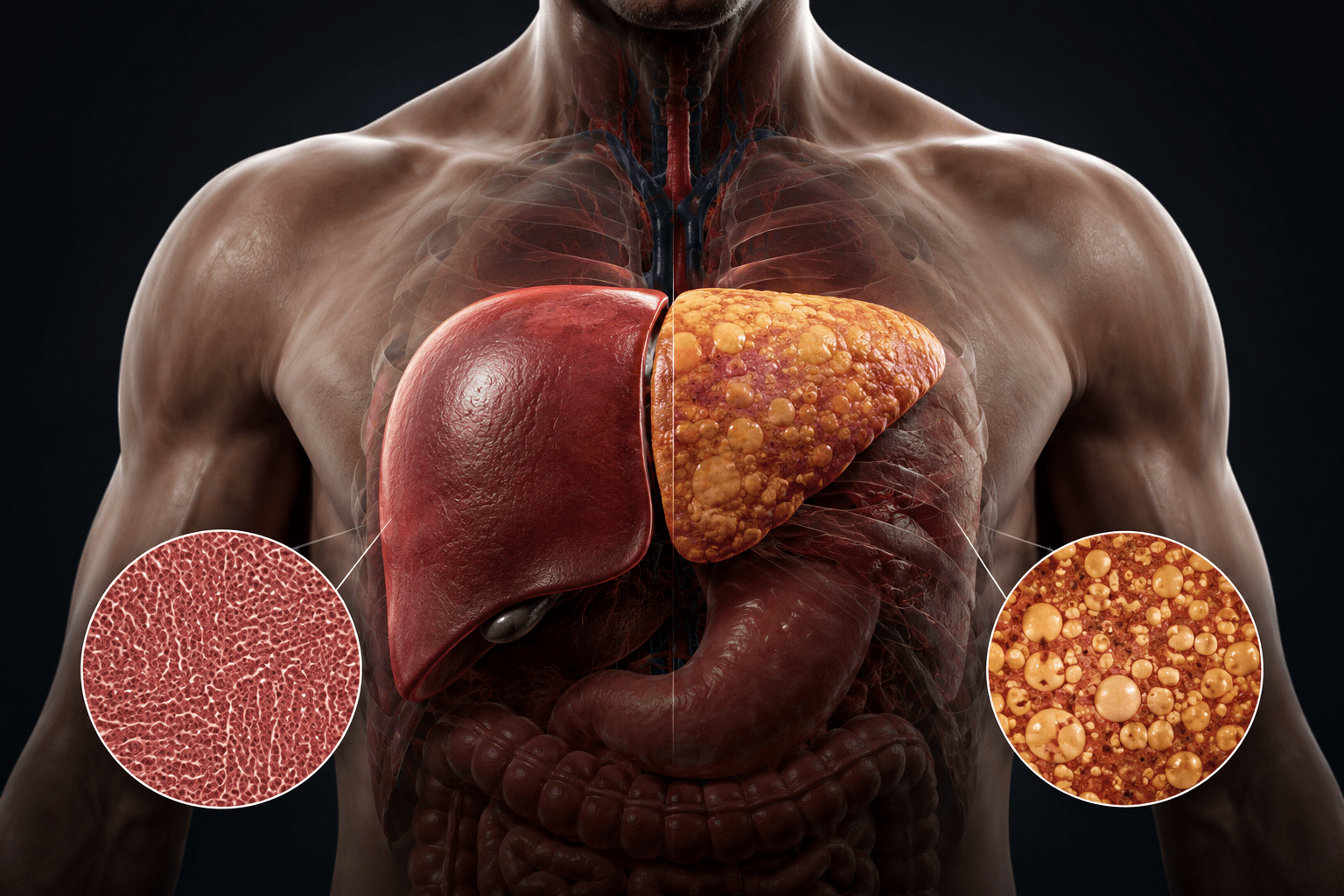
The Best Foods for Fatty Liver and Diabetes: A Comprehensive Guide to Optimal Nutrition
When it comes to managing fatty liver disease and diabetes, the role of diet can’t be overstated. These two conditions affect millions of people worldwide, but with the right nutrients and lifestyle changes, you can take control of your health.
Fatty liver disease is characterized by an accumulation of excess fat in the liver, leading to inflammation and damage over time. Diabetes, on the other hand, affects how our bodies process blood sugar, causing high glucose levels that can harm organs like the kidneys, nerves, and eyes. The connection between diet and these conditions is complex, but research suggests that a balanced diet rich in whole foods may help mitigate the risk of complications.
Why This Topic Matters: Understanding the Link Between Diet and Fatty Liver/Diabetes
The link between diet and fatty liver disease and diabetes is multifaceted. Consuming high amounts of sugar, saturated fats, and sodium can put a strain on our livers and bodies, while nutrient-dense foods like fruits, vegetables, whole grains, and lean proteins provide essential nutrients for optimal health.
By understanding the relationship between diet and these conditions, we can make informed choices about the foods we eat and how they impact our overall well-being. In this article, we’ll explore the best foods for fatty liver and diabetes, highlighting nutrient-dense options that may support blood sugar control, insulin resistance, and liver health.
Scientific Explanations: How Food Affects Blood Sugar Control and Liver Health
When it comes to managing blood sugar levels and supporting liver health, food plays a critical role. Carbohydrates can cause a spike in blood glucose, which may worsen insulin resistance. On the other hand, fiber-rich foods like fruits, vegetables, and whole grains help slow down carbohydrate absorption and promote satiety.
The liver is also vital in detoxifying our bodies and regulating glucose metabolism. When we consume high amounts of sugar, saturated fats, and processed foods, it can put a strain on liver function, leading to inflammation and oxidative stress. By understanding how food affects blood sugar control and liver health, we can make informed choices about the foods we eat.
Practical Lifestyle Tips: Incorporating Fatty Liver-Friendly Foods into Your Diet
So, what are the best foods for fatty liver and diabetes? Here are some nutrient-dense options to consider:
* Leafy greens like spinach, kale, and collard greens provide essential vitamins and minerals
* Berries such as blueberries, strawberries, and raspberries offer antioxidants and fiber
* Fatty fish like salmon, tuna, and mackerel support heart health and omega-3 intake
* Nuts and seeds like almonds, walnuts, and chia seeds provide healthy fats and protein
* Legumes like lentils, chickpeas, and black beans are rich in fiber, protein, and minerals
* Whole grains like brown rice, quinoa, and whole-wheat bread offer complex carbohydrates and fiber
Incorporating these foods into your diet can help support blood sugar control, insulin resistance, and liver health. Aim for a balanced mix of protein, healthy fats, and complex carbohydrates to fuel your body.
Common Mistakes: Avoiding Unhealthy Patterns
When it comes to managing fatty liver and diabetes, avoiding unhealthy patterns is crucial. Here are some common mistakes to watch out for:
* Skipping meals or undereating, leading to low blood sugar
* Consuming high amounts of added sugars, saturated fats, and sodium
* Ignoring portion sizes and eating until full
By being mindful of these pitfalls, you can avoid exacerbating your condition and take proactive steps towards improving overall health.
Benefits: How Fatty Liver-Friendly Foods Can Support Your Health
Incorporating fatty liver-friendly foods into your diet may provide numerous benefits, including:
* Improved blood sugar control and reduced risk of complications
* Enhanced liver function and detoxification
* Reduced inflammation and oxidative stress
* Weight management and improved metabolic health
While these foods alone cannot cure fatty liver disease or diabetes, they can play a vital role in supporting overall health and well-being.
Risks and Considerations: Potential Side Effects of Fatty Liver-Friendly Foods
As with any dietary approach, it’s essential to consider potential side effects when incorporating fatty liver-friendly foods into your diet. Some possible risks include:
* Intolerance or sensitivity to certain foods
* Interactions with medications or underlying health conditions
* Increased risk of kidney stones or other minerals-related issues
Consult with a healthcare professional before making any significant changes to your diet.
Real-Life Examples: Incorporating Fatty Liver-Friendly Foods into Your Daily Routine
Incorporating fatty liver-friendly foods into your daily routine can be easy and delicious. Here are some ideas to get you started:
* Start your day with a spinach omelette or Greek yogurt parfait
* Snack on almonds, berries, and walnuts throughout the day
* Add lentils or chickpeas to soups and salads for added protein and fiber
By making these simple changes, you can take proactive steps towards supporting your liver health and overall well-being.
Conclusion: Empowering Your Journey Towards Optimal Nutrition
Managing fatty liver disease and diabetes requires a holistic approach that incorporates diet, lifestyle, and medical treatment. By incorporating fatty liver-friendly foods into your diet, you can take proactive steps towards improving blood sugar control, insulin resistance, and liver health.
Remember to consult with a healthcare professional before making any significant changes to your diet, and don’t hesitate to reach out if you have questions or concerns.
By empowering yourself with the knowledge of optimal nutrition, you’ll be better equipped to navigate this journey and achieve long-term wellness.
Learn more about managing diabetes with a balanced diet
Diabetes Tips
How to lower blood sugar naturally
Learn how to lower your blood sugar levels with a healthy diet, exercise, and lifestyle changes

Embracing a Natural Approach to Lowering Blood Sugar
The rise in diabetes and insulin resistance has left millions of people worldwide searching for effective ways to manage their condition. While conventional treatments often rely on medication or invasive procedures, there are many natural remedies that can help support blood sugar balance and promote overall wellness.
The Importance of Maintaining Healthy Blood Sugar Levels
Maintaining healthy blood sugar levels is crucial when it comes to diabetes management. High glucose levels can lead to a range of complications, including nerve damage, kidney disease, and even heart disease. Research suggests that even mild hyperglycemia can increase the risk of cardiovascular events by up to 30%. By taking proactive steps to regulate your blood sugar levels, you can significantly reduce your risk of developing these complications.
Understanding How Blood Sugar Affects the Body
Blood sugar, or glucose, is a vital source of energy for our cells. However, when insulin levels become imbalanced, glucose builds up in the bloodstream, leading to elevated blood sugar levels. Insulin sensitivity plays a critical role in regulating blood sugar levels, and even minor improvements can have a significant impact on glucose control.
Natural Remedies for Lowering Blood Sugar
Fortunately, there are many natural remedies that may support blood sugar balance. Here are some of the most promising options:
- Dietary Changes: Eating a balanced diet rich in whole foods, fruits, and vegetables can help regulate blood sugar levels. Incorporating more plant-based protein sources like legumes and nuts may also be beneficial.
- Herbal Supplements: Certain herbs like berberine, cinnamon, and chromium have been shown to possess antidiabetic properties, although more research is needed to confirm their effectiveness.
- Exercise and Physical Activity: Regular exercise can improve insulin sensitivity and help regulate blood sugar levels. Aim for at least 150 minutes of moderate-intensity physical activity per week.
- Stress Management: Chronic stress can raise cortisol levels, which can contribute to elevated blood sugar levels. Practice stress-reducing techniques like meditation or yoga to help manage stress.
Practical Lifestyle Tips for Lowering Blood Sugar
Incorporating these natural remedies into your lifestyle can have a significant impact on blood sugar balance. Here are some practical tips to get you started:
- Drink Plenty of Water: Staying hydrated is essential for maintaining healthy blood sugar levels. Aim for at least eight glasses of water per day.
- Eat More Fiber: A high-fiber diet can help regulate blood sugar levels by slowing the absorption of glucose into the bloodstream.
- Get Enough Sleep: Poor sleep quality and duration can raise cortisol levels, leading to elevated blood sugar levels. Aim for seven to nine hours of sleep per night.
- Limit Processed Foods: Processed foods are often high in added sugars, refined carbohydrates, and unhealthy fats, which can contribute to elevated blood sugar levels.
Mistakes to Avoid on Your Journey to Lower Blood Sugar
Avoid making the following mistakes that can have a negative impact on your blood sugar levels:
- Skipping Meals: Skipping meals or going too long without eating can lead to low blood sugar, while overeating can cause a spike in glucose levels.
- Not Managing Stress: Chronic stress can raise cortisol levels, leading to elevated blood sugar levels. Practice stress-reducing techniques like meditation or yoga to help manage stress.
- Overrelying on Medication: While medication may be necessary in some cases, overrelying on it can mask underlying issues and lead to adverse effects.
The Benefits of Lowering Blood Sugar Naturally
Lowering blood sugar naturally can have a range of benefits, including:
- Improved Insulin Sensitivity: Improving insulin sensitivity can reduce the risk of developing type 2 diabetes and metabolic syndrome.
- Reduced Risk of Complications: Maintaining healthy blood sugar levels can reduce the risk of complications like nerve damage, kidney disease, and heart disease.
- Increased Energy and Mental Clarity: Lowering blood sugar levels can increase energy levels and improve mental clarity, reducing fatigue and brain fog.
Risks and Considerations
Naturally lowering blood sugar levels may not be suitable for everyone. Certain individuals should consult with their healthcare provider before making any changes to their lifestyle or supplement routine, including:
- Pregnant or Breastfeeding Women: Pregnant or breastfeeding women should consult with their healthcare provider before taking any new supplements.
- People with Diabetes Medication: Individuals who are currently taking diabetes medication should not stop taking it without consulting with their healthcare provider.
- Those with Underlying Medical Conditions: Certain underlying medical conditions, such as kidney disease or liver disease, may require special consideration when trying to lower blood sugar levels naturally.
A Real-Life Example: Lowering Blood Sugar Naturally through Diet and Exercise
Meet Sarah, a 35-year-old marketing professional who was diagnosed with prediabetes. Sarah made the following changes to her lifestyle:
- Switched to Plant-Based Protein Sources: Sarah started incorporating more plant-based protein sources like legumes and nuts into her diet.
- Incorporated More Fiber-Rich Foods: Sarah added more fiber-rich foods like fruits, vegetables, and whole grains to her diet.
- Started Walking Daily: Sarah started walking for at least 30 minutes per day, three times a week.
- Drinking Plenty of Water: Sarah made sure to drink plenty of water throughout the day.
After making these changes, Sarah noticed significant improvements in her blood sugar levels and overall energy levels. She was able to lose weight, improve her mental clarity, and reduce her risk of developing type 2 diabetes.
The Power of Lowering Blood Sugar Naturally
Lowering blood sugar naturally is a holistic approach that requires patience, dedication, and the right lifestyle habits. By incorporating natural remedies like dietary changes, herbal supplements, exercise, and stress management into your daily routine, you can support healthy blood sugar levels and promote overall wellness.
Start your journey towards lower blood sugar naturally today by incorporating these simple yet effective tips into your daily routine:
- Develop a Healthy Habits Routine: Create a daily routine that includes healthy habits like exercise, meditation, and journaling.
- Eat More Fiber-Rich Foods: Incorporate more fiber-rich foods into your diet to help regulate blood sugar levels.
- Get Enough Sleep: Aim for seven to nine hours of sleep per night to help manage stress and promote overall health.
Join the movement towards lower blood sugar naturally and start your journey today!
Frequently Asked Questions
What are some natural remedies that can help regulate blood sugar levels?
Certain herbs like berberine, cinnamon, and chromium have been shown to possess antidiabetic properties
How much exercise is needed to improve insulin sensitivity and lower blood sugar levels?
At least 150 minutes of moderate-intensity physical activity per week
Can drinking plenty of water help manage blood sugar levels?
Yes, staying hydrated is essential for maintaining healthy blood sugar levels
What should I avoid doing on my journey to lower blood sugar naturally?
Skipping meals or going too long without eating can lead to low blood sugar, while overeating can cause a spike in glucose levels
Are there any risks associated with lowering blood sugar levels naturally for certain individuals?
Yes, pregnant or breastfeeding women, people with diabetes medication, and those with underlying medical conditions should consult their healthcare provider before making changes to their lifestyle or supplement routine
Diabetes Tips
Why blood sugar spikes after breakfast
Discover the reasons why your blood sugar levels spike after breakfast and learn how to stabilize them for a healthier you.
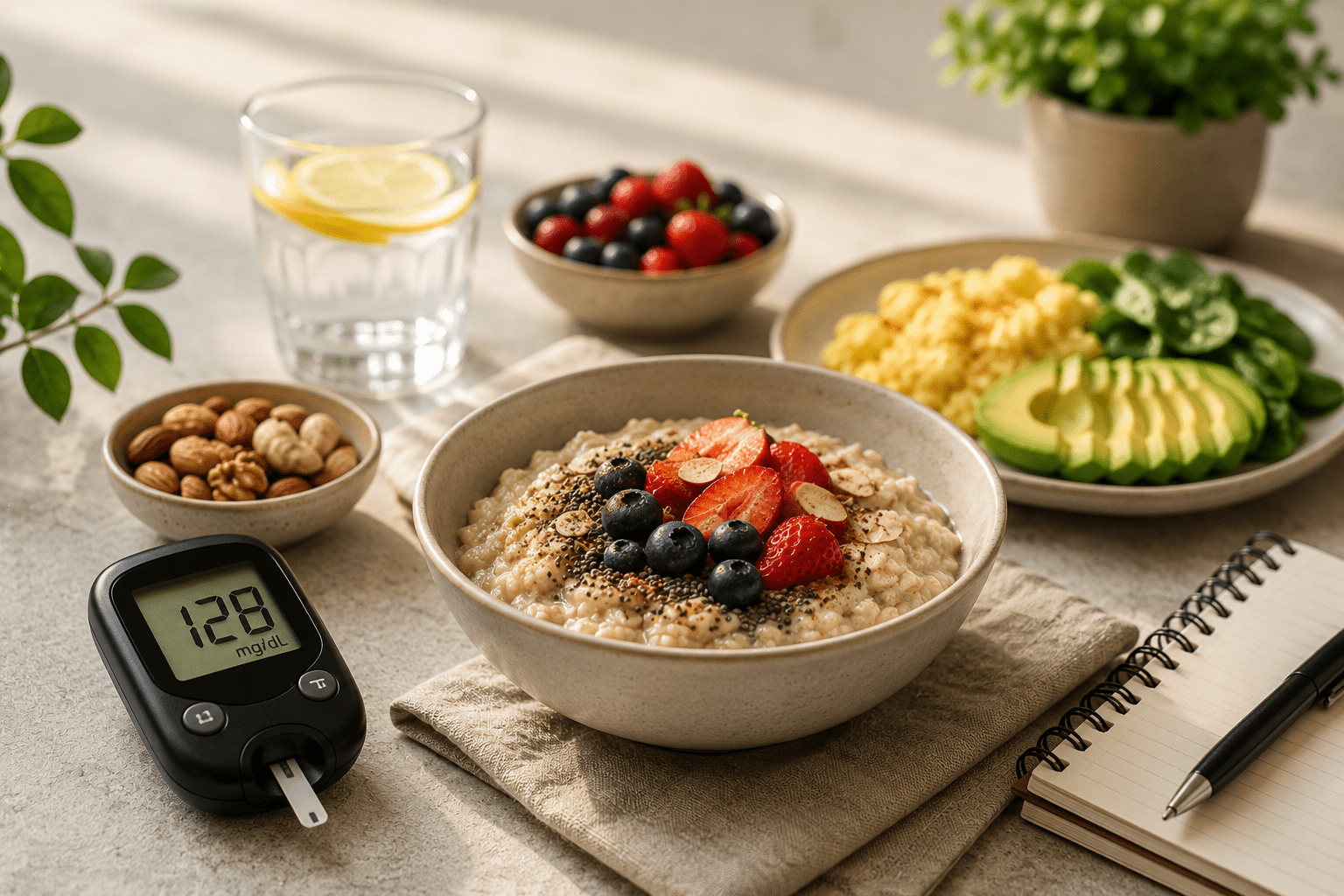
Blood Sugar Spikes After Breakfast: Understanding the Risks and Taking Control
If you’re living with diabetes or at risk of developing it, breakfast can be a daunting meal to navigate. While it’s often seen as the most important meal of the day, the reality is that choosing the right foods can make all the difference in managing blood sugar levels.
The Importance of Managing Morning Blood Sugar
Imagine sipping your morning coffee, enjoying a nutritious breakfast, and starting your day off on the right foot. However, for many individuals with diabetes or those who are at risk of developing the condition, this simple pleasure can be a minefield of carbs, added sugars, and hidden pitfalls.
Consuming high-carbohydrate or high-glycemic index foods after breakfast can lead to blood sugar spikes, causing discomfort, fatigue, and even increasing the risk of complications. But what’s behind these spikes, and how can you take control?
The Science Behind Blood Sugar Spikes
When you eat a meal, your body responds by releasing insulin, a hormone produced by the pancreas that plays a crucial role in regulating blood sugar levels. Insulin helps facilitate the uptake of glucose into cells, but when you consume foods high on the glycemic index (GI), such as white bread, sugary cereals, or sweetened yogurts, your body releases more insulin than necessary.
This excessive insulin release can lead to several problems, including:
* **Insulin resistance**: Prolonged exposure to high levels of insulin can make it difficult for cells to respond to insulin, leading to insulin resistance.
* **Pancreatic exhaustion**: The pancreas can become exhausted from producing excess insulin, which can further exacerbate the condition.
Practical Tips for Managing Morning Blood Sugar
Fortunately, there are several strategies you can use to manage blood sugar spikes after breakfast:
1. **Choose complex carbohydrates**: Opt for whole grain cereals, fruits, or vegetables that contain complex carbohydrates, which release glucose slowly and don’t cause a sudden spike in blood sugar levels.
2. **Incorporate protein and healthy fats**: Adding protein and healthy fats to your breakfast can help slow down the digestion of carbohydrates and reduce the overall glycemic impact.
3. **Limit added sugars**: Avoid sugary cereals, yogurts, or sweetened beverages that can cause a rapid spike in blood sugar levels.
4. **Stay hydrated**: Drinking plenty of water throughout the day can help keep your blood sugar levels stable and prevent dehydration.
Common Mistakes to Avoid
While managing morning blood sugar levels can be challenging, there are several common mistakes you may want to avoid:
* **Not accounting for portion sizes**: Consuming large portions of high-carbohydrate foods can lead to a rapid spike in blood sugar levels.
* **Ignoring food labels**: Not reading food labels or being aware of the glycemic index of your breakfast foods can make it difficult to manage blood sugar levels.
* Using processed meats: Processed meats are high in sodium and preservatives, which can contribute to increased blood pressure.
Frequently Asked Questions
What is a glycemic index, and how does it affect blood sugar levels after breakfast?
The glycemic index (GI) measures the impact of carbohydrates on blood sugar levels. Foods high in GI, such as white bread or sugary cereals, cause a rapid spike in blood sugar levels.
Can I still manage my blood sugar after breakfast if I have diabetes?
Yes, with careful planning and attention to portion sizes, dietary choices, and lifestyle habits, individuals with diabetes can effectively manage their blood sugar levels throughout the day.
What are some good sources of complex carbohydrates for breakfast that won’t cause a spike in blood sugar?
Good options include whole grain cereals, fruits, and vegetables like berries, spinach, or sweet potatoes.
Can I still get enough protein and healthy fats at breakfast to manage my blood sugar levels?
Yes, adding protein and healthy fats like nuts, seeds, avocado, or eggs to your breakfast can help slow down the digestion of carbohydrates and reduce glycemic impact.
How much water should I drink throughout the day to keep my blood sugar levels stable?
Drinking at least eight glasses of water a day can help prevent dehydration, which can contribute to blood sugar imbalances and related health issues.


Berberine as a metformin alternative

Best foods for fatty liver and diabetes

The truth about artificial sweeteners

Houseplant Leaves – A Traditional Ally for Stable Blood Sugar

Hibiscus Tea and Diabetes: A Natural Ally for Blood Sugar Control

7-Day Diabetes Meal Plan for Beginners
-
 Herbal Remedies2 years ago
Houseplant Leaves – A Traditional Ally for Stable Blood Sugar
-
 Diabetes Tips2 years ago
Hibiscus Tea and Diabetes: A Natural Ally for Blood Sugar Control
-
 Diabetes Tips2 years ago
7-Day Diabetes Meal Plan for Beginners
-
 Meal Plans2 years ago
The Lazy 3-Day Diabetic Meal Plan That Keeps Your Blood Sugar Happy
-

 Herbal Remedies2 years ago
Mulberry Leaf Extract: A Natural Solution for Managing Blood Sugar
-

 Diabetes Tips2 years ago
Structured Meal Planning for Type 2 Diabetes: A Scientific Approach
-

 Herbal Remedies2 years ago
Mulberry Leaves and Blood Sugar: Natural Block for Glucose Absorption
-

 Herbal Remedies2 years ago
Bay Leaf and Diabetes : Natural Support for Blood Sugar