
Herbal Remedies
Which Plant Has the Most Fiber ?


Which Plant Has the Most Fiber: Beans, Chickpeas, Peas, Green Beans, or Bitter Lentils?
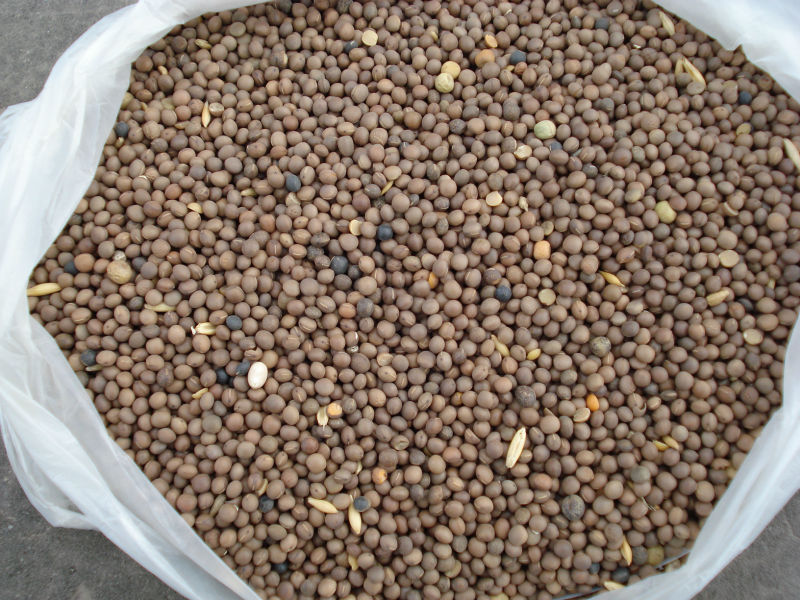
Dietary fiber plays a critical role in managing blood sugar levels, improving digestion, supporting weight loss, and protecting heart health—especially for individuals with type 2 diabetes. But which common plant-based food offers the most fiber per serving? In this deep-dive analysis, we compare beans, chickpeas, peas, green beans, and bitter lentils (also known as Vicia ervilia or bitter vetch), all excellent sources of fiber and protein.
This article provides a science-backed comparison of their nutritional values, health benefits, glycemic impacts, and specific recommendations for people managing diabetes.
Understanding Dietary Fiber and Its Role in Diabetes
There are two types of dietary fiber:
- Soluble fiber dissolves in water and helps lower blood glucose and cholesterol.
- Insoluble fiber adds bulk to stool and supports healthy digestion and bowel regularity.
For people with diabetes, soluble fiber is particularly helpful because it slows the absorption of sugar, which helps prevent blood sugar spikes after meals. It also supports satiety, reducing cravings and aiding weight management, both crucial for glycemic control.
Fiber Content Comparison (Per 100 grams, Cooked)
| Food | Total Fiber (g) | Soluble Fiber | Insoluble Fiber | Glycemic Index (GI) |
|---|---|---|---|---|
| Beans (Kidney/Black/Pinto) | 7.5 – 9.0 | ~3.0g | ~5.0g | 29-38 (Low) |
| Chickpeas | 7.6 | ~2.9g | ~4.7g | 28-36 (Low) |
| Peas (Green) | 5.1 | ~1.8g | ~3.3g | 48-51 (Moderate) |
| Green Beans | 3.4 | ~1.2g | ~2.2g | 30-40 (Low) |
| Bitter Lentils (Vicia ervilia) | ~11.0 – 13.5 | ~4.5g | ~8.5g | ~28 (Low) |
Winner: Bitter Lentils (Vicia ervilia) contain the highest fiber content per 100g cooked, followed by common beans and chickpeas.
Health Benefits of Each Fiber-Rich Food
1. Beans (Kidney, Pinto, Black)
- Rich in both protein and fiber.
- Linked to lower LDL cholesterol and better blood pressure.
- Help reduce A1C levels in type 2 diabetics over 3+ months (clinical study).
2. Chickpeas
- Excellent for blood sugar control due to slow-digesting carbs.
- Boosts insulin sensitivity.
- High in magnesium and folate.
3. Peas
- Lower in calories and high in fiber.
- Support eye health due to lutein content.
- Best when consumed fresh or lightly cooked.
4. Green Beans
- Lower in fiber but extremely low in calories.
- Great for portion control and volume eating.
- Can be part of low-carb diabetic-friendly meals.
5. Bitter Lentils (Vicia ervilia)
- Traditionally used in the Mediterranean diet.
- Exceptionally high in both soluble and insoluble fiber.
- Early animal studies suggest blood sugar stabilization.
- Must be properly prepared to remove bitter alkaloids.
Clinical Studies & Statistics
- A meta-analysis of 41 randomized trials (published in the Archives of Internal Medicine) showed that increasing legume intake by just 1 cup daily can reduce A1C by 0.5%.
- According to the American Diabetes Association, diets rich in fiber reduce all-cause mortality by 22%.
- Each additional 10g of fiber daily is associated with a 9% lower risk of developing type 2 diabetes (European Journal of Clinical Nutrition).
Recipes for Diabetics
Simple Chickpea Salad
- 1 cup cooked chickpeas
- 1 tbsp olive oil
- Chopped cucumber, tomato, and parsley
- Lemon juice, salt, pepper to taste
High-Fiber Lentil Soup (Vicia ervilia version)
- 1 cup bitter lentils (pre-soaked & rinsed thoroughly)
- 1 chopped onion and 2 garlic cloves
- 1 carrot, 1 celery stalk, herbs
- 4 cups water or vegetable broth
- Simmer 30–40 minutes. Blend slightly for creamy texture.
Testimonials
“Switching from white rice to chickpeas helped me lower my blood sugar by 20 points in two weeks. I feel fuller and more energized!” – Emily R., Texas
“I never knew bitter lentils had so much fiber. They’ve become a staple in my diabetic meal plan.” – George K., New York
Fun Facts
- Bitter lentils (Vicia ervilia) are one of the oldest cultivated legumes, dating back 10,000 years.
- Beans were considered sacred in ancient Egypt due to their nutritional density.
- Chickpeas are the base of hummus, a low-GI food with great satiety effects.
Conclusion: Which to Choose?
If you’re managing diabetes, incorporating high-fiber legumes can significantly improve your blood sugar profile, lipid panel, and digestive health. While all the foods mentioned are excellent, bitter lentils take the lead in fiber content. However, availability and taste may make chickpeas and beans more practical daily choices.
Balance and variety are key—try rotating them in your meals throughout the week. Your gut and blood sugar will thank you.
Want more meal ideas and diabetic tips? Visit LazyHabit.com daily!












How Coffee Affects Blood Sugar: A Comprehensive Guide for Wellness Enthusiasts
Imagine sipping your morning coffee while your body works to maintain stable energy levels. For millions of people, coffee isn’t just a morning ritual—it’s a daily ritual that can significantly impact blood sugar levels. Whether you’re managing diabetes, aiming for weight management, or simply curious about your metabolic health, understanding how coffee interacts with your blood sugar is essential. In this article, we’ll break down the science, practical tips, and real-world examples to help you make informed choices about your coffee habits.
Why This Topic Matters: Blood Sugar and Your Overall Health
Blood sugar, or glucose, is the primary source of energy for your body’s cells. However, when levels spike too high or drop too low, it can lead to serious health consequences. For people with diabetes, maintaining stable blood sugar is a daily challenge, while others may be at risk for insulin resistance or metabolic syndrome. Coffee, a staple in many diets, has a unique relationship with glucose metabolism. Its impact can be both beneficial and complex, depending on factors like preparation method, individual biology, and overall lifestyle.
Understanding how coffee affects blood sugar isn’t just about avoiding spikes—it’s about optimizing your energy, mood, and long-term health. Whether you’re a coffee lover or someone exploring healthier drink options, this guide will help you navigate the science and practical strategies behind coffee’s role in blood sugar management.
The Science Behind Coffee and Blood Sugar: What You Need to Know
Research suggests that coffee can influence blood sugar levels in several ways, often depending on the type of coffee, brewing method, and individual sensitivity. Here’s a breakdown of the key factors:
Caffeine’s Role in Glucose Metabolism
Caffeine, the most well-known compound in coffee, can temporarily affect insulin sensitivity. Studies show that caffeine may reduce insulin sensitivity in some people, potentially leading to glucose spikes after meals. However, this effect varies widely—some individuals may experience no significant change, while others may notice a more pronounced impact. The American Diabetes Association notes that caffeine can contribute to short-term blood sugar fluctuations, especially in those with pre-existing insulin resistance.
Antioxidants and Anti-Inflammatory Effects
Black coffee is rich in antioxidants like chlorogenic acid, which may help support glucose metabolism and reduce inflammation linked to metabolic disorders. These compounds are associated with improved insulin sensitivity in some studies, though more research is needed to confirm long-term benefits.
Brewing Methods and Sugar Content
The way you prepare your coffee can significantly affect its impact on blood sugar. For example:
- Black coffee (without added sugar or cream) has minimal impact on blood sugar.
- Espresso and latte drinks often contain added sugars or milk, which can cause spikes.
- Cold brew is lower in acidity and may be easier on blood sugar than traditional coffee.
Choosing the right brewing method and avoiding sugary additives is a simple yet effective way to support diabetes nutrition and manage glucose spikes.
Practical Tips for Managing Blood Sugar with Coffee
If you enjoy coffee but want to minimize its impact on blood sugar, consider these actionable strategies:
1. Opt for Low-Acid or Cold Brew Variants
Low-acid coffee or cold brew can be gentler on blood sugar than traditional dark roast or espresso. These options are also less likely to cause digestive discomfort, which can indirectly affect glucose levels.
2. Pair with Protein or Healthy Fats
Consuming coffee with a small portion of protein or healthy fats (like nuts, avocado, or Greek yogurt) can help slow glucose absorption and stabilize energy levels. For example, pairing black coffee with a handful of almonds may reduce post-meal blood sugar spikes.
3. Monitor Timing and Portion Sizes
Drinking coffee on an empty stomach may lead to glucose spikes, especially if you’re sensitive to caffeine. Aim to consume coffee with a balanced meal or snack. Additionally, limit yourself to 3–4 cups per day to avoid overconsumption, which can disrupt hormonal balance and metabolic health.
4. Stay Hydrated
Coffee is a diuretic, so it’s essential to drink plenty of water throughout the day. Dehydration can lead to concentrated blood sugar levels, making it harder for your body to regulate glucose effectively.
5. Explore Alternatives
If you’re concerned about blood sugar, consider alternatives like herbal teas (e.g., green tea or chamomile) or unsweetened almond milk-based coffee drinks. These options can provide similar flavor profiles without the potential for glucose spikes.
Common Mistakes to Avoid with Coffee and Blood Sugar
Even with good intentions, many people make mistakes when it comes to coffee and blood sugar management. Here are a few to watch out for:
- Ignoring Individual Sensitivity: Not everyone reacts the same to caffeine. What works for one person may not for another. Always monitor how your body responds.
- Drinking Coffee on an Empty Stomach: Drinking coffee on an empty stomach may cause glucose spikes or digestive discomfort. It’s best to pair it with a small snack or meal for optimal blood sugar control.
- Overconsuming Caffeine: Limiting yourself to 3–4 cups per day can help avoid disrupting hormonal balance and metabolic health.
If you’re unsure about your coffee habits, consider tracking your blood sugar levels or consulting a dietitian for tailored advice.
Real-Life Examples: Coffee in a Diabetes-Friendly Lifestyle
Let’s look at how coffee can fit into a real-world diabetes-friendly routine:
Example 1: Sarah, a 45-year-old with type 2 diabetes, drinks black coffee with a slice of lemon in the morning. She pairs it with a protein-rich breakfast, like eggs and spinach, to stabilize her blood sugar. She avoids sugary drinks and uses meal plans to ensure balanced nutrition throughout the day.
Example 2: Mark, a 30-year-old with prediabetes, switches to cold brew coffee and uses a diabetes-friendly meal plan that includes healthy fats and fiber. He monitors his blood sugar levels and adjusts his coffee intake based on how he feels.
These examples show that coffee can be part of a healthy lifestyle when approached with intention and awareness.
FAQ: Coffee and Blood Sugar Frequently Asked Questions
1. Can Coffee Cause Diabetes?
Research suggests that excessive coffee consumption may increase the risk of type 2 diabetes in some individuals, but moderate intake (3–4 cups per day) is not directly linked to diabetes. Always consult your healthcare provider for personalized advice.
2. Is Coffee Good for Blood Sugar Control?
Coffee can support blood sugar control when consumed in moderation and paired with healthy habits. However, it’s essential to avoid sugary additives and monitor individual responses.
3. How Does Caffeine Affect Insulin Resistance?
Caffeine may reduce insulin sensitivity in some people, potentially leading to glucose spikes. This effect varies widely, so it’s essential to monitor how your body responds.
4. Can I Drink Coffee on an Empty Stomach?
Drinking coffee on an empty stomach may cause glucose spikes or digestive discomfort. It’s best to pair it with a small snack or meal for optimal blood sugar control.
5. Does Coffee Help with Weight Loss?
While coffee may boost metabolism, it’s not a magic solution for weight loss. A balanced diet and regular exercise are essential for managing blood sugar and weight.
Conclusion: Coffee as Part of a Balanced Lifestyle
Coffee can be a valuable part of a healthy lifestyle when consumed mindfully. By choosing the right brewing methods, avoiding sugary additives, and pairing it with balanced meals, you can support blood sugar control and enhance overall wellness. Always prioritize personalized approaches to health, and consult healthcare professionals if you have specific concerns.
With the right strategies, coffee can be enjoyed without compromising your metabolic health. Whether you’re sipping on black coffee or exploring healthy habits, the key is to stay informed and make choices that align with your goals.
Healthy Habits | Diabetes Tips | Meal Plans© 2023 LazyHabit. All rights reserved.
Frequently Asked Questions
Can Coffee Cause Diabetes?
Research suggests that excessive coffee consumption may increase the risk of type 2 diabetes in some individuals, but moderate intake (3–4 cups per day) is not directly linked to diabetes. Always consult your healthcare provider for personalized advice.
Is Coffee Good for Blood Sugar Control?
Coffee can support blood sugar control when consumed in moderation and paired with healthy habits. However, it’s essential to avoid sugary additives and monitor individual responses.
How Does Caffeine Affect Insulin Resistance?
Caffeine may reduce insulin sensitivity in some people, potentially leading to glucose spikes. This effect varies widely, so it’s essential to monitor how your body responds.
Can I Drink Coffee on an Empty Stomach?
Drinking coffee on an empty stomach may cause glucose spikes or digestive discomfort. It’s best to pair it with a small snack or meal for optimal blood sugar control.
Does Coffee Help with Weight Loss?
While coffee may boost metabolism, it’s not a magic solution for weight loss. A balanced diet and regular exercise are essential for managing blood sugar and weight.

Can Lemon Water Help Lower Your Blood Sugar?
Imagine starting your day with a simple, refreshing drink that could potentially support your health in more ways than you think. For many of us, incorporating healthy habits into our daily routine is key to achieving overall wellness. But have you ever wondered if lemon water can be a valuable addition to your diabetes management plan? In this article, we’ll explore the science behind this popular beverage and its potential benefits for blood sugar control.
A Refreshing Approach to Blood Sugar Management
For individuals managing insulin sensitivity or living with diabetes, small changes in daily habits can make a significant impact. Lemon water is often touted as a natural drink that supports blood sugar control. But does the science back these claims? Understanding how lemon water interacts with your body’s metabolic processes can help you make informed choices about your healthy hydration routine.
The Science Behind Lemon Water and Blood Sugar
Lemons are rich in vitamin C, antioxidants, and citric acid, all of which contribute to their reputation as a healthy hydration option. Research suggests that the compounds in lemon juice may influence glucose metabolism in several ways:
- Antioxidant support: Lemon juice contains antioxidants that may reduce oxidative stress, a factor linked to insulin resistance.
- Citric acid and digestion: Citric acid may aid digestion and support the body’s ability to process carbohydrates efficiently.
- Vitamin C and glucose regulation: Some studies indicate that vitamin C may improve insulin sensitivity, though more research is needed to confirm its role in blood sugar control.
While these findings are promising, it’s essential to note that lemon water is not a substitute for medical treatment. Diabetes drinks like lemon water should be viewed as part of a broader strategy that includes balanced meals, physical activity, and professional guidance.
Practical Tips for Incorporating Lemon Water into Your Routine
If you’re interested in trying lemon water as a glucose support tool, here are some actionable tips to get started:
- Start with a squeeze: Add the juice of one lemon to a glass of water. This is a simple way to incorporate the benefits without overdoing it.
- Timing matters: Drink lemon water in the morning or before meals to potentially support blood sugar control throughout the day.
- Pair with healthy habits: Combine lemon water with a meal plan that includes whole foods, lean proteins, and fiber-rich vegetables for optimal insulin sensitivity.
- Stay consistent: Regularly sipping lemon water can be a gentle reminder to prioritize healthy hydration and mindful eating.
Remember, consistency is key. Even small, sustainable changes like adding lemon water to your routine can contribute to long-term wellness goals.
Risks and Considerations
While lemon water is generally safe, there are a few risks to consider:
- Acid reflux: The acidity of lemon juice may exacerbate symptoms in individuals with acid reflux or GERD.
- Allergic reactions: Rarely, people may experience an allergic reaction to lemons, including symptoms like hives or swelling.
- Interactions with medication: Lemon juice may interfere with the absorption of certain medications, such as blood thinners. Always consult your healthcare provider if you’re on medication.
If you experience any adverse effects, it’s best to discontinue use and seek professional advice.
Frequently Asked Questions
Can lemon water replace medication for diabetes?
No. While lemon water may support blood sugar control, it should never replace prescribed medication. Always consult a healthcare provider for personalized advice.
Is lemon water safe for people with diabetes?
Yes, in moderation. Lemon water is low in calories and sugar, making it a diabetes-friendly option. However, individual responses can vary, so it’s best to consult a healthcare provider.
How much lemon water should I drink daily?
Experts recommend 1-2 glasses per day. Drinking more than that may lead to digestive issues or tooth enamel erosion.
Does lemon water help with weight loss?
While lemon water is low in calories, there’s no direct evidence that it causes weight loss. However, it can be a helpful addition to a meal plan that supports weight management strategies.
The Benefits of Lemon Water Beyond Blood Sugar
Even if lemon water doesn’t directly lower blood sugar, its benefits extend to other aspects of healthy hydration and wellness:
- Hydration support: Water is essential for maintaining bodily functions, and lemon water adds a refreshing twist to keep you hydrated.
- Digestive health: The acidity of lemon juice may stimulate digestion and support gut health.
- Detoxification support: Some believe that lemon water aids in detoxifying the body, though this claim requires further scientific validation.
- Weight management: As a low-calorie drink, lemon water can be a helpful addition to weight management strategies.
These benefits highlight why lemon water is a popular choice for those seeking natural drinks that support overall wellness.
The Bottom Line
Can lemon water help lower your blood sugar? While the evidence is promising, it’s clear that lemon water is not a magic bullet. Its potential role in blood sugar control is part of a larger picture that includes diet, exercise, and professional guidance. By incorporating lemon water into your healthy hydration routine, you’re taking a step toward a more balanced, diabetes-friendly lifestyle.
Remember, the journey to wellness is about making small, sustainable choices. Whether you’re looking to support insulin sensitivity, manage glucose levels, or simply enjoy a refreshing drink, lemon water can be a valuable addition to your wellness toolkit. Stay informed, stay consistent, and prioritize healthy hydration for long-term vitality.
Start your wellness journey today by adding a splash of lemon to your water. Explore our Healthy Habits section for more tips on building sustainable routines. For personalized guidance, check out our Diabetes Tips and Meal Plans to create a balanced approach to blood sugar control and overall health.
Discover how lemon water may support blood sugar control and healthy hydration for a diabetes-friendly lifestyle.

Top 10 Herbs for Insulin Resistance: Natural Remedies for Blood Sugar Support
Insulin resistance is a silent but significant contributor to metabolic disorders, including type 2 diabetes. While lifestyle changes like diet and exercise remain foundational, many people are turning to herbs for diabetes and natural remedies to support their journey toward better blood sugar management. These healthy herbs have been studied for their potential to glucose support and blood sugar herbs that may help regulate insulin sensitivity. In this article, we’ll explore the science behind these herbal medicine options, how they fit into a diabetes management plan, and practical tips for incorporating them into your wellness routine.
Why Insulin Resistance Matters: A Modern Wellness Challenge
Insulin resistance occurs when the body’s cells become less responsive to insulin, leading to elevated blood sugar levels. Over time, this condition can increase the risk of chronic diseases like diabetes, heart disease, and metabolic syndrome. While pharmaceutical interventions are often necessary, many individuals seek herbs for diabetes as a complementary approach. These natural remedies are particularly appealing for those looking to integrate healthy herbs into a holistic wellness strategy.
Research suggests that certain herbs may support blood sugar control by improving insulin sensitivity, reducing inflammation, or enhancing glucose metabolism. However, it’s important to note that these herbal medicine options should not replace medical advice or treatment. Instead, they can be part of a broader diabetes management plan that includes a balanced diet, regular physical activity, and professional guidance.
The Science Behind Blood Sugar-Supporting Herbs
Herbs have been used for centuries to support metabolic health, and modern science is beginning to validate many of these traditional uses. Below, we break down the mechanisms behind some of the most promising herbs for insulin resistance and how they may contribute to better blood sugar regulation.
1. Cinnamon: A Spiced-Up Solution
Cinnamon is one of the most well-researched herbs for diabetes. Studies suggest that its polyphenols may improve insulin sensitivity by enhancing glucose uptake in muscle cells. Additionally, cinnamon’s antioxidant properties may help reduce oxidative stress, a factor linked to insulin resistance. To incorporate cinnamon into your routine, consider adding a teaspoon to your morning oatmeal or mixing it into a warm herbal tea.
2. Turmeric: The Golden Anti-Inflammatory
Turmeric’s active compound, curcumin, is known for its anti-inflammatory and antioxidant effects. Research indicates that curcumin may improve insulin signaling and reduce inflammation in fat tissue, which is often associated with insulin resistance. For best results, pair turmeric with black pepper (which enhances absorption) and use it in meals like curries or smoothies.
3. Chromium: The Mineral That Supports Metabolism
Although not a herb, chromium is a mineral that plays a role in glucose metabolism. Some studies suggest that chromium supplementation may improve insulin sensitivity, particularly in individuals with type 2 diabetes. However, it’s important to consult a healthcare provider before adding chromium to your regimen, as it can interact with certain medications.
4. Green Tea: A Bitter Brew for Better Blood Sugar
Green tea contains catechins, which have been shown to enhance insulin sensitivity and reduce glucose absorption in the intestines. Regular consumption of green tea may also support weight management, a key factor in improving insulin resistance. Aim for 2–3 cups per day, and consider pairing it with a meal plan that includes fiber-rich foods.
5. Garlic: A Pungent Powerhouse
Garlic contains sulfur compounds that may improve insulin sensitivity and reduce blood sugar levels. It also supports cardiovascular health, which is crucial for people with insulin resistance. Incorporate garlic into your meals by adding it to stir-fries, soups, or roasted vegetables.
6. Bitter Melon: A Tropical Twist on Blood Sugar Control
Bitter melon is a vegetable with herb-like properties that may help regulate blood sugar. Compounds like charantin and polypeptide-P in bitter melon have been shown to mimic insulin’s effects, improving glucose uptake in cells. However, its strong taste means it’s often used in small amounts, such as in smoothies or as a supplement.
7. Alpha-Lipoic Acid: The Antioxidant That May Fight Insulin Resistance
Alpha-lipoic acid (ALA) is an antioxidant that may improve insulin sensitivity by reducing oxidative stress. It’s also known for its potential to protect nerve cells, which is beneficial for people with diabetes. ALA is available in supplement form, but it’s best to discuss dosages with a healthcare provider.
8. Chamomile: A Calming Herb for Metabolic Health
Chamomile tea has been linked to improved insulin sensitivity and reduced inflammation. Its calming effects may also help manage stress, which is a known contributor to insulin resistance. Enjoy a cup of chamomile in the evening to support both your mental and metabolic well-being.
9. Gymnema Sylvestre: The “Sugar Destroyer”
Gymnema sylvestre, an herb used in Ayurvedic medicine, is known for its ability to reduce sugar cravings and improve glucose metabolism. Studies suggest it may block sugar absorption in the intestines and enhance insulin production. Look for supplements or include it in a healthy habits routine that prioritizes whole foods.
10. Sage: A Herb with a Sweet Impact
Sage has been shown to improve insulin sensitivity and reduce blood sugar levels in animal studies. While human research is limited, its anti-inflammatory properties may support metabolic health. Use sage in teas, salads, or as a seasoning for roasted vegetables.
How to Use These Herbs: Practical Tips for Daily Life
Incorporating these herbs for insulin resistance into your routine can be simple and effective. Here are some practical strategies:
- Start small: Begin with one or two herbs, such as cinnamon or green tea, to avoid overwhelm.
- Pair with meals: Use herbs like turmeric, garlic, and bitter melon in your cooking to enhance flavor and nutrition.
- Try herbal teas: Chamomile, sage, and green tea are easy to incorporate into a daily meal plan.
- Consult a professional: Always discuss herbal supplements with your healthcare provider, especially if you’re on medication.
Common Mistakes to Avoid with Herbal Remedies
While herbs can be beneficial, it’s important to avoid common pitfalls:
- Overuse: Excessive consumption of certain herbs, like bitter melon or garlic, can lead to side effects.
- Ignoring interactions: Some herbs may interact with diabetes medications, so always check with a healthcare provider.
- Replacing medical care: Herbs should complement, not replace, professional medical advice and treatment.
Benefits of a Holistic Approach to Insulin Resistance
Using herbs for diabetes as part of a holistic wellness plan can offer numerous benefits:
- Improved insulin sensitivity: Many herbs may help the body respond better to insulin.
- Reduced inflammation: Anti-inflammatory herbs like turmeric and chamomile can support metabolic health.
- Enhanced lifestyle integration: Herbs can make healthy habits more enjoyable and sustainable.
Risks and Considerations
While these natural remedies are generally safe, there are some risks to be aware of:
- Quality and purity: Choose reputable brands to avoid contaminants or incorrect dosages.
- Allergies or sensitivities: Some herbs may cause allergic reactions, so start with small amounts.
- Pregnancy and breastfeeding: Certain herbs may not be safe during pregnancy or while nursing.
Real-Life Examples: How Herbs Fit into Daily Wellness
Consider Sarah, a 45-year-old woman managing insulin resistance through lifestyle changes. She incorporates cinnamon into her morning oatmeal, drinks green tea with meals, and uses turmeric in her stir-fries. By pairing these herbs for diabetes with a healthy habits routine, she’s seen gradual improvements in her blood sugar levels and overall energy.
Similarly, Mark, a 50-year-old man, uses chamomile tea in the evening to support his metabolic health and reduce stress. He also includes bitter melon in his salads, which he learned about through a diabetes tips blog. These small changes have helped him maintain better control over his condition.
FAQ: Your Burning Questions About Herbs for Insulin Resistance
Which herbs are best for insulin resistance?
Herbs like cinnamon, turmeric, and green tea are among the most researched for supporting insulin sensitivity. However, individual responses vary, so it’s best to consult a healthcare provider before starting any regimen.
Can herbs replace medication for diabetes?
No. Herbs should never replace prescribed medications. They can be used as a complementary approach under medical supervision.
How long does it take for herbs to show effects?
Results can vary, but many people report gradual improvements in blood sugar levels within a few weeks to months of consistent use.
Are there any side effects of using herbs?
Some herbs may cause digestive issues, allergic reactions, or interact with medications. Always start with small doses and consult a professional.
Can I use multiple herbs at once?
Yes, but it’s important to monitor how your body responds and consult a healthcare provider to avoid overuse or interactions.
Conclusion: A Balanced Approach to Metabolic Health
Herbs can be a valuable addition to a healthy habits routine for managing insulin resistance. By combining these herbs for diabetes with lifestyle changes like a balanced diet, regular exercise, and stress management, you can support long-term metabolic health. Remember to prioritize professional guidance and listen to your body’s needs for the best results.
“Herbs are not a magic bullet, but they can be a powerful tool when used wisely.”
References and Further Reading
For more information on herbs and metabolic health, explore reputable sources like the American Diabetes Association or consult a healthcare provider for personalized advice.
By integrating these herbs for insulin resistance into your daily routine, you’re taking a proactive step toward better health. Stay informed, stay consistent, and prioritize your well-being.
Herbal Tea and Healthy Lifestyle
Herbal teas and a healthy lifestyle can support metabolic health.
Herbs for Insulin Resistance
Herbs can be a valuable addition to a healthy routine for managing insulin resistance. By combining these herbs with lifestyle changes like a balanced diet, regular exercise, and stress management, you can support long-term metabolic health. Remember to prioritize professional guidance and listen to your body’s needs for the best results.
“Herbs are not a magic bullet, but they can be a powerful tool when used wisely.”
Conclusion
Herbs can be a valuable addition to a healthy routine for managing insulin resistance. By combining these herbs with lifestyle changes like a balanced diet, regular exercise, and stress management, you can support long-term metabolic health. Remember to prioritize professional guidance and listen to your body’s needs for the best results.
Herbal teas and a healthy lifestyle can support metabolic health.
References and Further Reading
For more information on herbs and metabolic health, explore reputable sources like the American Diabetes Association or consult a healthcare provider for personalized advice.


Berberine as a metformin alternative

Best foods for fatty liver and diabetes

The truth about artificial sweeteners

Houseplant Leaves – A Traditional Ally for Stable Blood Sugar

Hibiscus Tea and Diabetes: A Natural Ally for Blood Sugar Control

7-Day Diabetes Meal Plan for Beginners
-
 Herbal Remedies2 years ago
Houseplant Leaves – A Traditional Ally for Stable Blood Sugar
-
 Diabetes Tips2 years ago
Hibiscus Tea and Diabetes: A Natural Ally for Blood Sugar Control
-
 Diabetes Tips2 years ago
7-Day Diabetes Meal Plan for Beginners
-

 Meal Plans2 years ago
The Lazy 3-Day Diabetic Meal Plan That Keeps Your Blood Sugar Happy
-

 Herbal Remedies2 years ago
Mulberry Leaf Extract: A Natural Solution for Managing Blood Sugar
-

 Diabetes Tips2 years ago
Structured Meal Planning for Type 2 Diabetes: A Scientific Approach
-

 Herbal Remedies2 years ago
Mulberry Leaves and Blood Sugar: Natural Block for Glucose Absorption
-

 Herbal Remedies2 years ago
Bay Leaf and Diabetes : Natural Support for Blood Sugar