Herbal Remedies
Which Plant Has the Most Fiber ?
Which Plant Has the Most Fiber: Beans, Chickpeas, Peas, Green Beans, or Bitter Lentils?
Dietary fiber plays a critical role in managing blood sugar levels, improving digestion, supporting weight loss, and protecting heart health—especially for individuals with type 2 diabetes. But which common plant-based food offers the most fiber per serving? In this deep-dive analysis, we compare beans, chickpeas, peas, green beans, and bitter lentils (also known as Vicia ervilia or bitter vetch), all excellent sources of fiber and protein.
This article provides a science-backed comparison of their nutritional values, health benefits, glycemic impacts, and specific recommendations for people managing diabetes.
Understanding Dietary Fiber and Its Role in Diabetes
There are two types of dietary fiber:
- Soluble fiber dissolves in water and helps lower blood glucose and cholesterol.
- Insoluble fiber adds bulk to stool and supports healthy digestion and bowel regularity.
For people with diabetes, soluble fiber is particularly helpful because it slows the absorption of sugar, which helps prevent blood sugar spikes after meals. It also supports satiety, reducing cravings and aiding weight management, both crucial for glycemic control.
Fiber Content Comparison (Per 100 grams, Cooked)
| Food | Total Fiber (g) | Soluble Fiber | Insoluble Fiber | Glycemic Index (GI) |
|---|---|---|---|---|
| Beans (Kidney/Black/Pinto) | 7.5 – 9.0 | ~3.0g | ~5.0g | 29-38 (Low) |
| Chickpeas | 7.6 | ~2.9g | ~4.7g | 28-36 (Low) |
| Peas (Green) | 5.1 | ~1.8g | ~3.3g | 48-51 (Moderate) |
| Green Beans | 3.4 | ~1.2g | ~2.2g | 30-40 (Low) |
| Bitter Lentils (Vicia ervilia) | ~11.0 – 13.5 | ~4.5g | ~8.5g | ~28 (Low) |
Winner: Bitter Lentils (Vicia ervilia) contain the highest fiber content per 100g cooked, followed by common beans and chickpeas.
Health Benefits of Each Fiber-Rich Food
1. Beans (Kidney, Pinto, Black)
- Rich in both protein and fiber.
- Linked to lower LDL cholesterol and better blood pressure.
- Help reduce A1C levels in type 2 diabetics over 3+ months (clinical study).
2. Chickpeas
- Excellent for blood sugar control due to slow-digesting carbs.
- Boosts insulin sensitivity.
- High in magnesium and folate.
3. Peas
- Lower in calories and high in fiber.
- Support eye health due to lutein content.
- Best when consumed fresh or lightly cooked.
4. Green Beans
- Lower in fiber but extremely low in calories.
- Great for portion control and volume eating.
- Can be part of low-carb diabetic-friendly meals.
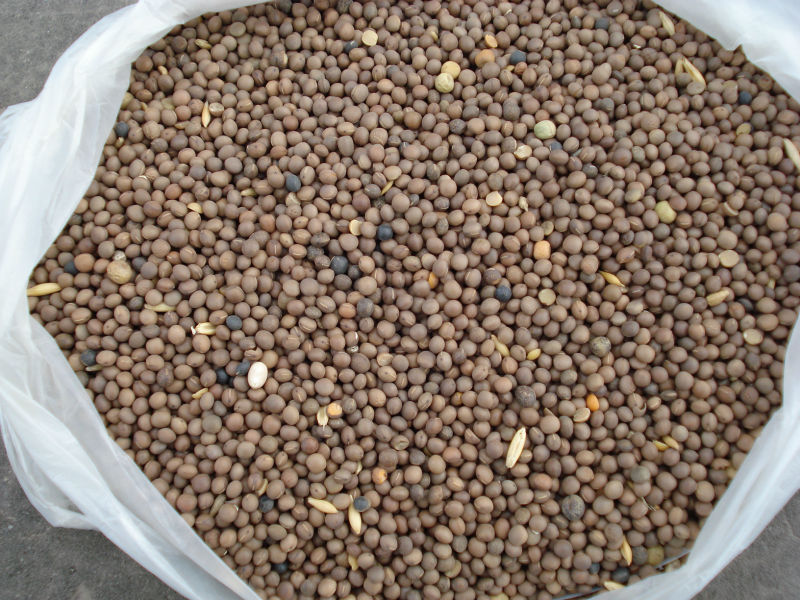
5. Bitter Lentils (Vicia ervilia)
- Traditionally used in the Mediterranean diet.
- Exceptionally high in both soluble and insoluble fiber.
- Early animal studies suggest blood sugar stabilization.
- Must be properly prepared to remove bitter alkaloids.

Clinical Studies & Statistics
- A meta-analysis of 41 randomized trials (published in the Archives of Internal Medicine) showed that increasing legume intake by just 1 cup daily can reduce A1C by 0.5%.
- According to the American Diabetes Association, diets rich in fiber reduce all-cause mortality by 22%.
- Each additional 10g of fiber daily is associated with a 9% lower risk of developing type 2 diabetes (European Journal of Clinical Nutrition).
Recipes for Diabetics
Simple Chickpea Salad
- 1 cup cooked chickpeas
- 1 tbsp olive oil
- Chopped cucumber, tomato, and parsley
- Lemon juice, salt, pepper to taste
High-Fiber Lentil Soup (Vicia ervilia version)
- 1 cup bitter lentils (pre-soaked & rinsed thoroughly)
- 1 chopped onion and 2 garlic cloves
- 1 carrot, 1 celery stalk, herbs
- 4 cups water or vegetable broth
- Simmer 30–40 minutes. Blend slightly for creamy texture.
Testimonials
“Switching from white rice to chickpeas helped me lower my blood sugar by 20 points in two weeks. I feel fuller and more energized!” – Emily R., Texas
“I never knew bitter lentils had so much fiber. They’ve become a staple in my diabetic meal plan.” – George K., New York
Fun Facts
- Bitter lentils (Vicia ervilia) are one of the oldest cultivated legumes, dating back 10,000 years.
- Beans were considered sacred in ancient Egypt due to their nutritional density.
- Chickpeas are the base of hummus, a low-GI food with great satiety effects.
Conclusion: Which to Choose?
If you’re managing diabetes, incorporating high-fiber legumes can significantly improve your blood sugar profile, lipid panel, and digestive health. While all the foods mentioned are excellent, bitter lentils take the lead in fiber content. However, availability and taste may make chickpeas and beans more practical daily choices.
Balance and variety are key—try rotating them in your meals throughout the week. Your gut and blood sugar will thank you.
Want more meal ideas and diabetic tips? Visit LazyHabit.com daily!