
Diabetes Tips
5 Shocking Scientific Breakthroughs in Diabetes (2025)


5 Shocking Scientific Breakthroughs in Diabetes (2025)
Introduction: The Future of Diabetes Care Has Arrived
When my uncle was diagnosed with Type 2 diabetes fifteen years ago, his treatment options were pretty straightforward: modify his diet, exercise more, take metformin, and eventually insulin. Fast forward to 2025, and the landscape of diabetes care has transformed so dramatically that it’s almost unrecognizable.
As someone who’s followed diabetes research closely for years, even I’m amazed by the pace of innovation we’re witnessing. Scientists aren’t just improving existing treatments—they’re completely reimagining how we understand and manage this complex condition that affects over 37 million Americans.
If you or someone you love is living with diabetes, the breakthroughs I’m about to share might sound like science fiction—but they’re very real and could potentially change millions of lives. From the discovery of entirely new types of diabetes to artificial intelligence managing insulin delivery, these advancements are shaking the foundations of diabetes care as we know it.
Let’s explore the five most shocking scientific breakthroughs in diabetes research of 2025 that could transform your relationship with this condition forever.
1. Type 5 Diabetes: A New Classification Changing Our Understanding of the Disease
For decades, we’ve categorized diabetes primarily as Type 1 (autoimmune) or Type 2 (insulin resistance), with gestational and monogenic forms getting less attention. But in a stunning development that’s reshaping our understanding of metabolic disorders, researchers have identified what they’re calling Type 5 diabetes.
This newly recognized form is linked to childhood malnutrition and has been primarily observed in parts of Asia and Africa. What makes Type 5 diabetes unique is its underlying mechanism: the pancreas doesn’t fully develop due to nutritional deficiencies during critical growth periods, resulting in impaired insulin production that persists into adulthood.
“This discovery challenges our fundamental understanding of diabetes as either an autoimmune or lifestyle condition,” says Dr. Maria Chen, endocrinologist at University Medical Center. “We’re now seeing that early life experiences can permanently alter metabolic function in ways we hadn’t previously recognized.”
While the American Diabetes Association hasn’t yet officially added Type 5 to its classification system, preliminary research suggests similar metabolic patterns may exist among historically undernourished populations in the United States, particularly in communities with limited access to nutritious food during childhood.
What This Means for You
If you’ve had difficulty fitting neatly into traditional diabetes categories, or if treatments haven’t worked as expected, this research highlights why a personalized approach to diabetes management is so crucial. The symptoms of Type 5 diabetes can include:
- Blood sugar irregularities that don’t respond typically to standard medications
- Lower insulin production without the autoimmune markers of Type 1
- A history of childhood malnutrition or food insecurity
- Earlier onset than typical Type 2 diabetes
- Reduced pancreatic volume visible on imaging
For those interested in learning more about this emerging classification, VeryWell Health offers an in-depth explanation of Type 5 diabetes and its implications for treatment strategies.
Read more: VeryWell Health on Type 5 Diabetes
2. GLP-1 Medications: The Dual Revolution in Diabetes and Obesity Management
I remember when GLP-1 medications first appeared on the market as diabetes treatments—they were considered helpful tools, but no one predicted they would trigger what might be the biggest pharmaceutical revolution of the decade.
Today, GLP-1 receptor agonists like Ozempic, Wegovy, and Mounjaro have transcended their original purpose as diabetes medications to become powerful weapons in the fight against obesity—a major risk factor for developing Type 2 diabetes.
The latest research has revealed these medications can help patients lose up to 20% of their body weight—results previously achievable only through bariatric surgery. But the benefits extend far beyond weight loss:
Multi-System Benefits of GLP-1 Medications
| System | Benefit | Percentage Improvement |
|---|---|---|
| Cardiovascular | Reduced risk of heart attack and stroke | 15-20% |
| Hepatic | Decreased liver fat and reduced risk of fatty liver disease | 30-40% |
| Neurological | Potential reduction in Alzheimer’s risk | 15-25% (early data) |
| Metabolic | Improved insulin sensitivity | 40-60% |
| Renal | Slowed progression of diabetic kidney disease | 25-35% |
However, these breakthrough medications come with a significant caveat that researchers are still working to address: weight regain. Studies show that up to 95% of users regain most of the weight within months of stopping treatment, suggesting these medications may need to be taken indefinitely to maintain benefits.
“We’re essentially treating obesity and diabetes as chronic conditions requiring ongoing management, similar to how we approach hypertension,” explains Dr. Robert Williams, obesity medicine specialist. “The medications work brilliantly while you’re taking them, but they’re not a permanent cure.”
The Cost Factor
Another hurdle is accessibility. Despite their proven benefits, many insurance companies are still reluctant to cover these medications for weight management, with monthly costs ranging from $900 to $1,300 out-of-pocket for patients without coverage.
For those living with diabetes or at high risk of developing it due to obesity, these medications represent a revolutionary approach to metabolic health management—if you can access and afford them.
Read more: The Guardian Special Report
3. Unlocking Insulin’s Secrets: The PIP2 Breakthrough
Sometimes the most significant breakthroughs come from understanding fundamental cellular processes that have remained mysterious for decades. In a groundbreaking discovery that has the scientific community buzzing, researchers at the Indian Institute of Science (IISc) have identified how fat molecules called PIP2 regulate the release of chemical messengers like insulin.
This might sound highly technical, but the implications are enormous for anyone living with diabetes.
For years, scientists knew that insulin was stored in tiny sacs called dense-core vesicles inside pancreatic beta cells, but they didn’t fully understand how these cells knew when to release their insulin cargo into the bloodstream. This new research has finally illuminated that process, revealing that PIP2 molecules act as crucial gatekeepers, controlling precisely when and how much insulin gets released.
“Imagine finally discovering how the light switch works after fumbling in the dark for decades,” I told my colleague when discussing this research. “That’s essentially what this breakthrough represents for diabetes treatment.”
Beyond Diabetes: Wider Implications
What makes this discovery particularly exciting is that the same cellular mechanisms influence the release of other important chemical messengers throughout the body, including neurotransmitters in the brain. This means the research could potentially open new pathways for treating not only diabetes but also neurodegenerative diseases like:
- Parkinson’s disease
- Alzheimer’s disease
- Huntington’s disease
- Various forms of dementia
For people living with diabetes, this fundamental understanding of insulin release mechanisms could lead to entirely new classes of medications that more precisely control blood sugar by directly influencing these cellular processes, potentially with fewer side effects than current treatments.
Read more: Times of India Report
4. Stem Cell Therapies: A Potential Cure for Type 1 Diabetes?
The holy grail of Type 1 diabetes research has always been finding a way to replace the insulin-producing beta cells that the immune system mistakenly destroys. For decades, this seemed like an impossible dream—but stem cell therapy is finally turning that dream into reality.
At the 2025 Advanced Technologies & Treatments for Diabetes (ATTD) conference, researchers presented groundbreaking results from clinical trials using stem cell-based therapies designed to regenerate insulin-producing beta cells.
Unlike traditional insulin therapy, which treats the symptoms of diabetes, these stem cell approaches aim to address the root cause by restoring the body’s natural ability to produce insulin.
“I’ve had Type 1 diabetes for 22 years, and for the first time, I feel like a cure might actually be possible in my lifetime,” shares Rachel K., a participant in one of the early clinical trials. “My insulin requirements have decreased by almost 60% since receiving the treatment six months ago.”
How It Works
The process involves taking stem cells—which have the unique ability to develop into different types of cells—and carefully guiding them to become insulin-producing beta cells. These laboratory-grown cells are then transplanted into patients with Type 1 diabetes, where they begin producing insulin in response to blood sugar levels.
To prevent the immune system from attacking these new cells (the same problem that causes Type 1 diabetes in the first place), scientists are developing innovative encapsulation technologies that protect the cells while allowing insulin to flow out and nutrients to flow in.
Current Challenges
Despite the promise of these therapies, several challenges remain:
- Immune rejection: Finding ways to prevent the body from attacking the new cells
- Long-term viability: Ensuring the transplanted cells continue functioning for years
- Scaling production: Manufacturing enough cells to treat millions of patients
- Accessibility: Making treatments affordable and available to all who need them
While these therapies aren’t yet widely available outside of clinical trials, the progress is undeniable. For the estimated 1.6 million Americans living with Type 1 diabetes, stem cell therapies represent perhaps the most promising path toward a day when insulin injections are no longer necessary.
Read more: Breakthrough T1D Coverage
5. AI-Powered Insulin Management: The Algorithm Revolution
Artificial intelligence isn’t just changing how we use our phones or drive our cars—it’s revolutionizing diabetes care in ways that were unimaginable just a few years ago.
The latest AI systems aren’t merely tracking blood sugar; they’re actively making decisions about insulin delivery in real-time, creating what scientists call “closed-loop” systems that essentially function as an artificial pancreas.
What makes these systems truly revolutionary is their use of reinforcement learning algorithms—the same type of AI that mastered complex games like chess and Go. These algorithms analyze countless data points about a person’s unique metabolic responses, learning patterns that even the most experienced doctors might miss.
“The AI doesn’t just follow pre-programmed rules—it learns and adapts to each individual’s body,” explains Dr. Sarah Johnson, director of AI research at the Diabetes Technology Institute. “The more it observes how your body responds to food, exercise, stress, and insulin, the better it gets at predicting exactly what you need.”
Real-World Impact
Early adopters of these AI systems report dramatic improvements in their quality of life:
- Reduced time spent in hypoglycemia (dangerously low blood sugar): Users experience 72% fewer low blood sugar episodes
- Better overnight control: Most users report waking up with ideal blood sugar levels over 85% of the time
- Reduced mental burden: The system handles most decisions, reducing “diabetes burnout”
- Improved A1C levels: Average reductions of 0.8-1.2 percentage points
“Before using the AI system, I was waking up two or three times a night to check my daughter’s blood sugar,” says Maria, mother of 12-year-old Sofia who has Type 1 diabetes. “Now we both sleep through the night, and her numbers in the morning are better than they’ve ever been.”
Concerns and Limitations
Despite these benefits, the integration of AI into diabetes care raises important questions:
- Privacy concerns: These systems collect enormous amounts of personal health data
- Algorithm transparency: It can be difficult to understand how the AI makes certain decisions
- Access disparities: High costs could make these technologies available only to those with good insurance or financial resources
- Psychological dependence: Some users worry about becoming too reliant on technology
As with many cutting-edge technologies, access remains a significant barrier. While these AI systems show tremendous promise, ensuring they benefit everyone with diabetes—not just those with financial resources—remains a crucial challenge.
Bonus Breakthrough: Intermittent Fasting and Diabetes Reversal
While not one of the top five breakthroughs, I’d be remiss not to mention the growing body of research supporting intermittent fasting as a potential path to Type 2 diabetes reversal.
Several major clinical trials are now testing whether structured fasting protocols and very low-calorie diets can essentially reverse Type 2 diabetes in some patients. One noteworthy UK study found that 46% of participants achieved diabetes remission after 12 months on a carefully managed fasting protocol.
“We’re seeing patients who’ve had Type 2 diabetes for years achieve normal blood sugar levels without medication,” notes Dr. James Harrison, who specializes in metabolic health. “The key seems to be giving the pancreas a break from constantly processing nutrients, allowing it to recover function.”
For those interested in exploring this approach, it’s essential to work closely with healthcare providers, as fasting can affect medication needs and may not be appropriate for everyone. The scientific community continues to study which patients might benefit most from these approaches.
What These Breakthroughs Mean for the Future of Diabetes Care
As I reflect on these five remarkable breakthroughs, I’m struck by how dramatically they could reshape the future for millions of people living with diabetes. We’re moving from an era of managing symptoms to one focused on addressing root causes and even potential cures.
For those with Type 1 diabetes, stem cell therapies offer the first realistic hope of a biological cure. For those with Type 2, GLP-1 medications and fasting protocols present pathways to potential remission that simply didn’t exist before.
The identification of Type 5 diabetes reminds us that conditions we thought we understood thoroughly still have secrets to reveal, while advances in understanding cellular communication mechanisms open doors to entirely new treatment approaches.
Perhaps most exciting is how AI is personalizing care—creating treatment plans as unique as each individual’s metabolism and lifestyle.
What Can You Do Now?
While many of these breakthroughs are still evolving, there are steps you can take today to prepare for this new era of diabetes care:
- Stay informed: Follow reputable diabetes research organizations to keep up with the latest developments
- Discuss innovations with your healthcare team: Ask about clinical trials or new treatments that might be appropriate for your situation
- Consider your data: Continuous glucose monitors and other tracking tools can provide valuable insights, even without advanced AI
- Focus on foundations: Healthy eating, physical activity, stress management, and adequate sleep remain crucial regardless of technological advances
- Join research efforts: Consider participating in clinical trials if appropriate for your situation
Conclusion: A New Dawn for Diabetes Management
The five breakthroughs we’ve explored represent more than just scientific achievements—they offer new hope and possibilities for everyone affected by diabetes. From entirely new classifications of the disease to AI-powered treatment systems, we’re witnessing a fundamental transformation in how diabetes is understood and managed.
While challenges remain—particularly around access, affordability, and ensuring these advances benefit everyone—the trajectory is undeniably positive. For the first time, we can realistically talk about potential cures for Type 1 diabetes and remission for many with Type 2.
As someone who’s followed diabetes research for years, I believe we’re standing at the threshold of a new era—one where diabetes may no longer mean lifelong medication dependency or constant blood sugar vigilance for many people.
I’d love to hear your thoughts on these breakthroughs. Have you experienced any of these new treatments? Are you hopeful about what’s coming next in diabetes care? Share your experiences in the comments below, and let’s continue this important conversation.
This article is for informational purposes only and does not constitute medical advice. Always consult with qualified healthcare providers regarding any medical condition or treatment.












Diabetes Tips
Best foods for fatty liver and diabetes
Managing fatty liver disease and diabetes requires a well-balanced diet rich in healthy foods. Learn what foods can help alleviate symptoms and improve overall health.
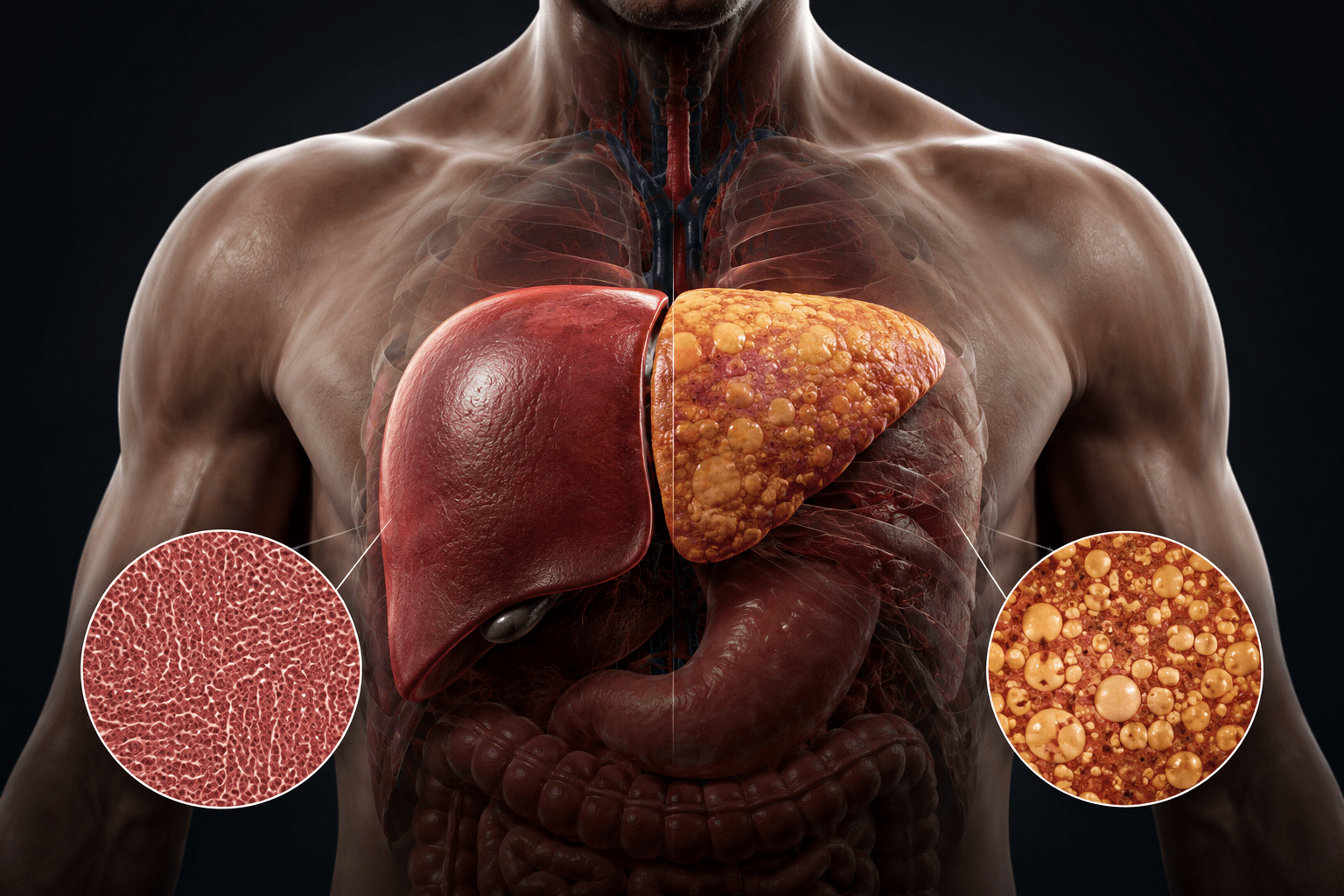
The Best Foods for Fatty Liver and Diabetes: A Comprehensive Guide to Optimal Nutrition
When it comes to managing fatty liver disease and diabetes, the role of diet can’t be overstated. These two conditions affect millions of people worldwide, but with the right nutrients and lifestyle changes, you can take control of your health.
Fatty liver disease is characterized by an accumulation of excess fat in the liver, leading to inflammation and damage over time. Diabetes, on the other hand, affects how our bodies process blood sugar, causing high glucose levels that can harm organs like the kidneys, nerves, and eyes. The connection between diet and these conditions is complex, but research suggests that a balanced diet rich in whole foods may help mitigate the risk of complications.
Why This Topic Matters: Understanding the Link Between Diet and Fatty Liver/Diabetes
The link between diet and fatty liver disease and diabetes is multifaceted. Consuming high amounts of sugar, saturated fats, and sodium can put a strain on our livers and bodies, while nutrient-dense foods like fruits, vegetables, whole grains, and lean proteins provide essential nutrients for optimal health.
By understanding the relationship between diet and these conditions, we can make informed choices about the foods we eat and how they impact our overall well-being. In this article, we’ll explore the best foods for fatty liver and diabetes, highlighting nutrient-dense options that may support blood sugar control, insulin resistance, and liver health.
Scientific Explanations: How Food Affects Blood Sugar Control and Liver Health
When it comes to managing blood sugar levels and supporting liver health, food plays a critical role. Carbohydrates can cause a spike in blood glucose, which may worsen insulin resistance. On the other hand, fiber-rich foods like fruits, vegetables, and whole grains help slow down carbohydrate absorption and promote satiety.
The liver is also vital in detoxifying our bodies and regulating glucose metabolism. When we consume high amounts of sugar, saturated fats, and processed foods, it can put a strain on liver function, leading to inflammation and oxidative stress. By understanding how food affects blood sugar control and liver health, we can make informed choices about the foods we eat.
Practical Lifestyle Tips: Incorporating Fatty Liver-Friendly Foods into Your Diet
So, what are the best foods for fatty liver and diabetes? Here are some nutrient-dense options to consider:
* Leafy greens like spinach, kale, and collard greens provide essential vitamins and minerals
* Berries such as blueberries, strawberries, and raspberries offer antioxidants and fiber
* Fatty fish like salmon, tuna, and mackerel support heart health and omega-3 intake
* Nuts and seeds like almonds, walnuts, and chia seeds provide healthy fats and protein
* Legumes like lentils, chickpeas, and black beans are rich in fiber, protein, and minerals
* Whole grains like brown rice, quinoa, and whole-wheat bread offer complex carbohydrates and fiber
Incorporating these foods into your diet can help support blood sugar control, insulin resistance, and liver health. Aim for a balanced mix of protein, healthy fats, and complex carbohydrates to fuel your body.
Common Mistakes: Avoiding Unhealthy Patterns
When it comes to managing fatty liver and diabetes, avoiding unhealthy patterns is crucial. Here are some common mistakes to watch out for:
* Skipping meals or undereating, leading to low blood sugar
* Consuming high amounts of added sugars, saturated fats, and sodium
* Ignoring portion sizes and eating until full
By being mindful of these pitfalls, you can avoid exacerbating your condition and take proactive steps towards improving overall health.
Benefits: How Fatty Liver-Friendly Foods Can Support Your Health
Incorporating fatty liver-friendly foods into your diet may provide numerous benefits, including:
* Improved blood sugar control and reduced risk of complications
* Enhanced liver function and detoxification
* Reduced inflammation and oxidative stress
* Weight management and improved metabolic health
While these foods alone cannot cure fatty liver disease or diabetes, they can play a vital role in supporting overall health and well-being.
Risks and Considerations: Potential Side Effects of Fatty Liver-Friendly Foods
As with any dietary approach, it’s essential to consider potential side effects when incorporating fatty liver-friendly foods into your diet. Some possible risks include:
* Intolerance or sensitivity to certain foods
* Interactions with medications or underlying health conditions
* Increased risk of kidney stones or other minerals-related issues
Consult with a healthcare professional before making any significant changes to your diet.
Real-Life Examples: Incorporating Fatty Liver-Friendly Foods into Your Daily Routine
Incorporating fatty liver-friendly foods into your daily routine can be easy and delicious. Here are some ideas to get you started:
* Start your day with a spinach omelette or Greek yogurt parfait
* Snack on almonds, berries, and walnuts throughout the day
* Add lentils or chickpeas to soups and salads for added protein and fiber
By making these simple changes, you can take proactive steps towards supporting your liver health and overall well-being.
Conclusion: Empowering Your Journey Towards Optimal Nutrition
Managing fatty liver disease and diabetes requires a holistic approach that incorporates diet, lifestyle, and medical treatment. By incorporating fatty liver-friendly foods into your diet, you can take proactive steps towards improving blood sugar control, insulin resistance, and liver health.
Remember to consult with a healthcare professional before making any significant changes to your diet, and don’t hesitate to reach out if you have questions or concerns.
By empowering yourself with the knowledge of optimal nutrition, you’ll be better equipped to navigate this journey and achieve long-term wellness.
Learn more about managing diabetes with a balanced diet
Diabetes Tips
How to lower blood sugar naturally
Learn how to lower your blood sugar levels with a healthy diet, exercise, and lifestyle changes

Embracing a Natural Approach to Lowering Blood Sugar
The rise in diabetes and insulin resistance has left millions of people worldwide searching for effective ways to manage their condition. While conventional treatments often rely on medication or invasive procedures, there are many natural remedies that can help support blood sugar balance and promote overall wellness.
The Importance of Maintaining Healthy Blood Sugar Levels
Maintaining healthy blood sugar levels is crucial when it comes to diabetes management. High glucose levels can lead to a range of complications, including nerve damage, kidney disease, and even heart disease. Research suggests that even mild hyperglycemia can increase the risk of cardiovascular events by up to 30%. By taking proactive steps to regulate your blood sugar levels, you can significantly reduce your risk of developing these complications.
Understanding How Blood Sugar Affects the Body
Blood sugar, or glucose, is a vital source of energy for our cells. However, when insulin levels become imbalanced, glucose builds up in the bloodstream, leading to elevated blood sugar levels. Insulin sensitivity plays a critical role in regulating blood sugar levels, and even minor improvements can have a significant impact on glucose control.
Natural Remedies for Lowering Blood Sugar
Fortunately, there are many natural remedies that may support blood sugar balance. Here are some of the most promising options:
- Dietary Changes: Eating a balanced diet rich in whole foods, fruits, and vegetables can help regulate blood sugar levels. Incorporating more plant-based protein sources like legumes and nuts may also be beneficial.
- Herbal Supplements: Certain herbs like berberine, cinnamon, and chromium have been shown to possess antidiabetic properties, although more research is needed to confirm their effectiveness.
- Exercise and Physical Activity: Regular exercise can improve insulin sensitivity and help regulate blood sugar levels. Aim for at least 150 minutes of moderate-intensity physical activity per week.
- Stress Management: Chronic stress can raise cortisol levels, which can contribute to elevated blood sugar levels. Practice stress-reducing techniques like meditation or yoga to help manage stress.
Practical Lifestyle Tips for Lowering Blood Sugar
Incorporating these natural remedies into your lifestyle can have a significant impact on blood sugar balance. Here are some practical tips to get you started:
- Drink Plenty of Water: Staying hydrated is essential for maintaining healthy blood sugar levels. Aim for at least eight glasses of water per day.
- Eat More Fiber: A high-fiber diet can help regulate blood sugar levels by slowing the absorption of glucose into the bloodstream.
- Get Enough Sleep: Poor sleep quality and duration can raise cortisol levels, leading to elevated blood sugar levels. Aim for seven to nine hours of sleep per night.
- Limit Processed Foods: Processed foods are often high in added sugars, refined carbohydrates, and unhealthy fats, which can contribute to elevated blood sugar levels.
Mistakes to Avoid on Your Journey to Lower Blood Sugar
Avoid making the following mistakes that can have a negative impact on your blood sugar levels:
- Skipping Meals: Skipping meals or going too long without eating can lead to low blood sugar, while overeating can cause a spike in glucose levels.
- Not Managing Stress: Chronic stress can raise cortisol levels, leading to elevated blood sugar levels. Practice stress-reducing techniques like meditation or yoga to help manage stress.
- Overrelying on Medication: While medication may be necessary in some cases, overrelying on it can mask underlying issues and lead to adverse effects.
The Benefits of Lowering Blood Sugar Naturally
Lowering blood sugar naturally can have a range of benefits, including:
- Improved Insulin Sensitivity: Improving insulin sensitivity can reduce the risk of developing type 2 diabetes and metabolic syndrome.
- Reduced Risk of Complications: Maintaining healthy blood sugar levels can reduce the risk of complications like nerve damage, kidney disease, and heart disease.
- Increased Energy and Mental Clarity: Lowering blood sugar levels can increase energy levels and improve mental clarity, reducing fatigue and brain fog.
Risks and Considerations
Naturally lowering blood sugar levels may not be suitable for everyone. Certain individuals should consult with their healthcare provider before making any changes to their lifestyle or supplement routine, including:
- Pregnant or Breastfeeding Women: Pregnant or breastfeeding women should consult with their healthcare provider before taking any new supplements.
- People with Diabetes Medication: Individuals who are currently taking diabetes medication should not stop taking it without consulting with their healthcare provider.
- Those with Underlying Medical Conditions: Certain underlying medical conditions, such as kidney disease or liver disease, may require special consideration when trying to lower blood sugar levels naturally.
A Real-Life Example: Lowering Blood Sugar Naturally through Diet and Exercise
Meet Sarah, a 35-year-old marketing professional who was diagnosed with prediabetes. Sarah made the following changes to her lifestyle:
- Switched to Plant-Based Protein Sources: Sarah started incorporating more plant-based protein sources like legumes and nuts into her diet.
- Incorporated More Fiber-Rich Foods: Sarah added more fiber-rich foods like fruits, vegetables, and whole grains to her diet.
- Started Walking Daily: Sarah started walking for at least 30 minutes per day, three times a week.
- Drinking Plenty of Water: Sarah made sure to drink plenty of water throughout the day.
After making these changes, Sarah noticed significant improvements in her blood sugar levels and overall energy levels. She was able to lose weight, improve her mental clarity, and reduce her risk of developing type 2 diabetes.
The Power of Lowering Blood Sugar Naturally
Lowering blood sugar naturally is a holistic approach that requires patience, dedication, and the right lifestyle habits. By incorporating natural remedies like dietary changes, herbal supplements, exercise, and stress management into your daily routine, you can support healthy blood sugar levels and promote overall wellness.
Start your journey towards lower blood sugar naturally today by incorporating these simple yet effective tips into your daily routine:
- Develop a Healthy Habits Routine: Create a daily routine that includes healthy habits like exercise, meditation, and journaling.
- Eat More Fiber-Rich Foods: Incorporate more fiber-rich foods into your diet to help regulate blood sugar levels.
- Get Enough Sleep: Aim for seven to nine hours of sleep per night to help manage stress and promote overall health.
Join the movement towards lower blood sugar naturally and start your journey today!
Frequently Asked Questions
What are some natural remedies that can help regulate blood sugar levels?
Certain herbs like berberine, cinnamon, and chromium have been shown to possess antidiabetic properties
How much exercise is needed to improve insulin sensitivity and lower blood sugar levels?
At least 150 minutes of moderate-intensity physical activity per week
Can drinking plenty of water help manage blood sugar levels?
Yes, staying hydrated is essential for maintaining healthy blood sugar levels
What should I avoid doing on my journey to lower blood sugar naturally?
Skipping meals or going too long without eating can lead to low blood sugar, while overeating can cause a spike in glucose levels
Are there any risks associated with lowering blood sugar levels naturally for certain individuals?
Yes, pregnant or breastfeeding women, people with diabetes medication, and those with underlying medical conditions should consult their healthcare provider before making changes to their lifestyle or supplement routine
Diabetes Tips
Why blood sugar spikes after breakfast
Discover the reasons why your blood sugar levels spike after breakfast and learn how to stabilize them for a healthier you.
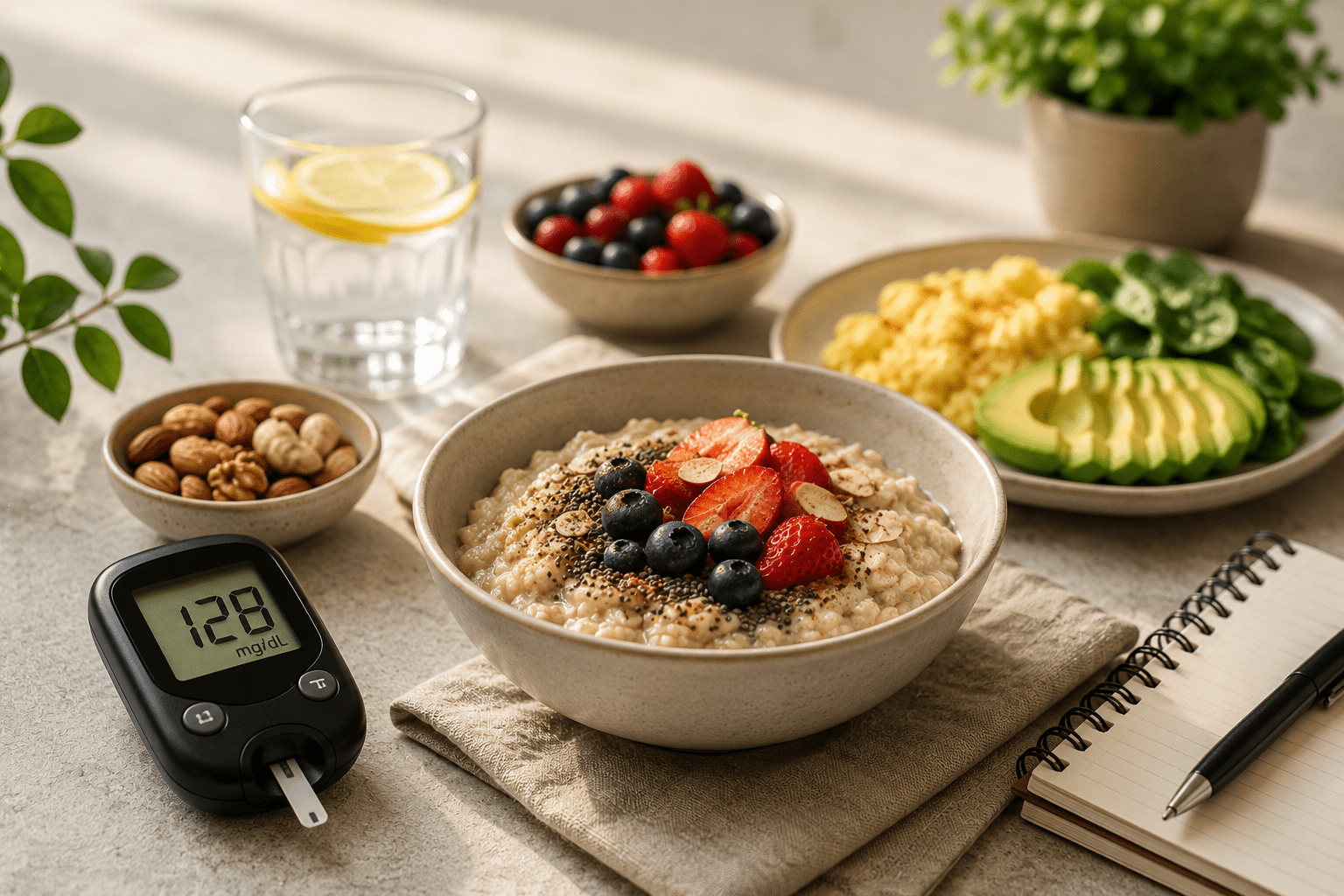
Blood Sugar Spikes After Breakfast: Understanding the Risks and Taking Control
If you’re living with diabetes or at risk of developing it, breakfast can be a daunting meal to navigate. While it’s often seen as the most important meal of the day, the reality is that choosing the right foods can make all the difference in managing blood sugar levels.
The Importance of Managing Morning Blood Sugar
Imagine sipping your morning coffee, enjoying a nutritious breakfast, and starting your day off on the right foot. However, for many individuals with diabetes or those who are at risk of developing the condition, this simple pleasure can be a minefield of carbs, added sugars, and hidden pitfalls.
Consuming high-carbohydrate or high-glycemic index foods after breakfast can lead to blood sugar spikes, causing discomfort, fatigue, and even increasing the risk of complications. But what’s behind these spikes, and how can you take control?
The Science Behind Blood Sugar Spikes
When you eat a meal, your body responds by releasing insulin, a hormone produced by the pancreas that plays a crucial role in regulating blood sugar levels. Insulin helps facilitate the uptake of glucose into cells, but when you consume foods high on the glycemic index (GI), such as white bread, sugary cereals, or sweetened yogurts, your body releases more insulin than necessary.
This excessive insulin release can lead to several problems, including:
* **Insulin resistance**: Prolonged exposure to high levels of insulin can make it difficult for cells to respond to insulin, leading to insulin resistance.
* **Pancreatic exhaustion**: The pancreas can become exhausted from producing excess insulin, which can further exacerbate the condition.
Practical Tips for Managing Morning Blood Sugar
Fortunately, there are several strategies you can use to manage blood sugar spikes after breakfast:
1. **Choose complex carbohydrates**: Opt for whole grain cereals, fruits, or vegetables that contain complex carbohydrates, which release glucose slowly and don’t cause a sudden spike in blood sugar levels.
2. **Incorporate protein and healthy fats**: Adding protein and healthy fats to your breakfast can help slow down the digestion of carbohydrates and reduce the overall glycemic impact.
3. **Limit added sugars**: Avoid sugary cereals, yogurts, or sweetened beverages that can cause a rapid spike in blood sugar levels.
4. **Stay hydrated**: Drinking plenty of water throughout the day can help keep your blood sugar levels stable and prevent dehydration.
Common Mistakes to Avoid
While managing morning blood sugar levels can be challenging, there are several common mistakes you may want to avoid:
* **Not accounting for portion sizes**: Consuming large portions of high-carbohydrate foods can lead to a rapid spike in blood sugar levels.
* **Ignoring food labels**: Not reading food labels or being aware of the glycemic index of your breakfast foods can make it difficult to manage blood sugar levels.
* Using processed meats: Processed meats are high in sodium and preservatives, which can contribute to increased blood pressure.
Frequently Asked Questions
What is a glycemic index, and how does it affect blood sugar levels after breakfast?
The glycemic index (GI) measures the impact of carbohydrates on blood sugar levels. Foods high in GI, such as white bread or sugary cereals, cause a rapid spike in blood sugar levels.
Can I still manage my blood sugar after breakfast if I have diabetes?
Yes, with careful planning and attention to portion sizes, dietary choices, and lifestyle habits, individuals with diabetes can effectively manage their blood sugar levels throughout the day.
What are some good sources of complex carbohydrates for breakfast that won’t cause a spike in blood sugar?
Good options include whole grain cereals, fruits, and vegetables like berries, spinach, or sweet potatoes.
Can I still get enough protein and healthy fats at breakfast to manage my blood sugar levels?
Yes, adding protein and healthy fats like nuts, seeds, avocado, or eggs to your breakfast can help slow down the digestion of carbohydrates and reduce glycemic impact.
How much water should I drink throughout the day to keep my blood sugar levels stable?
Drinking at least eight glasses of water a day can help prevent dehydration, which can contribute to blood sugar imbalances and related health issues.


Berberine as a metformin alternative

Best foods for fatty liver and diabetes

The truth about artificial sweeteners

Houseplant Leaves – A Traditional Ally for Stable Blood Sugar

Hibiscus Tea and Diabetes: A Natural Ally for Blood Sugar Control

7-Day Diabetes Meal Plan for Beginners
-
 Herbal Remedies2 years ago
Houseplant Leaves – A Traditional Ally for Stable Blood Sugar
-
 Diabetes Tips2 years ago
Hibiscus Tea and Diabetes: A Natural Ally for Blood Sugar Control
-
 Diabetes Tips2 years ago
7-Day Diabetes Meal Plan for Beginners
-

 Meal Plans2 years ago
The Lazy 3-Day Diabetic Meal Plan That Keeps Your Blood Sugar Happy
-

 Herbal Remedies2 years ago
Mulberry Leaf Extract: A Natural Solution for Managing Blood Sugar
-

 Diabetes Tips2 years ago
Structured Meal Planning for Type 2 Diabetes: A Scientific Approach
-

 Herbal Remedies2 years ago
Mulberry Leaves and Blood Sugar: Natural Block for Glucose Absorption
-

 Herbal Remedies2 years ago
Bay Leaf and Diabetes : Natural Support for Blood Sugar