
Herbal Remedies
Top 10 Herbs for Insulin Resistance

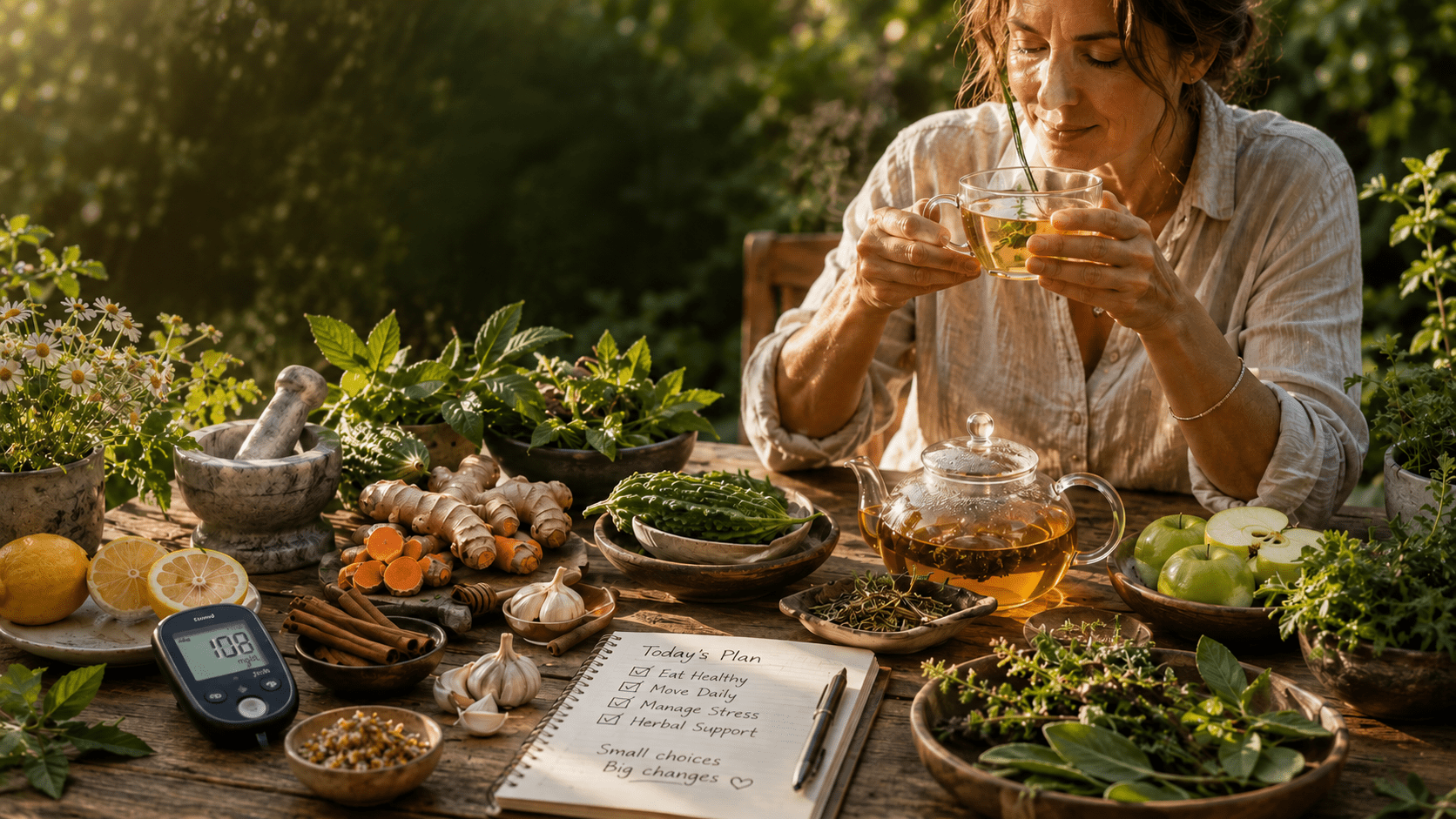
Top 10 Herbs for Insulin Resistance: Natural Remedies for Blood Sugar Support
Insulin resistance is a silent but significant contributor to metabolic disorders, including type 2 diabetes. While lifestyle changes like diet and exercise remain foundational, many people are turning to herbs for diabetes and natural remedies to support their journey toward better blood sugar management. These healthy herbs have been studied for their potential to glucose support and blood sugar herbs that may help regulate insulin sensitivity. In this article, we’ll explore the science behind these herbal medicine options, how they fit into a diabetes management plan, and practical tips for incorporating them into your wellness routine.
Why Insulin Resistance Matters: A Modern Wellness Challenge
Insulin resistance occurs when the body’s cells become less responsive to insulin, leading to elevated blood sugar levels. Over time, this condition can increase the risk of chronic diseases like diabetes, heart disease, and metabolic syndrome. While pharmaceutical interventions are often necessary, many individuals seek herbs for diabetes as a complementary approach. These natural remedies are particularly appealing for those looking to integrate healthy herbs into a holistic wellness strategy.
Research suggests that certain herbs may support blood sugar control by improving insulin sensitivity, reducing inflammation, or enhancing glucose metabolism. However, it’s important to note that these herbal medicine options should not replace medical advice or treatment. Instead, they can be part of a broader diabetes management plan that includes a balanced diet, regular physical activity, and professional guidance.
The Science Behind Blood Sugar-Supporting Herbs
Herbs have been used for centuries to support metabolic health, and modern science is beginning to validate many of these traditional uses. Below, we break down the mechanisms behind some of the most promising herbs for insulin resistance and how they may contribute to better blood sugar regulation.
1. Cinnamon: A Spiced-Up Solution
Cinnamon is one of the most well-researched herbs for diabetes. Studies suggest that its polyphenols may improve insulin sensitivity by enhancing glucose uptake in muscle cells. Additionally, cinnamon’s antioxidant properties may help reduce oxidative stress, a factor linked to insulin resistance. To incorporate cinnamon into your routine, consider adding a teaspoon to your morning oatmeal or mixing it into a warm herbal tea.
2. Turmeric: The Golden Anti-Inflammatory
Turmeric’s active compound, curcumin, is known for its anti-inflammatory and antioxidant effects. Research indicates that curcumin may improve insulin signaling and reduce inflammation in fat tissue, which is often associated with insulin resistance. For best results, pair turmeric with black pepper (which enhances absorption) and use it in meals like curries or smoothies.
3. Chromium: The Mineral That Supports Metabolism
Although not a herb, chromium is a mineral that plays a role in glucose metabolism. Some studies suggest that chromium supplementation may improve insulin sensitivity, particularly in individuals with type 2 diabetes. However, it’s important to consult a healthcare provider before adding chromium to your regimen, as it can interact with certain medications.
4. Green Tea: A Bitter Brew for Better Blood Sugar
Green tea contains catechins, which have been shown to enhance insulin sensitivity and reduce glucose absorption in the intestines. Regular consumption of green tea may also support weight management, a key factor in improving insulin resistance. Aim for 2–3 cups per day, and consider pairing it with a meal plan that includes fiber-rich foods.
5. Garlic: A Pungent Powerhouse
Garlic contains sulfur compounds that may improve insulin sensitivity and reduce blood sugar levels. It also supports cardiovascular health, which is crucial for people with insulin resistance. Incorporate garlic into your meals by adding it to stir-fries, soups, or roasted vegetables.
6. Bitter Melon: A Tropical Twist on Blood Sugar Control
Bitter melon is a vegetable with herb-like properties that may help regulate blood sugar. Compounds like charantin and polypeptide-P in bitter melon have been shown to mimic insulin’s effects, improving glucose uptake in cells. However, its strong taste means it’s often used in small amounts, such as in smoothies or as a supplement.
7. Alpha-Lipoic Acid: The Antioxidant That May Fight Insulin Resistance
Alpha-lipoic acid (ALA) is an antioxidant that may improve insulin sensitivity by reducing oxidative stress. It’s also known for its potential to protect nerve cells, which is beneficial for people with diabetes. ALA is available in supplement form, but it’s best to discuss dosages with a healthcare provider.
8. Chamomile: A Calming Herb for Metabolic Health
Chamomile tea has been linked to improved insulin sensitivity and reduced inflammation. Its calming effects may also help manage stress, which is a known contributor to insulin resistance. Enjoy a cup of chamomile in the evening to support both your mental and metabolic well-being.
9. Gymnema Sylvestre: The “Sugar Destroyer”
Gymnema sylvestre, an herb used in Ayurvedic medicine, is known for its ability to reduce sugar cravings and improve glucose metabolism. Studies suggest it may block sugar absorption in the intestines and enhance insulin production. Look for supplements or include it in a healthy habits routine that prioritizes whole foods.
10. Sage: A Herb with a Sweet Impact
Sage has been shown to improve insulin sensitivity and reduce blood sugar levels in animal studies. While human research is limited, its anti-inflammatory properties may support metabolic health. Use sage in teas, salads, or as a seasoning for roasted vegetables.
How to Use These Herbs: Practical Tips for Daily Life
Incorporating these herbs for insulin resistance into your routine can be simple and effective. Here are some practical strategies:
- Start small: Begin with one or two herbs, such as cinnamon or green tea, to avoid overwhelm.
- Pair with meals: Use herbs like turmeric, garlic, and bitter melon in your cooking to enhance flavor and nutrition.
- Try herbal teas: Chamomile, sage, and green tea are easy to incorporate into a daily meal plan.
- Consult a professional: Always discuss herbal supplements with your healthcare provider, especially if you’re on medication.
Common Mistakes to Avoid with Herbal Remedies
While herbs can be beneficial, it’s important to avoid common pitfalls:
- Overuse: Excessive consumption of certain herbs, like bitter melon or garlic, can lead to side effects.
- Ignoring interactions: Some herbs may interact with diabetes medications, so always check with a healthcare provider.
- Replacing medical care: Herbs should complement, not replace, professional medical advice and treatment.
Benefits of a Holistic Approach to Insulin Resistance
Using herbs for diabetes as part of a holistic wellness plan can offer numerous benefits:
- Improved insulin sensitivity: Many herbs may help the body respond better to insulin.
- Reduced inflammation: Anti-inflammatory herbs like turmeric and chamomile can support metabolic health.
- Enhanced lifestyle integration: Herbs can make healthy habits more enjoyable and sustainable.
Risks and Considerations
While these natural remedies are generally safe, there are some risks to be aware of:
- Quality and purity: Choose reputable brands to avoid contaminants or incorrect dosages.
- Allergies or sensitivities: Some herbs may cause allergic reactions, so start with small amounts.
- Pregnancy and breastfeeding: Certain herbs may not be safe during pregnancy or while nursing.
Real-Life Examples: How Herbs Fit into Daily Wellness
Consider Sarah, a 45-year-old woman managing insulin resistance through lifestyle changes. She incorporates cinnamon into her morning oatmeal, drinks green tea with meals, and uses turmeric in her stir-fries. By pairing these herbs for diabetes with a healthy habits routine, she’s seen gradual improvements in her blood sugar levels and overall energy.
Similarly, Mark, a 50-year-old man, uses chamomile tea in the evening to support his metabolic health and reduce stress. He also includes bitter melon in his salads, which he learned about through a diabetes tips blog. These small changes have helped him maintain better control over his condition.
FAQ: Your Burning Questions About Herbs for Insulin Resistance
Which herbs are best for insulin resistance?
Herbs like cinnamon, turmeric, and green tea are among the most researched for supporting insulin sensitivity. However, individual responses vary, so it’s best to consult a healthcare provider before starting any regimen.
Can herbs replace medication for diabetes?
No. Herbs should never replace prescribed medications. They can be used as a complementary approach under medical supervision.
How long does it take for herbs to show effects?
Results can vary, but many people report gradual improvements in blood sugar levels within a few weeks to months of consistent use.
Are there any side effects of using herbs?
Some herbs may cause digestive issues, allergic reactions, or interact with medications. Always start with small doses and consult a professional.
Can I use multiple herbs at once?
Yes, but it’s important to monitor how your body responds and consult a healthcare provider to avoid overuse or interactions.
Conclusion: A Balanced Approach to Metabolic Health
Herbs can be a valuable addition to a healthy habits routine for managing insulin resistance. By combining these herbs for diabetes with lifestyle changes like a balanced diet, regular exercise, and stress management, you can support long-term metabolic health. Remember to prioritize professional guidance and listen to your body’s needs for the best results.
“Herbs are not a magic bullet, but they can be a powerful tool when used wisely.”
References and Further Reading
For more information on herbs and metabolic health, explore reputable sources like the American Diabetes Association or consult a healthcare provider for personalized advice.
By integrating these herbs for insulin resistance into your daily routine, you’re taking a proactive step toward better health. Stay informed, stay consistent, and prioritize your well-being.
Herbal Tea and Healthy Lifestyle
Herbal teas and a healthy lifestyle can support metabolic health.
Herbs for Insulin Resistance
Herbs can be a valuable addition to a healthy routine for managing insulin resistance. By combining these herbs with lifestyle changes like a balanced diet, regular exercise, and stress management, you can support long-term metabolic health. Remember to prioritize professional guidance and listen to your body’s needs for the best results.
“Herbs are not a magic bullet, but they can be a powerful tool when used wisely.”
Conclusion
Herbs can be a valuable addition to a healthy routine for managing insulin resistance. By combining these herbs with lifestyle changes like a balanced diet, regular exercise, and stress management, you can support long-term metabolic health. Remember to prioritize professional guidance and listen to your body’s needs for the best results.
Herbal teas and a healthy lifestyle can support metabolic health.
References and Further Reading
For more information on herbs and metabolic health, explore reputable sources like the American Diabetes Association or consult a healthcare provider for personalized advice.











How Coffee Affects Blood Sugar: A Comprehensive Guide for Wellness Enthusiasts
Imagine sipping your morning coffee while your body works to maintain stable energy levels. For millions of people, coffee isn’t just a morning ritual—it’s a daily ritual that can significantly impact blood sugar levels. Whether you’re managing diabetes, aiming for weight management, or simply curious about your metabolic health, understanding how coffee interacts with your blood sugar is essential. In this article, we’ll break down the science, practical tips, and real-world examples to help you make informed choices about your coffee habits.
Why This Topic Matters: Blood Sugar and Your Overall Health
Blood sugar, or glucose, is the primary source of energy for your body’s cells. However, when levels spike too high or drop too low, it can lead to serious health consequences. For people with diabetes, maintaining stable blood sugar is a daily challenge, while others may be at risk for insulin resistance or metabolic syndrome. Coffee, a staple in many diets, has a unique relationship with glucose metabolism. Its impact can be both beneficial and complex, depending on factors like preparation method, individual biology, and overall lifestyle.
Understanding how coffee affects blood sugar isn’t just about avoiding spikes—it’s about optimizing your energy, mood, and long-term health. Whether you’re a coffee lover or someone exploring healthier drink options, this guide will help you navigate the science and practical strategies behind coffee’s role in blood sugar management.
The Science Behind Coffee and Blood Sugar: What You Need to Know
Research suggests that coffee can influence blood sugar levels in several ways, often depending on the type of coffee, brewing method, and individual sensitivity. Here’s a breakdown of the key factors:
Caffeine’s Role in Glucose Metabolism
Caffeine, the most well-known compound in coffee, can temporarily affect insulin sensitivity. Studies show that caffeine may reduce insulin sensitivity in some people, potentially leading to glucose spikes after meals. However, this effect varies widely—some individuals may experience no significant change, while others may notice a more pronounced impact. The American Diabetes Association notes that caffeine can contribute to short-term blood sugar fluctuations, especially in those with pre-existing insulin resistance.
Antioxidants and Anti-Inflammatory Effects
Black coffee is rich in antioxidants like chlorogenic acid, which may help support glucose metabolism and reduce inflammation linked to metabolic disorders. These compounds are associated with improved insulin sensitivity in some studies, though more research is needed to confirm long-term benefits.
Brewing Methods and Sugar Content
The way you prepare your coffee can significantly affect its impact on blood sugar. For example:
- Black coffee (without added sugar or cream) has minimal impact on blood sugar.
- Espresso and latte drinks often contain added sugars or milk, which can cause spikes.
- Cold brew is lower in acidity and may be easier on blood sugar than traditional coffee.
Choosing the right brewing method and avoiding sugary additives is a simple yet effective way to support diabetes nutrition and manage glucose spikes.
Practical Tips for Managing Blood Sugar with Coffee
If you enjoy coffee but want to minimize its impact on blood sugar, consider these actionable strategies:
1. Opt for Low-Acid or Cold Brew Variants
Low-acid coffee or cold brew can be gentler on blood sugar than traditional dark roast or espresso. These options are also less likely to cause digestive discomfort, which can indirectly affect glucose levels.
2. Pair with Protein or Healthy Fats
Consuming coffee with a small portion of protein or healthy fats (like nuts, avocado, or Greek yogurt) can help slow glucose absorption and stabilize energy levels. For example, pairing black coffee with a handful of almonds may reduce post-meal blood sugar spikes.
3. Monitor Timing and Portion Sizes
Drinking coffee on an empty stomach may lead to glucose spikes, especially if you’re sensitive to caffeine. Aim to consume coffee with a balanced meal or snack. Additionally, limit yourself to 3–4 cups per day to avoid overconsumption, which can disrupt hormonal balance and metabolic health.
4. Stay Hydrated
Coffee is a diuretic, so it’s essential to drink plenty of water throughout the day. Dehydration can lead to concentrated blood sugar levels, making it harder for your body to regulate glucose effectively.
5. Explore Alternatives
If you’re concerned about blood sugar, consider alternatives like herbal teas (e.g., green tea or chamomile) or unsweetened almond milk-based coffee drinks. These options can provide similar flavor profiles without the potential for glucose spikes.
Common Mistakes to Avoid with Coffee and Blood Sugar
Even with good intentions, many people make mistakes when it comes to coffee and blood sugar management. Here are a few to watch out for:
- Ignoring Individual Sensitivity: Not everyone reacts the same to caffeine. What works for one person may not for another. Always monitor how your body responds.
- Drinking Coffee on an Empty Stomach: Drinking coffee on an empty stomach may cause glucose spikes or digestive discomfort. It’s best to pair it with a small snack or meal for optimal blood sugar control.
- Overconsuming Caffeine: Limiting yourself to 3–4 cups per day can help avoid disrupting hormonal balance and metabolic health.
If you’re unsure about your coffee habits, consider tracking your blood sugar levels or consulting a dietitian for tailored advice.
Real-Life Examples: Coffee in a Diabetes-Friendly Lifestyle
Let’s look at how coffee can fit into a real-world diabetes-friendly routine:
Example 1: Sarah, a 45-year-old with type 2 diabetes, drinks black coffee with a slice of lemon in the morning. She pairs it with a protein-rich breakfast, like eggs and spinach, to stabilize her blood sugar. She avoids sugary drinks and uses meal plans to ensure balanced nutrition throughout the day.
Example 2: Mark, a 30-year-old with prediabetes, switches to cold brew coffee and uses a diabetes-friendly meal plan that includes healthy fats and fiber. He monitors his blood sugar levels and adjusts his coffee intake based on how he feels.
These examples show that coffee can be part of a healthy lifestyle when approached with intention and awareness.
FAQ: Coffee and Blood Sugar Frequently Asked Questions
1. Can Coffee Cause Diabetes?
Research suggests that excessive coffee consumption may increase the risk of type 2 diabetes in some individuals, but moderate intake (3–4 cups per day) is not directly linked to diabetes. Always consult your healthcare provider for personalized advice.
2. Is Coffee Good for Blood Sugar Control?
Coffee can support blood sugar control when consumed in moderation and paired with healthy habits. However, it’s essential to avoid sugary additives and monitor individual responses.
3. How Does Caffeine Affect Insulin Resistance?
Caffeine may reduce insulin sensitivity in some people, potentially leading to glucose spikes. This effect varies widely, so it’s essential to monitor how your body responds.
4. Can I Drink Coffee on an Empty Stomach?
Drinking coffee on an empty stomach may cause glucose spikes or digestive discomfort. It’s best to pair it with a small snack or meal for optimal blood sugar control.
5. Does Coffee Help with Weight Loss?
While coffee may boost metabolism, it’s not a magic solution for weight loss. A balanced diet and regular exercise are essential for managing blood sugar and weight.
Conclusion: Coffee as Part of a Balanced Lifestyle
Coffee can be a valuable part of a healthy lifestyle when consumed mindfully. By choosing the right brewing methods, avoiding sugary additives, and pairing it with balanced meals, you can support blood sugar control and enhance overall wellness. Always prioritize personalized approaches to health, and consult healthcare professionals if you have specific concerns.
With the right strategies, coffee can be enjoyed without compromising your metabolic health. Whether you’re sipping on black coffee or exploring healthy habits, the key is to stay informed and make choices that align with your goals.
Healthy Habits | Diabetes Tips | Meal Plans© 2023 LazyHabit. All rights reserved.
Frequently Asked Questions
Can Coffee Cause Diabetes?
Research suggests that excessive coffee consumption may increase the risk of type 2 diabetes in some individuals, but moderate intake (3–4 cups per day) is not directly linked to diabetes. Always consult your healthcare provider for personalized advice.
Is Coffee Good for Blood Sugar Control?
Coffee can support blood sugar control when consumed in moderation and paired with healthy habits. However, it’s essential to avoid sugary additives and monitor individual responses.
How Does Caffeine Affect Insulin Resistance?
Caffeine may reduce insulin sensitivity in some people, potentially leading to glucose spikes. This effect varies widely, so it’s essential to monitor how your body responds.
Can I Drink Coffee on an Empty Stomach?
Drinking coffee on an empty stomach may cause glucose spikes or digestive discomfort. It’s best to pair it with a small snack or meal for optimal blood sugar control.
Does Coffee Help with Weight Loss?
While coffee may boost metabolism, it’s not a magic solution for weight loss. A balanced diet and regular exercise are essential for managing blood sugar and weight.

Can Lemon Water Help Lower Your Blood Sugar?
Imagine starting your day with a simple, refreshing drink that could potentially support your health in more ways than you think. For many of us, incorporating healthy habits into our daily routine is key to achieving overall wellness. But have you ever wondered if lemon water can be a valuable addition to your diabetes management plan? In this article, we’ll explore the science behind this popular beverage and its potential benefits for blood sugar control.
A Refreshing Approach to Blood Sugar Management
For individuals managing insulin sensitivity or living with diabetes, small changes in daily habits can make a significant impact. Lemon water is often touted as a natural drink that supports blood sugar control. But does the science back these claims? Understanding how lemon water interacts with your body’s metabolic processes can help you make informed choices about your healthy hydration routine.
The Science Behind Lemon Water and Blood Sugar
Lemons are rich in vitamin C, antioxidants, and citric acid, all of which contribute to their reputation as a healthy hydration option. Research suggests that the compounds in lemon juice may influence glucose metabolism in several ways:
- Antioxidant support: Lemon juice contains antioxidants that may reduce oxidative stress, a factor linked to insulin resistance.
- Citric acid and digestion: Citric acid may aid digestion and support the body’s ability to process carbohydrates efficiently.
- Vitamin C and glucose regulation: Some studies indicate that vitamin C may improve insulin sensitivity, though more research is needed to confirm its role in blood sugar control.
While these findings are promising, it’s essential to note that lemon water is not a substitute for medical treatment. Diabetes drinks like lemon water should be viewed as part of a broader strategy that includes balanced meals, physical activity, and professional guidance.
Practical Tips for Incorporating Lemon Water into Your Routine
If you’re interested in trying lemon water as a glucose support tool, here are some actionable tips to get started:
- Start with a squeeze: Add the juice of one lemon to a glass of water. This is a simple way to incorporate the benefits without overdoing it.
- Timing matters: Drink lemon water in the morning or before meals to potentially support blood sugar control throughout the day.
- Pair with healthy habits: Combine lemon water with a meal plan that includes whole foods, lean proteins, and fiber-rich vegetables for optimal insulin sensitivity.
- Stay consistent: Regularly sipping lemon water can be a gentle reminder to prioritize healthy hydration and mindful eating.
Remember, consistency is key. Even small, sustainable changes like adding lemon water to your routine can contribute to long-term wellness goals.
Risks and Considerations
While lemon water is generally safe, there are a few risks to consider:
- Acid reflux: The acidity of lemon juice may exacerbate symptoms in individuals with acid reflux or GERD.
- Allergic reactions: Rarely, people may experience an allergic reaction to lemons, including symptoms like hives or swelling.
- Interactions with medication: Lemon juice may interfere with the absorption of certain medications, such as blood thinners. Always consult your healthcare provider if you’re on medication.
If you experience any adverse effects, it’s best to discontinue use and seek professional advice.
Frequently Asked Questions
Can lemon water replace medication for diabetes?
No. While lemon water may support blood sugar control, it should never replace prescribed medication. Always consult a healthcare provider for personalized advice.
Is lemon water safe for people with diabetes?
Yes, in moderation. Lemon water is low in calories and sugar, making it a diabetes-friendly option. However, individual responses can vary, so it’s best to consult a healthcare provider.
How much lemon water should I drink daily?
Experts recommend 1-2 glasses per day. Drinking more than that may lead to digestive issues or tooth enamel erosion.
Does lemon water help with weight loss?
While lemon water is low in calories, there’s no direct evidence that it causes weight loss. However, it can be a helpful addition to a meal plan that supports weight management strategies.
The Benefits of Lemon Water Beyond Blood Sugar
Even if lemon water doesn’t directly lower blood sugar, its benefits extend to other aspects of healthy hydration and wellness:
- Hydration support: Water is essential for maintaining bodily functions, and lemon water adds a refreshing twist to keep you hydrated.
- Digestive health: The acidity of lemon juice may stimulate digestion and support gut health.
- Detoxification support: Some believe that lemon water aids in detoxifying the body, though this claim requires further scientific validation.
- Weight management: As a low-calorie drink, lemon water can be a helpful addition to weight management strategies.
These benefits highlight why lemon water is a popular choice for those seeking natural drinks that support overall wellness.
The Bottom Line
Can lemon water help lower your blood sugar? While the evidence is promising, it’s clear that lemon water is not a magic bullet. Its potential role in blood sugar control is part of a larger picture that includes diet, exercise, and professional guidance. By incorporating lemon water into your healthy hydration routine, you’re taking a step toward a more balanced, diabetes-friendly lifestyle.
Remember, the journey to wellness is about making small, sustainable choices. Whether you’re looking to support insulin sensitivity, manage glucose levels, or simply enjoy a refreshing drink, lemon water can be a valuable addition to your wellness toolkit. Stay informed, stay consistent, and prioritize healthy hydration for long-term vitality.
Start your wellness journey today by adding a splash of lemon to your water. Explore our Healthy Habits section for more tips on building sustainable routines. For personalized guidance, check out our Diabetes Tips and Meal Plans to create a balanced approach to blood sugar control and overall health.
Discover how lemon water may support blood sugar control and healthy hydration for a diabetes-friendly lifestyle.

Acupuncture and Herbs: Do They Help Blood Sugar Control?
Exploring traditional Eastern approaches to managing diabetes and blood sugar levels through scientific and experiential lenses
Introduction
The first time someone suggested I try acupuncture for my blood sugar issues, I nearly laughed. Tiny needles to fix what’s happening inside my pancreas? It seemed far-fetched. Yet here I was, three months later, watching my fasting numbers trend downward after adding these ancient practices to my routine.
If you’re living with diabetes or struggling with blood sugar control, you know the constant juggling act. Medications, diet restrictions, exercise requirements—it can feel overwhelming. Many of us reach a point where we think, “There must be something more I can try.” This curiosity often leads to exploring complementary approaches like acupuncture and herbal remedies.
The intersection of Eastern traditional medicine and Western approaches to diabetes management creates fascinating possibilities—and genuine questions. Do these ancient practices actually work? Is there science behind them, or is it all placebo effect? Could something developed thousands of years before modern blood glucose monitors really help manage a condition as complex as diabetes?
Today, we’re diving deep into what research reveals about acupuncture and herbs for blood sugar control—separating fact from fiction, hope from hype, and offering practical insights for those considering adding these approaches to their diabetes management toolkit.
Understanding Traditional Eastern Medicine Approaches
The Philosophy Behind Acupuncture and Blood Sugar
Before we can evaluate whether acupuncture helps with blood sugar, it’s important to understand how it’s believed to work. Unlike Western medicine’s focus on specific biological mechanisms, traditional Chinese medicine views health through the lens of energy balance.
Acupuncture is based on the concept of qi (pronounced “chee”)—the vital energy that flows through pathways called meridians in your body. When these energy flows become blocked or imbalanced, health problems can develop. According to traditional Chinese medicine practitioners, diabetes-related symptoms result from specific patterns of energy disruption that affect organs involved in blood sugar regulation.

Key acupuncture concepts related to blood sugar include:
- Yin-Yang Imbalance: Diabetes is often viewed as a “yin deficiency” condition, where cooling yin energy is depleted, leading to symptoms like thirst and excessive urination
- Spleen and Pancreas Energy: These organs are considered crucial for proper digestion and nutrient processing
- Kidney Energy Depletion: Long-term blood sugar issues are associated with kidney energy deficiency
- Liver Qi Stagnation: Stress-related energy blockages that can exacerbate blood sugar fluctuations
When I first heard these explanations, they seemed like a completely different language from the insulin resistance and beta cell dysfunction terms my endocrinologist used. Yet, there are surprisingly interesting parallels between these ancient concepts and modern understanding of diabetes pathophysiology.
Common Herbs Used for Blood Sugar Management
Herbal medicine represents another pillar of traditional approaches to blood sugar management. Certain herbs have been used for centuries to address symptoms we now recognize as diabetes-related. Some of the most commonly used herbs include:
| Herb | Traditional Use | Modern Research Focus |
|---|---|---|
| Bitter Melon (Momordica charantia) | “Sugar destroyer” used for “sweet urine disease” | Insulin-like compounds and effects on glucose metabolism |
| Cinnamon (Cinnamomum cassia) | Warming herb for circulation and digestion | Impact on insulin sensitivity and blood glucose levels |
| Fenugreek (Trigonella foenum-graecum) | Digestive aid and “sweet-reducing” tonic | Fiber content and effect on carbohydrate absorption |
| Ginseng (Panax ginseng) | Energy balancer and “qi tonic” | Glycemic control and anti-inflammatory properties |
| Gymnema (Gymnema sylvestre) | “Sugar destroyer” that reduces sweet cravings | Effect on insulin secretion and glucose absorption |
| Berberine (from various plants) | Used for dampness and digestive disorders | Impact on insulin sensitivity and glucose metabolism |
The integration of these herbs into diabetes management varies widely—from drinking simple teas to taking standardized extracts in capsule form. Traditional practitioners often prescribe personalized formulations with multiple herbs based on individual symptoms and constitution.
I remember my skepticism when a friend suggested I try bitter melon tea. The taste was exactly as advertised—bitter! But after consistently drinking it before meals for several weeks, I noticed interesting changes in my post-meal numbers that piqued my curiosity enough to explore further.
How Practitioners Diagnose and Treat Blood Sugar Issues
Traditional Eastern medicine takes a markedly different approach to assessing and treating blood sugar issues compared to Western methods:
Diagnostic Approaches:
- Detailed pulse reading to assess organ energy and imbalances
- Tongue examination for color, coating, and shape
- Comprehensive questioning about symptoms beyond just blood sugar readings
- Consideration of emotional patterns and stress levels
- Assessment of digestive function and energy levels
Treatment Principles:
- Individualized treatment rather than standardized protocols
- Focus on treating root energy imbalances rather than just symptoms
- Progressive adjustment of treatments based on response
- Emphasis on combining modalities (acupuncture, herbs, diet, exercise)
- Attention to lifestyle factors, particularly stress management
During my first consultation with a traditional Chinese medicine practitioner, I was surprised by how much time was spent discussing my sleep quality, stress levels, and digestive patterns—things my regular doctor rarely asked about in detail. This holistic approach made me realize how interconnected these systems might be with my blood sugar regulation.
The Science Behind Eastern Approaches to Blood Sugar
What Research Says About Acupuncture for Diabetes
The scientific investigation of acupuncture for diabetes has expanded significantly in recent years. While results are mixed, several promising findings have emerged:
Potential Mechanisms:
- Improved insulin sensitivity through enhanced signaling pathways
- Reduced inflammation in pancreatic tissue
- Modulation of stress hormones that affect blood glucose
- Improved blood circulation to insulin-sensitive tissues
- Regulation of the autonomic nervous system affecting glucose metabolism
A 2019 meta-analysis published in the journal Complementary Therapies in Medicine examined 21 randomized controlled trials and found that acupuncture, when added to conventional treatment, showed modest but statistically significant improvements in fasting blood glucose levels compared to conventional treatment alone.
However, not all studies show consistent benefits. Research quality varies widely, and many studies have methodological limitations such as small sample sizes or inadequate controls. The challenges of designing proper “sham” acupuncture for control groups remain particularly problematic for researchers.
What strikes me about the research is how the proposed biological mechanisms of acupuncture—reduced inflammation, improved circulation, stress hormone regulation—align with factors we know influence blood sugar control. Perhaps the traditional Chinese explanation of “energy flow” was describing physiological processes we’re only now beginning to understand at the molecular level.

Clinical Evidence for Herbal Remedies and Blood Sugar Control
The research landscape for herbal approaches to blood sugar management shows varying levels of evidence:
Strong Evidence:
- Berberine has shown effects comparable to some conventional medications in several clinical trials
- Cinnamon demonstrates modest but consistent effects on fasting blood glucose in multiple studies
Moderate Evidence:
- Bitter melon shows promising results in laboratory and animal studies, with mixed but encouraging human trial results
- Fenugreek consistently demonstrates modest improvements in glycemic control
Limited Evidence:
- Many traditional herbal formulations show preliminary positive results but lack large-scale clinical trials
- Variations in herbal quality, processing, and dosage create challenges for consistent research outcomes
A systematic review published in Diabetes Care examined 45 studies of various herbal supplements and found that several showed statistically significant improvements in HbA1c levels, though the magnitude of benefit was generally modest (0.2-0.5% reduction in HbA1c on average).
The research challenges include standardization issues, potential herb-drug interactions, and the complex nature of herbal formulations with multiple active compounds. This complexity makes it difficult to isolate specific mechanisms of action.
My own experience with berberine has been noteworthy—after three months of use (cleared by my doctor), my fasting glucose improved by about 10 mg/dL. Was it the berberine, other lifestyle changes, or natural variation? Science suggests it might well have been the berberine, though individual responses vary considerably.
Integration with Conventional Diabetes Care
The most promising approach appears to be integrating Eastern and Western approaches rather than choosing between them. Evidence on integrated care shows several benefits:
- Potential reduction in medication dosages when complementary approaches are added
- Improved management of diabetes complications like neuropathy and circulation problems
- Enhanced quality of life measures and reduced diabetes distress
- Better adherence to overall treatment plans
- Management of side effects from conventional medications
A 2020 study from the Journal of Integrative Medicine followed 120 Type 2 diabetes patients receiving either standard care or standard care plus a traditional Chinese medicine protocol (acupuncture and herbs). The integrated group showed improved glycemic control and reported higher satisfaction with their treatment.
The key to successful integration appears to be open communication between healthcare providers. When my endocrinologist and acupuncturist began communicating directly about my care, I experienced more coordinated treatment adjustments and better overall results.
Practical Considerations for Diabetes Patients
Finding Qualified Practitioners
If you’re considering acupuncture or herbal approaches for blood sugar management, finding properly qualified practitioners is essential:
For Acupuncturists:
- Look for licensing appropriate to your state (L.Ac., R.Ac., or similar credentials)
- National Certification Commission for Acupuncture and Oriental Medicine (NCCAOM) certification
- Specific experience with diabetes and blood sugar issues
- Willingness to work with your conventional healthcare team
- Professional membership in organizations like the American Association of Acupuncture and Oriental Medicine
For Herbal Medicine:
- Traditional Chinese Medicine practitioners with herbalist training
- Board certification in herbal medicine
- Clinical experience with diabetes management
- Knowledge of potential herb-drug interactions
- Clear communication about formulation sources and quality
When I sought out an acupuncturist, I interviewed three before finding one who had specific experience working with diabetes patients and regularly collaborated with endocrinologists. This extra effort in finding the right practitioner made a significant difference in my outcomes.
Safety Considerations and Potential Risks
While generally considered safe when performed correctly, these approaches do carry potential risks:
Acupuncture Considerations:
- Ensure needles are sterile and single-use
- Disclose all medications, especially blood thinners
- Report unusual symptoms during or after treatment
- Understand that temporary symptom fluctuations may occur
- Be aware that initial treatments may cause fatigue
Herbal Considerations:
- Risk of herb-drug interactions with diabetes medications
- Potential for hypoglycemia when combining herbs with conventional treatments
- Variable potency between different herbal preparations
- Possibility of contaminants in poorly sourced products
- Allergic reactions to certain herbs
I experienced this firsthand when adding gymnema to my regimen without telling my doctor—my blood sugar dropped unexpectedly low when combined with my prescribed medication. This taught me an important lesson about the real bioactivity of these herbs and the necessity of coordinating all aspects of my care.
Costs and Insurance Coverage
Financial considerations often impact decisions about complementary care:
Typical Costs:
- Acupuncture sessions: $75-150 per session, usually recommended 1-2 times weekly initially
- Herbal formulations: $20-100 monthly depending on complexity and quality
- Consultations with traditional practitioners: $100-300 for initial assessment
Insurance Coverage:
- Increasingly covered for certain conditions, though diabetes-specific coverage varies
- Coverage often limited to a specific number of sessions
- May require referral from primary care physician
- Health Savings Accounts (HSAs) and Flexible Spending Accounts (FSAs) typically can be used
- Some employers offer wellness benefits that include complementary care
To manage costs, I found a community acupuncture clinic that offered sliding-scale treatments at a fraction of the price of private sessions. For herbs, purchasing quality raw materials and preparing simple teas at home proved more economical than pre-packaged formulations.
Specific Protocols and Approaches
Key Acupuncture Points for Blood Sugar Management
Specific acupuncture points are traditionally associated with blood sugar regulation:
Common Acupuncture Points:
- Spleen 6 (SP6): Located above the ankle, traditionally associated with glucose metabolism
- Stomach 36 (ST36): On the lower leg, considered important for digestive function and energy
- Pancreas Points: Several points believed to directly influence pancreatic function
- Kidney 3 (KD3): Behind the inner ankle bone, associated with kidney energy that supports endocrine function
- Liver 3 (LV3): Between the first and second toes, helps address stress that may impact blood sugar
Treatments typically involve 10-20 thin needles inserted at various points, left in place for 20-30 minutes. Protocols usually recommend 10-12 sessions to evaluate effectiveness, often with twice-weekly sessions initially, then tapering to maintenance treatments.
Some practitioners also use electroacupuncture, where mild electrical stimulation is applied to the needles, or ear acupuncture, focusing on points on the ear believed to correspond to internal organs.
During my treatments, I noticed the most immediate effect from points in my lower legs and feet—areas traditionally associated with pancreatic and digestive function. Within hours of treatment, my continuous glucose monitor would often show smoother post-meal curves.
Effective Herbal Formulations and Dosages
Herb selection and dosage should be personalized, but some commonly used approaches include:
Single Herbs with Research Support:
- Berberine: 500mg 2-3 times daily with meals (similar dosing to the diabetes medication metformin)
- Cinnamon: 1-6g daily of whole cinnamon or 200-500mg of extract
- Bitter Melon: 500-1000mg extract daily or 50-100ml of fresh juice
- Gymnema: 200-400mg extract standardized to contain gymnemic acids
Traditional Formulations:
- Liu Wei Di Huang Wan: Classic formula for “yin deficiency” often seen in diabetes
- Jin Qi Jiang Tang Pian: Specific formulation developed for blood sugar support
- Ge Gen Qin Lian Tang: Traditional formula recently studied for effects on glucose metabolism
The quality of herbal products varies dramatically. Look for products that:
- Are manufactured following Good Manufacturing Practices (GMP)
- Have been tested for contaminants
- Provide standardized amounts of active compounds
- Come from reputable companies with quality control testing
After experimenting with several approaches, I settled on a combination of a modest cinnamon supplement (500mg daily) and a traditional formula recommended by my practitioner. The key was finding quality sources and being patient—herbal effects typically develop gradually over weeks rather than days.
Lifestyle Integration: Diet, Exercise, and Mind-Body Practices
Eastern approaches to blood sugar management emphasize comprehensive lifestyle integration:
Dietary Principles:
- Emphasis on warm, cooked foods for easier digestion
- Limited intake of cold, raw foods that are believed to tax digestive energy
- Balanced flavors with modest amounts of bitter foods to support glucose metabolism
- Regular meal timing aligned with natural energy cycles
- Mindful eating practices to enhance digestion
Movement Recommendations:
- Gentle, consistent exercise rather than intense, sporadic workouts
- Incorporation of mind-body practices like tai chi or qigong
- Walking after meals to support digestion and glucose utilization
- Exercises focused on strengthening the lower body where key acupuncture points are located
Stress Management:
- Regular meditation or breathing practices
- Adequate sleep prioritization
- Attention to emotional balance
- Creation of regular daily rhythms
These lifestyle elements are considered essential components of the treatment approach, not optional add-ons. My acupuncturist emphasized that the needles and herbs were “reminders” to the body, but daily habits created the foundation for lasting improvement.

Real-World Results and Experiences
Patient Stories and Case Studies
Individual experiences with these approaches vary widely, but some patterns emerge from case studies:
Sarah’s Experience: After struggling with persistently elevated morning blood sugar despite medication, Sarah began weekly acupuncture treatments. Within a month, her fasting numbers dropped from the 140s to the 120s mg/dL range. Her practitioner focused on points related to liver function and stress reduction, as her elevated morning glucose appeared connected to overnight stress hormone fluctuations.
Michael’s Journey: Skeptical but willing to try anything, Michael added a berberine supplement to his regimen under his doctor’s supervision. His HbA1c decreased from 7.4% to 6.9% over three months without changes to his conventional medication. What surprised him most was the improvement in his post-meal spikes, which had been resistant to other interventions.
Lisa’s Integrated Approach: Combining acupuncture, a traditional herbal formula, and conventional medication, Lisa was able to reduce her metformin dosage by half over six months with her doctor’s guidance. She reported that the improvement in her energy levels and digestive comfort were as meaningful to her quality of life as the improved blood sugar readings.
My own journey included elements of all these stories—skepticism, modest improvements, gradual integration with conventional care, and eventually, a more balanced approach that addressed multiple aspects of health beyond just blood sugar numbers.
Measuring Success: Beyond Blood Sugar Numbers
While glucose readings provide important feedback, traditional approaches often assess success through additional metrics:
Physical Markers:
- Improved energy levels throughout the day
- Better sleep quality and duration
- Reduced frequency of urination
- Improved digestive function
- Stabilized weight
- Decreased thirst and hunger
- Improved circulation to extremities
Quality of Life Indicators:
- Reduced medication side effects
- Decreased diabetes distress and anxiety
- Improved sense of agency in managing health
- Better stress resilience
- Enhanced overall wellbeing
Long-term Health Considerations:
- Inflammation markers
- Blood pressure stability
- Cholesterol profile changes
- Kidney function indicators
For me, one of the most valuable outcomes was reduced fluctuation in my glucose readings—fewer dramatic spikes and crashes even when my average remained similar. This stability translated to more consistent energy and mood throughout the day, benefits that numbers alone didn’t fully capture.
What to Expect: Realistic Timelines and Outcomes
Setting appropriate expectations helps prevent disappointment:
Short-term (1-4 weeks):
- Subtle changes in post-meal glucose patterns may appear
- Improvements in sleep and energy often occur first
- Some people notice decreased thirst and urination
- Initial responses vary widely between individuals
Medium-term (1-3 months):
- More consistent patterns in blood glucose readings
- Potential modest improvements in fasting glucose
- Adjustments to conventional medications sometimes possible
- Clearer sense of which approaches provide benefit
Long-term (3+ months):
- Potential improvements in HbA1c (typically 0.3-0.7% if effective)
- Stabilization of multiple health markers
- Integration into sustainable self-care routine
- More clarity about maintenance requirements
The most important expectation to set is that these approaches typically provide modest, complementary benefits rather than dramatic cures. I initially hoped for miraculous results but came to appreciate the steady, incremental improvements that accumulated over time.
Making Informed Decisions
Questions to Ask Your Healthcare Providers
Before adding acupuncture or herbs to your diabetes management plan, consider discussing these questions with your healthcare team:
For Your Conventional Healthcare Provider:
- How might these complementary approaches interact with my current medications?
- Would you be willing to help monitor my progress if I try these approaches?
- Are there specific herbs or supplements I should avoid with my conditions or medications?
- What markers should we track to evaluate effectiveness?
- How long should I try these approaches before evaluating results?
For Potential Complementary Practitioners:
- What experience do you have working specifically with diabetes?
- Do you collaborate with conventional healthcare providers?
- How do you measure success in blood sugar management cases?
- What is your approach to potential herb-drug interactions?
- What outcomes are realistic for someone with my condition?
My endocrinologist initially seemed hesitant but became supportive when I framed acupuncture as an addition to, not replacement for, conventional care. Establishing this collaborative foundation made a significant difference in the integration process.
Evaluating Research and Claims Critically
With conflicting information about complementary approaches, developing critical evaluation skills is essential:
Research Evaluation Tips:
- Look for studies with appropriate control groups
- Consider sample sizes (larger generally provides more reliable results)
- Check whether studies measured meaningful clinical outcomes
- Be wary of claims based solely on laboratory or animal studies
- Consider whether results have been replicated by different research teams
Red Flags for Claims:
- Promises of “cures” for diabetes
- Recommendations to discontinue conventional medications
- Reliance on testimonials rather than research
- Exaggerated benefits without acknowledging limitations
- One-size-fits-all approaches without personalization
The most credible practitioners acknowledge both the potential and limitations of their approaches. My acupuncturist impressed me by showing me actual research papers rather than making sweeping claims, and by emphasizing the complementary nature of the treatment.
Creating an Integrated Plan That Works for You
Successful integration of Eastern and Western approaches typically includes:
- Clear communication between all healthcare providers
- Systematic tracking of blood glucose and other relevant measures
- Gradual introduction of new elements one at a time to evaluate effects
- Regular reassessment of the complete treatment plan
- Flexibility to adjust as your body responds
- Prioritization of approaches based on benefit, cost, and convenience
- Attention to quality and safety for all interventions
The most sustainable approach is one that fits realistically into your life. For me, this evolved into twice-monthly acupuncture sessions, daily herbal tea, regular tai chi practice, and continued conventional monitoring and medication—a combination that balances effectiveness with practicality.
Conclusion
The question “Do acupuncture and herbs help blood sugar control?” doesn’t have a simple yes or no answer. The evidence suggests modest benefits for many people when these approaches are properly implemented as complementary tools—not miracle cures or replacements for conventional care.
What makes these traditional approaches particularly valuable is their focus on the whole person, not just blood sugar numbers. By addressing underlying patterns of imbalance, supporting the body’s regulatory systems, and enhancing overall wellbeing, they offer something meaningful that conventional approaches sometimes overlook.
My journey with integrating Eastern and Western approaches taught me that these aren’t competing systems but complementary perspectives. The precision of modern blood glucose monitoring gives us valuable feedback, while traditional practices offer additional tools for influencing those numbers and improving quality of life.
If you’re considering exploring acupuncture or herbal approaches for blood sugar management, I encourage thoughtful integration—work with qualified practitioners, maintain open communication with your healthcare team, track results systematically, and give approaches adequate time to demonstrate their value.
What has your experience been with complementary approaches to blood sugar management? Have you tried acupuncture or herbs, and what results did you notice? Share your story in the comments below—your experience might provide valuable insights for others on similar journeys.
Disclaimer: This article is for informational purposes only and is not intended as medical advice. Always consult with qualified healthcare providers regarding changes to your diabetes management plan. Herbal supplements and acupuncture should be considered complementary approaches, not replacements for conventional medical care.


Berberine as a metformin alternative

Best foods for fatty liver and diabetes

The truth about artificial sweeteners

Houseplant Leaves – A Traditional Ally for Stable Blood Sugar

Hibiscus Tea and Diabetes: A Natural Ally for Blood Sugar Control

7-Day Diabetes Meal Plan for Beginners
-
 Herbal Remedies2 years ago
Houseplant Leaves – A Traditional Ally for Stable Blood Sugar
-
 Diabetes Tips2 years ago
Hibiscus Tea and Diabetes: A Natural Ally for Blood Sugar Control
-
 Diabetes Tips2 years ago
7-Day Diabetes Meal Plan for Beginners
-

 Meal Plans2 years ago
The Lazy 3-Day Diabetic Meal Plan That Keeps Your Blood Sugar Happy
-

 Herbal Remedies2 years ago
Mulberry Leaf Extract: A Natural Solution for Managing Blood Sugar
-

 Diabetes Tips2 years ago
Structured Meal Planning for Type 2 Diabetes: A Scientific Approach
-
 Herbal Remedies2 years ago
Mulberry Leaves and Blood Sugar: Natural Block for Glucose Absorption
-

 Herbal Remedies2 years ago
Bay Leaf and Diabetes : Natural Support for Blood Sugar