
Supplements
Berberine as a metformin alternative
research suggests berberine may mimic metformin’s effects on glucose regulation


Berberine, a natural compound extracted from the roots of Berberis plants, has been used for centuries to treat various health conditions. In recent years, it’s gained attention as a potential alternative to metformin, a commonly prescribed medication for type 2 diabetes. But can berberine really work like metformin? Let’s dive into the science behind this natural remedy and its potential benefits.
The Science Behind Berberine
Metformin works by reducing glucose production in the liver, improving insulin sensitivity, and increasing glucose uptake in muscles. It achieves this by activating a protein called AMP-activated protein kinase (AMPK), which regulates cellular energy metabolism.
Berberine: A Natural Alternative?
Research suggests that berberine may work similarly to metformin by activating AMPK and other pathways involved in glucose metabolism. Studies have shown that berberine can:
- Increase insulin sensitivity, reducing blood sugar levels and improving glucose uptake in muscles
- Reduce glucose production in the liver, decreasing hepatic glucose output
- Inhibit glycolysis, a process by which cells convert glucose into energy
These mechanisms may contribute to berberine’s potential as an alternative or adjunct to metformin for managing type 2 diabetes. However, it’s essential to note that while the results are promising, more research is needed to fully understand its long-term safety and efficacy.
The Difference Between Berberine and Metformin
While both berberine and metformin aim to improve glucose control, they have distinct differences in their mechanisms of action, efficacy, and side effect profiles. Metformin has been extensively studied and proven effective for reducing blood sugar levels and improving insulin sensitivity. Berberine, on the other hand, is a natural compound with less research backing its long-term safety and efficacy.
Practical Lifestyle Tips
To maximize berberine’s potential benefits, consider incorporating it into your lifestyle routine in conjunction with a healthy diet and regular exercise. Here are some practical tips:
- Eat a balanced diet rich in whole foods, fruits, vegetables, and lean proteins to support insulin sensitivity and glucose control
- Incorporate regular physical activity, such as walking or strength training, to improve muscle function and reduce blood sugar levels
- Stay hydrated by drinking plenty of water throughout the day
Mistakes to Avoid
When considering berberine as a natural alternative to metformin, be aware of the following common mistakes:
- Not consulting with a healthcare professional before starting berberine, especially if you have any underlying medical conditions or take other medications
- Overdosing on berberine, which can lead to side effects such as nausea, diarrhea, and stomach cramps
- Ignoring the potential interactions between berberine and other medications, such as blood thinners and diabetes medications
Beyond Type 2 Diabetes: The Many Benefits of Berberine
Berberine has been associated with several benefits beyond its potential to manage type 2 diabetes. Some of these include:
- Cardiovascular health: Berberine may help reduce blood pressure, cholesterol levels, and inflammation in the body
- Weight management: Berberine has been shown to aid in weight loss by reducing appetite and improving insulin sensitivity
- Antimicrobial properties: Berberine has been found to have antimicrobial effects against certain bacteria and viruses
Risks and Considerations
While berberine is generally considered safe, it’s essential to be aware of the potential risks and considerations:
- Pregnancy and breastfeeding: Berberine may not be suitable for pregnant or breastfeeding women due to its potential effects on fetal development and infant nutrition
- Interactions with medications: Berberine may interact with certain medications, such as blood thinners and diabetes medications, which can lead to adverse reactions
- Side effects: Berberine may cause side effects such as nausea, diarrhea, stomach cramps, and headaches in some individuals
A Real-Life Example: Managing Blood Sugar with Berberine
A 45-year-old woman with type 2 diabetes has been taking metformin for several years but experiences occasional fluctuations in blood sugar levels. She decides to add berberine to her regimen and reports a significant reduction in blood sugar levels within weeks. Her healthcare provider is impressed by the natural compound’s ability to improve insulin sensitivity and glucose control, and they continue to monitor her progress.
The Bottom Line
Berberine may offer a promising alternative or adjunct to metformin for managing type 2 diabetes. While more research is needed to fully understand its potential benefits and risks, incorporating berberine into your lifestyle routine in conjunction with a healthy diet and regular exercise can be a valuable addition to your overall wellness plan. Consult with a healthcare professional before starting any new supplement or medication, and always prioritize evidence-based practices for optimal glucose control.
Start your journey towards natural diabetes management today by exploring the latest research on berberine and its potential benefits. Visit our website for expert tips, articles, and resources on healthy habits, meal plans, and more. As a valued member of our community, you can trust that we’ll provide you with accurate, trustworthy information to support your wellness goals.
Learn More About Diabetes Tips | Discover Healthy Habits | Explore Meal Plans
Supplements
Can probiotics improve blood sugar control
Probiotics may help regulate blood sugar levels and improve insulin sensitivity

Can Probiotics Really Improve Blood Sugar?
The connection between our gut health and blood sugar control has become increasingly important in recent years. Research suggests that the balance of gut bacteria plays a crucial role in regulating glucose levels and supporting overall metabolic well-being.
The Gut-Brain Axis: Unlocking the Connection
Did you know that your gut and brain are connected through the gut-brain axis? This complex network of nerves and hormones allows for a bidirectional conversation between the two, influencing everything from our mood to blood sugar regulation.
Our gut microbiome produces neurotransmitters and hormones that can impact our mood, cognitive function, and even blood sugar levels. By understanding this connection, we can explore new ways to support our overall health and well-being.
The Power of Probiotics in Gut Health
Probiotics are live microorganisms that, when taken in adequate amounts, offer a range of health benefits. In the context of gut health, probiotics can help restore balance to our beneficial bacteria, improve digestion, and support immune function.
The Science Behind Probiotics and Blood Sugar Control
Research has shown that certain strains of probiotics may have a positive impact on blood sugar levels. For example, studies have found that Lactobacillus acidophilus and Bifidobacterium bifidum can increase insulin sensitivity and glucose uptake in the muscles.
- The exact mechanisms behind the effects of probiotics on blood sugar control are not yet fully understood but may involve the production of short-chain fatty acids, which can enhance insulin sensitivity and reduce inflammation.
Practical Tips for Improving Blood Sugar Control with Probiotics
Incorporating probiotics into your lifestyle can be simple and effective. Here are some tips to get you started:
- Start by taking a probiotic supplement daily, ideally in the morning or before bed. Look for products that contain multiple strains of beneficial bacteria.
- Eat fermented foods like yogurt, kefir, sauerkraut, and kimchi, which are rich in probiotics. Aim for at least one serving per day to support a healthy gut microbiome.
- Consider incorporating prebiotic-rich foods into your diet, such as garlic, onions, and asparagus, to help foster the growth of beneficial bacteria.
Cautions and Considerations When Using Probiotics for Blood Sugar Control
While probiotics can be a valuable tool in managing blood sugar levels, there are some common mistakes to avoid:
- Don’t assume that all probiotics are created equal. Different strains may have different effects on blood sugar control, so choose products from reputable manufacturers.
- Avoid taking high doses of probiotics if you’re taking medications for diabetes or other health conditions.
- Don’t rely solely on probiotics to manage your blood sugar levels – consult with a healthcare professional and follow a comprehensive treatment plan.
The Benefits of Probiotics for Blood Sugar Control
Incorporating probiotics into your lifestyle can have numerous benefits for blood sugar control, including:
- Improved insulin sensitivity and glucose uptake in the muscles
- Reduced inflammation and oxidative stress
- Sustained energy levels and reduced fatigue
- Support for mental health and mood regulation
Risks and Considerations
While probiotics are generally considered safe, there are some potential risks and considerations to be aware of:
- Probiotics may interact with certain medications or exacerbate underlying health conditions. Consult with a healthcare professional before starting a probiotic regimen.
- Pregnant or breastfeeding women should avoid taking probiotics unless advised by their healthcare provider.
A Real-Life Example: Using Probiotics to Manage Blood Sugar Levels
A woman in her mid-40s with type 2 diabetes experienced persistent fatigue and mood swings. After incorporating a probiotic supplement into her daily routine, she noticed significant improvements in energy levels and blood sugar control within six weeks.
Conclusion
Incorporating probiotics into your lifestyle can be a valuable tool in managing blood sugar levels and supporting overall metabolic health. By understanding the science behind probiotics and following practical tips for use, you can take steps towards achieving better glucose control and improved overall well-being.
Ready to optimize your gut health and boost your blood sugar control? Download our free guide to starting a probiotic supplement routine today!
Get started with a meal plan that supports healthy digestion
Explore more tips and strategies for managing diabetes
Discover how to incorporate probiotics into your daily routine
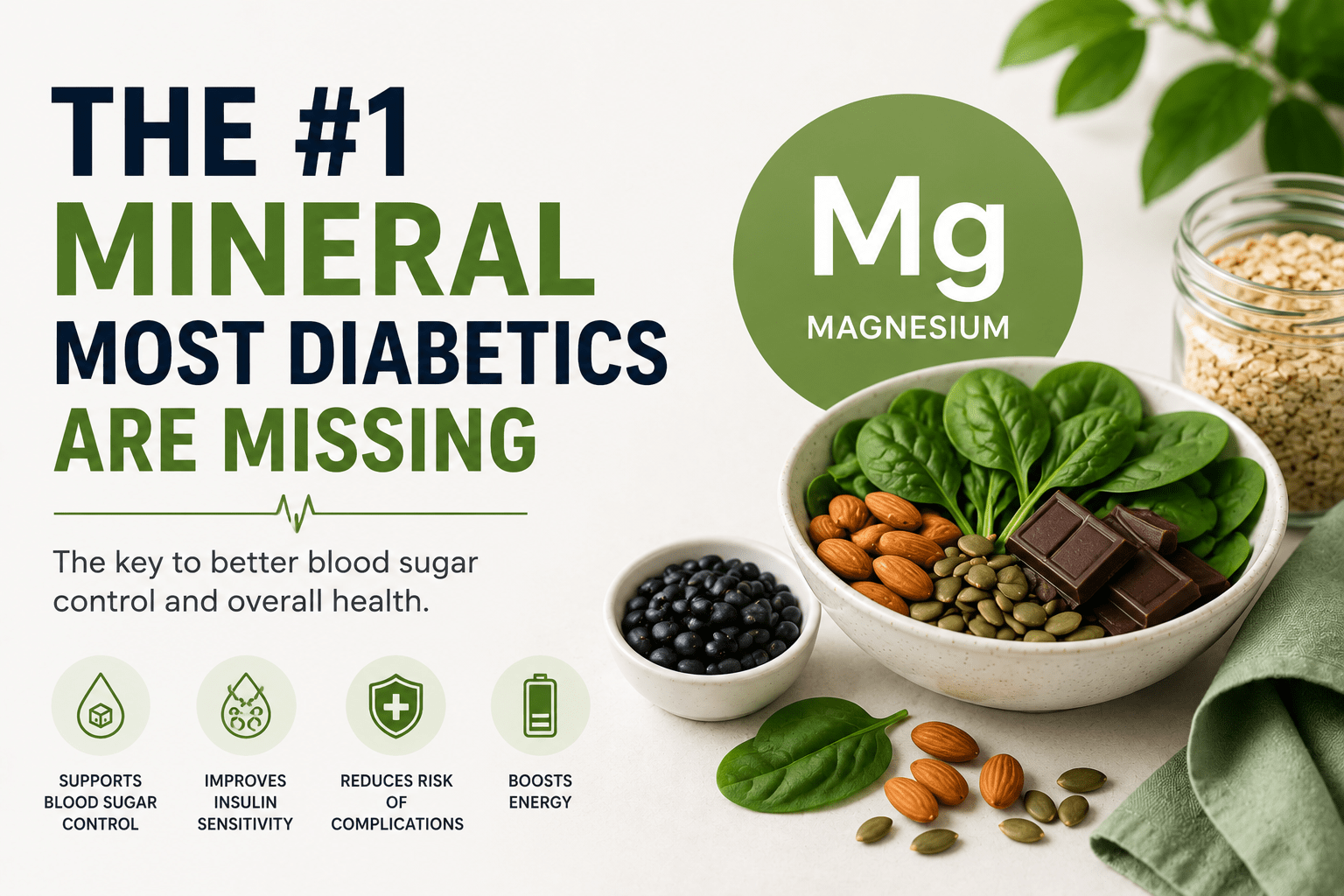
The #1 Mineral Most Diabetics Are Missing
Diabetes management is a complex journey, and while medications and lifestyle changes play critical roles, one often-overlooked factor could be making a significant difference: magnesium. This essential mineral, which the body cannot produce on its own, is frequently deficient in people with diabetes. From supporting insulin sensitivity to regulating blood sugar levels, magnesium’s role in metabolic health is both profound and underappreciated. In this article, we’ll explore why magnesium is the #1 mineral most diabetics are missing, how it impacts diabetes management, and practical ways to incorporate it into your routine.
Why Magnesium Matters for Diabetes Management
Magnesium is a vital mineral involved in over 300 biochemical reactions in the body, including those that regulate blood sugar, nerve function, and muscle contraction. For people with diabetes, magnesium deficiency is a common issue that can exacerbate complications. Research suggests that up to 60% of individuals with type 2 diabetes may have low magnesium levels, which can impair insulin sensitivity and contribute to poor glucose control.
Insulin resistance is a hallmark of type 2 diabetes, and magnesium plays a key role in how the body responds to insulin. Studies published in the Journal of Diabetes Research and Diabetes Care indicate that magnesium deficiency can disrupt insulin signaling pathways, making it harder for cells to absorb glucose from the bloodstream. This creates a vicious cycle: high blood sugar levels can further deplete magnesium stores, worsening the condition.
Recent Research on Magnesium and Diabetes
Recent studies have shed light on the intricate relationship between magnesium and diabetes. A 2023 meta-analysis in the European Journal of Endocrinology found that magnesium supplementation significantly improved glycemic control in people with type 2 diabetes, reducing HbA1c levels by an average of 0.4%. Another study from 2022, published in Frontiers in Nutrition, highlighted that magnesium deficiency is linked to an increased risk of diabetic complications, including cardiovascular disease and neuropathy.
These findings align with clinical observations. Dr. Sarah Lin, an endocrinologist at the Mayo Clinic, notes, “Magnesium acts as a cofactor for enzymes involved in glucose metabolism. When levels are low, the body’s ability to process sugar is compromised.” This underscores the importance of addressing magnesium deficiency as part of a comprehensive diabetes care plan.
Key Benefits of Magnesium for Diabetics
- Improves Insulin Sensitivity: Magnesium enhances the body’s ability to use insulin effectively, helping to lower blood sugar levels.
- Supports Blood Sugar Regulation: By aiding in glucose metabolism, magnesium helps maintain stable blood sugar levels throughout the day.
- Reduces Inflammation: Chronic inflammation is a risk factor for diabetes complications. Magnesium has anti-inflammatory properties that may mitigate this risk.
- Protects Against Complications: Adequate magnesium levels are associated with a lower risk of diabetic neuropathy, retinopathy, and cardiovascular disease.
- Enhances Energy Levels: Magnesium is crucial for ATP production, which fuels cellular functions and helps combat fatigue often experienced by diabetics.
How to Get Enough Magnesium
While magnesium supplements can be beneficial, it’s best to prioritize whole foods first. Here are some magnesium-rich options for diabetics:
| Food | Magnesium Content (per 100g) | Serving Size |
|---|---|---|
| Spinach | 29 mg | 1 cup cooked |
| Almonds | 268 mg | 1 ounce |
| Black Beans | 107 mg | 1 cup cooked |
| Dark Chocolate (70%+ cocoa) | 121 mg | 1 ounce |
| Whole Grains (e.g., Brown Rice) | 34 mg | 1 cup cooked |
These foods not only provide magnesium but also offer other nutrients beneficial for diabetes management, such as fiber, antioxidants, and healthy fats.
Supplement Considerations
If dietary intake is insufficient, magnesium supplements may be necessary. However, it’s crucial to consult a healthcare provider before starting any supplement regimen. The recommended daily allowance (RDA) for magnesium varies by age and gender, but for adults, it typically ranges from 310–420 mg per day.
There are several forms of magnesium supplements, including magnesium citrate, glycinate, and oxide. Magnesium glycinate is often preferred for its better absorption and fewer side effects. However, high doses can cause gastrointestinal issues, so it’s important to start with a low dose and gradually increase as needed.
Risks and Side Effects of Magnesium Deficiency
Magnesium deficiency can lead to a range of health issues, particularly for diabetics. Common symptoms include:
- Increased thirst and frequent urination
- Fatigue and weakness
- Insomnia
- Irregular heartbeats
- High blood pressure
Severe magnesium deficiency can result in more serious complications, such as seizures or cardiac arrhythmias. These risks are heightened in individuals with diabetes due to the already compromised metabolic state.
Practical Tips for Magnesium Intake
Incorporating magnesium into your daily routine doesn’t have to be complicated. Here are some actionable tips:
- Include magnesium-rich foods in meals: Add spinach to salads, snack on almonds, or use whole grains as a base for meals.
- Stay hydrated: Water helps the body absorb and utilize magnesium more effectively.
- Monitor blood sugar levels: Track how magnesium intake affects your glucose levels, and adjust your diet or supplements accordingly.
- Consider a magnesium supplement: If dietary sources are inadequate, discuss supplementation with your healthcare provider.
- Limit processed foods: These often lack magnesium and may contribute to poor nutrient intake.
FAQ: Frequently Asked Questions About Magnesium and Diabetes
What is the #1 mineral most diabetics are missing?
Magnesium is the #1 mineral most diabetics are missing. Research shows that up to 60% of people with type 2 diabetes have magnesium deficiencies, which can impair insulin sensitivity and blood sugar control.
How does magnesium help with diabetes?
Magnesium supports insulin sensitivity, aids in glucose metabolism, and reduces inflammation. It also helps protect against complications like neuropathy and cardiovascular disease.
Can magnesium supplements help manage diabetes?
Research suggests that magnesium supplementation may improve glycemic control in people with type 2 diabetes. However, it’s important to consult a healthcare provider before starting any supplement regimen.
What are the best food sources of magnesium for diabetics?
Spinach, almonds, black beans, dark chocolate (70%+ cocoa), and whole grains are excellent magnesium-rich foods that also support diabetes management.
Are there risks of taking too much magnesium?
Excessive magnesium from supplements can cause gastrointestinal issues like nausea and diarrhea. It’s important to follow recommended dosages and consult a healthcare provider.
Conclusion
Magnesium is a critical mineral that many diabetics overlook, yet its role in managing blood sugar and preventing complications is undeniable. By understanding its benefits, incorporating magnesium-rich foods into your diet, and consulting with healthcare professionals, you can take a proactive step toward better diabetes management. Remember, while magnesium is a valuable tool, it should complement—not replace—medical advice and treatment plans.
Call to Action
If you’re living with diabetes and want to explore how magnesium can support your health, start by assessing your diet and discussing supplementation options with your doctor. Small changes today can lead to significant improvements in your long-term health. Stay informed, stay proactive, and take control of your diabetes journey with the right tools and knowledge.
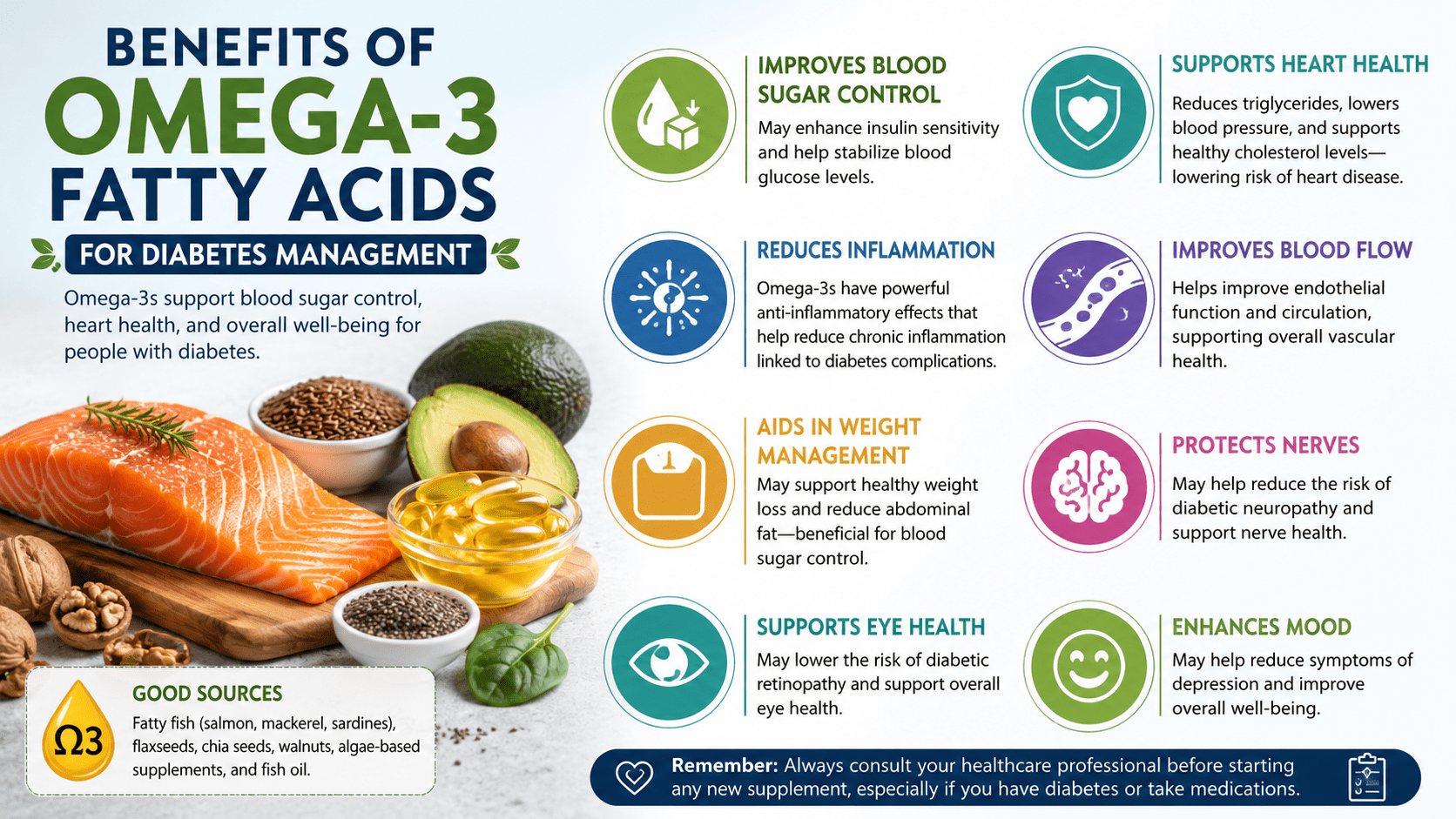
Understanding the Benefits of Omega-3 Fatty Acids for Diabetes Management
Omega-3 fatty acids have gained significant attention in recent years due to their potential benefits in managing diabetes. These essential fatty acids, particularly EPA and DHA, have been found to play a crucial role in reducing inflammation, improving insulin sensitivity, and supporting overall cardiovascular health.
What are Omega-3 Fatty Acids?
Omega-3 fatty acids are polyunsaturated fats that can be found primarily in fish and seafood. They are essential for various bodily functions, including the production of brain and nerve function, as well as the regulation of inflammation.
How do Omega-3 Fatty Acids Help with Diabetes Management?
Research suggests that omega-3 fatty acids may help reduce inflammation in the body, which is a key factor in the development of diabetes. Studies have found that individuals with type 2 diabetes who consume a diet rich in omega-3 fatty acids tend to have better insulin sensitivity and lower blood sugar levels compared to those who do not.
Another study published in the Journal of Nutrition found that omega-3 supplementation may also help reduce inflammation in the body, which is associated with an increased risk of cardiovascular disease. Cardiovascular disease is a major complication for individuals with diabetes, as it can lead to heart attack and stroke.
Benefits of Omega-3 Fatty Acids for Diabetes Management
- Improved insulin sensitivity
- Reduced inflammation
- Lower risk of cardiovascular disease
- Improved mental health and cognitive function
The benefits of omega-3 fatty acids for diabetes management are numerous. By reducing inflammation and improving insulin sensitivity, individuals with diabetes can better manage their blood sugar levels and reduce their risk of complications.
Risks and Side Effects of Omega-3 Fatty Acids
While omega-3 fatty acids are generally considered safe to consume, there are some potential risks and side effects associated with their use. These include:
- Allergic reactions
- Bleeding disorders
- Pregnancy and breastfeeding complications
It is essential to consult with a healthcare professional before starting an omega-3 supplement regimen, particularly if you are pregnant or breastfeeding. They can help determine the best course of action for your individual needs.
Practical Tips for Incorporating Omega-3 Fatty Acids into Your Diet
Incorporating omega-3 fatty acids into your diet is easy and delicious. Here are some practical tips to get you started:
Fatty Fish Options
| Fish | Omega-3 Content (mg) |
|---|---|
| Salmon | 1800 mg |
| Mackerel | 1300 mg |
| Tuna | 900 mg |
Supplement Options
| Supplement | Omega-3 Content (mg) |
|---|---|
| Vitamin E supplements with omega-3 fatty acids | 3000 mg |
| Algal oil supplements | 1000-2000 mg |
Incorporating omega-3 fatty acids into your diet can be as simple as adding a handful of flaxseeds or walnuts to your daily meal routine. You can also find these essential fatty acids in supplement form, such as vitamin E supplements with omega-3 fatty acids or algal oil supplements.
Conclusion
In conclusion, omega-3 fatty acids are an essential nutrient that plays a crucial role in diabetes management. By reducing inflammation and improving insulin sensitivity, individuals with diabetes can better manage their blood sugar levels and reduce their risk of complications. With practical tips on incorporating these essential fatty acids into your diet, you can take the first step towards improving your overall health and well-being.
If you have any questions or concerns about omega-3 fatty acids and diabetes management, please don’t hesitate to reach out to us at [LazyHabit.com](http://www.lazyhhabit.com). Our team of experts is dedicated to providing you with the most up-to-date and accurate information on all things health and wellness.
FAQs
-
- Q: Do omega-3 fatty acids cure diabetes?
A: No, omega-3 fatty acids do not cure diabetes. They can help improve insulin sensitivity and reduce inflammation, but they should be used in conjunction with a healthy diet and lifestyle.
-
- Q: Can I take too much omega-3 supplement?
A: Yes, taking excessive amounts of omega-3 supplements can lead to adverse effects such as bleeding disorders. Always consult with a healthcare professional before starting any supplement regimen.
-
- Q: Are all types of fish good for me when it comes to omega-3 fatty acids?
A: No, not all types of fish are created equal when it comes to omega-3 fatty acids. Fatty fish such as salmon and mackerel tend to have higher levels of these essential nutrients compared to leaner fish like cod or tilapia.
-
- Q: Can I get enough omega-3 fatty acids from flaxseeds alone?
A: No, while flaxseeds are a good source of omega-3 fatty acids, they do not provide enough for daily needs. Combining flaxseed consumption with other sources of omega-3 fatty acids such as fish or supplements is recommended.
-
- Q: Are algal oil supplements safe for pregnant women?
A: Yes, algal oil supplements are generally considered safe for pregnant women. However, always consult with a healthcare professional before starting any supplement regimen during pregnancy.
Call to Action
Take the first step towards improving your overall health and well-being by incorporating omega-3 fatty acids into your diet. Consult with a healthcare professional or registered dietitian for personalized advice on managing diabetes through nutrition and lifestyle changes.
Get Started Today!


Berberine as a metformin alternative

Best foods for fatty liver and diabetes

The truth about artificial sweeteners

Houseplant Leaves – A Traditional Ally for Stable Blood Sugar

Hibiscus Tea and Diabetes: A Natural Ally for Blood Sugar Control

7-Day Diabetes Meal Plan for Beginners
-
 Herbal Remedies2 years ago
Houseplant Leaves – A Traditional Ally for Stable Blood Sugar
-
 Diabetes Tips2 years ago
Hibiscus Tea and Diabetes: A Natural Ally for Blood Sugar Control
-
 Diabetes Tips2 years ago
7-Day Diabetes Meal Plan for Beginners
-

 Meal Plans2 years ago
The Lazy 3-Day Diabetic Meal Plan That Keeps Your Blood Sugar Happy
-

 Herbal Remedies2 years ago
Mulberry Leaf Extract: A Natural Solution for Managing Blood Sugar
-

 Diabetes Tips2 years ago
Structured Meal Planning for Type 2 Diabetes: A Scientific Approach
-

 Herbal Remedies2 years ago
Mulberry Leaves and Blood Sugar: Natural Block for Glucose Absorption
-

 Herbal Remedies2 years ago
Bay Leaf and Diabetes : Natural Support for Blood Sugar