Herbal Remedies
Wild Thyme and Diabetes: A Natural Herbal Ally for Blood Sugar
Wild Thyme (Thymus serpyllum) and Diabetes: Herbal Support for Blood Sugar Management
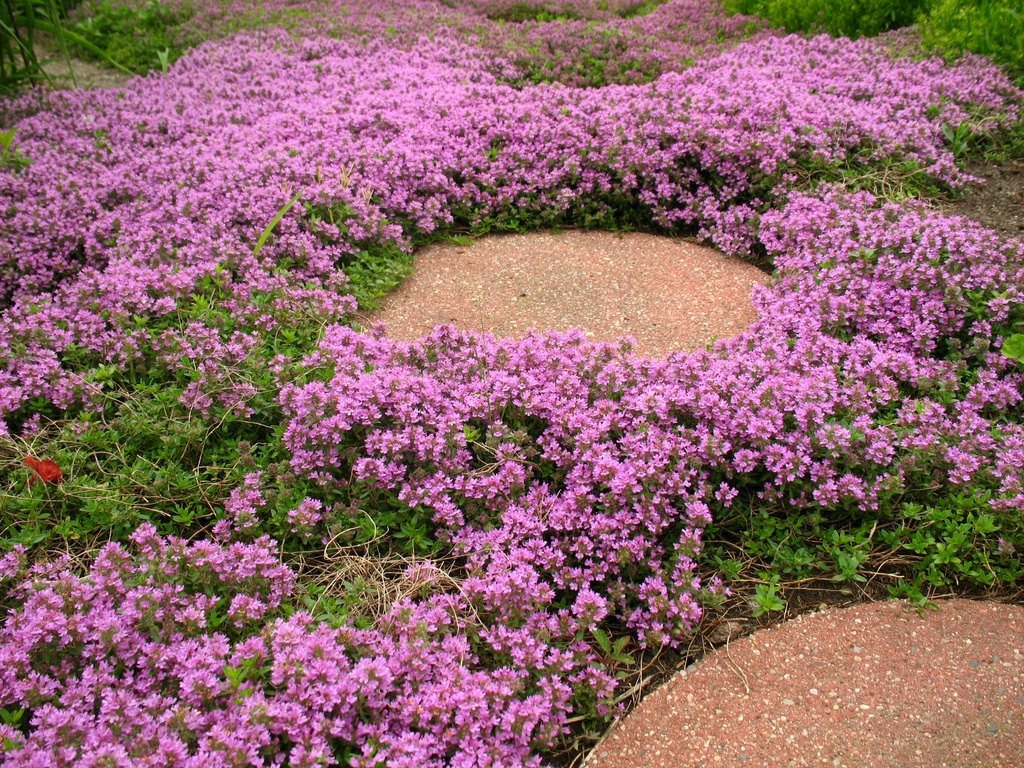

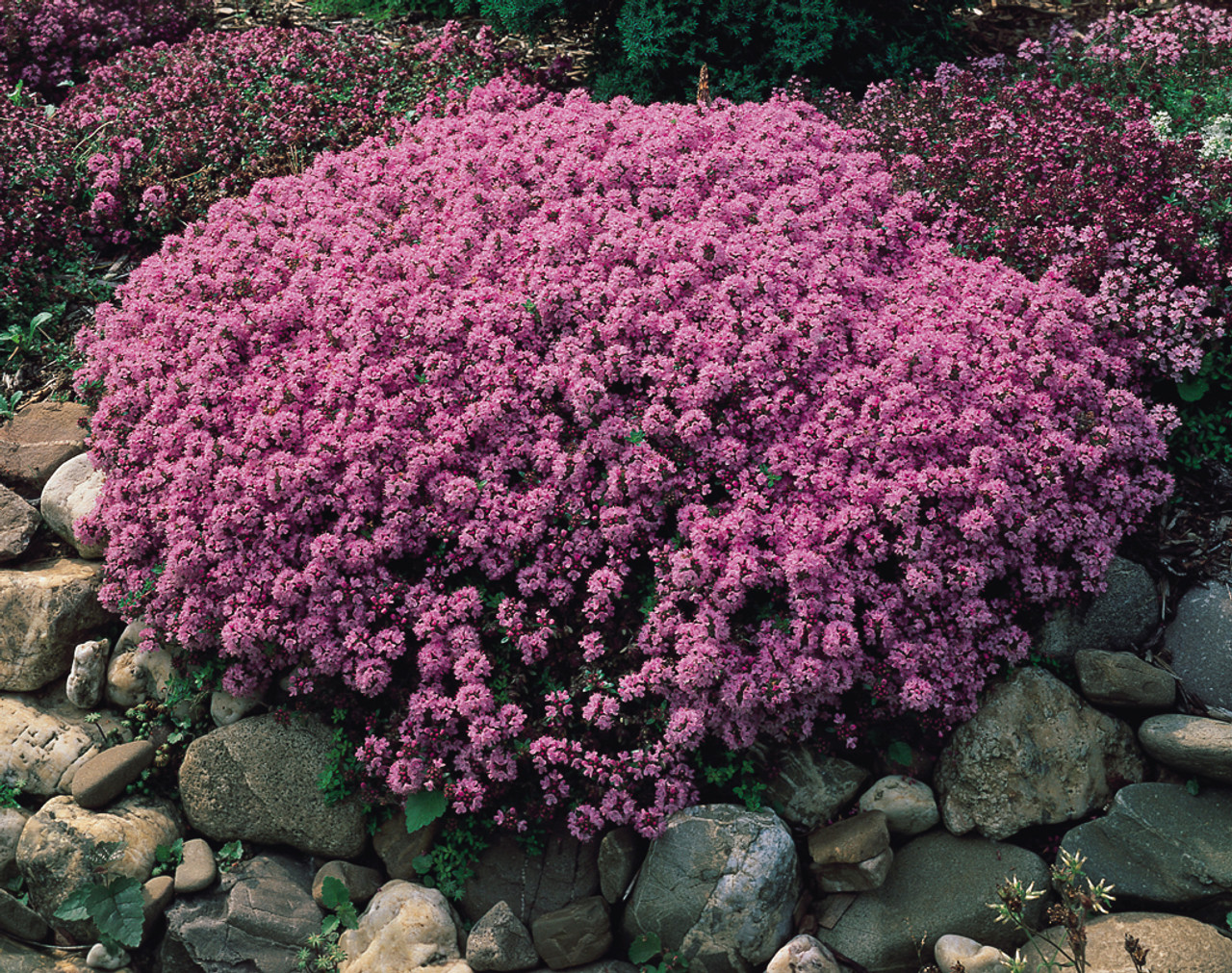
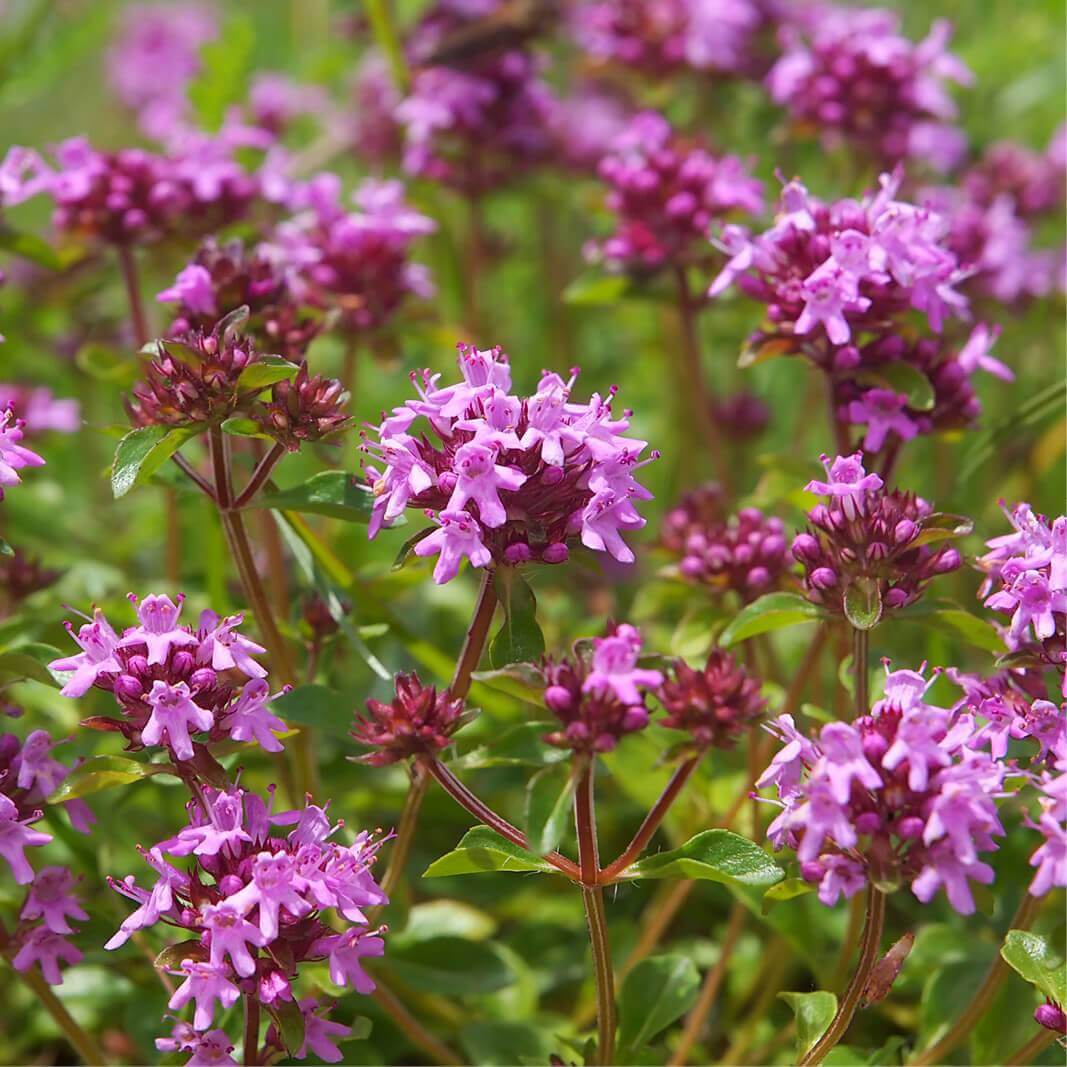
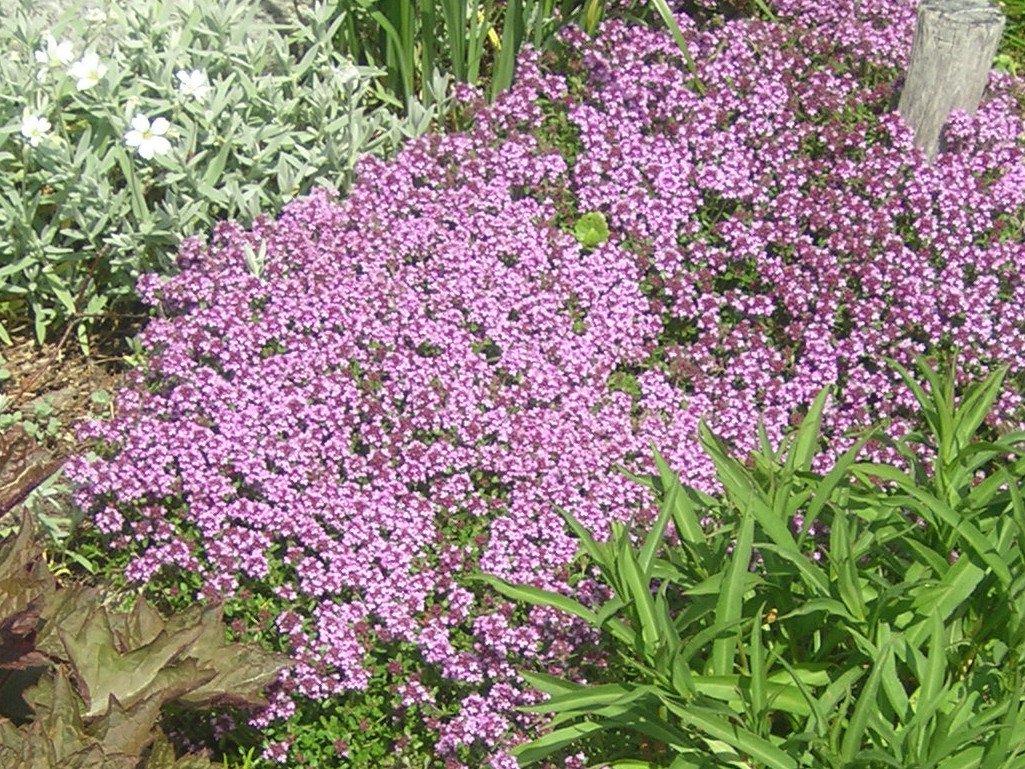
Wild thyme (Thymus serpyllum), often called “mountain thyme” or “mother’s thyme,” is a fragrant, medicinal herb traditionally used in European folk medicine — particularly in the Balkans, including Macedonia. It grows in high-altitude meadows and dry fields and has long been prized for its antimicrobial, anti-inflammatory, and antioxidant properties.
What Makes Wild Thyme Powerful?
This herb is rich in active phytochemicals such as thymol, carvacrol, and a variety of flavonoids. These compounds are well-documented for their ability to:
- Reduce chronic inflammation
- Combat oxidative stress
- Support immune function
- Improve gut and liver health
Connection Between Inflammation and Diabetes
Chronic low-grade inflammation is a known contributor to insulin resistance and progression of type 2 diabetes. The anti-inflammatory nature of wild thyme makes it a candidate for complementary support. Flavonoids found in wild thyme inhibit inflammatory pathways like NF-κB and reduce production of cytokines like TNF-α and IL-6.

🔬 Scientific Insight:
A 2020 study published in Biomedicine & Pharmacotherapy found that thymol, one of the main constituents of thyme oil, significantly reduced oxidative stress markers in diabetic rats and improved insulin response.
Effects on Blood Sugar Control
Wild thyme appears to modulate glucose metabolism in two main ways:
- Enzyme inhibition: It slows carbohydrate breakdown by inhibiting digestive enzymes like α-amylase and α-glucosidase, reducing postprandial glucose spikes.
- Insulin sensitivity: It enhances insulin receptor signaling, improving the cellular uptake of glucose.
📈 Clinical Observation:
In a 2017 Iranian trial using Thymus vulgaris (a relative species), participants showed reduced fasting glucose levels after 30 days of supplementation. While more human studies on Thymus serpyllum are needed, its phytochemical profile is remarkably similar.
Supporting Liver and Digestive Health
Wild thyme also acts as a mild hepatoprotective agent. Diabetics often suffer from non-alcoholic fatty liver disease (NAFLD). Thymol and carvacrol help stimulate bile production and improve lipid metabolism, promoting detox and supporting overall digestive wellness.
Best Ways to Use Wild Thyme
- Herbal tea: Steep 1 tsp dried thyme in hot water for 10 minutes. Drink 1–2 cups daily.
- Tincture: 10–20 drops up to 3x per day in water (under professional supervision).
- Culinary use: Add to soups, stews, or roasted vegetables.
⚠️ Important: While beneficial, wild thyme should not replace prescribed diabetes medications. It is best used as complementary support in a holistic diabetes management plan.

Real People, Real Benefits
“I started using wild thyme tea after meals, and my post-meal blood sugar stopped spiking like before. Plus, it’s soothing!”
— Elena K., 58, Colorado
“As someone managing prediabetes, incorporating mountain thyme into my diet has helped ease bloating and stabilize my sugar levels.”
— James D., 44, Oregon
🧠 Fun Facts About Wild Thyme
- The name “Thymus” comes from the Greek word “thymos” meaning courage — it was burned in temples to promote bravery.
- It was used as an embalming herb in ancient Egypt due to its antibacterial power.
- Bees love wild thyme — thyme honey is considered highly medicinal in Balkan regions.
📊 Did You Know?
- According to the CDC, 1 in 10 Americans has diabetes.
- Herbs like wild thyme with antioxidant properties may reduce oxidative damage in pancreatic β-cells.
- Flavonoids in thyme have shown to be more potent than Vitamin C in scavenging free radicals.

Conclusion
Wild thyme is not just a fragrant culinary herb — it’s a medicinal plant with evidence-backed potential for supporting those managing diabetes. From reducing inflammation and supporting liver detox to improving blood sugar control, this humble herb is proving its worth in modern integrative care.
As always, speak to your healthcare provider before adding any new herbs to your routine, especially if you are on medications.
📚 Scientific References
- Hosseinzadeh H, et al. “Antioxidant and antidiabetic effects of thymol and carvacrol.” Biomedicine & Pharmacotherapy, 2020.
- Khazdair MR. “The protective effects of Thymus species on metabolic and inflammatory disorders.” Iran J Basic Med Sci, 2017.
- CDC. “National Diabetes Statistics Report”, 2023.
- Shabani M, et al. “Thyme extract and blood glucose: A randomized clinical trial.” Complementary Therapies in Medicine, 2017.