Diabetes Tips
Hibiscus Tea and Diabetes: A Natural Ally for Blood Sugar Control
Hibiscus Tea and Diabetes: A Natural Ally for Blood Sugar Control
Category: Diabetes Tips | Author: LazyHabit Team | Published: April 2025
What Is Hibiscus Tea?
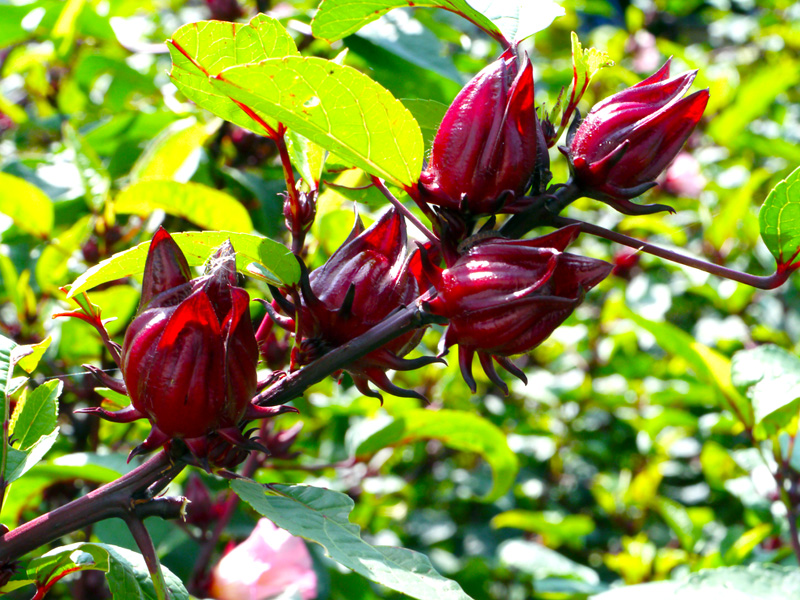
Hibiscus tea is a caffeine-free herbal infusion known for its tart, cranberry-like flavor and deep red color. Rich in antioxidants like anthocyanins and polyphenols, it has been used for centuries in traditional medicine to lower blood pressure, support the liver, and reduce inflammation.

Scientific Research: Hibiscus and Blood Sugar
Several studies suggest that hibiscus may help with blood sugar management:
- Some clinical trials report improved insulin sensitivity and lower fasting glucose levels in individuals who regularly consume hibiscus tea.
- The antioxidants in hibiscus may reduce oxidative stress—a key factor in diabetic complications such as nerve damage and heart disease.
- Hibiscus may help lower triglycerides and LDL cholesterol, which are often elevated in people with type 2 diabetes.
While more long-term human studies are needed, early evidence points to a promising role for hibiscus as a supportive drink for metabolic health.
How to Use Hibiscus Tea Safely
If you’re considering adding hibiscus to your diabetes care routine, keep these tips in mind:
- Drink it unsweetened: Avoid adding sugar or honey, which can spike blood glucose.
- Start with one cup per day: Some people are sensitive to hibiscus, especially in higher amounts.
- Consult your doctor: Hibiscus may interact with blood pressure or diabetes medications by lowering values too much.
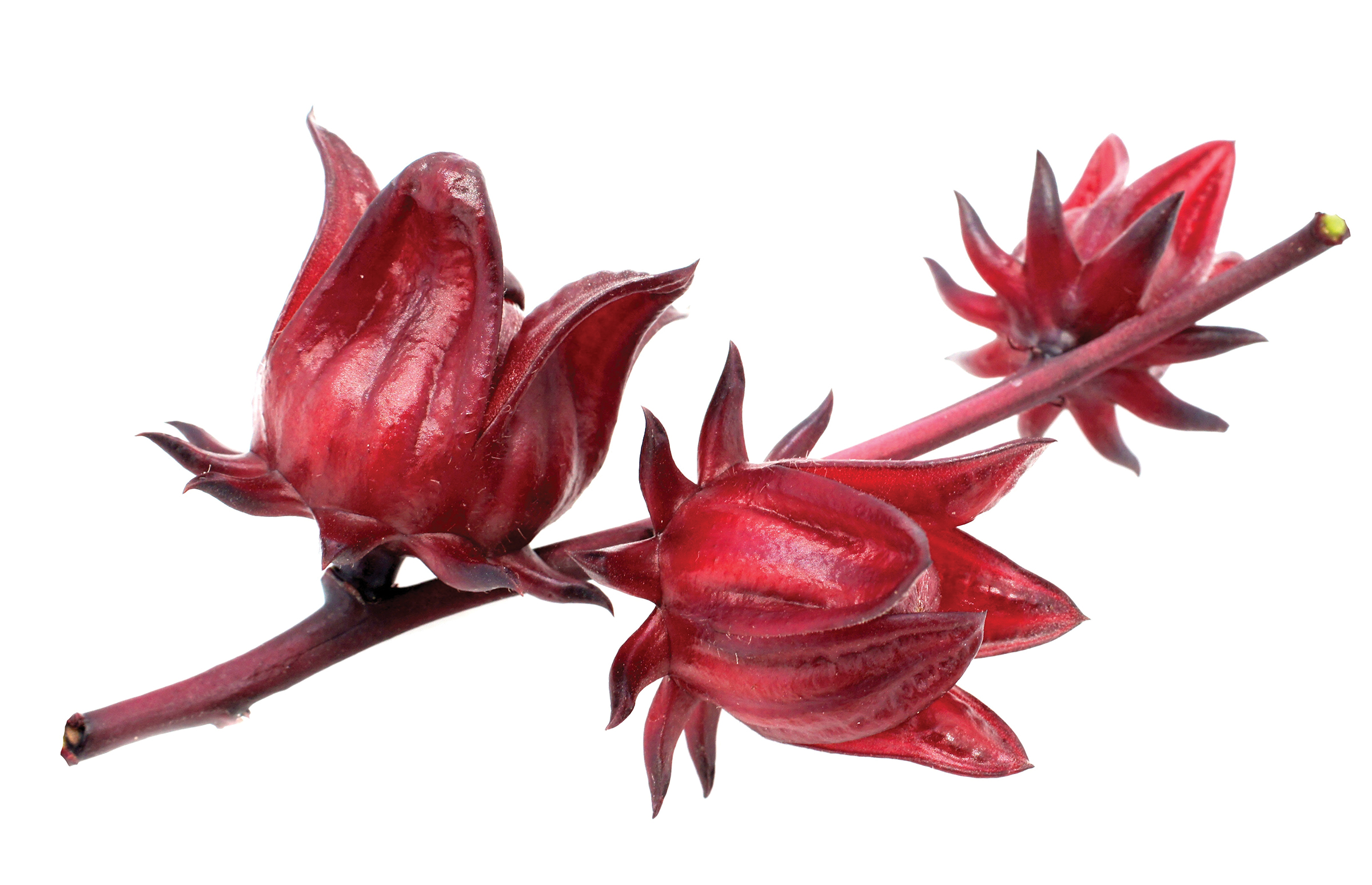
- Make it at home: Steep 1 tablespoon of dried hibiscus petals in hot water for 5–10 minutes, then chill or serve warm.

Who Should Be Cautious?
Hibiscus is generally considered safe for most adults, but it may not be ideal if you:
- Take diuretics or antihypertensive medications
- Are pregnant or breastfeeding
- Have low blood pressure (hypotension)
Always speak with your healthcare provider before making dietary changes, especially if you’re managing a chronic condition like diabetes.
Hibiscus and Lifestyle Synergy
Hibiscus tea works best when combined with other diabetes-friendly lifestyle choices, such as:
- Eating high-fiber meals
- Engaging in daily physical activity
- Getting consistent sleep
- Managing stress with mindfulness or light walks
It’s not a magic fix—but it can be a useful tool in your diabetes toolkit.

Final Thoughts
For people living with diabetes, small habits add up. Swapping a sugary beverage for a cup of antioxidant-rich hibiscus tea is a simple choice that may support your health in meaningful ways. Just be mindful, stay consistent, and always listen to your body—and your doctor.
At LazyHabit, we believe wellness is built on daily rituals. If hibiscus fits your routine, enjoy it regularly and reap the benefits one sip at a time.