Herbal Remedies
Turmeric and Diabetes: Natural Inflammation Support and Insulin Resistance Aid
Turmeric and Diabetes: Nature’s Golden Ally Against Inflammation and Insulin Resistance
Category: Herbal Remedies | Published by: LazyHabit Health Team
What is Turmeric?
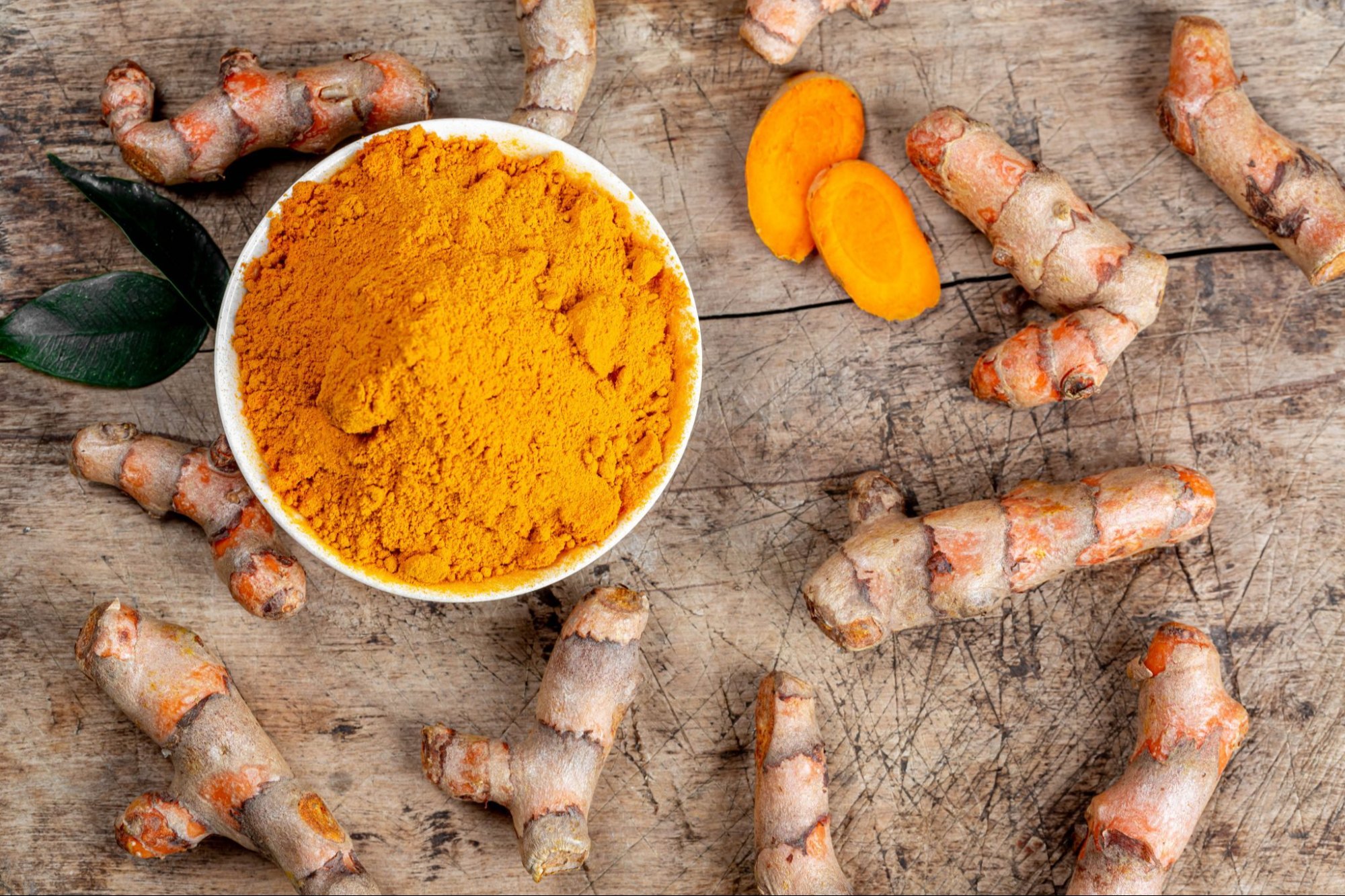
Turmeric (Curcuma longa) is a golden-hued spice known for its medicinal and culinary properties, widely used in Ayurvedic and traditional Chinese medicine. The primary active component in turmeric is curcumin, a potent compound with anti-inflammatory, antioxidant, and metabolic benefits—especially for people managing type 2 diabetes.

Scientific Insight: How Turmeric Helps with Diabetes
One of the most significant benefits of turmeric for those with diabetes is its ability to reduce insulin resistance. Insulin resistance is a hallmark of type 2 diabetes, where the body’s cells fail to respond properly to insulin, leading to elevated blood sugar levels. Studies have shown that curcumin helps improve the insulin sensitivity of cells, which supports better glucose uptake from the bloodstream.
According to a randomized, double-blind, placebo-controlled trial published in Diabetes Care (2012), prediabetic individuals who consumed 1500 mg of curcumin daily for nine months had a significantly lower risk of developing type 2 diabetes compared to those on placebo. None of the participants in the curcumin group developed diabetes, compared to over 16% in the placebo group.
Turmeric’s Anti-inflammatory Properties
Chronic systemic inflammation is a major driver of insulin resistance and beta-cell damage in the pancreas. Turmeric’s powerful anti-inflammatory action, largely attributed to curcumin, reduces pro-inflammatory cytokines such as TNF-α, IL-6, and CRP. This helps protect pancreatic cells and reduce the progression of diabetic complications such as neuropathy, nephropathy, and cardiovascular disease.
Antioxidant Defense: Fighting Oxidative Stress
Diabetic individuals often suffer from oxidative stress—a condition where free radicals overwhelm the body’s antioxidant defenses. Curcumin is a potent antioxidant that neutralizes free radicals and enhances the activity of the body’s natural antioxidant enzymes like superoxide dismutase (SOD), glutathione peroxidase, and catalase.
Research from Journal of Endocrinology and Metabolism shows that curcumin supplementation can lower markers of oxidative stress and improve mitochondrial function, which is crucial for efficient metabolism.

Improving Liver Function and Metabolism
Turmeric also supports liver health, which is essential in diabetes management. The liver plays a key role in glucose storage and regulation, and diabetic individuals often experience fatty liver or impaired liver function. Curcumin has been shown to reduce liver enzymes and fat accumulation in the liver, thereby improving metabolic health.
Bioavailability: How to Maximize Turmeric’s Effects
One of the challenges with curcumin is its low bioavailability. On its own, curcumin is poorly absorbed into the bloodstream. However, pairing it with black pepper (which contains piperine) increases absorption by up to 2000%. Additionally, consuming turmeric with healthy fats like coconut oil or olive oil enhances absorption, making golden milk and turmeric tea popular and effective choices.
How to Use Turmeric for Diabetes
- Turmeric Tea: A warm beverage made by simmering turmeric powder with black pepper and a dash of healthy fat.
- Golden Milk: A blend of turmeric, cinnamon, ginger, black pepper, and milk (preferably plant-based).
- Supplements: Standardized curcumin extracts (500–1000 mg per day) with piperine.
- Cooking: Add turmeric to stir-fries, soups, and dressings for daily health benefits.

Precautions
While turmeric is generally safe, excessive intake may interact with blood-thinning medications or gallbladder issues. Always consult a healthcare provider before starting any new supplement, especially if you’re on diabetes medication, as turmeric can lower blood sugar levels and may require adjustments to dosage.
Interesting Facts
- India produces over 80% of the world’s turmeric.
- Turmeric has been used for more than 4000 years in traditional medicine.
- Curcumin has shown potential benefits in over 100 different diseases in scientific studies.
Testimonial
“After incorporating turmeric tea into my daily routine, my fasting glucose dropped by 15 points over two months. I feel more energized and less inflamed.” – James T., Florida
Conclusion: Turmeric as a Golden Supplement
Turmeric is truly nature’s golden remedy—its curcumin content offers a multifaceted approach to diabetes management by improving insulin sensitivity, reducing inflammation, fighting oxidative stress, and supporting liver function. Whether enjoyed as a spice, tea, or supplement, turmeric deserves a place in every diabetic’s wellness plan.
Remember: while turmeric is powerful, it’s most effective when used in combination with a healthy lifestyle, regular exercise, and a balanced diet.