Herbal Remedies
Top 10 Herbs for Managing Diabetes Naturally (With Scientific Evidence)
Top 10 Herbs for Managing Diabetes Naturally (With Scientific Evidence)
Published by LazyHabit.com | Category: Diabetes Tips
1. Cinnamon (Cinnamomum verum)
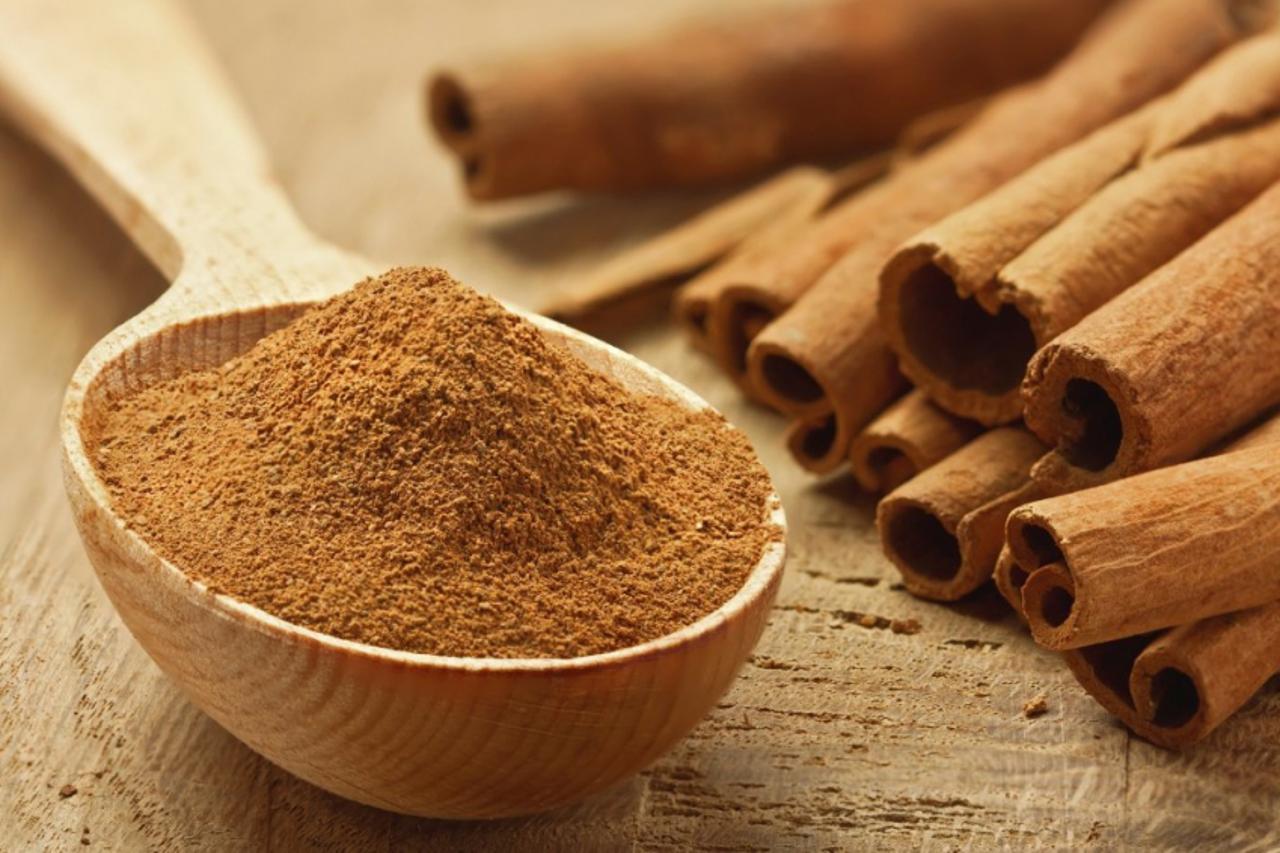
Cinnamon is one of the most studied herbs for diabetes. It has been shown to improve insulin sensitivity and lower fasting blood glucose levels. A meta-analysis published in the Annals of Family Medicine found that cinnamon can significantly reduce HbA1c and fasting blood glucose.

2. Fenugreek (Trigonella foenum-graecum)
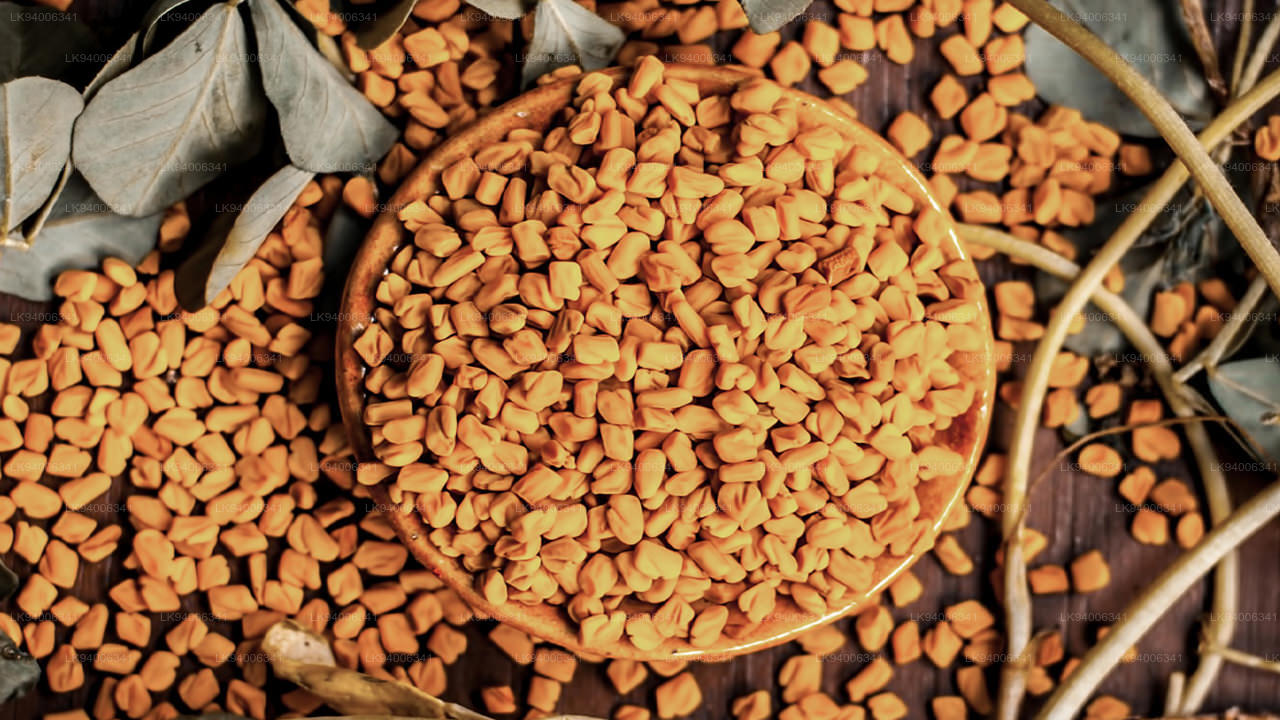

Fenugreek seeds contain soluble fiber, which slows digestion and absorption of carbohydrates. Studies, such as the one in the Journal of Ethnopharmacology, suggest fenugreek may improve glycemic control and reduce insulin resistance.
3. Bitter Melon (Momordica charantia)
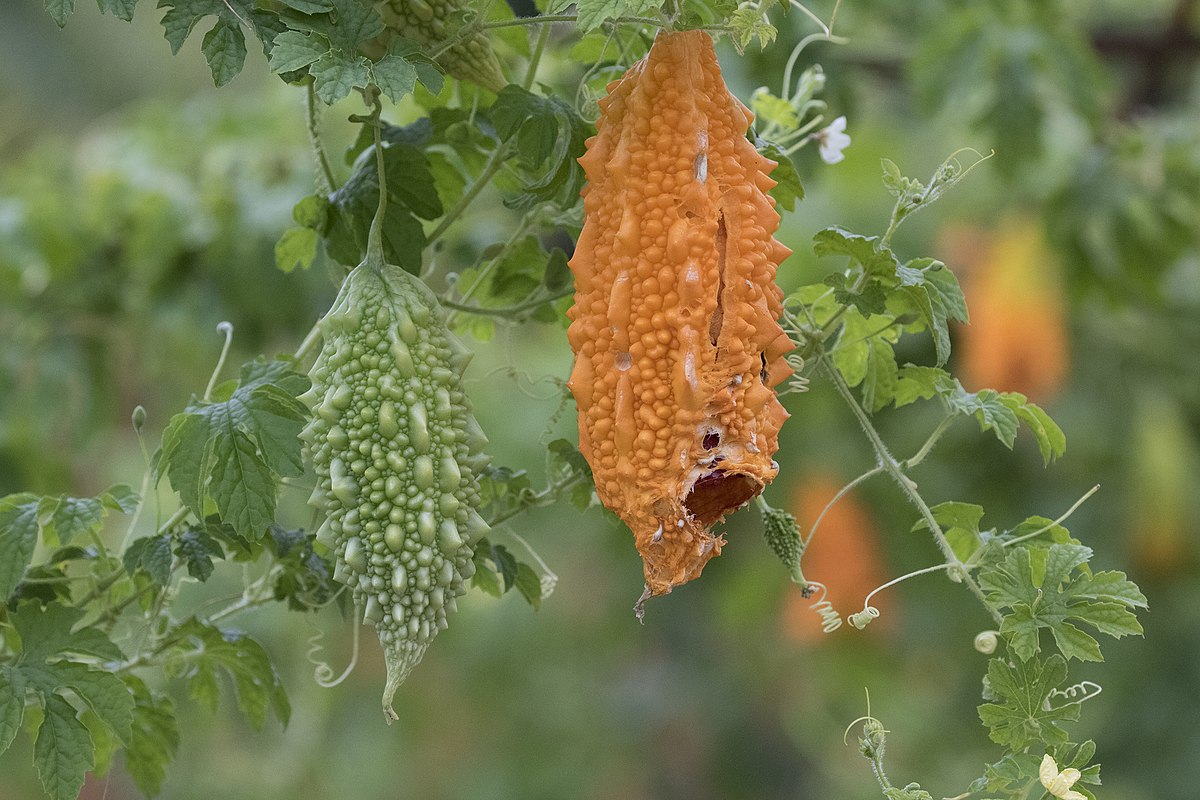

Commonly used in Asia and Africa, bitter melon mimics insulin and helps transport glucose into cells. Research in the Journal of Lipids supports its use for lowering blood glucose in type 2 diabetics.
4. Berberine (from Berberis species)
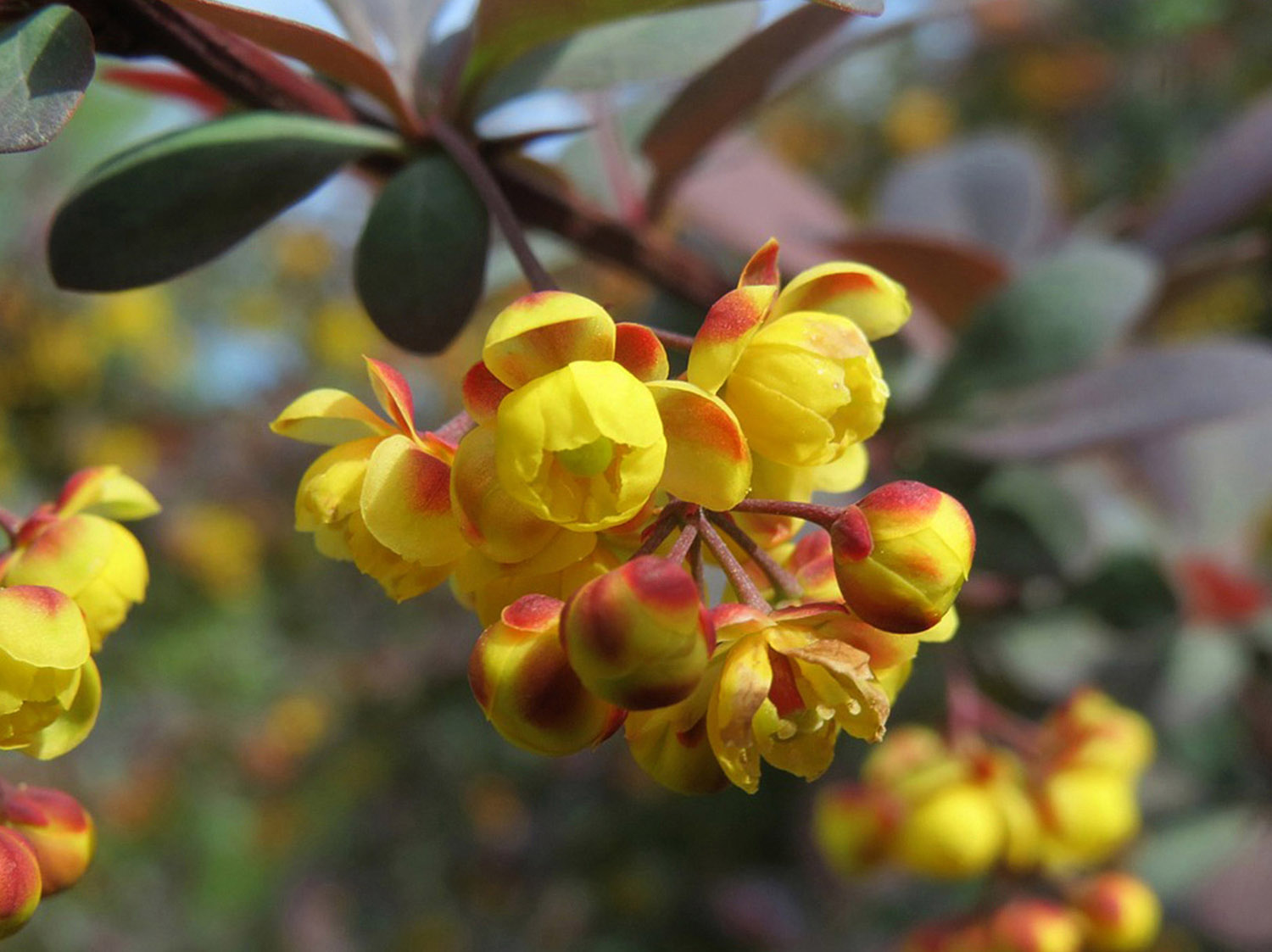

Berberine is a powerful plant alkaloid that activates AMPK, a key enzyme in regulating metabolism. It’s shown to be as effective as Metformin in lowering blood glucose (Metabolism Clinical and Experimental).
5. Gymnema Sylvestre

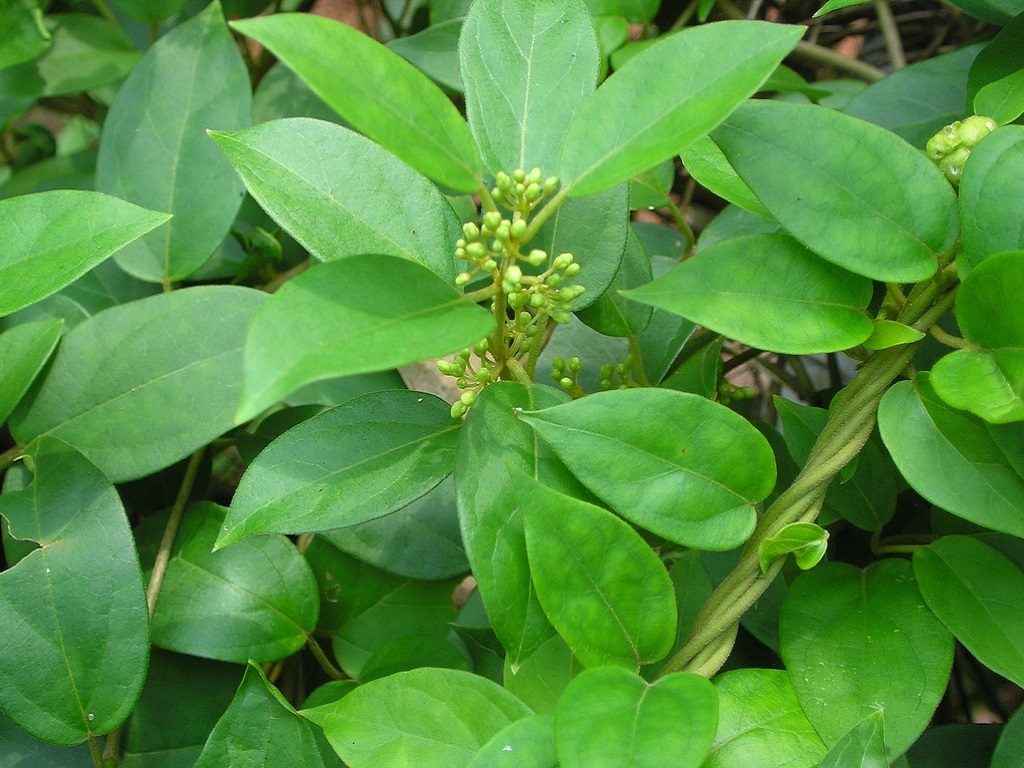
Called the “sugar destroyer” in Ayurvedic medicine, Gymnema reduces the absorption of sugar in the intestines and may regenerate pancreatic beta cells. A study in Diabetes Obesity and Metabolism reported significant reductions in blood glucose after Gymnema supplementation.
6. Aloe Vera
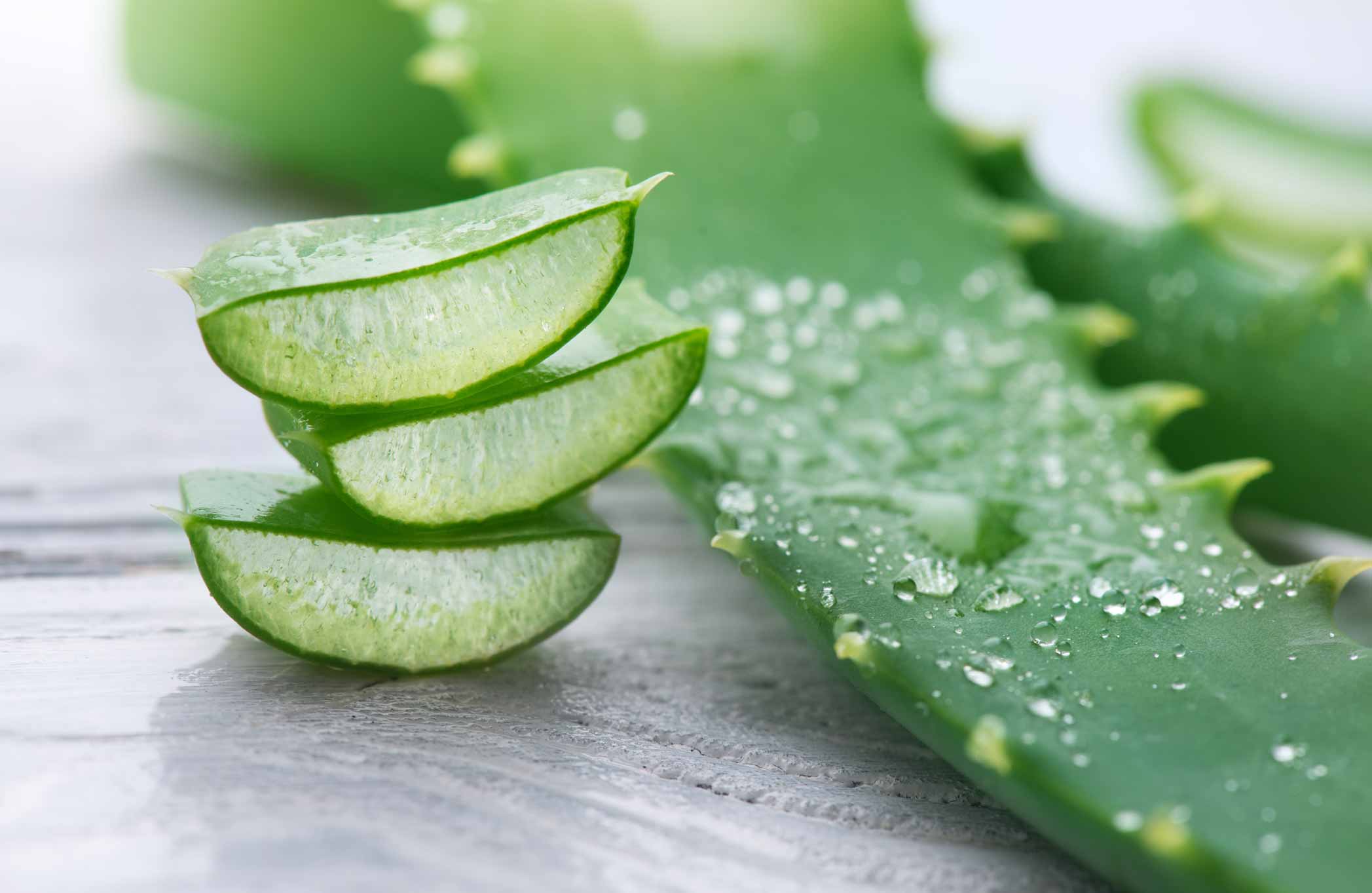

Aloe Vera gel has shown potential to reduce blood glucose and HbA1c levels. A systematic review in the Journal of Clinical Pharmacy and Therapeutics supports its use in diabetes management.
7. Turmeric (Curcuma longa)
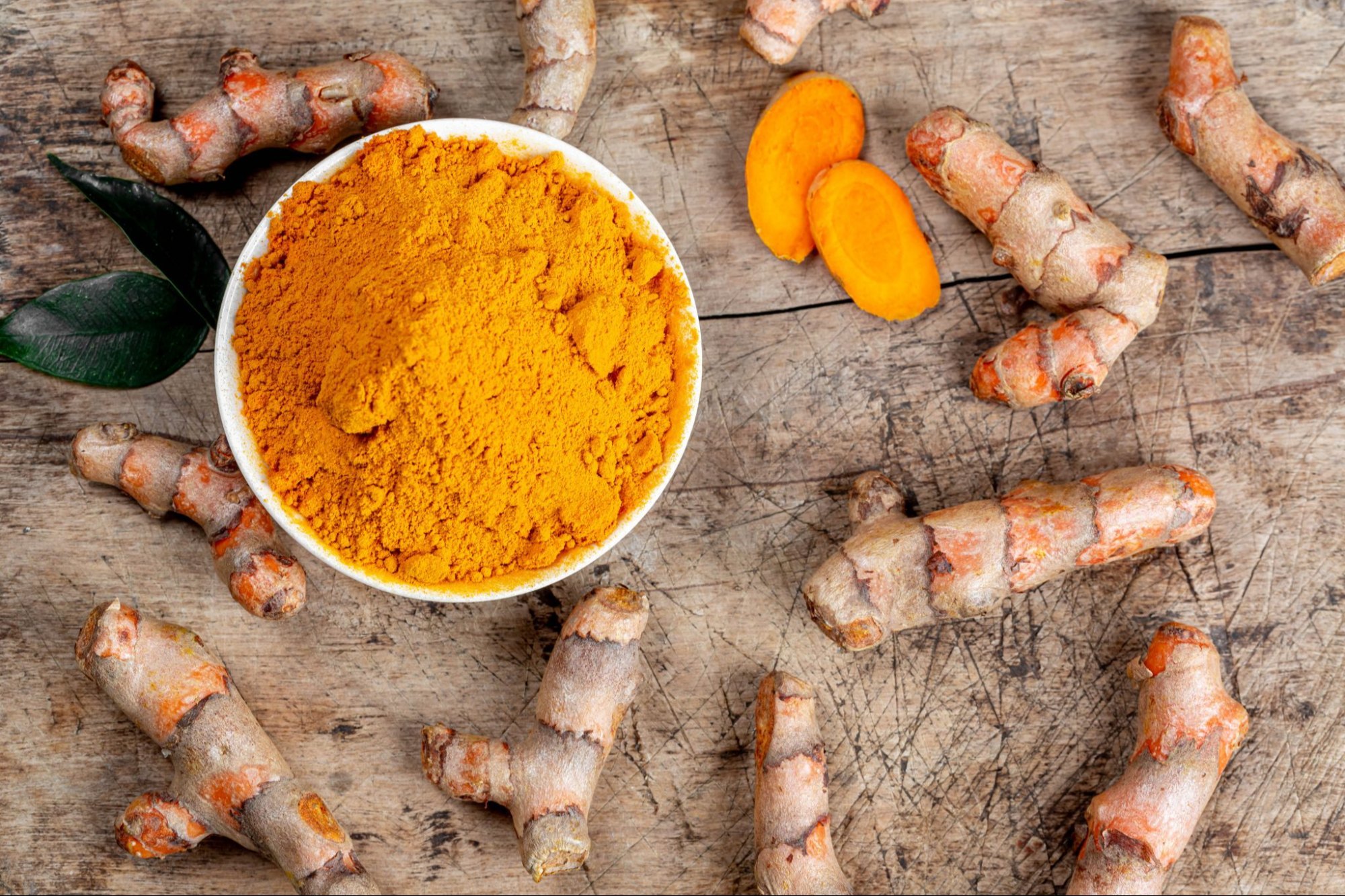

Turmeric’s active compound, curcumin, is a powerful anti-inflammatory and antioxidant. According to research published in Phytotherapy Research, curcumin improves insulin function and reduces glucose levels.
8. Holy Basil (Ocimum sanctum)
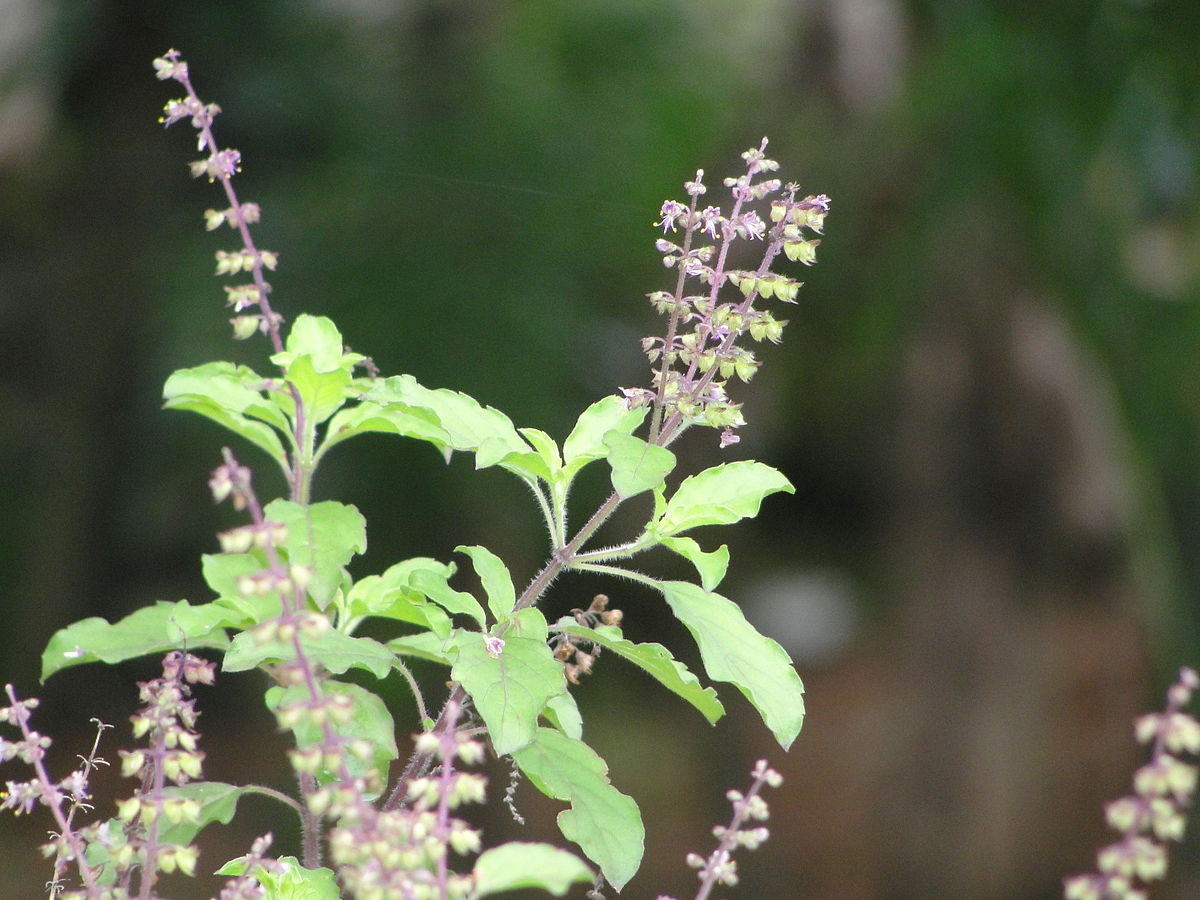

Also known as Tulsi, this adaptogenic herb reduces cortisol and blood sugar. A study published in the Journal of Clinical Pharmacy and Therapeutics showed improvement in fasting blood glucose and HbA1c with holy basil supplementation.
9. Sage (Salvia officinalis)
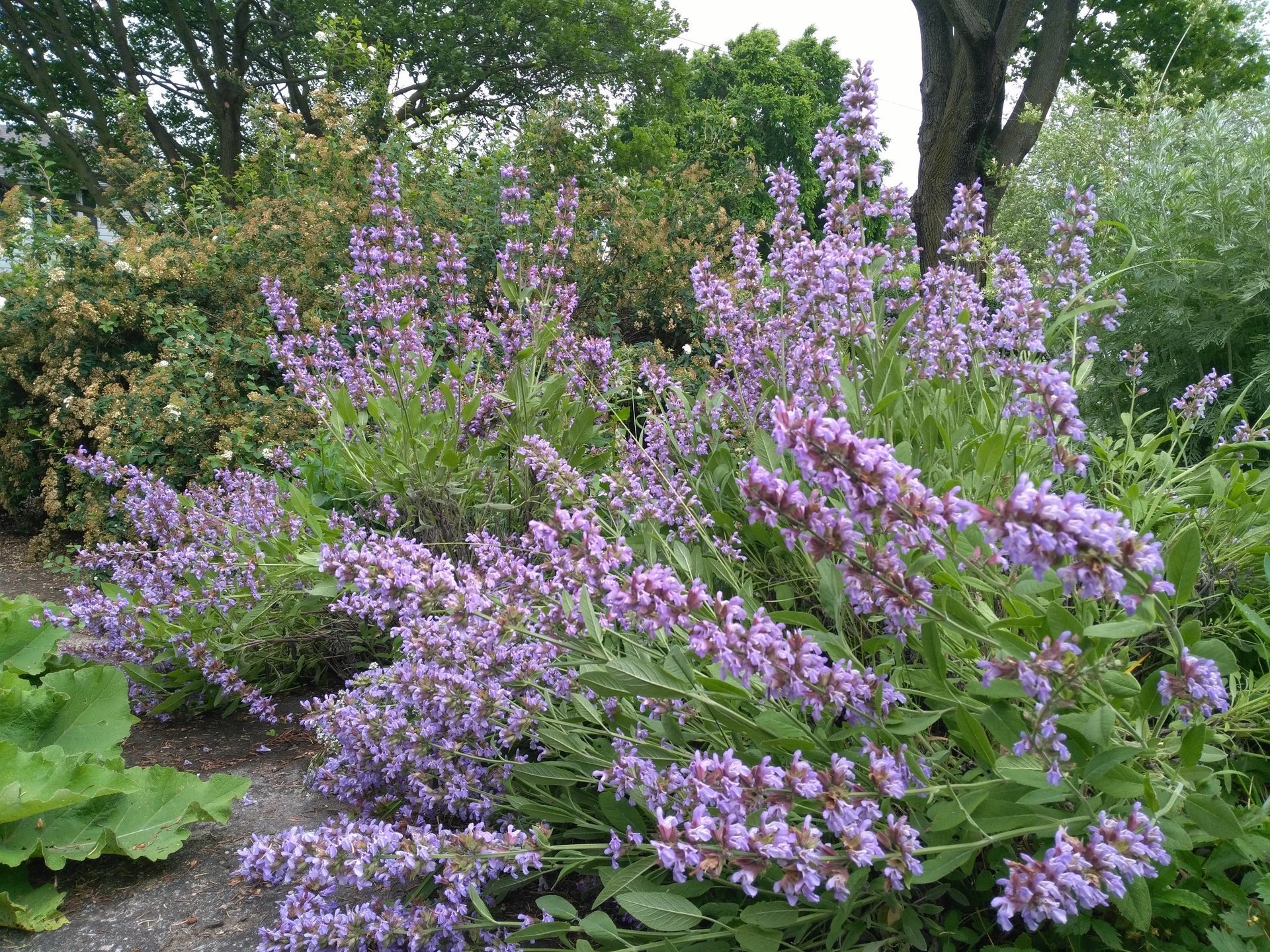

Sage has insulin-like effects and may help improve fasting blood glucose and lipid profiles. Research from British Journal of Nutrition supports its antidiabetic potential.
10. Milk Thistle (Silybum marianum)
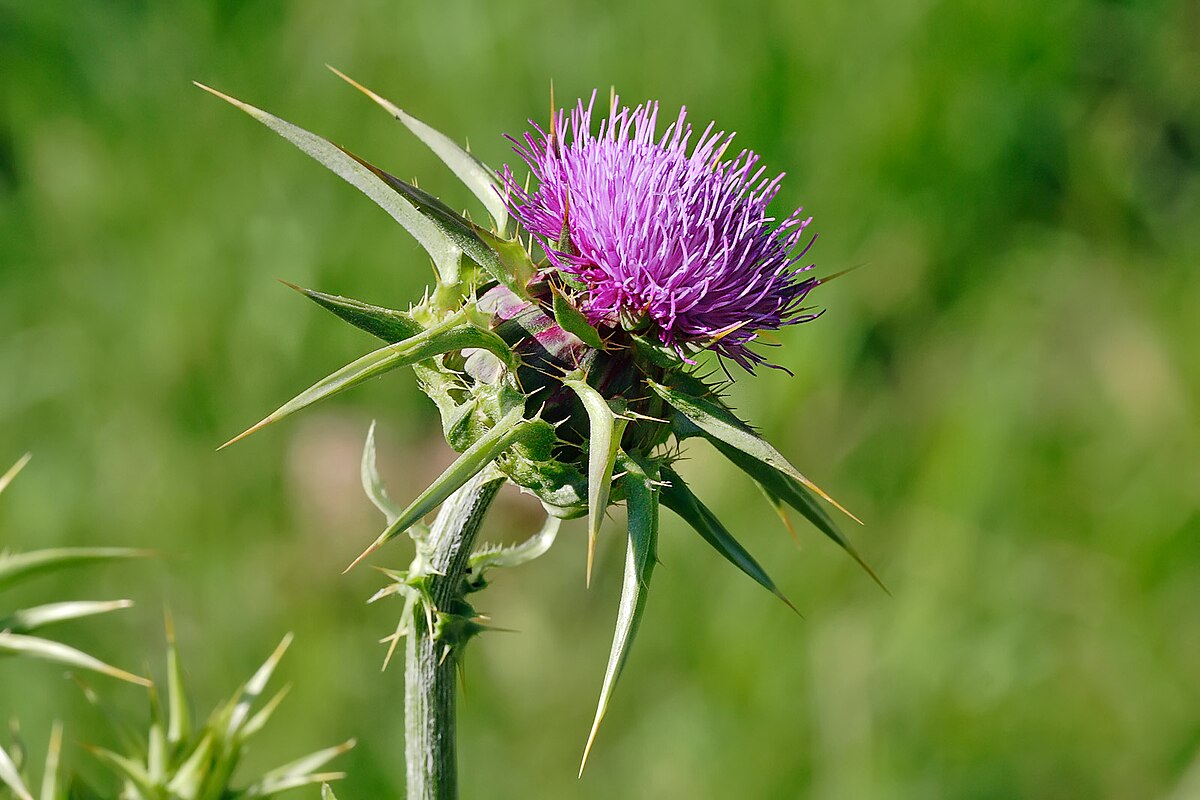
Milk thistle’s active ingredient, silymarin, supports liver function and may help regulate blood sugar. A meta-analysis published in Phytomedicine confirmed blood sugar-lowering benefits in diabetic patients.
Conclusion: Nature’s Support for Diabetes Management
While these herbs show significant potential, it’s essential to use them as complementary to prescribed treatment plans. Consult with a healthcare provider before incorporating them into your routine. With scientific backing and centuries of traditional use, these herbs can support your journey to better blood sugar control and holistic health.