Diabetes Tips
Silent Symptoms of High Blood Sugar You Might Miss
Silent Symptoms of High Blood Sugar You Might Miss
Three months ago, my neighbor Janet mentioned feeling unusually tired lately. “Must be getting old,” she laughed, dismissing her afternoon fatigue as just another sign of turning 55. When she finally checked her blood sugar during a routine doctor visit, her glucose level was 280 mg/dL—dangerously high. The kicker? She had no idea anything was wrong.
Janet’s story isn’t unique. High blood sugar often operates like a master of disguise, wearing the masks of everyday annoyances we easily brush off. While we all know about the classic signs of high blood sugar like excessive thirst and frequent bathroom trips, there’s a whole cast of subtle symptoms that fly under the radar until they become impossible to ignore.
Today, we’re going to unmask these sneaky symptoms of hyperglycemia that might be hiding in plain sight. Because sometimes, the most dangerous enemy is the one you don’t see coming.
Understanding the Stealth Nature of High Blood Sugar
Before we dive into the hidden signs of high blood sugar, let’s understand why hyperglycemia can be so sneaky in the first place.
Your body is remarkably adaptable. When blood glucose levels start climbing, your system initially tries to compensate and maintain some sense of normalcy. It’s like turning up the music gradually—you don’t notice how loud it’s gotten until someone walks into the room and winces.
This adaptive response means early warning signs of high blood sugar often masquerade as:
- Normal aging processes
- Stress-related symptoms
- Seasonal changes
- Poor sleep patterns
- Dietary indiscretions
The danger lies in this camouflage. By the time obvious symptoms appear, blood sugar levels may have been elevated for months or even years, potentially causing silent damage to your blood vessels, nerves, and organs.
The Silent Progression Timeline
Understanding how hyperglycemia symptoms typically develop can help you catch them earlier:
| Stage | Blood Sugar Range | Symptom Visibility | Common Experience |
|---|---|---|---|
| Early | 100-140 mg/dL | Virtually invisible | Feel “normal” with occasional minor symptoms |
| Moderate | 140-250 mg/dL | Subtle and dismissible | Symptoms present but easily attributed to other causes |
| Advanced | 250+ mg/dL | Obvious and concerning | Clear symptoms that can’t be ignored |
| Critical | 400+ mg/dL | Severe and dangerous | Medical emergency requiring immediate attention |
The Subtle Signs Your Body is Sending SOS Signals
Let’s explore the silent symptoms of high blood sugar that often fly under the radar:
1. The Afternoon Energy Crash That Never Recovers
We’ve all experienced the post-lunch slump, but when high blood sugar is involved, this energy dip becomes a permanent resident rather than a temporary visitor.
What it feels like:
- Exhaustion that doesn’t improve with rest
- Feeling like you’re moving through thick honey
- Mental fog that makes simple tasks feel overwhelming
- Needing multiple cups of coffee just to function
Sarah, a 42-year-old marketing manager, described it perfectly: “I felt like someone had installed a dimmer switch on my life and gradually turned it down so slowly I didn’t realize I was living in semi-darkness.”
Why it happens: When glucose can’t effectively enter your cells due to insulin resistance or insufficient insulin, your cellular engines are essentially running on fumes. It’s like trying to drive a car with sugar in the gas tank instead of gasoline.
2. The Mystery Weight Gain (or Unexpected Loss)
Weight changes related to high blood sugar symptoms can be particularly confusing because they can swing both ways.
Unexplained Weight Gain:
- Despite eating the same amount
- Particularly around the midsection
- Accompanied by increased appetite
- Clothes fitting tighter without obvious cause
Unexpected Weight Loss:
- Losing weight while eating normally or more
- Particularly concerning if rapid (more than 5% body weight)
- Often accompanied by increased hunger
- May signal more advanced diabetes and hyperglycemia
The science: Early hyperglycemia often causes weight gain due to insulin resistance promoting fat storage. However, as the condition progresses and insulin production declines, your body starts breaking down muscle and fat for energy, leading to weight loss despite increased appetite.
3. Skin Changes That Whisper Before They Shout
Your skin often becomes a billboard for what’s happening inside your body, displaying signs of high blood sugar long before you feel obviously sick.
Silent skin symptoms include:
- Acanthosis nigricans: Dark, velvety patches typically around the neck, armpits, or groin
- Frequent infections: Cuts that heal slowly or recurring yeast infections
- Dry, itchy skin: Particularly on the lower legs and feet
- Skin tags: Small, benign growths that seem to appear overnight
- Unusual bruising: Bruises that appear easily and heal slowly
Dr. Maria Rodriguez, an endocrinologist at Metro Health Center, notes: “I often tell patients to think of their skin as their body’s early warning system. These changes can appear years before classic diabetes symptoms become obvious.”
4. The Subtle Sensory Changes
High blood sugar can affect your senses in ways that are so gradual you might not connect them to hyperglycemia.
Vision changes:
- Occasional blurry vision (especially when tired)
- Difficulty focusing on close-up tasks
- Eyes feeling “tired” more often
- Slight changes in color perception
Hearing issues:
- Feeling like people are mumbling more often
- Increased difficulty hearing in crowded environments
- Ringing in ears (tinnitus)
Taste and smell alterations:
- Food not tasting as flavorful as usual
- Sweet foods tasting less sweet
- Diminished ability to smell subtle scents
These sensory changes occur because elevated blood glucose levels can damage the tiny blood vessels that supply your sensory organs. The changes are often so gradual that you adapt without realizing what’s happening.
5. The Digestive System’s Quiet Rebellion
Your digestive system can stage a silent protest against high blood sugar long before you experience obvious gastrointestinal symptoms.
Subtle digestive signs:
- Feeling full more quickly than usual
- Occasional nausea, especially in the morning
- Changes in bowel movements (constipation or loose stools)
- Increased gas and bloating
- Food seeming to “sit heavy” in your stomach
The connection: Hyperglycemia can slow gastric emptying (called gastroparesis when severe), affect gut bacteria balance, and impact digestive enzyme production. These changes create a cascade of subtle digestive issues that are often attributed to stress, aging, or dietary choices.
6. Mood Changes That Creep In
The brain is incredibly sensitive to blood glucose levels, and mood changes are often among the earliest signs of high blood sugar people experience.
Silent mood symptoms:
- Increased irritability, especially when hungry
- Difficulty concentrating or “brain fog”
- Feeling anxious without obvious triggers
- Emotional volatility or mood swings
- Decreased motivation or interest in activities
Tom, a 38-year-old teacher, reflected: “My wife kept asking if I was okay because I seemed ‘different’—more snappy and distracted. I thought it was just work stress, but looking back, it coincided perfectly with when my blood sugar started climbing.”
The mechanism: Your brain requires a steady supply of glucose to function optimally. When blood sugar levels are erratic or chronically elevated, it affects neurotransmitter production and cellular energy, leading to these subtle cognitive and emotional changes.
7. Sleep Pattern Disruptions
High blood sugar can sabotage your sleep in sneaky ways that you might attribute to other factors.
Hidden sleep-related symptoms:
- Waking up frequently to urinate (often dismissed as “getting older”)
- Restless leg syndrome or leg cramps
- Vivid dreams or nightmares
- Waking up feeling unrefreshed despite adequate sleep time
- Night sweats (especially in women who attribute it to hormones)
The sleep-glucose connection: Elevated blood glucose levels can trigger increased urination, disrupt normal sleep architecture, and affect the hormones that regulate sleep. Poor sleep then creates a vicious cycle by worsening insulin resistance.
The Classic Symptoms Revisited: When Whispers Become Shouts
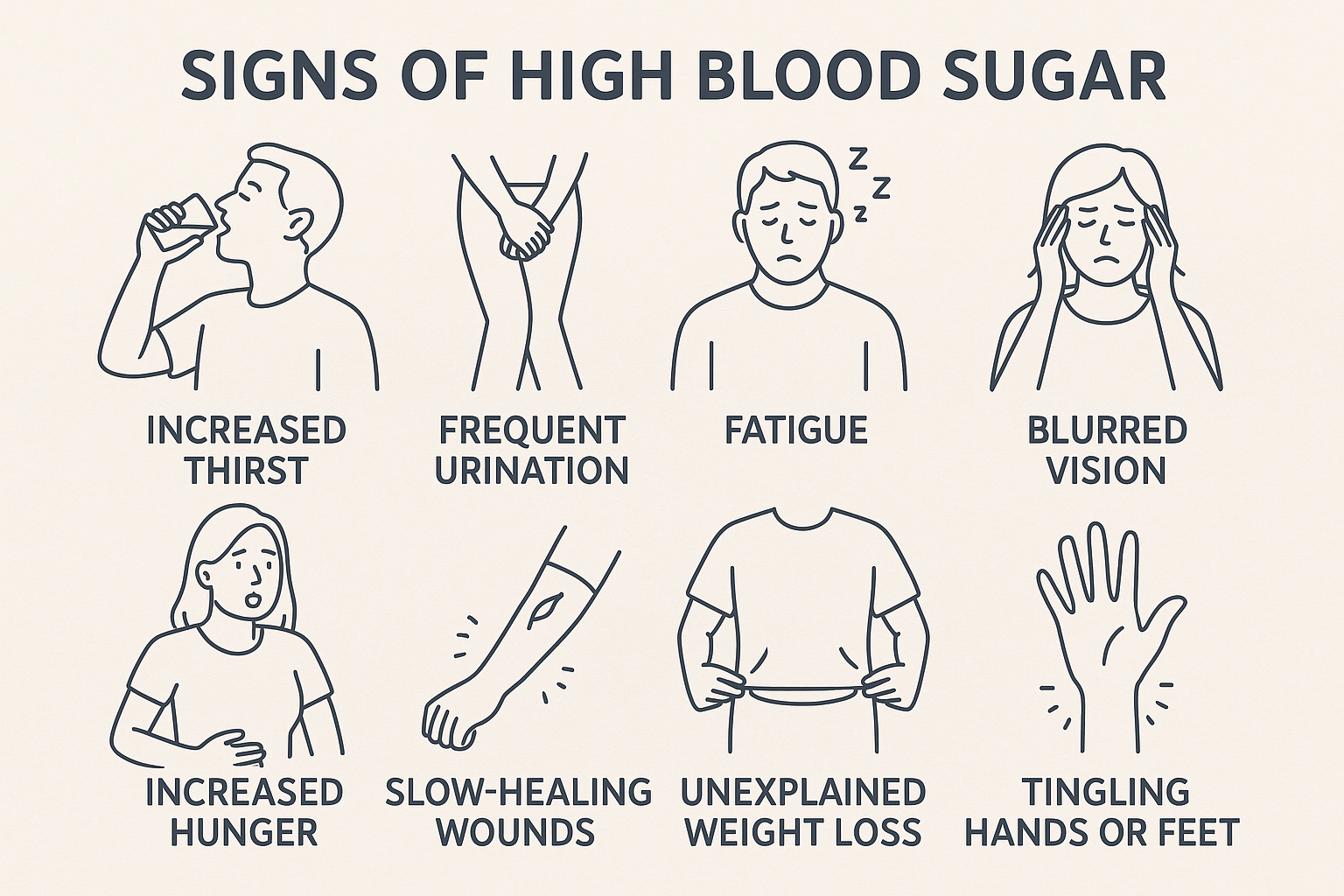
While we’re focusing on silent symptoms, it’s crucial to recognize when hyperglycemia symptoms become more obvious. These classic signs of high blood sugar often develop gradually, making them easy to dismiss initially:
The “Big Three” Classic Symptoms
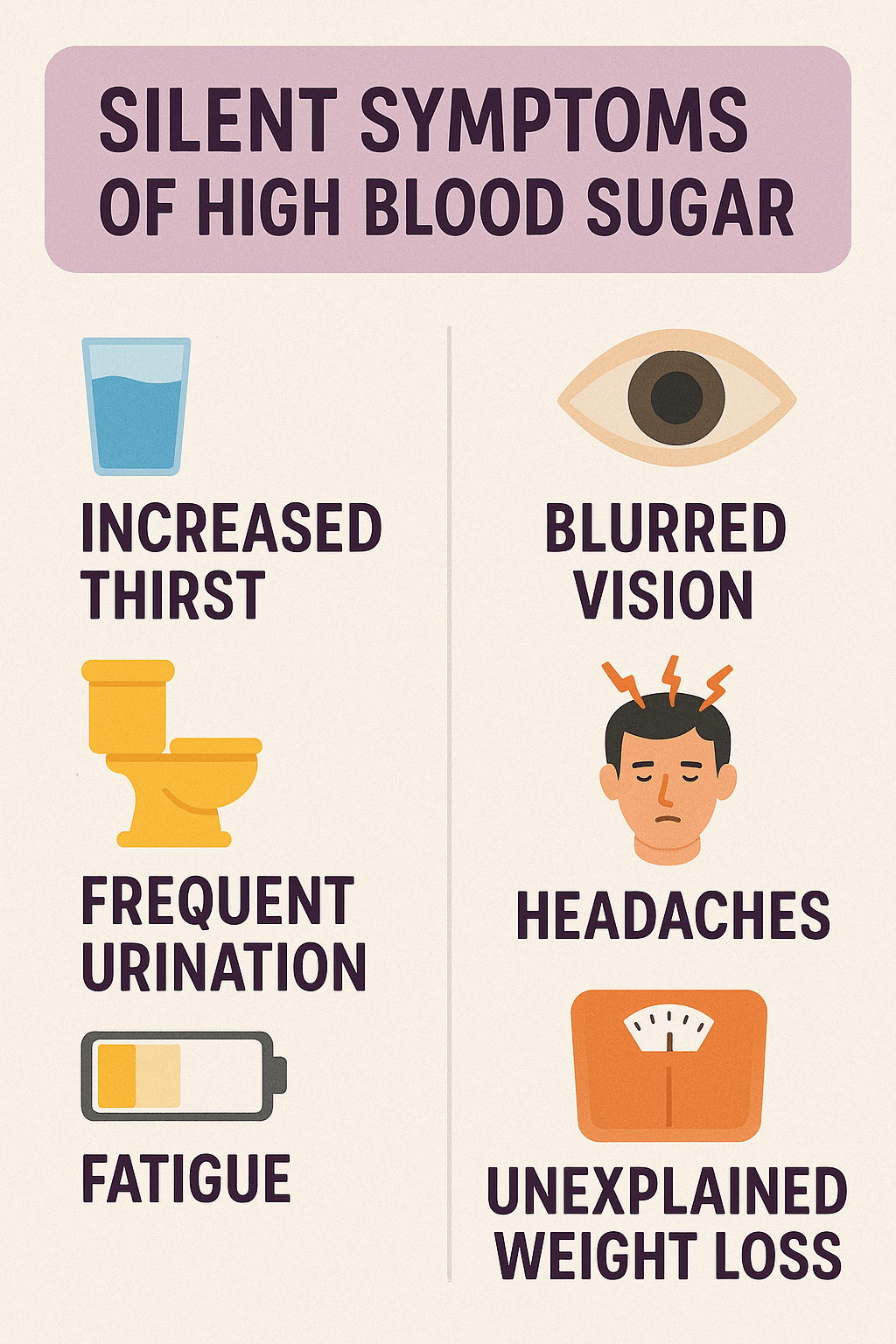
- Increased thirst (polydipsia): Not just wanting more water, but feeling like you can never drink enough
- Frequent urination (polyuria): Especially noticeable at night or disrupting daily activities
- Increased hunger (polyphagia): Eating more but still feeling hungry shortly after meals
Progressive Warning Signs
As blood sugar symptoms become more apparent, you might notice:
- Fatigue that worsens with activity
- Headaches that don’t respond to usual remedies
- Slow-healing cuts or bruises
- Frequent infections or yeast infections
- Numbness or tingling in hands or feet
Understanding Your Risk Factors
Certain factors increase your likelihood of developing high blood sugar and experiencing these silent symptoms:
Non-Modifiable Risk Factors
- Age over 45
- Family history of diabetes
- Ethnic background (higher risk in African American, Hispanic, Native American, Pacific Islander populations)
- History of gestational diabetes
Modifiable Risk Factors
- Excess weight (especially abdominal obesity)
- Sedentary lifestyle
- Poor diet high in processed foods
- Chronic stress
- Inadequate sleep
- Smoking
When Silent Symptoms Become Medical Emergencies
While we’re discussing subtle signs, it’s critical to recognize when hyperglycemia becomes dangerous and requires immediate medical attention.
Diabetic Ketoacidosis (DKA) Warning Signs
What is diabetic ketoacidosis? DKA is a serious complication that occurs when your body starts breaking down fat for energy, producing ketones that make your blood acidic.
Emergency symptoms requiring immediate medical care:
- Nausea and vomiting that prevents keeping fluids down
- Fruity-smelling breath
- Rapid, deep breathing
- Severe abdominal pain
- Confusion or difficulty staying alert
- Blood sugar levels over 400 mg/dL
Hyperosmolar Hyperglycemic State (HHS)
More common in type 2 diabetes, HHS can develop gradually with these warning signs:
- Extreme dehydration
- Blood glucose levels over 600 mg/dL
- Altered mental state or confusion
- Fever
- Seizures or coma in severe cases
Critical point: These conditions can be life-threatening. When in doubt, seek immediate medical attention.
Testing and Monitoring: Your Early Warning System
Understanding how to monitor blood sugar symptoms effectively can help you catch hyperglycemia before it becomes problematic.
Blood Sugar Testing Options
| Testing Method | Frequency | Best For | Cost Range |
|---|---|---|---|
| Fingerstick glucose meter | As needed or scheduled | Daily monitoring | $10-100 for meter |
| Continuous glucose monitor (CGM) | 24/7 monitoring | Real-time tracking | $60-300/month |
| A1C test | Every 3-6 months | Long-term average | $25-100 per test |
| Random glucose test | When symptoms appear | Quick assessment | $10-50 per test |
Recommended Testing Schedules
For people with diabetes:
- Fasting glucose: Daily or as directed
- Pre-meal testing: Before major meals
- Post-meal testing: 2 hours after eating
- Bedtime glucose: If taking insulin
For people at risk:
- Annual screening after age 45
- More frequent if risk factors present
- Testing when symptoms appear
Top-Recommended Monitoring Tools
Based on accuracy, ease of use, and value:
- Contour Next One Glucose Meter – Excellent accuracy with smartphone connectivity
- Freestyle Libre 3 Plus CGM – Continuous monitoring without frequent finger sticks
- Dexcom G7 CGM System – Advanced features with excellent app integration
- Accu-Chek Guide – Reliable traditional meter with easy-to-read display

Taking Action: What to Do When You Recognize the Signs
Recognizing silent symptoms of high blood sugar is just the first step. Here’s your action plan:
Immediate Steps (First 24-48 hours)
- Test your blood sugar if possible
- Increase water intake (but don’t overdo it if you’re not urinating more)
- Avoid high-carb foods temporarily
- Take gentle walks after meals if you’re able
- Monitor symptoms and note any changes
Short-term Actions (First week)
- Schedule medical appointment for proper evaluation
- Keep a symptom diary to track patterns
- Review your diet for hidden carb sources
- Assess stress levels and implement management techniques
- Prioritize sleep quality and quantity
Long-term Management Strategies
Dietary approaches:
- Focus on whole, unprocessed foods
- Monitor portion sizes
- Consider working with a nutritionist
- Learn about carbohydrate counting
Physical activity:
- Start with 10-15 minutes of daily walking
- Add resistance training twice weekly
- Find activities you enjoy for long-term adherence
Stress management:
- Practice mindfulness or meditation
- Engage in hobbies that bring you joy
- Consider counseling if stress is overwhelming
Sleep optimization:
- Maintain consistent sleep schedule
- Create a restful sleep environment
- Address sleep disorders if present

Frequently Asked Questions About Silent Blood Sugar Symptoms
What are the common signs of high blood sugar?
The most common signs of high blood sugar include increased thirst, frequent urination, increased hunger, fatigue, and blurry vision. However, silent symptoms like gradual energy decline, mood changes, and skin alterations often appear first.
How can I tell if I have high blood sugar without testing?
While testing is the only definitive way to know your blood glucose levels, warning signs include persistent fatigue, slow-healing wounds, frequent infections, increased hunger despite eating, and subtle vision changes. However, these symptoms can have other causes, making testing essential.
What should I do if I experience the signs of high blood sugar?
If you suspect high blood sugar symptoms, test your glucose level if possible, increase water intake, avoid high-carb foods temporarily, and contact your healthcare provider. If symptoms are severe (vomiting, severe dehydration, confusion), seek immediate medical attention.
At what blood sugar level do symptoms usually appear?
Hyperglycemia symptoms typically become noticeable when blood glucose levels consistently exceed 180-200 mg/dL, though some people experience symptoms at lower levels, while others may not notice symptoms until levels are much higher.
Can stress cause high blood sugar symptoms?
Yes, stress affects blood sugar significantly. Chronic stress releases cortisol and adrenaline, which can raise blood glucose levels and worsen insulin resistance. Stress can both cause high blood sugar and make symptoms worse.
What are the early vs. late symptoms of high blood sugar?
Early warning signs of high blood sugar include subtle fatigue, mild mood changes, slight vision changes, and skin alterations. Late symptoms include excessive thirst, frequent urination, rapid weight changes, and obvious hyperglycemia symptoms that significantly impact daily life.
How quickly do symptoms of high blood sugar develop?
Blood sugar symptoms can develop over weeks to months for type 2 diabetes, or more rapidly (days to weeks) in type 1 diabetes. Silent symptoms often appear gradually, making them easy to dismiss until they become more obvious.
Is frequent urination always a sign of high blood sugar?
While frequent urination high blood sugar is a classic symptom, it’s not always related to hyperglycemia. Other causes include urinary tract infections, medications, excessive fluid intake, or prostate problems in men. Testing is necessary to determine the cause.
What complications can develop if high blood sugar is left untreated?
Untreated high blood sugar can lead to serious complications including heart disease, stroke, kidney damage, nerve damage (neuropathy), eye problems including blindness, slow-healing wounds, and diabetic ketoacidosis in severe cases.
When should I seek emergency medical help for high blood sugar?
Seek immediate medical care for blood sugar levels over 400 mg/dL, persistent vomiting, signs of dehydration, fruity breath odor, rapid breathing, confusion, or any symptoms of diabetic ketoacidosis. When in doubt, it’s better to err on the side of caution.
Natural Approaches and Supplements for Blood Sugar Support
While medication and lifestyle changes are primary treatments, certain supplements may help support healthy blood glucose levels:
Evidence-Based Supplements
- Berberine Supplement – Studies show it may help lower blood sugar comparable to metformin
- Cinnamon Supplement – May improve insulin sensitivity and glucose uptake
- Alpha-Lipoic Acid Supplement – Antioxidant properties may support glucose metabolism
- Magnesium Supplement – Essential for insulin function and glucose metabolism
- Vitamin D Supplement – Deficiency linked to increased diabetes risk
Natural Remedies for Blood Sugar Support
- Aloe Vera – Traditional use for blood sugar support
- Ginseng – May help improve glucose metabolism
- Chromium – Mineral that may enhance insulin action
- Apple cider vinegar – May help with post-meal blood sugar spikes
Important note: Always consult your healthcare provider before starting any supplements, especially if you’re taking diabetes medications, as they may interact or require dose adjustments.
Technology Solutions for Better Monitoring
Modern technology offers powerful tools for tracking blood sugar symptoms and patterns:
Top-Rated Apps for Diabetes Management
- One Drop Diabetes Management App – Comprehensive tracking with coaching support
- mySugr Diabetes App – User-friendly interface with gamification features
- Glucose Buddy App – Popular choice for logging glucose, insulin, and food
- Carb Manager App – Excellent for tracking carbohydrates and meal planning
Advanced Monitoring Solutions
- Nutrisense CGM Plan – Continuous monitoring with nutritionist guidance
- Signos CGM Plan – Personalized insights based on glucose data
- Dario Blood Glucose Meter – Smartphone-compatible with easy data management
These tools can help you identify patterns between your symptoms, food intake, activity levels, and blood glucose levels, making it easier to spot those silent warning signs.
The Path Forward: Living Aware, Not Afraid
Recognizing the silent symptoms of high blood sugar isn’t about becoming a hypochondriac who interprets every minor ache as a medical emergency. It’s about developing a mindful awareness of your body’s subtle communications.
Think of these silent symptoms as your body’s way of tapping you gently on the shoulder before it needs to grab you by the collar. The goal is to respond to the tap so you never experience the grab.
Building Your Personal Early Warning System
- Establish baseline awareness – Note how you normally feel so you can recognize changes
- Track patterns – Use apps or journals to identify symptom trends
- Regular monitoring – Test blood sugar periodically, especially if risk factors are present
- Stay informed – Keep learning about diabetes and hyperglycemia symptoms
- Partner with healthcare providers – Build a team that supports your health goals
The Power of Prevention
Remember that type 2 diabetes is largely preventable, and even if you already have diabetes, complications are often preventable with good management. Every small action you take to recognize and address high blood sugar symptoms is an investment in your future health and quality of life.
The most important thing to remember? Your body is constantly communicating with you. These silent symptoms of high blood sugar are simply its way of asking for help before the situation becomes critical.
Take Action Today: Your Health Can’t Wait
Janet, my neighbor from the opening story, now manages her blood sugar beautifully. She caught it early enough to reverse her insulin resistance through lifestyle changes, and she’s more energetic now at 56 than she was at 50. Her secret? She learned to listen to the whispers instead of waiting for the shouts.
Your next steps:
- Take a honest inventory of any subtle symptoms you’ve been dismissing
- Consider getting a baseline blood sugar test if you haven’t had one recently
- Track your energy levels, mood, and any other symptoms for a week
- Schedule a check-up with your healthcare provider if you recognize several warning signs
Questions to ask yourself:
- Have I been more tired than usual lately?
- Are there skin changes I’ve been ignoring?
- Has my vision seemed “off” sometimes?
- Am I experiencing mood changes I’ve attributed to stress?
Don’t wait for obvious symptoms to take your health seriously. Your future self will thank you for paying attention to these subtle signals your body is sending today.
What silent symptoms have you been dismissing? Share your experience in the comments below—your story might help someone else recognize their own early warning signs and take action before it’s too late.
This article is for informational purposes only and should not replace professional medical advice. If you’re experiencing symptoms that concern you, please consult with your healthcare provider for proper evaluation and treatment.