Diabetes Tips
Peppermint and Diabetes: A Natural Ally for Digestive and Blood Sugar Health
Peppermint and Diabetes: A Natural Ally for Digestive and Blood Sugar Health
Category: Diabetes Tips | Author: LazyHabit Team | Published: April 2025
Peppermint – A Refreshing Herb with Digestive and Glycemic Benefits
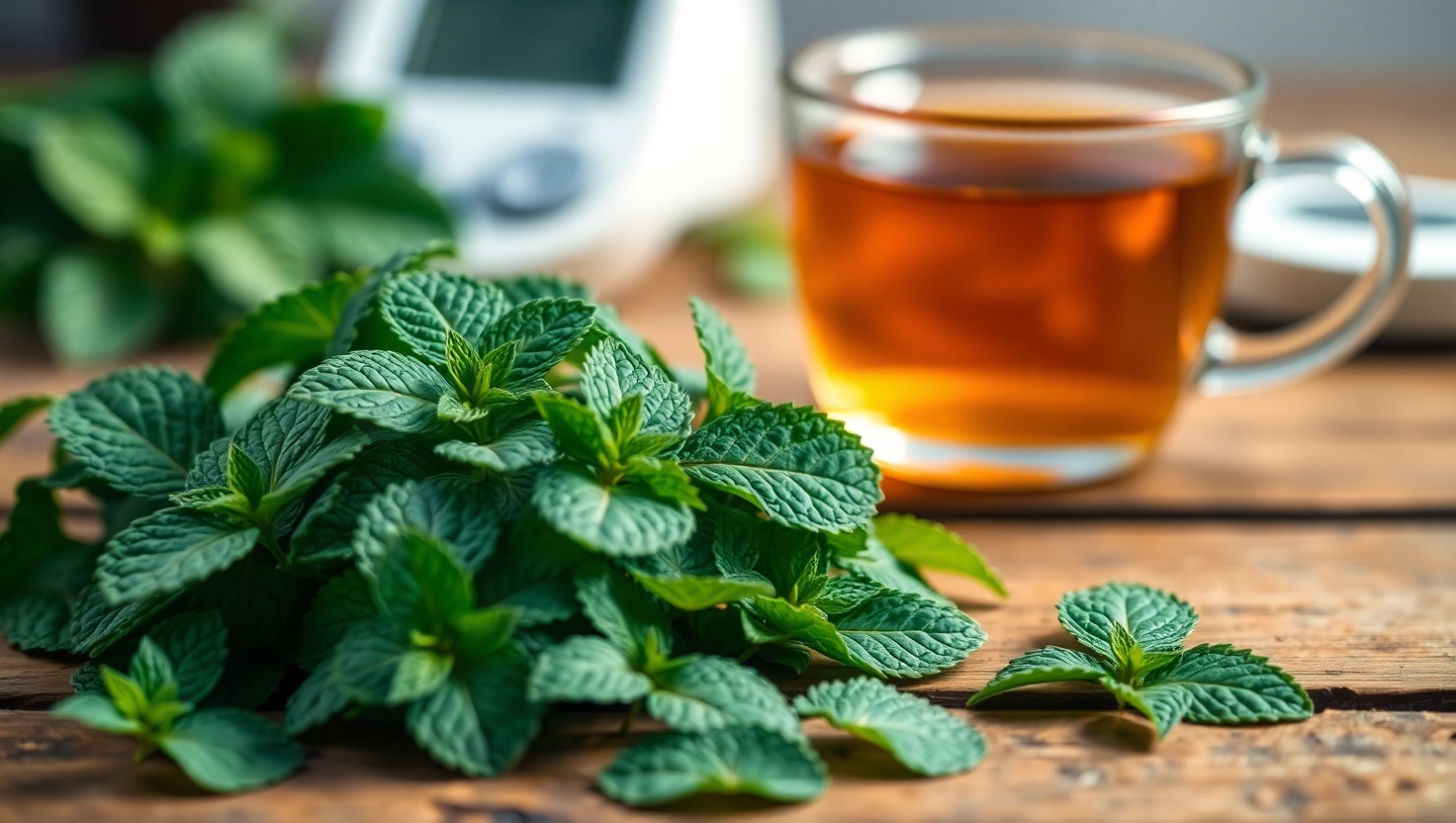
Peppermint is more than just an aromatic herb used in teas, salads, or desserts. Traditionally, it’s been used for centuries for its medicinal properties. For individuals living with diabetes, peppermint may play a beneficial role in enhancing digestion and supporting metabolic function, which indirectly contributes to stabilizing blood glucose levels.
One of peppermint’s key mechanisms is through its positive effect on the digestive system. Many individuals with diabetes suffer from a condition known as gastroparesis—slowed stomach emptying. Peppermint has natural spasmolytic properties, meaning it relaxes the smooth muscles in the gastrointestinal tract, improving food motility and preventing postprandial (after-meal) glucose spikes.
Furthermore, peppermint is rich in phenolic compounds and antioxidants that combat oxidative stress—a common complication in diabetes. Compounds like menthol stimulate digestive enzyme secretion and have antimicrobial effects, which also support healthy gut flora.
The support peppermint provides to the digestive system helps diabetic individuals reduce discomfort and also enables better absorption of nutrients. This is essential in maintaining stable blood sugar and preventing insulin resistance. In addition, peppermint’s refreshing scent and flavor make it an easy addition to daily health routines.

Scientific Evidence on Peppermint and Diabetes
Research in animal models has shown promising effects of peppermint essential oil in lowering blood sugar. A study in Biomedicine & Pharmacotherapy found that peppermint oil reduced blood glucose levels and improved insulin secretion in diabetic rats. It also alleviated oxidative stress in liver and pancreas tissue [1].
Another review in the journal Antioxidants highlighted peppermint’s hypoglycemic and anti-inflammatory potential, especially in relation to insulin resistance and oxidative tissue damage [2].
While most of this research is preclinical, it provides a foundation for future studies and supports peppermint’s integration as a supportive measure within diabetes care strategies. More clinical studies are needed to confirm efficacy and safety in humans, especially for those on medication regimens.
Peppermint in Traditional Medicine and Cultural Practices
Throughout history, peppermint has been used in cultures around the world to relieve indigestion, headaches, and respiratory issues. In traditional Persian and Ayurvedic medicine, peppermint teas and oils are commonly recommended for gut-related conditions and general health maintenance.
This historical usage aligns with modern findings regarding its digestive benefits, and today, we are seeing a resurgence of interest in such traditional remedies as part of integrative care models for chronic diseases like diabetes.
Digestive Health and Blood Sugar Stability
Digestive health plays a critical role in glycemic control. Poor digestion can delay gastric emptying, affect hormone signaling, and lead to erratic blood glucose levels. Peppermint enhances digestion by relaxing gastrointestinal muscles and encouraging bile flow, thereby improving nutrient absorption and metabolism.
This is particularly helpful for diabetics experiencing indigestion, bloating, or slowed transit time. By improving digestive efficiency, peppermint indirectly contributes to more stable blood sugar levels post meals. A balanced digestive system can better regulate the glucose absorption rate, resulting in a smoother blood sugar curve rather than sharp spikes.
How to Safely Include Peppermint in Your Routine
- Tea: Drink peppermint tea after meals to aid digestion and support blood sugar balance. It’s caffeine-free and soothing, making it an excellent evening option.
- Fresh leaves: Add to smoothies, salads, or infused water. The flavor is refreshing and can be a great alternative to sugary additives.
- Essential oil: Use food-grade essential oil sparingly and only under supervision from a healthcare provider. A drop or two in hot water can have powerful effects.
- Capsules: Standardized peppermint oil capsules are available but should be used with caution, especially if you have GERD or take blood sugar medication.
Monitor how your body responds, especially if you’re using it regularly alongside diabetes medications. Keeping a journal of food, symptoms, and blood sugar readings can help track progress.
Precautions and Side Effects
Although peppermint is generally considered safe, certain individuals should take precautions:
- GERD or acid reflux: Peppermint may relax the esophageal sphincter, worsening reflux symptoms.
- Medication interactions: Consult your doctor if you’re taking medications that affect glucose metabolism or digestion.
- Allergies: Rare but possible—monitor for reactions like rash or throat irritation.
When used in moderation, peppermint is usually safe for most adults. However, children and pregnant women should avoid concentrated peppermint oils unless advised by a professional.
Conclusion: A Natural Ally for Metabolic Health
Peppermint is more than a flavorful herb—it’s a potential ally in the fight for metabolic balance and healthy digestion. While not a standalone treatment, it can be a valuable addition to your diabetes management plan. The synergy between improved digestion, reduced oxidative stress, and potential hypoglycemic effects makes peppermint a promising natural aid.
As always, consult your healthcare provider before making dietary or supplemental changes, especially if managing chronic conditions like diabetes. To learn more about natural strategies for blood sugar control, subscribe to the LazyHabit Newsletter.