Herbal Remedies
Nettle Leaves: A Natural Insulin Stimulator and Metabolic Regulator
Nettle Leaves: A Natural Insulin Stimulator and Metabolic Regulator
Harness the healing power of Urtica dioica to naturally balance blood sugar and boost overall metabolic health.
Introduction
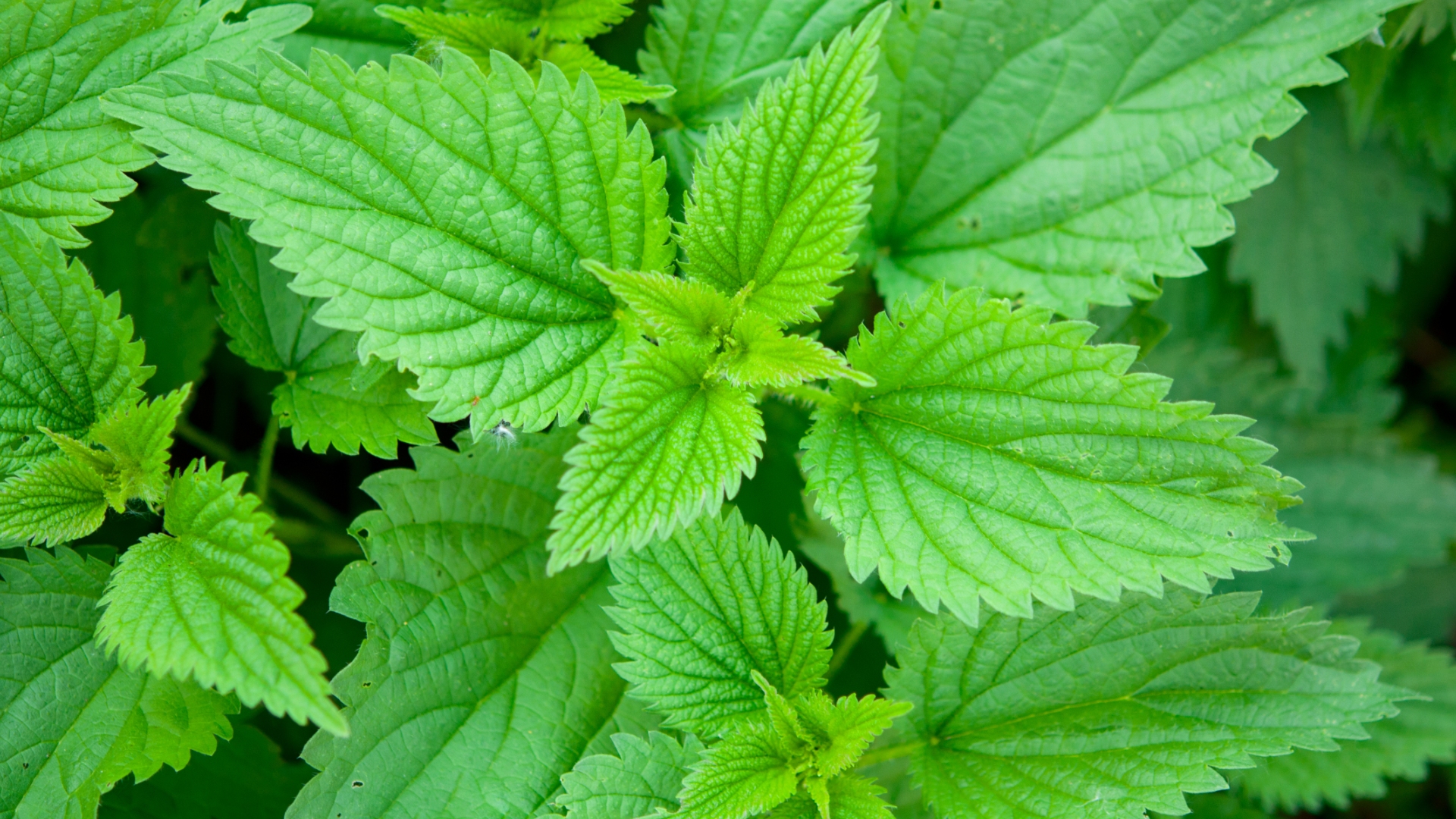
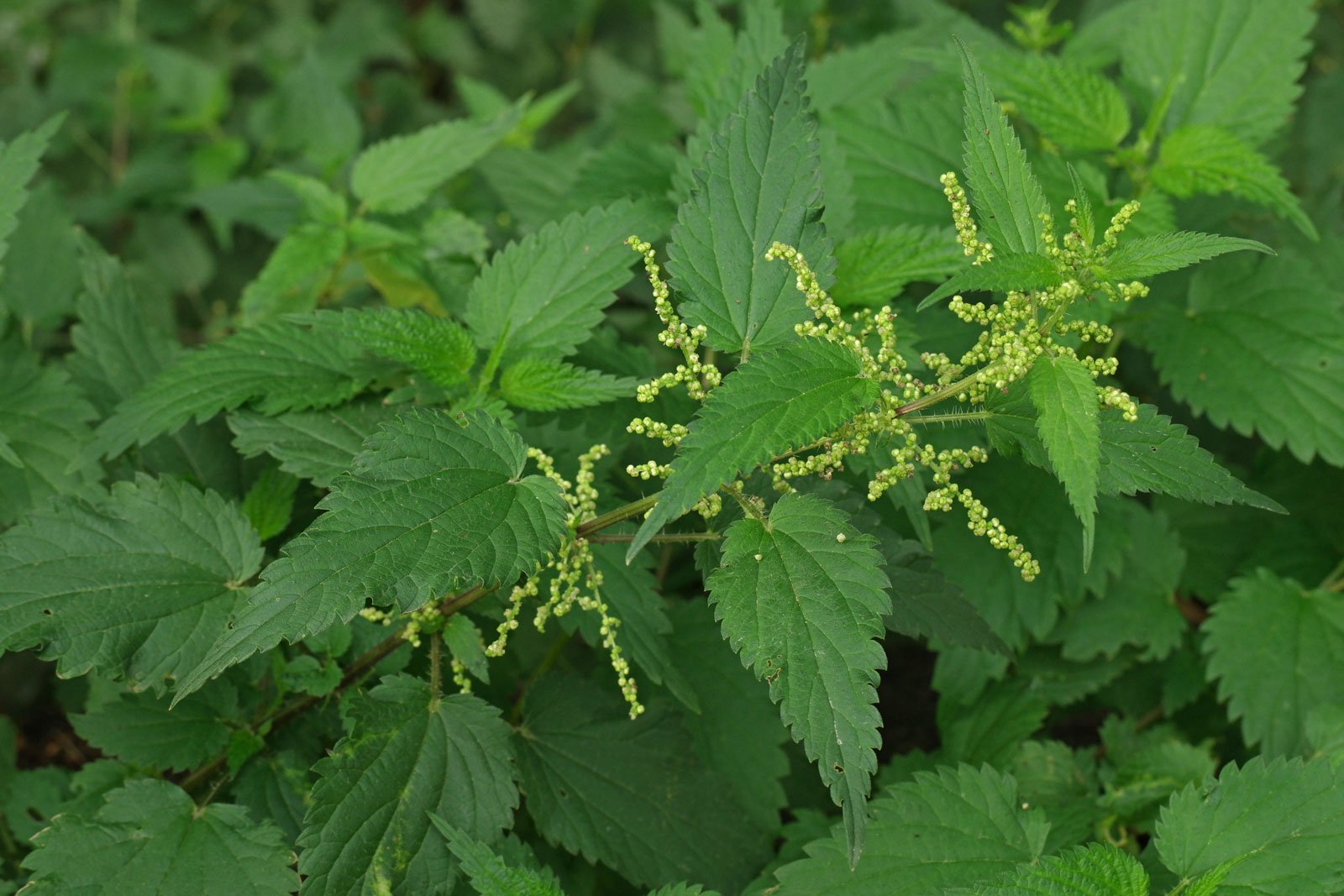
Nettle (Urtica dioica) has been revered for centuries as one of Europe’s oldest and most versatile medicinal plants. Despite its infamous stinging leaves, nettle’s medicinal powers are truly impressive, especially in the realm of blood sugar control and insulin support for people with diabetes. Modern research now validates what traditional medicine has known for centuries — nettle leaves can play a crucial role in regulating metabolism and improving overall health.
Bioactive Compounds in Nettle Leaves
The leaves of the nettle plant are packed with bioactive compounds, including flavonoids (quercetin, rutin), lignans, phytosterols, and chlorophyll. These constituents collectively enhance insulin secretion from the pancreas and improve the body’s sensitivity to its own insulin. Furthermore, nettle is known for its anti-inflammatory and antioxidant properties, crucial for mitigating the risks associated with diabetic complications.
Scientific Studies Supporting Nettle’s Role in Blood Sugar Control
Several studies highlight the efficacy of nettle in managing blood sugar levels:
- Fasting Glucose Reduction: A study published in the journal Clinical Laboratory demonstrated that nettle leaf extract significantly reduced fasting blood glucose and HbA1c levels in participants with type 2 diabetes over a 12-week period.
- Improved Lipid Profile: Research indicates that nettle can lower LDL cholesterol and triglycerides while increasing HDL cholesterol, benefiting cardiovascular health — a major concern for diabetic individuals.
- Insulin Sensitivity: Animal models and small clinical trials show that nettle enhances insulin sensitivity, aiding the body’s natural glucose regulation mechanisms.
How Nettle Works: Mechanisms of Action
Nettle leaves exert their benefits through multiple mechanisms:
- Stimulating Insulin Secretion: Compounds in nettle activate pancreatic beta cells to secrete more insulin.
- Reducing Inflammation: By inhibiting inflammatory pathways like NF-κB, nettle reduces systemic inflammation that worsens insulin resistance.
- Fighting Oxidative Stress: Flavonoids and other antioxidants in nettle neutralize free radicals, protecting pancreatic cells and blood vessels.
- Enhancing Glucose Uptake: Polyphenols improve cellular glucose uptake, preventing post-meal sugar spikes.

Ways to Use Nettle for Blood Sugar Management
Nettle can be incorporated into daily life in several effective ways:
Nettle Tea
One of the most popular methods. Simply steep 1 tablespoon of dried nettle leaves in 250 ml of hot water for 10 minutes. Consume 2–3 times daily, preferably before meals to support glucose control.
Fresh Nettle
After blanching to remove the sting, fresh nettle leaves can be added to salads, soups, or smoothies for a nutrient-rich boost.
Nettle Extracts and Supplements
Standardized capsules or tinctures provide a concentrated dose. Always choose products from reputable brands to ensure purity and potency.
Nettle Juice
Fresh nettle juice, often combined with lemon and honey, is another traditional way to reap its benefits for digestion and blood sugar control.
Nutritional Profile of Nettle Leaves
| Nutrient | Amount per 100g | Benefits |
|---|---|---|
| Vitamin C | 333 mg | Boosts immunity and acts as an antioxidant |
| Iron | 7.8 mg | Supports healthy blood and energy levels |
| Calcium | 481 mg | Strengthens bones and teeth |
| Magnesium | 57 mg | Essential for glucose metabolism |
| Protein | 7.4 g | Promotes tissue repair and muscle health |
Precautions and Safety
While nettle is generally safe for most people, certain individuals should exercise caution:
- Those on blood thinners, diuretics, or antidiabetic medications should consult a healthcare provider before use, as nettle may enhance their effects.
- Start with small doses to assess tolerance, as high doses might cause mild digestive discomfort or allergic reactions.

Frequently Asked Questions (FAQ)
Can nettle replace my diabetes medication?
No. Nettle is a supportive therapy and should not replace prescribed diabetes medication without medical supervision.
How long does it take to see results from using nettle?
Some people report noticeable changes in blood sugar within a few weeks of consistent use, but results vary depending on individual health status and lifestyle factors.
Is it safe to drink nettle tea every day?
Yes, moderate daily consumption of nettle tea is generally considered safe and beneficial for metabolic health.
Can nettle help with insulin resistance?
Yes, studies suggest that nettle improves insulin sensitivity, helping cells respond better to insulin and aiding in blood sugar control.
Conclusion: Nettle – A Forgotten Ally for Modern Health
Nettle leaves represent a powerful yet often overlooked natural remedy for supporting blood sugar balance and promoting metabolic wellness. Rich in bioactive compounds, nutrients, and therapeutic properties, nettle is a practical, accessible, and science-backed addition to a holistic approach to managing diabetes and enhancing overall vitality. Whether consumed as tea, supplement, or fresh greens, nettle invites us to reconnect with nature’s wisdom and empower our journey toward better health.