Diabetes Tips
Mint and Diabetes: A Refreshing Natural Aid for Blood Sugar Management
Mint and Diabetes: A Refreshing Natural Aid for Blood Sugar Management
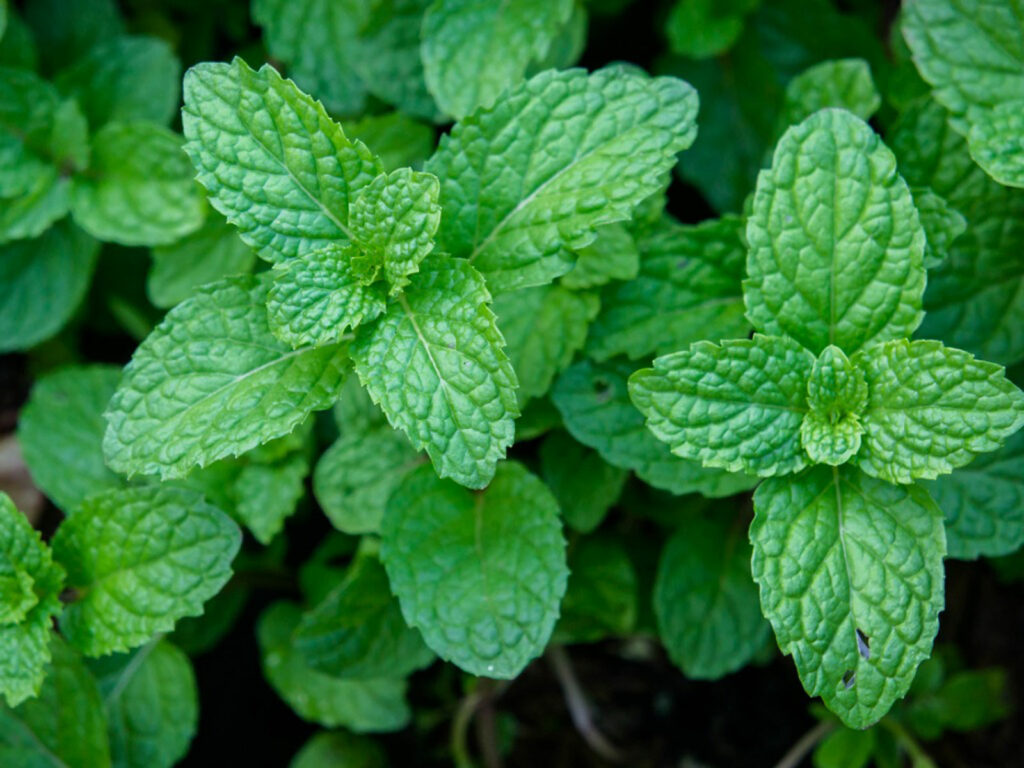
Mint, known scientifically as Mentha, is a popular herb recognized for its fresh aroma, cooling effect, and culinary versatility. While it’s commonly associated with flavoring teas, desserts, and oral care products, mint also holds therapeutic potential for individuals managing chronic conditions—particularly diabetes.
Why Mint Matters in Diabetes Care
Living with diabetes requires constant attention to diet, lifestyle, and blood sugar control. Natural herbs like mint can offer supportive roles due to their antioxidant, anti-inflammatory, and digestive-enhancing properties. Mint leaves are rich in essential oils, including menthol, menthone, and limonene, which contribute to its health-promoting effects.

Potential Benefits of Mint for People with Diabetes
1. Supports Digestion and Gut Health
One of the key challenges for people with diabetes is maintaining optimal digestion and preventing spikes in post-meal glucose levels. Mint stimulates the production of digestive enzymes, promoting faster and smoother digestion. A healthy gut microbiome is increasingly linked to better insulin sensitivity, and mint’s antibacterial compounds can help maintain gut health by reducing harmful bacteria.
2. Antioxidant Activity
Diabetes is closely associated with oxidative stress—an imbalance between free radicals and antioxidants in the body. Mint is rich in antioxidants such as rosmarinic acid and flavonoids, which help neutralize oxidative damage. This protection is critical for preventing complications like neuropathy, nephropathy, and retinopathy that stem from prolonged high blood sugar levels.
3. Anti-Inflammatory Effects
Chronic inflammation is a root cause of insulin resistance, a condition where the body becomes less responsive to insulin. Mint contains natural anti-inflammatory compounds that can reduce inflammation markers. Regular consumption of mint tea or fresh mint in meals may help improve insulin action over time.
4. Blood Sugar Stabilization
Although more human studies are needed, some animal studies suggest that mint extract may have mild hypoglycemic effects, meaning it can help lower blood sugar levels. While not a replacement for medications, mint may be a useful addition to a diabetes-friendly diet aimed at better glucose control.


How to Incorporate Mint into a Diabetic-Friendly Diet
Mint is incredibly versatile and easy to add to various meals and beverages. Here are a few practical ideas:
- Mint tea: Steep fresh or dried mint leaves in hot water for a naturally sugar-free, refreshing drink. Ideal after meals to aid digestion.
- Salads: Add chopped mint leaves to green salads, quinoa bowls, or cucumber dishes for added flavor and health benefits.
- Smoothies: Blend mint with spinach, unsweetened almond milk, and a few berries for a blood-sugar-friendly smoothie.
- Infused water: Combine mint with lemon or lime in cold water for a flavorful way to stay hydrated without added sugar.
Mint Tea for Diabetes: A Closer Look
Mint tea is perhaps the most popular form of mint consumption among individuals with diabetes. It’s caffeine-free, contains no carbohydrates, and is soothing to the digestive tract. Drinking mint tea after meals may help prevent blood sugar spikes by improving gastric motility and aiding in nutrient absorption.


Scientific Research on Mint and Diabetes
Though limited, some scientific studies suggest promising effects of mint and its extracts on diabetic models:
- Animal studies have shown that peppermint extract can lower blood glucose levels and improve liver function in diabetic rats.
- Mint essential oils exhibit antimicrobial and anti-inflammatory properties, which are beneficial for reducing diabetes-related infections and inflammation.
However, more clinical trials are needed in humans to confirm the exact role and optimal dosage of mint in diabetes management.


Precautions When Using Mint
While mint is generally considered safe when consumed in culinary amounts, it’s important to keep a few precautions in mind:
- Excessive consumption of mint oil or concentrated extracts may cause gastrointestinal upset or interact with medications.
- People with acid reflux (GERD) should limit mint intake, as it may relax the lower esophageal sphincter and worsen symptoms.
- Always consult with your healthcare provider before using herbal remedies, especially if you are on diabetes medications.
Mint as Part of a Holistic Diabetes Strategy
Incorporating mint into your daily diet can be a flavorful and health-boosting strategy for managing diabetes. However, it should be part of a comprehensive approach that includes:
- Regular blood sugar monitoring
- A balanced, whole-foods-based diet
- Physical activity
- Stress management and adequate sleep
- Ongoing medical supervision and support
Conclusion
Mint is more than just a fragrant herb—it’s a potential ally in the natural management of diabetes. From supporting digestion to delivering antioxidants and fighting inflammation, mint offers multiple advantages for people striving to control their blood sugar levels. When used wisely and in moderation, mint can be a powerful addition to your diabetes care toolkit.
Freshen your meals. Support your health. Choose mint. 🌿