Diabetes Tips
Latest Tech Innovations for Blood Sugar Monitoring: A Complete 2025 Guide
Latest Tech Innovations for Blood Sugar Monitoring: A Complete 2025 Guide
The future of diabetes management is here, and it’s smarter than ever. Let’s explore how technology is revolutionizing the way we track blood sugar.
Introduction: The Dawn of a New Era in Blood Sugar Monitoring
I remember the days when checking blood sugar meant pricking your finger multiple times daily, squeezing out drops of blood, and maintaining paper logbooks of readings. If you’re nodding along, you’ve probably been there too. But those days? They’re quickly becoming ancient history.
Blood sugar monitoring technology has undergone nothing short of a revolution in recent years. As someone who’s followed these developments closely (both professionally and personally), I can tell you we’re living in an exciting time for diabetes management.
Today’s innovations aren’t just incremental improvements—they represent fundamental shifts in how we approach blood glucose monitoring. From devices that eliminate the need for fingersticks to systems that predict dangerous blood sugar trends before they happen, these technologies are changing lives.
In this comprehensive guide, I’ll walk you through the latest breakthroughs in blood sugar monitoring technology, answering your most pressing questions and highlighting the innovations that are making diabetes management easier, more accurate, and less intrusive than ever before.
Whether you’re newly diagnosed, a seasoned pro at diabetes management, or helping a loved one navigate their condition, this guide will help you understand what’s available now and what’s coming soon in the world of blood sugar monitoring technology.
Let’s dive in and discover how these advancements might change your diabetes management routine for the better.
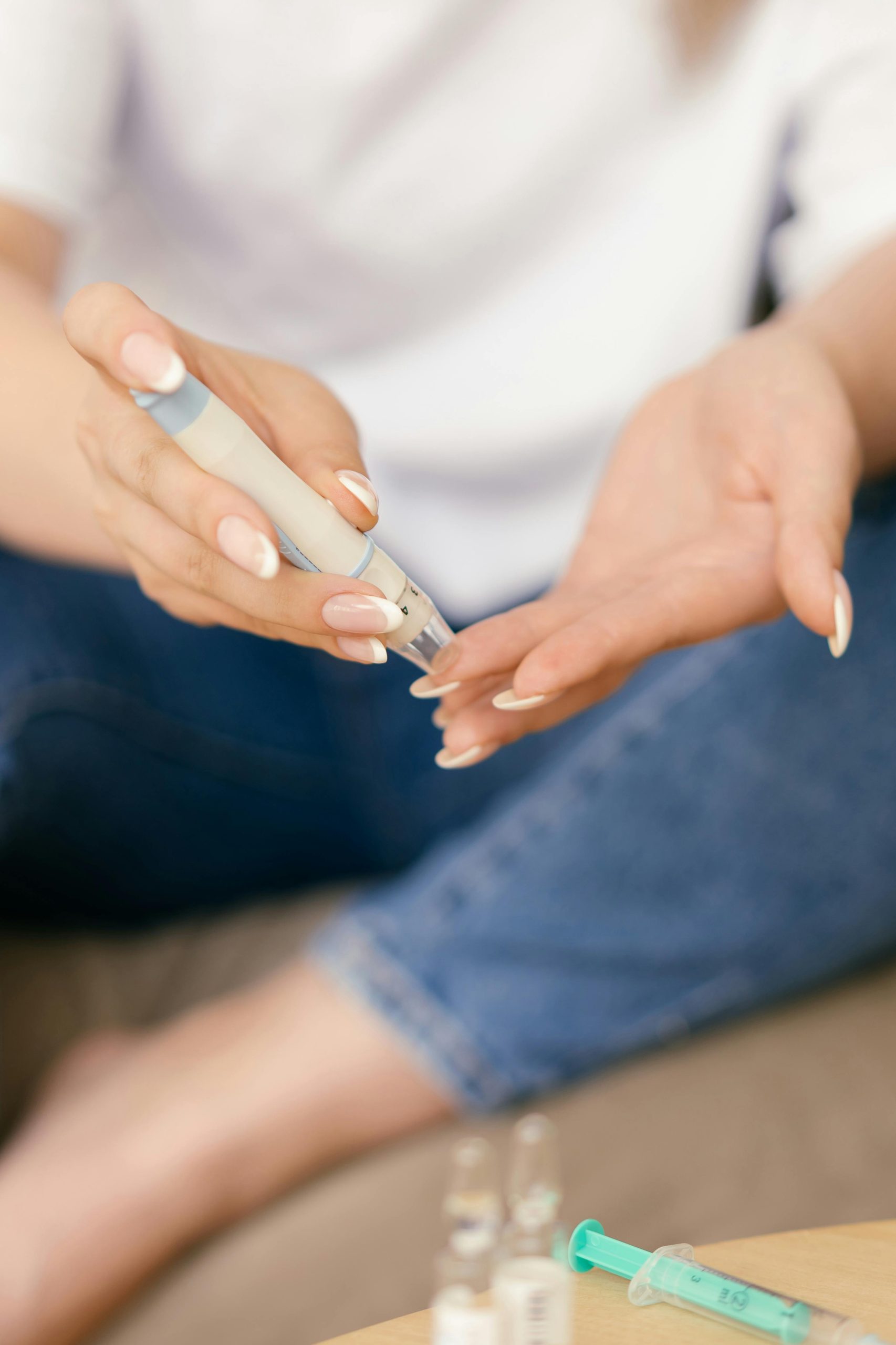

Understanding Modern Blood Sugar Monitoring Systems
What is the Latest Technology for Monitoring Blood Sugar?
The diabetes tech landscape has evolved dramatically, and 2025 brings us more options than ever. The most significant advancement remains continuous glucose monitoring (CGM) systems, which have become smaller, more accurate, and more user-friendly.
The latest CGM systems now offer:
- Real-time glucose readings sent directly to smartphones
- Predictive alerts that warn you about potential highs and lows before they happen
- Extended sensor wear (up to 180 days for some implantable options)
- No calibration requirements for many models
- Water-resistant designs for everyday wear
- Integration capabilities with insulin delivery systems
Beyond CGMs, we’re also seeing the emergence of truly noninvasive monitoring technologies. While still in developmental stages, several companies are making progress with technologies using:
- Light-based sensors that measure glucose through the skin
- Radio wave technology that detects glucose concentrations
- Tear-based glucose measurements
- Speckle-based sensors using laser technology combined with AI
Another exciting development is the entrance of over-the-counter CGMs designed for people without diabetes who want insights into their metabolic health. The Abbott Lingo and Dexcom Stelo are pioneering this new category, making continuous glucose data available to a much wider audience.
How Do Continuous Glucose Monitors (CGMs) Work?
I often get asked this question, and it’s fascinating how these tiny devices accomplish so much. At their core, CGMs consist of three main components:
- A sensor inserted just under your skin (usually on your abdomen or upper arm)
- A transmitter attached to the sensor
- A receiver or smartphone app that displays your glucose readings
The sensor contains a tiny electrode coated with glucose oxidase, an enzyme that reacts with glucose in your interstitial fluid (the fluid surrounding your cells). This chemical reaction produces an electrical current proportional to your glucose concentration.
The transmitter picks up this signal and sends it wirelessly to your receiver or smartphone. Advanced algorithms then translate this data into glucose readings and trends, typically updating every 5 minutes—resulting in 288 readings per day!
What makes modern CGMs remarkable is how they’ve overcome previous limitations:
- Improved accuracy with mean absolute relative differences (MARD) as low as 9% in some systems
- Elimination of fingerstick calibrations in many models
- Extended sensor life from previous 7-day models to 10-14 days standard (and up to 180 days for implantable options)
- Reduced size and visibility with some sensors now the size of quarters
- Better adhesives that maintain sensor placement during exercise and daily activities
What Are the Benefits of Using a CGM Over Traditional Fingerstick Blood Glucose Meters?
Having used both methods extensively, I can tell you the differences are night and day. Traditional blood glucose meters provide a snapshot—one moment in time. CGMs, on the other hand, tell a complete story of your glucose journey.
The advantages of CGMs include:
Comprehensive Data
Rather than 4-6 daily readings, you get nearly 300 readings every day, revealing patterns you’d otherwise miss.
Trend Information
Arrows indicate whether your glucose is rising, falling, or stable—critical information for making treatment decisions.
Proactive Management
Alerts warn you before you reach dangerous levels, allowing you to take action before you experience symptoms.
Overnight Protection
Perhaps most valuable is the ability to alert you to nighttime lows or highs when you’d otherwise be unaware.
Pattern Recognition
With weeks of data collected, patterns emerge that can help you and your healthcare provider make more informed treatment adjustments.
Reduced Pain and Hassle
While not completely painless to insert, CGMs eliminate the need for multiple daily fingersticks.
Better Outcomes
Research consistently shows that CGM use is associated with improved A1C levels, reduced time in hypoglycemia, and better quality of life.
One patient I spoke with recently summed it up perfectly: “My CGM doesn’t just tell me where my blood sugar is—it tells me where it’s going. That knowledge has been life-changing.”
Exploring CGM Options for Different Needs
Are CGMs Suitable for People with Type 2 Diabetes Who Are Not on Insulin?
Absolutely! This is one of the most significant shifts in diabetes care guidelines in recent years. While CGMs were once reserved primarily for people with Type 1 diabetes or insulin-dependent Type 2, evidence increasingly supports their use across the diabetes spectrum.
For people with Type 2 diabetes not using insulin, CGMs offer unique benefits:
- Immediate feedback on how different foods affect blood sugar
- Discovery of previously unknown patterns, like overnight highs or post-meal spikes
- Motivation for lifestyle changes when you can see real-time effects of exercise
- Early warning about deteriorating glucose control before it shows up in A1C results
Studies have shown that even short-term CGM use (2-4 weeks) in people with Type 2 diabetes can lead to lasting improvements in glucose management through the insights gained. Some insurance companies have recognized this value and expanded coverage for intermittent or continuous use in non-insulin-using Type 2 diabetes.
I’ve witnessed patients make profound dietary discoveries through CGM use—like the person who learned their “healthy” morning smoothie was causing dramatic glucose spikes, or another who found that adding a short walk after meals cut their post-meal glucose rise in half.
Popular options for Type 2 users include:
- FreeStyle Libre systems (particularly appealing due to lower cost and no alarms for those with “alarm fatigue”)
- Intermittent professional CGM wear (where devices are owned by healthcare providers and used for 7-14 day diagnostic periods)
- Dexcom Stelo (specifically designed for Type 2 diabetes management)
How Accurate Are Noninvasive Blood Glucose Monitoring Devices?
This is where I need to be completely transparent with you. While noninvasive monitoring represents the holy grail of diabetes technology, we’re not quite there yet in terms of matching the accuracy of current CGMs or blood glucose meters.
Current FDA-approved blood glucose monitoring methods (traditional meters and CGMs) must meet accuracy standards within 15-20% of laboratory values. Most noninvasive technologies in development still fall short of these standards.
That said, tremendous progress is being made. Some of the most promising approaches include:
Speckle-Based Glucose Sensors These use laser technology combined with artificial intelligence to measure glucose levels without any skin penetration. Research studies show they’re approaching clinically acceptable accuracy levels, with error rates dropping below 15% in controlled settings.
Optical Techniques Methods using light (infrared, Raman spectroscopy, etc.) can detect glucose by analyzing how it interacts with light. These have improved but still struggle with variables like skin thickness, hydration, and body temperature.
Radio Wave/Microwave Technology Companies developing these approaches report correlation rates above 80% with traditional methods—promising but not yet meeting clinical standards.
The key takeaway? Noninvasive monitoring is advancing rapidly, with several technologies likely to reach market in the next 2-3 years. However, currently available “noninvasive” devices should be viewed as supplementary rather than replacements for FDA-approved methods.
I recommend following FDA approvals closely and maintaining healthy skepticism about accuracy claims until devices receive regulatory clearance for making treatment decisions.
The Pros and Cons of Blood Sugar Monitoring Technology
What Are the Pros and Cons of Using Blood Sugar Monitoring Technology?
Like any technology, modern blood sugar monitoring comes with both advantages and limitations worth considering.
Pros:
Comprehensive Data Collection With hundreds of readings daily, you gain insights impossible to achieve with occasional fingersticks.
Improved Clinical Outcomes Studies consistently show CGM use leads to better A1C levels, reduced hypoglycemia, and fewer hospitalizations.
Quality of Life Improvements Many users report decreased diabetes distress and anxiety with continuous monitoring providing security.
Decision Support Advanced systems provide dosing recommendations, predictive alerts, and pattern recognition.
Remote Monitoring Capabilities Parents can monitor children’s glucose levels, and adult patients can share data with family members or caregivers.
Integration with Other Devices Modern systems connect with insulin pumps, smart pens, and automated insulin delivery systems.
Cons:
Cost Concerns CGM systems remain expensive, with annual costs ranging from $1,500-$6,000 depending on insurance coverage.
Body Image and Wearability Issues Sensors are visible on the body, which some users find uncomfortable or stigmatizing.
Alarm Fatigue Frequent alerts can become overwhelming, leading some users to ignore important warnings.
Technical Failures Sensors can fail prematurely, lose connection, or provide inaccurate readings due to compression or placement issues.
Data Overload The wealth of information can be overwhelming without proper education on interpretation.
Skin Irritation Adhesives cause reactions in some users, though manufacturers continue improving formulations.
One approach I’ve seen work well is starting with a specific monitoring goal. Rather than feeling overwhelmed by all the data, focus initially on one pattern—like overnight glucose levels or post-meal responses. This targeted approach often leads to meaningful improvements without information overload.
Integration and Connectivity Features
Can CGMs Integrate with Insulin Pumps or Other Diabetes Management Devices?
Integration capability represents one of the most exciting aspects of modern diabetes technology. Today’s systems don’t just monitor glucose—they communicate with other devices to create comprehensive management ecosystems.
The most advanced integration exists in automated insulin delivery (AID) systems, sometimes called “hybrid closed-loop” systems. These combine three elements:
- A continuous glucose monitor
- An insulin pump
- An algorithm that automatically adjusts insulin delivery based on CGM readings
Current integrated systems include:
| System | CGM Component | Pump Component | Special Features |
|---|---|---|---|
| Tandem t:slim X2 with Control-IQ | Dexcom G7 | t:slim X2 pump | Sleep mode, exercise mode, automatic correction boluses |
| Medtronic 780G | Guardian 4 sensor | 780G pump | Adjustable glucose targets as low as 100 mg/dL, automatic correction boluses |
| Omnipod 5 | Dexcom G7 | Omnipod tubeless pump | Tubeless system, adaptive learning algorithm |
Beyond pump integration, modern CGMs also connect with:
Smart Insulin Pens Devices like InPen and Pendiq Smart Pen record doses and can suggest corrections based on CGM data.
Smartphone Apps Third-party apps like Sugarmate, Tidepool, and Glooko aggregate data from multiple devices.
Smartwatches Many systems display readings and alerts on Apple Watch, Samsung Galaxy Watch, and other wearables.
Voice Assistants Some systems allow glucose checking via Amazon Alexa or Google Assistant (“Alexa, what’s my blood sugar?”).
Electronic Health Records Many healthcare systems now receive CGM data directly into patient records.
The real magic happens when these systems work together. For instance, a user might have their CGM automatically suspend insulin delivery via their pump when glucose is dropping rapidly, then have that event logged in a report their doctor can access remotely.
This level of integration has transformed diabetes management from a series of manual interventions to a more automated, connected experience.
Are There Over-the-Counter CGMs Available for Non-Diabetic Users or General Wellness?
Yes, this represents one of the most significant market expansions in diabetes technology. 2025 has seen the maturation of what’s often called the “metabolic health” or “continuous glucose monitoring for wellness” market.
Two major CGM manufacturers now offer over-the-counter options:
Abbott Lingo Evolved from the FreeStyle Libre technology, Lingo is designed for non-diabetic users interested in metabolic health insights. It focuses more on patterns and trends than specific glucose numbers and emphasizes educational components about nutrition and exercise.
Dexcom Stelo Launched as an over-the-counter option for people with Type 2 diabetes not on insulin and those interested in metabolic wellness. Stelo provides similar functionality to Dexcom’s medical CGMs but with modified software focused on general health patterns.
These systems typically cost $99-$199 per month and don’t require prescriptions. They’re marketed toward:
- People with prediabetes
- Those with family history of diabetes
- Athletes optimizing performance
- Individuals following specific dietary approaches (keto, intermittent fasting, etc.)
- People interested in weight management
- Those seeking to understand personal food responses
The data suggests these devices can provide valuable insights even for metabolically healthy individuals. One study found that even among people with normal glucose tolerance, there was significant variation in glucose responses to identical meals—information that could potentially guide personalized nutrition.
However, it’s important to note these wellness-focused CGMs differ from medical CGMs in several ways:
- Modified software emphasizing patterns over specific numbers
- Different alert structures (fewer urgent alerts)
- Marketing that focuses on optimization rather than medical management
- Generally no insurance coverage (out-of-pocket expenses)
I’ve seen these systems work particularly well for motivated individuals with specific goals, like understanding which foods cause their energy levels to crash or optimizing meal timing around exercise.
The Role of Artificial Intelligence in Blood Sugar Management
How Does Artificial Intelligence Improve Blood Sugar Monitoring Technology?
Artificial intelligence represents the brain behind modern glucose monitoring systems, transforming raw data into actionable insights. The integration of AI has elevated these devices from simple measurement tools to intelligent partners in diabetes management.
Here’s how AI is revolutionizing blood sugar monitoring:
Pattern Recognition Modern systems analyze weeks of data to identify recurring patterns invisible to the human eye—like subtle weekend versus weekday differences or the gradual development of dawn phenomenon.
Predictive Algorithms The most advanced CGMs don’t just tell you where your glucose is now; they predict where it’s heading 20-30 minutes in the future, allowing proactive rather than reactive management.
Personalized Insights Machine learning algorithms adapt to individual patterns over time, providing increasingly tailored recommendations and alerts based on your unique response patterns.
Decision Support Some systems now recommend insulin doses, suggest when to eat carbohydrates, or advise on exercise timing based on glucose trends and historical data.
Anomaly Detection AI can flag unusual patterns that might indicate issues like insulin spoilage, pump occlusions, or illness before they become obvious problems.
Natural Language Processing Newest-generation apps translate complex glucose data into plain-English insights: “Your mornings show consistently high readings after cereal but not after eggs.”
Computer Vision Some companion apps can now identify foods from photos and estimate their glycemic impact based on your personal response history.
One of the most impressive AI applications is in hybrid closed-loop insulin delivery systems, where algorithms make minute-by-minute adjustments to basal insulin delivery based on CGM trends—essentially replicating some functions of a healthy pancreas.
The effectiveness of these AI systems improves with data quality. Users who add contextual information (meals, exercise, stress, medication) see more refined and helpful insights over time as the system learns their specific patterns.
What Advancements in Diabetes Technology Are Expected in 2025?
As we move through 2025, several exciting developments are already emerging in the blood sugar monitoring landscape:
Fully Implantable Long-Term CGMs Building on the success of the Eversense system, newer implantable sensors aim to function for 12+ months without replacement, making them more cost-effective and convenient.
Factory-Calibrated Sensors The trend toward eliminating fingerstick calibrations continues, with newer systems arriving pre-calibrated and maintaining accuracy throughout their lifespan.
Advanced Materials Science Improved sensor materials are reducing foreign body responses, leading to more consistent readings throughout sensor wear time.
Combined Glucose and Ketone Monitoring Dual-parameter sensors that measure both glucose and ketones simultaneously are moving toward commercial availability.
Expanded Non-Insulin CGM Applications Coverage and approval for CGM use in gestational diabetes, pre-diabetes, and hospital settings continues expanding.
Enhanced Decision Support Systems are moving beyond data display to provide specific action recommendations based on comprehensive pattern analysis.
True Closed-Loop Systems The progression toward fully automated insulin delivery with minimal user input continues advancing.
Miniaturization Next-generation sensors continue the trend toward smaller, less obtrusive form factors.
Environmental Impact Improvements Manufacturers are addressing sustainability concerns with recyclable components and reduced packaging waste.
Expanded Integrations Blood glucose data is becoming more widely shared across health platforms, including integration with general wellness wearables and primary care electronic records.
Perhaps most significantly, we’re seeing movement toward true noninvasive monitoring, with several companies reporting late-stage trials of technologies that may eliminate the need for under-skin sensors entirely.
The most promising area might be the convergence of multiple technologies—where AI, improved sensors, automation, and connectivity combine to create systems greater than the sum of their parts.
Practical Considerations When Choosing Monitoring Technology
What Should I Consider When Choosing a Blood Sugar Monitoring Device?
Selecting the right monitoring technology is highly personal, depending on your specific needs, preferences, and circumstances. Here are the key factors to consider:
Medical Needs
Diabetes Type and Treatment Regimen Different systems have strengths for different user profiles. Multiple daily injection users might prioritize systems with insulin dose calculators, while pump users need seamless integration.
Accuracy Requirements If you have hypoglycemia unawareness or tight control goals, systems with the highest accuracy metrics (lowest MARD) might be priority.
Alert Needs Consider whether you need predictive alerts, customizable thresholds, and whether you need alerts while sleeping.
Practical Considerations
Insurance Coverage and Cost Out-of-pocket expenses vary dramatically based on insurance. Check coverage for both the initial system and ongoing supplies.
Smartphone Compatibility Verify that your specific smartphone model is compatible with your chosen system.
Wearability and Discretion Consider sensor size, location options, and visibility if these factors matter to you.
Sensor Duration Systems range from 7-14 days (standard CGMs) to 90-180 days (implantable options).
Water Resistance All modern systems offer some water resistance, but specifications vary for swimming and extended water exposure.
Warm-Up Time Initial calibration periods range from 1-24 hours depending on the system.
Lifestyle Factors
Activity Level Some sensors adhere better during intense physical activity or sweating.
Travel Frequency Consider supplies needed and international availability if you travel often.
Support Network Some systems offer easier data sharing with family members or caregivers.
Tech Comfort Level Systems vary in their user interface complexity and setup requirements.
I generally recommend trying a professional CGM session first if you’re new to continuous monitoring. Many healthcare providers offer short-term diagnostic CGM wear, allowing you to experience the technology before committing to a specific system.
Also consider starting with questions rather than device names: What problems are you trying to solve with CGM? What features matter most to you? This approach often leads to better long-term satisfaction than simply choosing the newest or most popular option.
Can I Share My Blood Sugar Data with My Healthcare Provider or Family?
Connectivity and sharing capabilities have transformed from novel features to essential components of modern monitoring systems. Today’s options offer unprecedented flexibility in how and with whom you share your glucose data.
Most current systems offer three sharing pathways:
Healthcare Provider Sharing
Electronic Health Record Integration Many systems can send data directly to your provider’s electronic health records via secure connections.
Clinic Portals Manufacturer-provided platforms like Dexcom Clarity, LibreView, and CareLink allow healthcare providers to access patient data when granted permission.
PDF and Data Exports All major systems allow generation of standardized reports that can be emailed or printed for appointments.
Remote Monitoring Programs Some clinics offer programs where staff actively monitor patient data and reach out when concerning patterns emerge.
Family/Caregiver Sharing
Real-Time Alerts Family members can receive alerts on their own phones when your glucose exceeds certain thresholds—particularly valuable for parents of children with diabetes or adults with hypoglycemia unawareness.
Follow Apps Dedicated applications like Dexcom Follow and NightScout allow designated followers to see your readings in real time.
Data Review Access Some systems allow others to access historical data without receiving real-time alerts.
Data Aggregation Platforms
Third-Party Apps Applications like Tidepool, Glooko, and Sugarmate can combine data from multiple devices (CGMs, meters, pumps) into unified reports.
Research Participation Programs like the T1D Exchange allow optional data sharing to contribute to research efforts.
One of the most impactful developments has been the standardization of data formats, making it easier to combine information from different devices. The international diabetes data standards initiative has promoted common reporting metrics like Time in Range, making discussions with healthcare providers more productive.
When setting up sharing features, I recommend starting with clear conversations about expectations. Some questions worth discussing:
- Do followers need real-time alerts or just access to review data?
- What glucose thresholds warrant notification?
- What actions should followers take when receiving alerts?
- Are there times when tracking should be private?
These sharing capabilities have transformed relationships between patients, families, and healthcare providers, creating collaborative care teams with access to the same high-quality information.
Technology Behind Modern Glucose Monitoring
How Do Mobile and Cloud-Connected Glucose Meters Work?
Traditional blood glucose meters have evolved significantly, incorporating connectivity features that were once exclusive to higher-end CGM systems. Today’s connected meters bridge the gap between fingerstick testing and continuous monitoring.
The typical connected meter system works through these components:
Hardware Components
The Meter Itself Contains the glucose measurement technology (usually electrochemical) and Bluetooth or cellular connectivity.
Test Strips While functionally similar to traditional strips, many now incorporate improved enzyme coatings for faster readings and smaller blood samples.
Connectivity Module Bluetooth Low Energy is most common, though some meters include cellular connectivity that requires no smartphone.
Software Components
Smartphone Application Receives and displays readings, maintains logbooks, and often provides additional features like pattern recognition and reminders.
Cloud Platform Securely stores data, facilitates sharing with healthcare providers, and often performs advanced analytics.
API Connections Many systems can connect with other health applications or electronic medical records.
The workflow typically functions like this:
- User performs a standard blood glucose check using the meter and strip
- Reading is instantly transmitted to the paired smartphone
- Data is automatically uploaded to the cloud when internet connectivity is available
- Authorized healthcare providers or family members can access the information
The advantages over traditional meters include:
Automatic Logging Eliminates the need for manual recording of results, reducing errors and “guesstimated” entries.
Pattern Recognition Many companion apps analyze results to identify patterns and trends that might be missed in logbooks.
Contextualization Users can add notes about meals, medication, exercise, and other factors affecting readings.
Supply Management Some systems track test strip usage and can automatically reorder supplies when running low.
Reminder Systems Notifications prompt testing at scheduled times or when readings might be needed.
Popular examples include the Contour Next One, OneTouch Verio Reflect, Accu-Chek Guide, and Dario systems. These meters typically cost the same as traditional meters, though some companion features may require subscription plans.
For people who prefer fingerstick testing or use it as a backup to CGM, these connected meters provide many of the data advantages of continuous systems without the wearable component.
What Are the Insurance Coverage and Cost Considerations for Blood Sugar Technology?
Navigating the financial aspects of diabetes technology can be as challenging as managing the condition itself. Coverage policies continue evolving, but significant variations remain across insurance plans.
CGM Coverage Landscape
Medicare Coverage Medicare now covers therapeutic CGMs for beneficiaries who:
- Have diabetes (Type 1 or Type 2)
- Require frequent adjustments to insulin regimen
- Currently perform at least 4 fingersticks daily
- Have had in-person visit with provider in the last 6 months
Private Insurance Coverage varies widely, with these general trends:
- Most commercial plans cover CGM for Type 1 diabetes
- Growing coverage for insulin-using Type 2 diabetes
- Emerging coverage for non-insulin Type 2 diabetes with documentation of need
- Limited coverage for gestational diabetes and pre-diabetes
Medicaid State-by-state variations exist, though most states now cover CGM for Type 1 diabetes with prior authorization.
Typical Costs Without Insurance
| Technology | Upfront Costs | Monthly Supplies | Annual Cost |
|---|---|---|---|
| Traditional BGM | $30-80 for meter | $50-150 for strips | $600-1,800 |
| Connected BGM | $30-100 for meter | $50-150 for strips | $600-1,800 |
| FreeStyle Libre | $70 reader (optional) | $130-140 per sensor (2/month) | $1,560-1,680 |
| Dexcom G7 | $50-120 for transmitter | $300-400 for sensors | $3,600-4,800 |
| Medtronic Guardian | $500-800 for transmitter | $300-400 for sensors | $4,100-5,600 |
| Eversense | Procedure costs vary | Monthly supplies and procedures | $5,000-7,000 |
| OTC Wellness CGMs | $0-199 device fee | $99-199 monthly subscription | $1,188-2,388 |
Strategies for Improving Coverage
Prior Authorization Documentation Work with your healthcare provider to document medical necessity through:
- Blood glucose logs showing variability
- History of severe hypoglycemia or unawareness
- A1C levels outside target range despite adherence
- Special circumstances (shift work, athletic training, etc.)
Appeals Process If denied coverage:
- Request written explanation of denial
- Submit formal appeal with additional documentation
- Consider peer-to-peer review between your doctor and insurance medical director
Patient Assistance Programs Most manufacturers offer programs for qualified individuals:
- Dexcom Patient Assistance Program
- Abbott’s FreeStyle Promise Program
- Medtronic’s Financial Assistance
Alternative Access Consider:
- Short-term professional CGM to gather diagnostic data
- Intermittent rather than continuous use
- Over-the-counter options if not covered for therapeutic use
The financial landscape continues improving, with broader coverage each year. Work closely with both your healthcare team and insurance provider to understand your specific options, as coverage policies frequently change and may include specific requirements for documentation and ongoing use.
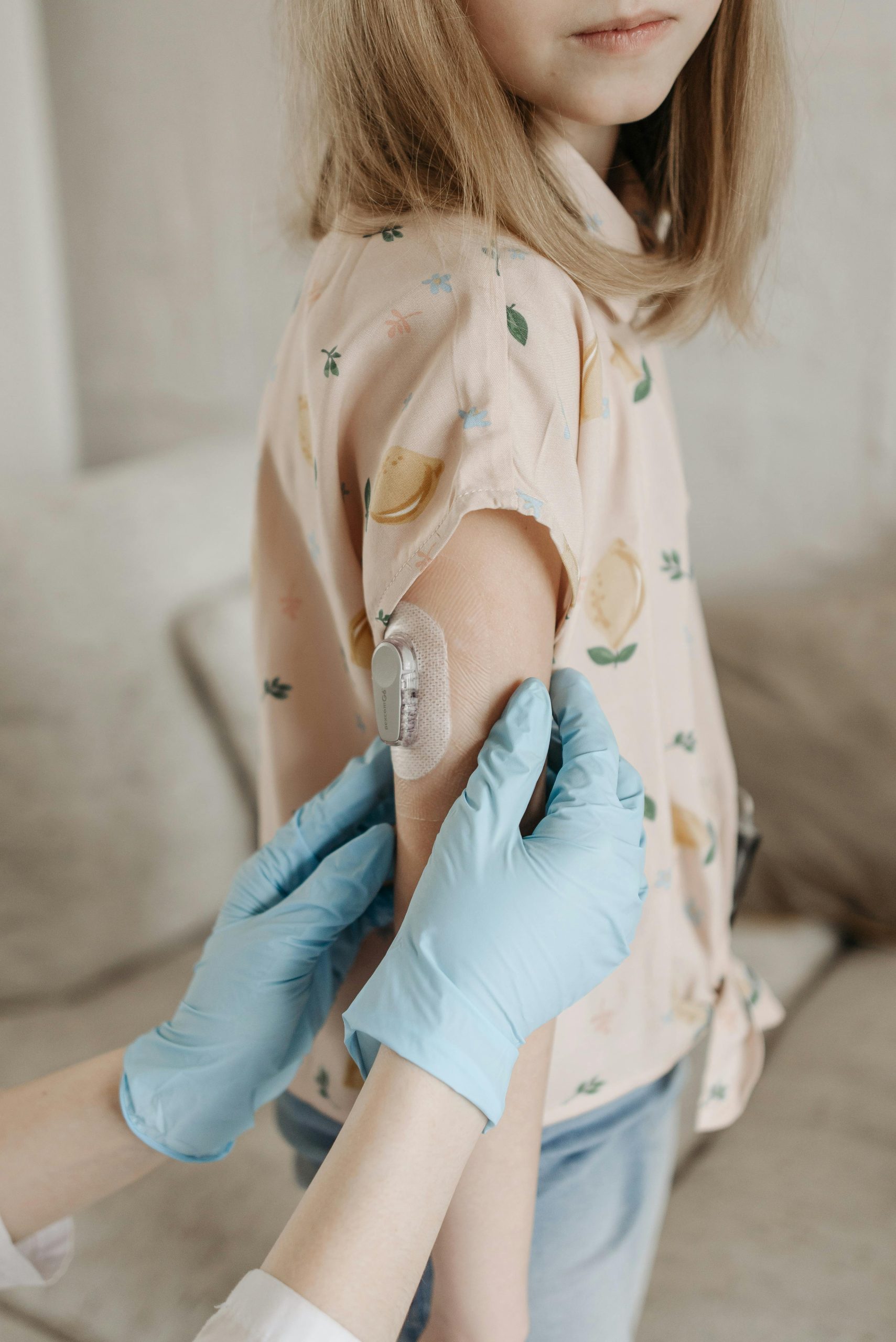

Specialized CGM Applications
What is the Difference Between Professional and Personal CGM Devices?
Professional and personal CGM systems serve different purposes in diabetes management, though the technology behind them is often similar.
Professional CGM
Refers to devices owned by healthcare providers and temporarily placed on patients for diagnostic purposes. Key characteristics include:
Provider-Owned Equipment The healthcare facility purchases and maintains the systems, lending them to patients for short periods.
Blinded or Unblinded Options Some professional CGMs are “blinded” (patients cannot see real-time data during wear) while others allow patient viewing.
Short-Term Wear Typically worn for 7-14 days to collect diagnostic data.
Retrospective Analysis Data is analyzed after the wear period to identify patterns and inform treatment changes.
No Patient Training Required Minimizes the learning curve since patients don’t manage the device long-term.
Insurance Considerations Often covered as a diagnostic service rather than durable medical equipment.
Common professional systems include the FreeStyle Libre Pro, Dexcom Professional, and Medtronic iPro2.
Personal CGM
Personal CGM systems are prescribed to patients for ongoing use. Their characteristics include:
Patient-Owned Equipment Patients (or their insurance) purchase the system and supplies.
Real-Time Data Provides immediate feedback on glucose levels and trends.
Long-Term Use Designed for continuous wear with regular sensor replacements.
Alerts and Alarms Includes customizable notifications for high and low glucose levels.
Patient Self-Management Requires training on device use, interpretation, and maintenance.
Insurance Considerations Typically covered as durable medical equipment with ongoing supply coverage.
Popular personal systems include the Dexcom G7, FreeStyle Libre 3, and Medtronic Guardian 4.
When Each Is Appropriate
Professional CGM might be ideal when:
- Evaluating whether a patient would benefit from full-time CGM
- Gathering diagnostic data for patients without insurance coverage for personal CGM
- Assessing response to therapy changes without committing to a specific personal system
- Patients prefer not to wear devices long-term but need period assessments
- Identifying hidden patterns like nocturnal hypoglycemia or post-meal spikes
Personal CGM might be preferred when:
- Ongoing monitoring is needed for daily management decisions
- Real-time alerts could prevent dangerous glucose excursions
- The patient benefits from continuous feedback on lifestyle choices
- Remote monitoring by caregivers is important (children, elderly)
- Integration with insulin delivery systems is desired
Some patients benefit from both—using professional CGM for initial diagnosis or periodic assessments, and personal CGM for day-to-day management when indicated.
Embracing the Future of Glucose Monitoring
The landscape of blood sugar monitoring technology has transformed dramatically. What was once a painful, labor-intensive process has evolved into sophisticated systems that provide unprecedented insights with minimal inconvenience.
As we look toward the future, several trends are clear:
- Monitoring is becoming less invasive – with longer-lasting sensors, truly noninvasive options on the horizon, and smaller, more discrete devices.
- Systems are growing more intelligent – using artificial intelligence to predict problems before they occur and provide personalized recommendations.
- Integration is expanding – creating ecosystems where glucose data informs not just insulin delivery but comprehensive health management.
- Access is improving – with broader insurance coverage, more affordable options, and over-the-counter availability for wellness applications.
- Personalization is increasing – moving beyond one-size-fits-all approaches to solutions tailored to individual needs and preferences.
For those living with diabetes, these advancements offer more than convenience—they represent freedom, safety, and improved quality of life. The data clearly shows that users of modern monitoring technology experience better clinical outcomes, fewer complications, and reduced diabetes distress.
If you’re considering upgrading your monitoring approach, I encourage you to:
- Speak with your healthcare provider about which options might best suit your specific needs
- Check your insurance coverage to understand financial considerations
- Connect with the diabetes community to learn from others’ experiences with different systems
- Start with clear goals about what you hope to achieve with improved monitoring
Remember that technology is a tool, not a solution in itself. The most sophisticated device only provides value when its data informs meaningful actions. Work with your healthcare team to develop a plan for using your monitoring data effectively.
What monitoring technology are you currently using? Are you considering making a change? I’d love to hear about your experiences in the comments below.
Disclaimer: This article is for informational purposes only and does not constitute medical advice. Always consult with your healthcare provider before making changes to your diabetes management routine or purchasing new monitoring technology.