Diabetes Tips
Can Type 2 Diabetes Be Reversed?
Can Type 2 Diabetes Be Reversed? Recent Research and Practical Tips
Living with type 2 diabetes can be a challenging and frustrating experience, but recent research suggests that it may be possible to reverse the condition through lifestyle changes and dietary modifications.
The Science Behind Type 2 Diabetes
Type 2 diabetes is a metabolic disorder characterized by insulin resistance and impaired glucose regulation. When we eat, our body converts the carbohydrates into glucose, which is then transported to our cells using insulin. In type 2 diabetes, the body’s cells become resistant to insulin, making it difficult for glucose to enter the cells, leading to high blood sugar levels.
The exact causes of type 2 diabetes are still not fully understood, but research suggests that a combination of genetic and environmental factors contribute to its development. Factors such as obesity, physical inactivity, and a diet high in processed foods and added sugars may increase the risk of developing type 2 diabetes.
Recent Research Summaries
A recent study published in the Journal of Clinical Endocrinology and Metabolism found that a low-carbohydrate diet can improve insulin sensitivity and reduce blood glucose levels in people with type 2 diabetes. The study involved 24 participants who followed a low-carbohydrate diet for 12 weeks, resulting in significant improvements in insulin sensitivity and blood glucose control.
Another study published in the journal Diabetes Care found that a Mediterranean-style diet rich in fruits, vegetables, whole grains, and healthy fats can improve cardiovascular risk factors and reduce the risk of developing type 2 diabetes. The study involved 1,000 participants who followed a Mediterranean-style diet for an average of five years, resulting in significant reductions in blood pressure, triglycerides, and waist circumference.
Statistics
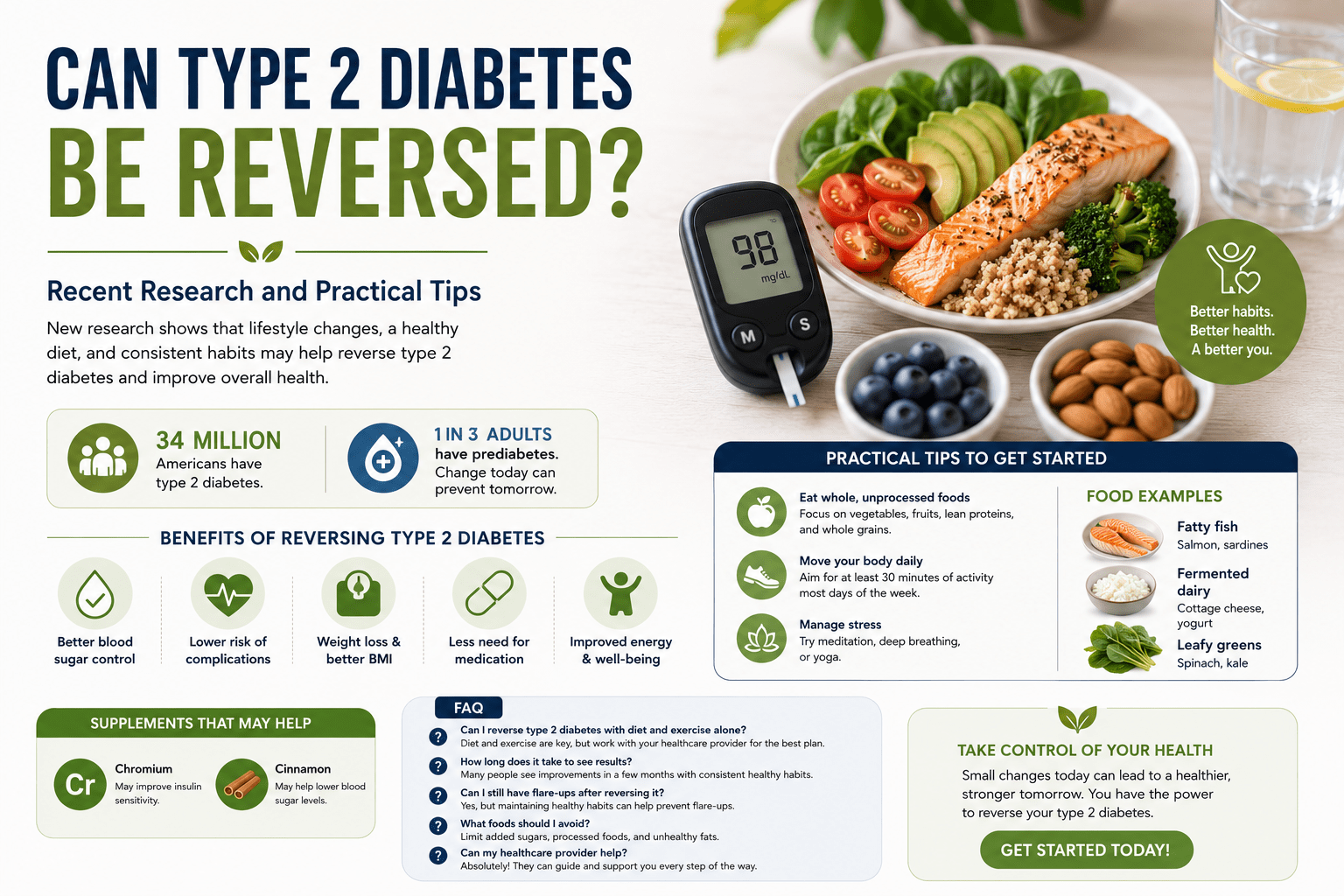
According to the American Diabetes Association, approximately 34 million people in the United States are living with type 2 diabetes. Additionally, the Centers for Disease Control and Prevention estimate that more than one-third of adults in the United States have prediabetes, a condition characterized by high blood sugar levels but not yet high enough to be diagnosed as diabetes.
Benefits of Reversing Type 2 Diabetes
Reversing type 2 diabetes can have numerous benefits for individuals living with the condition. Some of these benefits include:
- Improved blood sugar control and reduced risk of complications such as heart disease, kidney disease, and nerve damage.
- Weight loss and improved body mass index (BMI).
- Reduced need for medications and insulin therapy.
- Improved overall health and well-being.
Risks and Side Effects
While reversing type 2 diabetes can have numerous benefits, there are also potential risks and side effects to consider. Some of these risks include:
- Potential for hypoglycemia (low blood sugar) when starting a new diet or exercise program.
- Interactions with medications or supplements.
- Potential for weight regain if not maintaining a healthy lifestyle.
Practical Tips for Reversing Type 2 Diabetes
Reversing type 2 diabetes requires a comprehensive approach that includes dietary modifications, increased physical activity, and stress management. Here are some practical tips to help you get started:
- Focus on whole, unprocessed foods such as fruits, vegetables, lean proteins, and whole grains.
- Incorporate regular physical activity into your daily routine, such as walking, jogging, or cycling.
- Practice stress management techniques such as meditation, yoga, or deep breathing exercises.
Food Examples
A balanced diet is essential for reversing type 2 diabetes. Here are some food examples that can help:
- Fatty fish such as salmon and sardines, which are rich in omega-3 fatty acids and antioxidants.
- Cottage cheese and other fermented dairy products, which contain probiotics and calcium.
- Leafy greens such as spinach and kale, which are rich in fiber and vitamins.
Supplement Considerations
Supplements can play a role in supporting the reversal of type 2 diabetes. Here are some supplement options to consider:
- Chromium supplements, which can help improve insulin sensitivity and glucose metabolism.
- Cinnamon supplements, which have been shown to lower blood sugar levels and improve insulin sensitivity.

Frequently Asked Questions (FAQs)
We’ve compiled a list of frequently asked questions about reversing type 2 diabetes. Here are some answers to help you get started:
- Q: Can I reverse my type 2 diabetes with just diet and exercise?
- No, while diet and exercise can certainly play a role in managing type 2 diabetes, they may not be enough to completely reverse the condition. Consult with your healthcare provider before starting any new program.
- Q: How long does it take to reverse my type 2 diabetes?
- The time it takes to reverse type 2 diabetes can vary depending on individual factors such as diet, exercise, and lifestyle habits. However, many people experience significant improvements in blood sugar control and insulin sensitivity within several months of starting a new program.
- Q: Can I still have a flare-up even after reversing my type 2 diabetes?
- Yes, it’s possible to experience a flare-up even after reversing type 2 diabetes. This can be caused by a variety of factors such as changes in diet or exercise, stress, or medication side effects.
- Q: Are there any specific foods that I should avoid when trying to reverse my type 2 diabetes?
- Yes, certain foods such as added sugars, saturated fats, and processed meats can make it harder to reverse type 2 diabetes. Focus on whole, unprocessed foods and limit your intake of these unhealthy options.
- Q: Can I get support for reversing my type 2 diabetes from my healthcare provider?
- Yes, many healthcare providers offer support and guidance for patients looking to reverse their type 2 diabetes. Consult with your healthcare provider to develop a personalized plan that meets your needs and goals.
Conclusion
Reversing type 2 diabetes is possible through lifestyle changes and dietary modifications. While there are potential risks and side effects to consider, the benefits of reversing this condition can be significant. By incorporating practical tips, focusing on whole foods, and staying committed to a healthy lifestyle, you can take control of your health and work towards reversing your type 2 diabetes.
If you’re interested in learning more about reversing type 2 diabetes or would like personalized support, consider consulting with a registered dietitian or certified healthcare professional. Remember, managing your health is a journey, and every small step counts!