Herbal Remedies
Bay Leaf and Diabetes : Natural Support for Blood Sugar
Bay Leaf and Diabetes: Aromatic Ally for Blood Sugar and Metabolism

Introduction: A Hidden Gem in the Kitchen
Bay leaf (Laurus nobilis) is commonly used in cooking to add flavor to soups and stews, but beyond its culinary value, it carries potent medicinal properties. For people with diabetes, bay leaf is emerging as a natural, aromatic ally in blood sugar management and metabolic support.
Scientific Backing: What the Research Says
Multiple studies support the hypoglycemic effects of bay leaves. Clinical research published in the Journal of Clinical Biochemistry and Nutrition demonstrated that consuming 1 to 3 grams of bay leaf powder daily over 30 days led to significant reductions in fasting blood glucose levels, LDL (bad) cholesterol, and triglycerides, while HDL (good) cholesterol levels improved.
These findings suggest that bay leaf can be effective not only for managing blood glucose but also for improving cardiovascular health—a critical concern for people with type 2 diabetes.
Active Compounds and Their Effects
The effectiveness of bay leaf lies in its unique phytochemical composition. It contains active compounds such as:
- Eugenol – with anti-inflammatory and antioxidant properties.
- Linalool – helps reduce stress, which is known to affect blood sugar levels.
- Cineole and terpenes – support digestion and insulin sensitivity.
These bioactive compounds work synergistically to reduce oxidative stress and regulate enzymes involved in carbohydrate metabolism.
Bay Leaf and Insulin Sensitivity
One of the key challenges in type 2 diabetes is insulin resistance—when cells stop responding efficiently to insulin. Research indicates that bay leaf can enhance insulin sensitivity, allowing better uptake of glucose into cells and reducing overall blood sugar levels.
How to Use Bay Leaf
There are several ways to incorporate bay leaf into your diet:
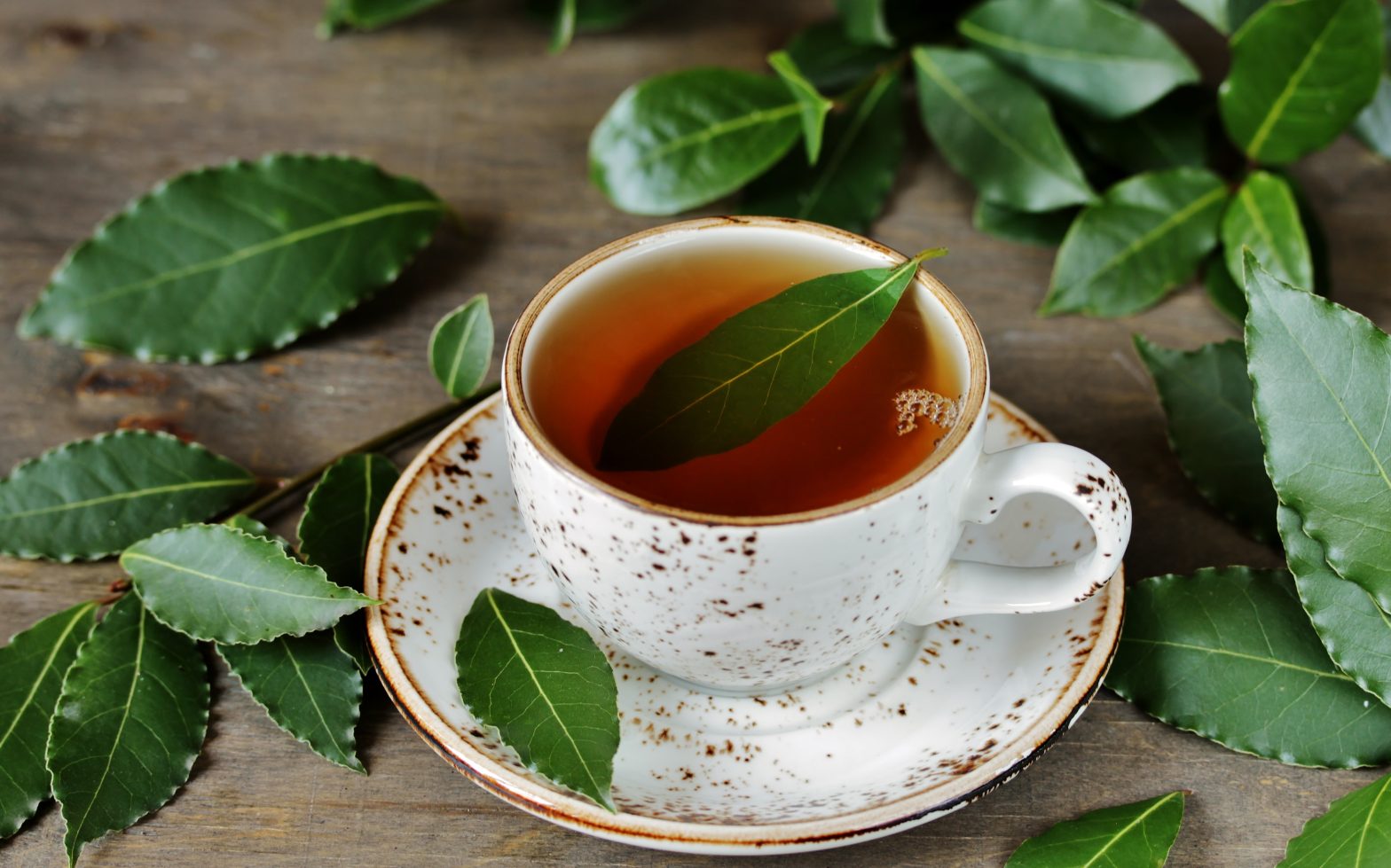
- Bay Leaf Tea: Boil 2–3 dried bay leaves in 250 ml water for 5–10 minutes. Strain before drinking. This tea can be consumed once or twice daily.
- Bay Leaf Powder: Available in capsule form or loose powder. Typical doses range from 1 to 3 grams per day. Always consult a healthcare provider before beginning any supplement.
- Culinary Uses: Add whole bay leaves to soups, stews, beans, or rice dishes. Remove the leaf before serving, as it is not meant to be eaten directly due to its toughness.
Safety and Precautions
Bay leaf is generally safe when used in culinary amounts. However, high doses of concentrated bay leaf extract may interact with medications, especially those for diabetes and blood pressure. Always check with your doctor if you are on medication before using therapeutic amounts of bay leaf.

Additional Benefits
Besides blood sugar control, bay leaves may also help:
- Reduce inflammation in joints (useful for diabetic neuropathy).
- Support liver detoxification.
- Improve digestion and reduce bloating.
Testimonial Spotlight
“I started drinking bay leaf tea after meals, and within two weeks, I noticed my post-meal sugar spikes were much lower. Combined with better eating habits, my HbA1c dropped from 7.2 to 6.5 in three months.” – Linda R., San Diego, CA
Fun Facts About Bay Leaf
- Bay leaf was a symbol of victory and wisdom in Ancient Greece.
- It is used in traditional medicine across Mediterranean, Indian, and Middle Eastern cultures.
- Bay leaf essential oil is also used in aromatherapy for its calming effect.
Conclusion
Bay leaf is more than just a kitchen spice—it’s a functional herb with proven metabolic and anti-inflammatory benefits. When used as part of a healthy diet and lifestyle, it can support better blood sugar control and overall well-being. As always, moderation and medical guidance are key to safely reaping its benefits.