Intermittent fasting
The Science Behind Fasting and Cell Regeneration
Autophagy Explained: The Science Behind Fasting and Cell Regeneration
Category: Intermittent Fasting |
Introduction to Autophagy
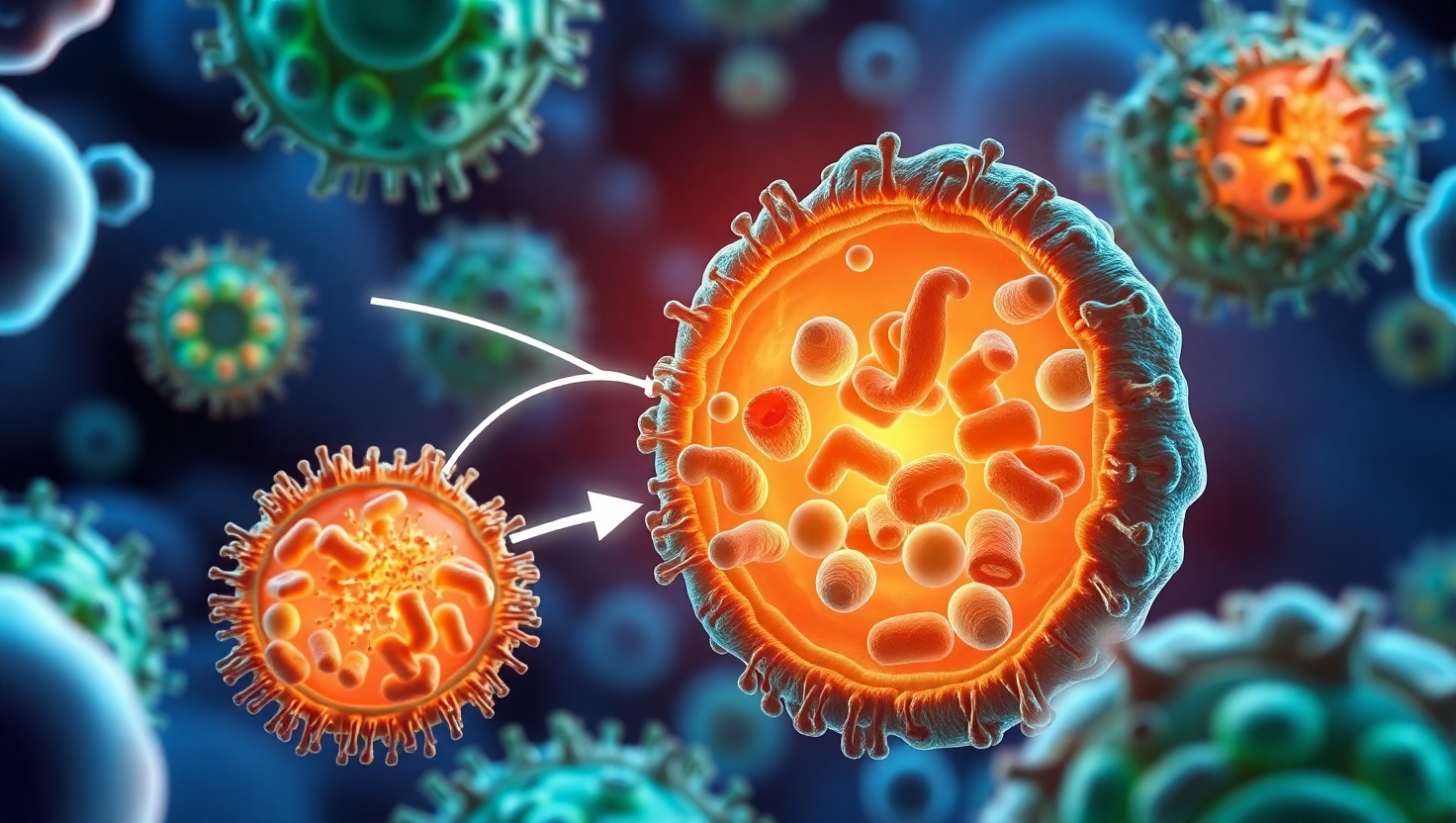
Autophagy, derived from the Greek words “auto” (self) and “phagy” (eating), is the body’s innate process of cellular self-cleaning and recycling. This essential biological mechanism breaks down and removes dysfunctional or damaged cellular components, thereby rejuvenating cells and promoting longevity. Understanding autophagy is especially relevant in the context of intermittent fasting, metabolic health, aging, and chronic disease management.
The Science of Autophagy
Autophagy was first described in the 1960s, but its significance gained global attention when Dr. Yoshinori Ohsumi received the Nobel Prize in Physiology or Medicine in 2016 for his discoveries of mechanisms underlying autophagy (Nobel Prize Summary, 2016). Ohsumi’s groundbreaking work in yeast cells revealed the genetic pathways that govern autophagy and how this process is vital for cellular health.
Autophagy plays a pivotal role in regulating inflammation, enhancing immune response, protecting neurons from degenerative diseases, and preventing cancerous growth. It is triggered during stress conditions such as nutrient deprivation, oxidative stress, and exercise.

How Intermittent Fasting Induces Autophagy
One of the most effective ways to stimulate autophagy is through intermittent fasting. Fasting causes nutrient scarcity, which triggers cellular pathways such as AMPK and inhibits mTOR (mechanistic target of rapamycin), a pathway that suppresses autophagy when nutrients are plentiful (Jung et al., 2010).
Studies have shown that autophagy activation generally begins after 14-16 hours of fasting, peaking around 24-48 hours depending on individual physiology, diet, and metabolic condition. Prolonged fasting cycles have demonstrated benefits in reducing insulin resistance, removing senescent cells, and improving metabolic flexibility.
Benefits of Autophagy
- Cellular Repair: Damaged organelles and misfolded proteins are digested and reused, helping to prevent cellular dysfunction.
- Neuroprotection: Enhances brain health and may prevent neurodegenerative diseases like Alzheimer’s and Parkinson’s (Fleming et al., 2020).
- Immune Function: Helps eliminate pathogens and supports immune cell health (Deretic et al., 2019).
- Cancer Prevention: By removing mutated or dysfunctional cells, autophagy reduces the risk of tumorigenesis.
- Improved Metabolism: Enhances insulin sensitivity and glucose regulation, key for people managing diabetes or metabolic syndrome.
Clinical Evidence and Studies
Numerous clinical and preclinical studies have demonstrated autophagy’s role in healthspan and disease prevention. For example, a 2017 dissertation from the University of Oslo examined the effects of prolonged fasting on mitochondrial autophagy in muscle cells and found enhanced performance and resistance to oxidative damage (Master Thesis, University of Oslo).
Another landmark study in the journal Cell Metabolism revealed that intermittent fasting promotes mitochondrial biogenesis, which indirectly enhances autophagy-related pathways (Longo & Panda, 2015).
Autophagy and Longevity
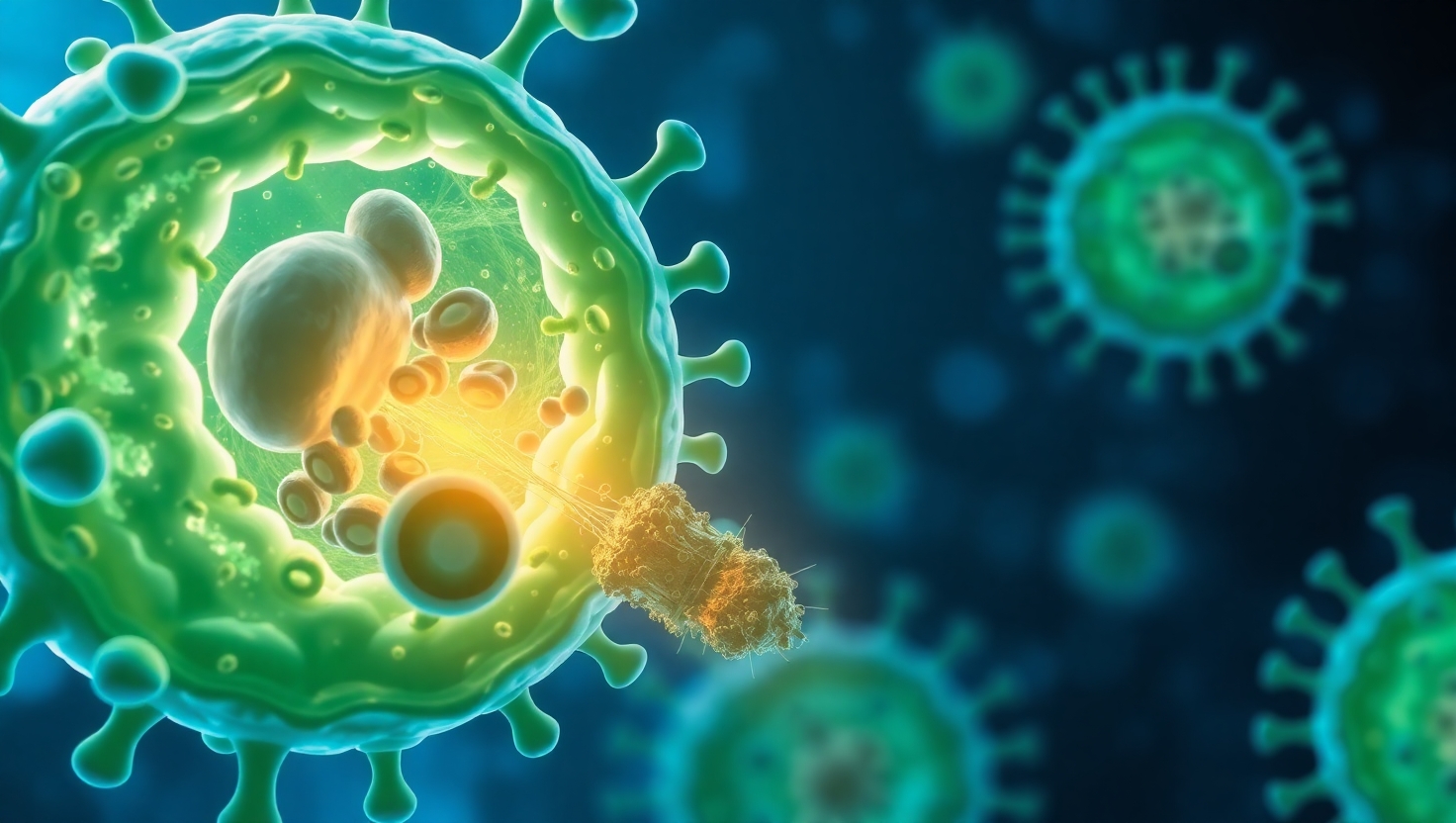
Autophagy is closely linked with longevity genes like FOXO3 and SIRT1. These genes are activated through caloric restriction and intermittent fasting, contributing to improved lifespan and reduced signs of aging (Madeo et al., 2018).
Animal studies consistently show that enhanced autophagy leads to extended lifespan. Although human trials are still underway, biomarkers such as insulin sensitivity, IGF-1 reduction, and lower inflammation levels all point to the benefits of fasting-induced autophagy in healthy aging.
Dietary Support for Autophagy
While fasting is a primary trigger, certain dietary components can support or enhance autophagy. These include:
- Green tea catechins
- Curcumin (turmeric)
- Resveratrol (grapes, red wine)
- Ginger and garlic
- Omega-3 fatty acids
These compounds act as mild stressors or mimetics of caloric restriction, helping to activate AMPK and inhibit mTOR (de Cabo & Mattson, 2017).
Practical Guide to Starting Autophagy via Fasting
If you’re considering leveraging autophagy through intermittent fasting, start with a time-restricted eating window such as 16:8 (16 hours fasting, 8 hours eating). Gradually build to 18:6 or occasional 24-hour fasts once your body adapts. Always consult with a healthcare provider, especially if you’re managing a condition like diabetes or take medication.
Supporting your fasting with light exercise, hydration, and stress management can enhance autophagy benefits.
Conclusion
Autophagy represents one of the most powerful, natural mechanisms your body uses to stay healthy, energetic, and youthful. Through science-backed methods like intermittent fasting, specific nutrients, and lifestyle adjustments, we can activate this cellular self-cleaning system and experience significant improvements in healthspan and disease prevention.
Understanding the mechanisms behind autophagy empowers you to make informed decisions about your health and wellness journey. Whether you’re targeting weight loss, metabolic health, or healthy aging, tapping into autophagy through fasting and nutrition could be your body’s best-kept secret.