
Diabetes Tips
Is High Blood Sugar in Your DNA? What Genetics Reveal


Is High Blood Sugar in Your DNA? What Genetics Reveal
Understanding the genetic factors behind blood sugar levels and how they affect your health journey

Introduction
The first time my doctor told me my blood sugar was “borderline,” I immediately thought of my family. My grandmother had diabetes. My father developed it in his 50s. Was I simply destined to follow the same path? Maybe you’ve had similar thoughts after receiving concerning lab results or a diagnosis.
Living with high blood sugar often feels like being caught in a game where the rules seem unfair. You might watch friends indulge in desserts with seemingly no consequences while your glucose spikes after even the most careful meals. The question haunts many of us: was I born with this tendency, or is it something I did?
The relationship between our genes and blood sugar is far more nuanced than many realize. While headlines might make you believe your DNA is your destiny, the truth offers both sobering realities and surprising hope. Today, we’re diving deep into what science actually tells us about genetics and blood sugar—and how understanding your genetic blueprint might be the key to personalized management strategies that actually work.
The Genetic Foundation of Blood Sugar Regulation
How Your Genes Influence Blood Sugar
Your body’s relationship with glucose isn’t random—it’s a sophisticated dance choreographed partly by your genetic code. When we talk about blood sugar regulation, we’re actually discussing multiple biological systems working in harmony:
- Insulin production: Genes affect how efficiently your pancreas produces insulin
- Insulin sensitivity: Your cells’ ability to respond to insulin signals
- Glucose metabolism: How your body processes and stores glucose
- Hormonal balance: Other hormones that influence blood sugar levels
Each of these functions is influenced by specific genes that you inherited from your parents. However, having certain genes doesn’t guarantee you’ll develop diabetes or high blood sugar—it simply changes the threshold of environmental factors needed to trigger problems.
Key Genes Associated with Blood Sugar Regulation
Research has identified several genes strongly linked to blood sugar control and diabetes risk. Some of the most significant include:
| Gene | Function | Associated Risk |
|---|---|---|
| TCF7L2 | Affects insulin production | 30-40% increased risk of Type 2 diabetes |
| MTNR1B | Influences glucose metabolism and circadian rhythms | 15-20% increased risk |
| PPARG | Regulates fat cell development and insulin sensitivity | 15% increased risk |
| KCNJ11 | Controls insulin release from pancreatic cells | Associated with both Type 1 and Type 2 diabetes |
| HLA-DQA1, HLA-DQB1, HLA-DRB1 | Immune system function | Strong association with Type 1 diabetes |
| GCK | Acts as a “glucose sensor” | Associated with MODY (Maturity Onset Diabetes of the Young) |
Understanding these genetic factors can be empowering. When I discovered my own family carried the TCF7L2 variant, it helped explain why certain dietary approaches worked better for us than standard recommendations.
Type 1 vs. Type 2 Diabetes: Genetic Differences
The genetic influences on Type 1 and Type 2 diabetes differ significantly:
Type 1 Diabetes:
- Stronger genetic component (about 50% heritable)
- Associated primarily with immune system genes
- Usually requires multiple gene variants plus environmental triggers
- Often appears early in life regardless of lifestyle factors
Type 2 Diabetes:
- More complex genetic profile (30-70% heritable)
- Involves genes for insulin production, sensitivity, and metabolic function
- Strongly influenced by lifestyle and environmental factors
- Risk increases with age and exposure to other factors
A key distinction worth understanding: having genetic risk factors for Type 2 diabetes typically requires “activation” through lifestyle and environmental exposures, while Type 1 has a more direct genetic pathway.
Understanding Your Genetic Risk
Family History as a Risk Indicator
Your family history offers valuable clues about your genetic predisposition. Consider these statistics:
- If one parent has Type 2 diabetes, your risk increases by 40%
- If both parents have Type 2 diabetes, your risk rises to 70%
- Having a sibling with Type 2 diabetes doubles your risk
- For Type 1 diabetes, having a parent with the condition increases risk by about 10%
I remember mapping my own family’s diabetes history and noticing patterns—maternal relatives developed it earlier than paternal ones. This kind of observation can provide insights into not just if you might develop high blood sugar, but potentially when and how it might manifest.
Genetic Testing: What Can It Tell You?
Modern genetic testing offers new windows into understanding your personal risk. These tests generally fall into several categories:
Clinical Genetic Testing
- Ordered by healthcare providers
- Covered by insurance for those with strong family history
- Provides detailed analysis of specific diabetes-related genes
- Results interpreted by medical professionals
Direct-to-Consumer Testing
- Available without prescription
- Variable in depth and accuracy
- May provide raw data that can be analyzed further
- Limited clinical interpretation
Research-Based Testing
- Typically part of larger studies
- May provide more comprehensive genetic analysis
- Results often shared with participants
- Contributes to broader understanding of genetic factors
While I found my own genetic testing enlightening, it’s important to approach results with perspective. Genetic risk is just one piece of a complex puzzle.
Interpreting Your Genetic Results
Receiving genetic test results can be both illuminating and overwhelming. Here’s how to make sense of them:
- Understand probability vs. certainty: Having a gene variant increases risk but doesn’t guarantee disease development
- Consider risk percentages in context: A “30% increased risk” sounds alarming, but if baseline risk is low, the actual increase may be modest
- Look for actionable insights: Some genetic variants suggest specific dietary or medication approaches might be more effective
- Discuss with healthcare providers: Integrate genetic information with other health data for a complete picture
- Recognize limitations: Current testing doesn’t capture all possible genetic factors
The most valuable aspect of genetic testing isn’t learning your “destiny”—it’s gaining insights that can inform personalized prevention strategies.
The Interplay Between Genes and Environment
When Genes Meet Lifestyle: The Epigenetic Factor
Perhaps the most fascinating aspect of genetic research is epigenetics—how environmental factors can influence gene expression without changing the underlying DNA code. For blood sugar management, this creates a dynamic relationship:
Your genes load the gun, but environment pulls the trigger.
Epigenetic changes occur when external factors like diet, exercise, stress, and environmental exposures alter how your genes express themselves. These modifications can:
- Turn genes “on” or “off”
- Amplify or diminish genetic effects
- Create lasting changes that may even pass to future generations
- Develop gradually over time with consistent exposures
I’ve experienced this personally—despite having several high-risk genetic variants, maintaining certain lifestyle habits has kept my blood sugar stable for years. Conversely, during periods of high stress and poor sleep, my numbers quickly reflect those genetic vulnerabilities.
Environmental Triggers for Genetic Susceptibility
Certain environmental factors have been shown to interact particularly strongly with genetic predispositions to high blood sugar:
Diet:
- High-carbohydrate diets (especially refined carbs)
- Excessive sugar consumption
- Insufficient fiber intake
- Poor meal timing relative to your genetic chronotype
Physical Activity:
- Sedentary lifestyle
- Lack of both aerobic and resistance exercise
- Extended sitting periods without breaks
Body Composition:
- Excess visceral fat (around organs)
- Changes in muscle mass/quality
- Fat distribution patterns
Stress and Sleep:
- Chronic psychological stress
- Sleep deprivation or poor sleep quality
- Disrupted circadian rhythms
Environmental Exposures:
- Certain endocrine-disrupting chemicals
- Air pollution
- Some medications
The key insight here is that genetic susceptibility creates vulnerabilities to specific environmental factors—but also reveals points of intervention that may be particularly effective for you.
Success Stories: Overcoming Genetic Predisposition
Despite genetic challenges, countless individuals have successfully managed their blood sugar through targeted approaches:
Maria’s Story: With three immediate family members with Type 2 diabetes, Maria learned through genetic testing that she carried several high-risk variants affecting insulin sensitivity. Rather than becoming discouraged, she used this information to develop a prevention plan focusing on strength training and reducing carbohydrate intake—approaches particularly effective for her genetic profile. Ten years later, her blood sugar remains normal despite her strong family history.
James’ Experience: After learning he carried genes associated with poor glucose regulation during night hours, James adjusted his eating schedule to avoid late dinners. This simple change, specifically addressing his genetic vulnerability, normalized his morning blood sugar readings when other approaches had failed.
The common thread in these success stories isn’t extraordinary willpower—it’s strategic intervention based on understanding personal genetic tendencies.
Genetic Insights for Blood Sugar Management
Personalized Nutrition Based on Genetic Factors
One of the most promising applications of genetic research is nutrigenomics—tailoring dietary approaches to individual genetic profiles. Research suggests several genetic variations may influence how you respond to different dietary approaches:
Carbohydrate Sensitivity: Some genetic variants (like certain TCF7L2 variations) may make you more sensitive to carbohydrate intake, requiring stricter carbohydrate management than others with similar health metrics.
Fat Metabolism: Variations in genes like PPARG can affect how efficiently your body processes different types of fats, potentially making certain dietary fat ratios more beneficial for your blood sugar control.
Meal Timing: Genes that influence your circadian rhythm (like MTNR1B) may make your blood sugar more responsive to when you eat rather than just what you eat.
Micronutrient Needs: Some genetic variations create higher requirements for specific nutrients involved in glucose metabolism, such as magnesium, chromium, or vitamin D.
Through personal experimentation informed by my genetic profile, I discovered my blood sugar responds dramatically better when I limit carbohydrates in my evening meals—a pattern consistent with my MTNR1B variation.
Exercise Recommendations Based on Genetic Profile
Exercise benefits everyone’s blood sugar control, but genetic insights can help optimize your approach:
Type:
- Some genetic profiles show greater glucose improvements from resistance training
- Others respond better to high-intensity interval training
- Some show enhanced benefits from moderate, sustained activity
Timing:
- Certain genetic variations affect the blood sugar response to morning versus evening exercise
- Some profiles benefit more from pre-meal activity, others from post-meal movement
Recovery Needs:
- Genetic factors influence optimal recovery periods between intense sessions
- Some variations affect how quickly muscle glycogen is replenished
By aligning your exercise routine with your genetic tendencies, you may achieve better blood sugar management with the same amount of effort.
Medication Response and Genetics
The emerging field of pharmacogenomics examines how genetic variations affect medication response—particularly relevant for diabetes medications:
| Medication Class | Genetic Factors | Potential Impact |
|---|---|---|
| Metformin | Variations in OCT1, OCT2, MATE1 genes | Affects drug absorption, effectiveness, and side effects |
| Sulfonylureas | CYP2C9 variants | Influences drug metabolism and hypoglycemia risk |
| GLP-1 agonists | TCF7L2 variants | May predict enhanced response in certain genetic profiles |
| SGLT2 inhibitors | Genetic factors still being researched | Early evidence suggests variable response patterns |
Working with healthcare providers aware of pharmacogenomics can help identify which medications might work best for your specific genetic profile, potentially avoiding ineffective treatments or unnecessary side effects.
Future Directions in Genetic Research and Blood Sugar
Emerging Technologies in Genetic Testing
The landscape of genetic testing for blood sugar management continues to evolve rapidly:
Polygenic Risk Scores: Rather than focusing on single genes, these comprehensive analyses evaluate the combined effect of hundreds or thousands of genetic variations to provide more accurate risk assessment.
Continuous Glucose Monitoring Integration: Combining real-time glucose data with genetic information offers unprecedented insights into how your unique genetic profile influences daily glucose patterns.
Artificial Intelligence Analysis: Machine learning algorithms are increasingly able to identify subtle patterns in genetic data that human analysis might miss, potentially revealing new connections between genetics and blood sugar.
Epigenetic Testing: Beyond standard genetic testing, emerging technologies can assess how your genes are currently being expressed, providing a more dynamic picture of your blood sugar regulation.
I find the integration of continuous glucose monitoring with genetic insights particularly promising—it’s like having a personalized translator for how your daily choices interact with your genetic tendencies.
Gene Therapy and Future Treatments
While still largely experimental, several approaches to gene-based treatments show promise:
Gene Editing: CRISPR and similar technologies could potentially correct genetic mutations associated with certain forms of diabetes, though applications remain primarily in research stages.
Targeted Biologics: Medications designed to address specific genetic pathways are being developed, potentially offering more precise treatment with fewer side effects.
Personalized Preventive Protocols: Comprehensive programs that integrate genetic information with other health data to create highly individualized prevention strategies.
While many of these approaches remain on the horizon, they represent the direction medicine is moving—toward treatments tailored to individual genetic profiles rather than one-size-fits-all approaches.
Ethical Considerations in Genetic Testing
As genetic testing becomes more commonplace, important ethical questions arise:
Privacy Concerns: Who should have access to your genetic information? How can it be protected from discrimination or misuse?
Psychological Impact: How does learning about genetic predispositions affect mental health and behavior? Could it create fatalism or anxiety?
Access and Equity: Will genetically-informed treatments be available to all, or create new healthcare disparities?
Interpretation Challenges: How can we ensure genetic information is properly interpreted and contextualized?
I believe strongly that genetic information should empower rather than limit us—but responsible approaches to these ethical questions are essential as the field advances.
Practical Steps: What Can You Do Today?
Assessing Your Personal Risk
Even without advanced genetic testing, you can take steps to understand your risk profile:
- Document your family history in detail: Note not just who had diabetes or high blood sugar, but when they developed it and what type they had
- Identify patterns across generations: Look for similarities in how the condition manifested or responded to treatment
- Consider ethnicity factors: Some ethnic backgrounds have higher genetic risk for specific types of blood sugar issues
- Track your personal blood sugar patterns: Regular monitoring can reveal your unique responses to different foods and activities
- Discuss risk assessment with healthcare providers: They can help interpret your family history in context
When I compiled my family’s diabetes history, I discovered a pattern of early insulin resistance but slower progression to full diabetes—information that helped me develop an appropriate monitoring schedule.
Lifestyle Strategies That Work Regardless of Genetics
While personalized approaches based on genetics offer advantages, certain foundational strategies benefit nearly everyone:
Nutritional Approaches:
- Minimize refined carbohydrates and added sugars
- Emphasize fiber-rich whole foods
- Include quality protein and healthy fats with meals
- Consider meal timing and spacing
Movement Patterns:
- Break up extended sitting periods
- Include both aerobic and resistance training
- Find activities sustainable for your preferences and lifestyle
- Prioritize consistency over intensity
Stress Management:
- Develop regular stress reduction practices
- Prioritize sleep quality and quantity
- Build social connections
- Practice mindful eating
Environmental Considerations:
- Minimize exposure to endocrine-disrupting chemicals
- Create supportive home environments for healthy choices
- Develop routines that make healthy choices automatic
I’ve found that focusing on these fundamentals creates a solid foundation, while genetic insights allow for strategic fine-tuning.
Working with Healthcare Providers
To integrate genetic insights into your care plan:
- Find providers knowledgeable about genetic factors: Not all healthcare professionals have training in genetic interpretation
- Share relevant family history: Provide detailed information beyond just “diabetes runs in my family”
- Ask about genetic testing options: Discuss whether clinical testing might be appropriate based on your history
- Request nuanced interpretation: Ensure genetic information is considered alongside other health factors
- Develop a personalized monitoring plan: Create a schedule for bloodwork and home monitoring that reflects your specific risk profile
The most productive healthcare relationships combine your self-knowledge with your provider’s medical expertise and awareness of genetic factors.
Conclusion
The relationship between your DNA and blood sugar is neither simple determinism nor irrelevant background noise—it’s a dynamic conversation between your genetic tendencies and your daily choices. Understanding this relationship offers something powerful: informed agency.
Your genes may create tendencies, but they rarely dictate destinies. The science increasingly shows that for most people, genetic risk factors for high blood sugar respond remarkably well to targeted interventions. The key lies in understanding your specific genetic vulnerabilities not as sentences, but as instruction manuals.
I’ve witnessed this personally and in working with others—knowledge of genetic factors doesn’t diminish hope; it enhances the precision of our efforts. By understanding which aspects of diet, activity, timing, and environment matter most for your specific genetic profile, you can work more efficiently rather than harder.
What steps will you take to understand your genetic blueprint? How might this knowledge transform your approach to blood sugar management? The answers could change your health trajectory for decades to come.
Have you discovered connections between your family history and blood sugar patterns? Share your experiences in the comments below, or reach out for personalized guidance on interpreting your genetic factors.
Disclaimer: This article provides general information for educational purposes only and is not intended as medical advice. Always consult qualified healthcare providers regarding your specific health conditions and before making changes to your healthcare regimen.











Diabetes Tips
Best foods for fatty liver and diabetes
Managing fatty liver disease and diabetes requires a well-balanced diet rich in healthy foods. Learn what foods can help alleviate symptoms and improve overall health.
The Best Foods for Fatty Liver and Diabetes: A Comprehensive Guide to Optimal Nutrition
When it comes to managing fatty liver disease and diabetes, the role of diet can’t be overstated. These two conditions affect millions of people worldwide, but with the right nutrients and lifestyle changes, you can take control of your health.
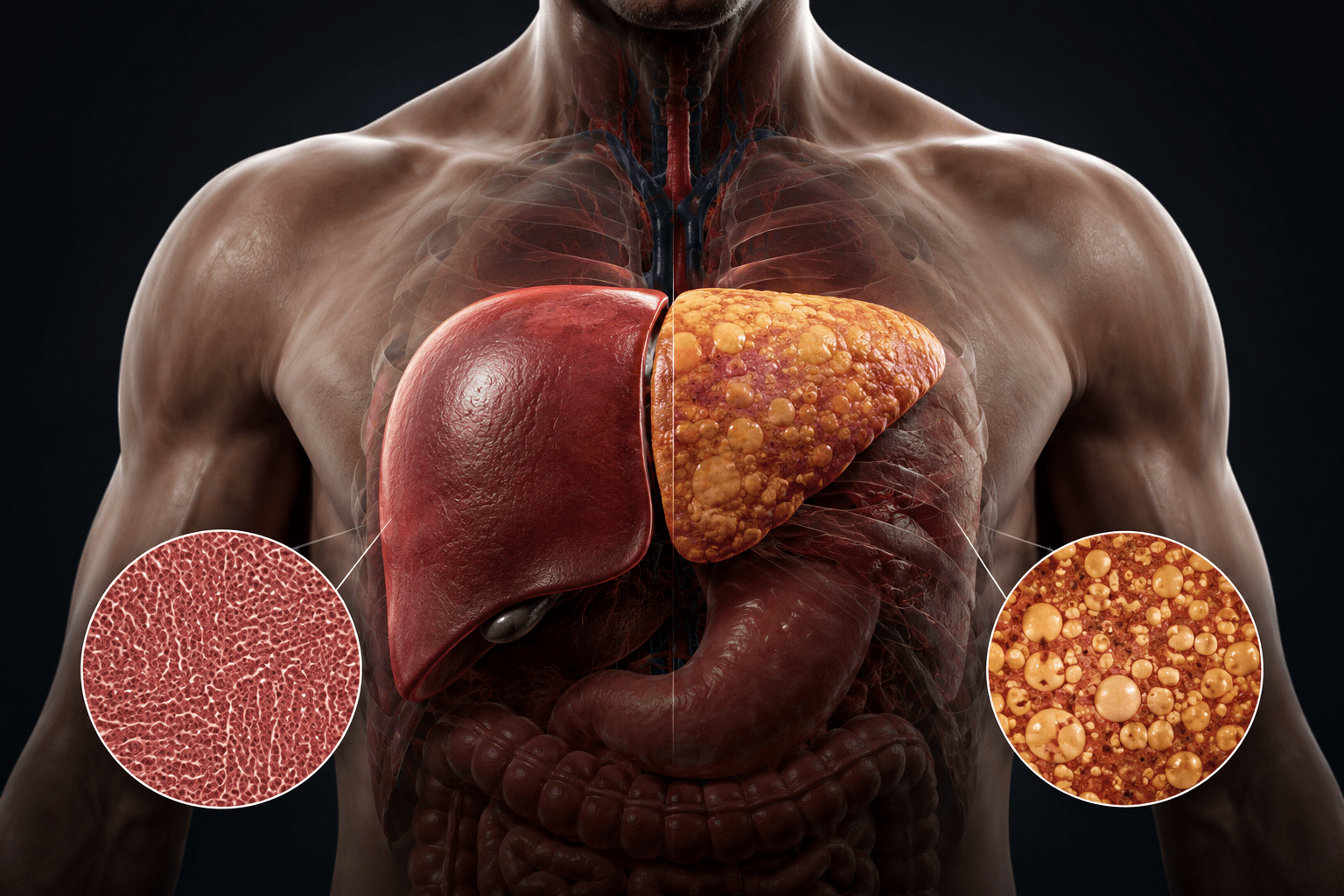
Fatty liver disease is characterized by an accumulation of excess fat in the liver, leading to inflammation and damage over time. Diabetes, on the other hand, affects how our bodies process blood sugar, causing high glucose levels that can harm organs like the kidneys, nerves, and eyes. The connection between diet and these conditions is complex, but research suggests that a balanced diet rich in whole foods may help mitigate the risk of complications.
Why This Topic Matters: Understanding the Link Between Diet and Fatty Liver/Diabetes
The link between diet and fatty liver disease and diabetes is multifaceted. Consuming high amounts of sugar, saturated fats, and sodium can put a strain on our livers and bodies, while nutrient-dense foods like fruits, vegetables, whole grains, and lean proteins provide essential nutrients for optimal health.
By understanding the relationship between diet and these conditions, we can make informed choices about the foods we eat and how they impact our overall well-being. In this article, we’ll explore the best foods for fatty liver and diabetes, highlighting nutrient-dense options that may support blood sugar control, insulin resistance, and liver health.
Scientific Explanations: How Food Affects Blood Sugar Control and Liver Health
When it comes to managing blood sugar levels and supporting liver health, food plays a critical role. Carbohydrates can cause a spike in blood glucose, which may worsen insulin resistance. On the other hand, fiber-rich foods like fruits, vegetables, and whole grains help slow down carbohydrate absorption and promote satiety.
The liver is also vital in detoxifying our bodies and regulating glucose metabolism. When we consume high amounts of sugar, saturated fats, and processed foods, it can put a strain on liver function, leading to inflammation and oxidative stress. By understanding how food affects blood sugar control and liver health, we can make informed choices about the foods we eat.
Practical Lifestyle Tips: Incorporating Fatty Liver-Friendly Foods into Your Diet
So, what are the best foods for fatty liver and diabetes? Here are some nutrient-dense options to consider:
* Leafy greens like spinach, kale, and collard greens provide essential vitamins and minerals
* Berries such as blueberries, strawberries, and raspberries offer antioxidants and fiber
* Fatty fish like salmon, tuna, and mackerel support heart health and omega-3 intake
* Nuts and seeds like almonds, walnuts, and chia seeds provide healthy fats and protein
* Legumes like lentils, chickpeas, and black beans are rich in fiber, protein, and minerals
* Whole grains like brown rice, quinoa, and whole-wheat bread offer complex carbohydrates and fiber
Incorporating these foods into your diet can help support blood sugar control, insulin resistance, and liver health. Aim for a balanced mix of protein, healthy fats, and complex carbohydrates to fuel your body.
Common Mistakes: Avoiding Unhealthy Patterns
When it comes to managing fatty liver and diabetes, avoiding unhealthy patterns is crucial. Here are some common mistakes to watch out for:
* Skipping meals or undereating, leading to low blood sugar
* Consuming high amounts of added sugars, saturated fats, and sodium
* Ignoring portion sizes and eating until full
By being mindful of these pitfalls, you can avoid exacerbating your condition and take proactive steps towards improving overall health.
Benefits: How Fatty Liver-Friendly Foods Can Support Your Health
Incorporating fatty liver-friendly foods into your diet may provide numerous benefits, including:
* Improved blood sugar control and reduced risk of complications
* Enhanced liver function and detoxification
* Reduced inflammation and oxidative stress
* Weight management and improved metabolic health
While these foods alone cannot cure fatty liver disease or diabetes, they can play a vital role in supporting overall health and well-being.
Risks and Considerations: Potential Side Effects of Fatty Liver-Friendly Foods
As with any dietary approach, it’s essential to consider potential side effects when incorporating fatty liver-friendly foods into your diet. Some possible risks include:
* Intolerance or sensitivity to certain foods
* Interactions with medications or underlying health conditions
* Increased risk of kidney stones or other minerals-related issues
Consult with a healthcare professional before making any significant changes to your diet.
Real-Life Examples: Incorporating Fatty Liver-Friendly Foods into Your Daily Routine
Incorporating fatty liver-friendly foods into your daily routine can be easy and delicious. Here are some ideas to get you started:
* Start your day with a spinach omelette or Greek yogurt parfait
* Snack on almonds, berries, and walnuts throughout the day
* Add lentils or chickpeas to soups and salads for added protein and fiber
By making these simple changes, you can take proactive steps towards supporting your liver health and overall well-being.
Conclusion: Empowering Your Journey Towards Optimal Nutrition
Managing fatty liver disease and diabetes requires a holistic approach that incorporates diet, lifestyle, and medical treatment. By incorporating fatty liver-friendly foods into your diet, you can take proactive steps towards improving blood sugar control, insulin resistance, and liver health.
Remember to consult with a healthcare professional before making any significant changes to your diet, and don’t hesitate to reach out if you have questions or concerns.
By empowering yourself with the knowledge of optimal nutrition, you’ll be better equipped to navigate this journey and achieve long-term wellness.
Learn more about managing diabetes with a balanced diet
Diabetes Tips
How to lower blood sugar naturally
Learn how to lower your blood sugar levels with a healthy diet, exercise, and lifestyle changes

Embracing a Natural Approach to Lowering Blood Sugar
The rise in diabetes and insulin resistance has left millions of people worldwide searching for effective ways to manage their condition. While conventional treatments often rely on medication or invasive procedures, there are many natural remedies that can help support blood sugar balance and promote overall wellness.
The Importance of Maintaining Healthy Blood Sugar Levels
Maintaining healthy blood sugar levels is crucial when it comes to diabetes management. High glucose levels can lead to a range of complications, including nerve damage, kidney disease, and even heart disease. Research suggests that even mild hyperglycemia can increase the risk of cardiovascular events by up to 30%. By taking proactive steps to regulate your blood sugar levels, you can significantly reduce your risk of developing these complications.
Understanding How Blood Sugar Affects the Body
Blood sugar, or glucose, is a vital source of energy for our cells. However, when insulin levels become imbalanced, glucose builds up in the bloodstream, leading to elevated blood sugar levels. Insulin sensitivity plays a critical role in regulating blood sugar levels, and even minor improvements can have a significant impact on glucose control.
Natural Remedies for Lowering Blood Sugar
Fortunately, there are many natural remedies that may support blood sugar balance. Here are some of the most promising options:
- Dietary Changes: Eating a balanced diet rich in whole foods, fruits, and vegetables can help regulate blood sugar levels. Incorporating more plant-based protein sources like legumes and nuts may also be beneficial.
- Herbal Supplements: Certain herbs like berberine, cinnamon, and chromium have been shown to possess antidiabetic properties, although more research is needed to confirm their effectiveness.
- Exercise and Physical Activity: Regular exercise can improve insulin sensitivity and help regulate blood sugar levels. Aim for at least 150 minutes of moderate-intensity physical activity per week.
- Stress Management: Chronic stress can raise cortisol levels, which can contribute to elevated blood sugar levels. Practice stress-reducing techniques like meditation or yoga to help manage stress.
Practical Lifestyle Tips for Lowering Blood Sugar
Incorporating these natural remedies into your lifestyle can have a significant impact on blood sugar balance. Here are some practical tips to get you started:
- Drink Plenty of Water: Staying hydrated is essential for maintaining healthy blood sugar levels. Aim for at least eight glasses of water per day.
- Eat More Fiber: A high-fiber diet can help regulate blood sugar levels by slowing the absorption of glucose into the bloodstream.
- Get Enough Sleep: Poor sleep quality and duration can raise cortisol levels, leading to elevated blood sugar levels. Aim for seven to nine hours of sleep per night.
- Limit Processed Foods: Processed foods are often high in added sugars, refined carbohydrates, and unhealthy fats, which can contribute to elevated blood sugar levels.
Mistakes to Avoid on Your Journey to Lower Blood Sugar
Avoid making the following mistakes that can have a negative impact on your blood sugar levels:
- Skipping Meals: Skipping meals or going too long without eating can lead to low blood sugar, while overeating can cause a spike in glucose levels.
- Not Managing Stress: Chronic stress can raise cortisol levels, leading to elevated blood sugar levels. Practice stress-reducing techniques like meditation or yoga to help manage stress.
- Overrelying on Medication: While medication may be necessary in some cases, overrelying on it can mask underlying issues and lead to adverse effects.
The Benefits of Lowering Blood Sugar Naturally
Lowering blood sugar naturally can have a range of benefits, including:
- Improved Insulin Sensitivity: Improving insulin sensitivity can reduce the risk of developing type 2 diabetes and metabolic syndrome.
- Reduced Risk of Complications: Maintaining healthy blood sugar levels can reduce the risk of complications like nerve damage, kidney disease, and heart disease.
- Increased Energy and Mental Clarity: Lowering blood sugar levels can increase energy levels and improve mental clarity, reducing fatigue and brain fog.
Risks and Considerations
Naturally lowering blood sugar levels may not be suitable for everyone. Certain individuals should consult with their healthcare provider before making any changes to their lifestyle or supplement routine, including:
- Pregnant or Breastfeeding Women: Pregnant or breastfeeding women should consult with their healthcare provider before taking any new supplements.
- People with Diabetes Medication: Individuals who are currently taking diabetes medication should not stop taking it without consulting with their healthcare provider.
- Those with Underlying Medical Conditions: Certain underlying medical conditions, such as kidney disease or liver disease, may require special consideration when trying to lower blood sugar levels naturally.
A Real-Life Example: Lowering Blood Sugar Naturally through Diet and Exercise
Meet Sarah, a 35-year-old marketing professional who was diagnosed with prediabetes. Sarah made the following changes to her lifestyle:
- Switched to Plant-Based Protein Sources: Sarah started incorporating more plant-based protein sources like legumes and nuts into her diet.
- Incorporated More Fiber-Rich Foods: Sarah added more fiber-rich foods like fruits, vegetables, and whole grains to her diet.
- Started Walking Daily: Sarah started walking for at least 30 minutes per day, three times a week.
- Drinking Plenty of Water: Sarah made sure to drink plenty of water throughout the day.
After making these changes, Sarah noticed significant improvements in her blood sugar levels and overall energy levels. She was able to lose weight, improve her mental clarity, and reduce her risk of developing type 2 diabetes.
The Power of Lowering Blood Sugar Naturally
Lowering blood sugar naturally is a holistic approach that requires patience, dedication, and the right lifestyle habits. By incorporating natural remedies like dietary changes, herbal supplements, exercise, and stress management into your daily routine, you can support healthy blood sugar levels and promote overall wellness.
Start your journey towards lower blood sugar naturally today by incorporating these simple yet effective tips into your daily routine:
- Develop a Healthy Habits Routine: Create a daily routine that includes healthy habits like exercise, meditation, and journaling.
- Eat More Fiber-Rich Foods: Incorporate more fiber-rich foods into your diet to help regulate blood sugar levels.
- Get Enough Sleep: Aim for seven to nine hours of sleep per night to help manage stress and promote overall health.
Join the movement towards lower blood sugar naturally and start your journey today!
Frequently Asked Questions
What are some natural remedies that can help regulate blood sugar levels?
Certain herbs like berberine, cinnamon, and chromium have been shown to possess antidiabetic properties
How much exercise is needed to improve insulin sensitivity and lower blood sugar levels?
At least 150 minutes of moderate-intensity physical activity per week
Can drinking plenty of water help manage blood sugar levels?
Yes, staying hydrated is essential for maintaining healthy blood sugar levels
What should I avoid doing on my journey to lower blood sugar naturally?
Skipping meals or going too long without eating can lead to low blood sugar, while overeating can cause a spike in glucose levels
Are there any risks associated with lowering blood sugar levels naturally for certain individuals?
Yes, pregnant or breastfeeding women, people with diabetes medication, and those with underlying medical conditions should consult their healthcare provider before making changes to their lifestyle or supplement routine
Diabetes Tips
Why blood sugar spikes after breakfast
Discover the reasons why your blood sugar levels spike after breakfast and learn how to stabilize them for a healthier you.

Blood Sugar Spikes After Breakfast: Understanding the Risks and Taking Control
If you’re living with diabetes or at risk of developing it, breakfast can be a daunting meal to navigate. While it’s often seen as the most important meal of the day, the reality is that choosing the right foods can make all the difference in managing blood sugar levels.
The Importance of Managing Morning Blood Sugar
Imagine sipping your morning coffee, enjoying a nutritious breakfast, and starting your day off on the right foot. However, for many individuals with diabetes or those who are at risk of developing the condition, this simple pleasure can be a minefield of carbs, added sugars, and hidden pitfalls.
Consuming high-carbohydrate or high-glycemic index foods after breakfast can lead to blood sugar spikes, causing discomfort, fatigue, and even increasing the risk of complications. But what’s behind these spikes, and how can you take control?
The Science Behind Blood Sugar Spikes
When you eat a meal, your body responds by releasing insulin, a hormone produced by the pancreas that plays a crucial role in regulating blood sugar levels. Insulin helps facilitate the uptake of glucose into cells, but when you consume foods high on the glycemic index (GI), such as white bread, sugary cereals, or sweetened yogurts, your body releases more insulin than necessary.
This excessive insulin release can lead to several problems, including:
* **Insulin resistance**: Prolonged exposure to high levels of insulin can make it difficult for cells to respond to insulin, leading to insulin resistance.
* **Pancreatic exhaustion**: The pancreas can become exhausted from producing excess insulin, which can further exacerbate the condition.
Practical Tips for Managing Morning Blood Sugar
Fortunately, there are several strategies you can use to manage blood sugar spikes after breakfast:
1. **Choose complex carbohydrates**: Opt for whole grain cereals, fruits, or vegetables that contain complex carbohydrates, which release glucose slowly and don’t cause a sudden spike in blood sugar levels.
2. **Incorporate protein and healthy fats**: Adding protein and healthy fats to your breakfast can help slow down the digestion of carbohydrates and reduce the overall glycemic impact.
3. **Limit added sugars**: Avoid sugary cereals, yogurts, or sweetened beverages that can cause a rapid spike in blood sugar levels.
4. **Stay hydrated**: Drinking plenty of water throughout the day can help keep your blood sugar levels stable and prevent dehydration.
Common Mistakes to Avoid
While managing morning blood sugar levels can be challenging, there are several common mistakes you may want to avoid:
* **Not accounting for portion sizes**: Consuming large portions of high-carbohydrate foods can lead to a rapid spike in blood sugar levels.
* **Ignoring food labels**: Not reading food labels or being aware of the glycemic index of your breakfast foods can make it difficult to manage blood sugar levels.
* Using processed meats: Processed meats are high in sodium and preservatives, which can contribute to increased blood pressure.
Frequently Asked Questions
What is a glycemic index, and how does it affect blood sugar levels after breakfast?
The glycemic index (GI) measures the impact of carbohydrates on blood sugar levels. Foods high in GI, such as white bread or sugary cereals, cause a rapid spike in blood sugar levels.
Can I still manage my blood sugar after breakfast if I have diabetes?
Yes, with careful planning and attention to portion sizes, dietary choices, and lifestyle habits, individuals with diabetes can effectively manage their blood sugar levels throughout the day.
What are some good sources of complex carbohydrates for breakfast that won’t cause a spike in blood sugar?
Good options include whole grain cereals, fruits, and vegetables like berries, spinach, or sweet potatoes.
Can I still get enough protein and healthy fats at breakfast to manage my blood sugar levels?
Yes, adding protein and healthy fats like nuts, seeds, avocado, or eggs to your breakfast can help slow down the digestion of carbohydrates and reduce glycemic impact.
How much water should I drink throughout the day to keep my blood sugar levels stable?
Drinking at least eight glasses of water a day can help prevent dehydration, which can contribute to blood sugar imbalances and related health issues.


Berberine as a metformin alternative

Best foods for fatty liver and diabetes

The truth about artificial sweeteners

Houseplant Leaves – A Traditional Ally for Stable Blood Sugar

Hibiscus Tea and Diabetes: A Natural Ally for Blood Sugar Control

7-Day Diabetes Meal Plan for Beginners
-
 Herbal Remedies2 years ago
Houseplant Leaves – A Traditional Ally for Stable Blood Sugar
-
 Diabetes Tips2 years ago
Hibiscus Tea and Diabetes: A Natural Ally for Blood Sugar Control
-
 Diabetes Tips2 years ago
7-Day Diabetes Meal Plan for Beginners
-

 Meal Plans2 years ago
The Lazy 3-Day Diabetic Meal Plan That Keeps Your Blood Sugar Happy
-

 Herbal Remedies2 years ago
Mulberry Leaf Extract: A Natural Solution for Managing Blood Sugar
-

 Diabetes Tips2 years ago
Structured Meal Planning for Type 2 Diabetes: A Scientific Approach
-

 Herbal Remedies2 years ago
Mulberry Leaves and Blood Sugar: Natural Block for Glucose Absorption
-

 Herbal Remedies2 years ago
Bay Leaf and Diabetes : Natural Support for Blood Sugar