
Meal Plans
Juicy Chicken Breast Recipe: How to Cook Perfect Chicken Breasts Every Time


Juicy Chicken Breast Recipe: How to Cook Perfect Chicken Breasts Every Time
If you’ve ever wondered how to make juicy, flavorful chicken breasts that aren’t dry or boring, you’re in the right place. This ultimate guide walks you through the best techniques, ingredients, and seasoning blends to ensure your chicken is mouthwatering every single time. Whether you’re new to cooking or a seasoned home chef, this recipe will become your go-to method!
Why This is the Best Juicy Chicken Breast Recipe
Many people struggle with dry or overcooked chicken breasts. The secret lies in two simple things: proper seasoning and correct cooking technique. In this recipe, we focus on minimal, accessible ingredients and easy-to-follow steps that guarantee moist, tender chicken.
Ingredients You’ll Need
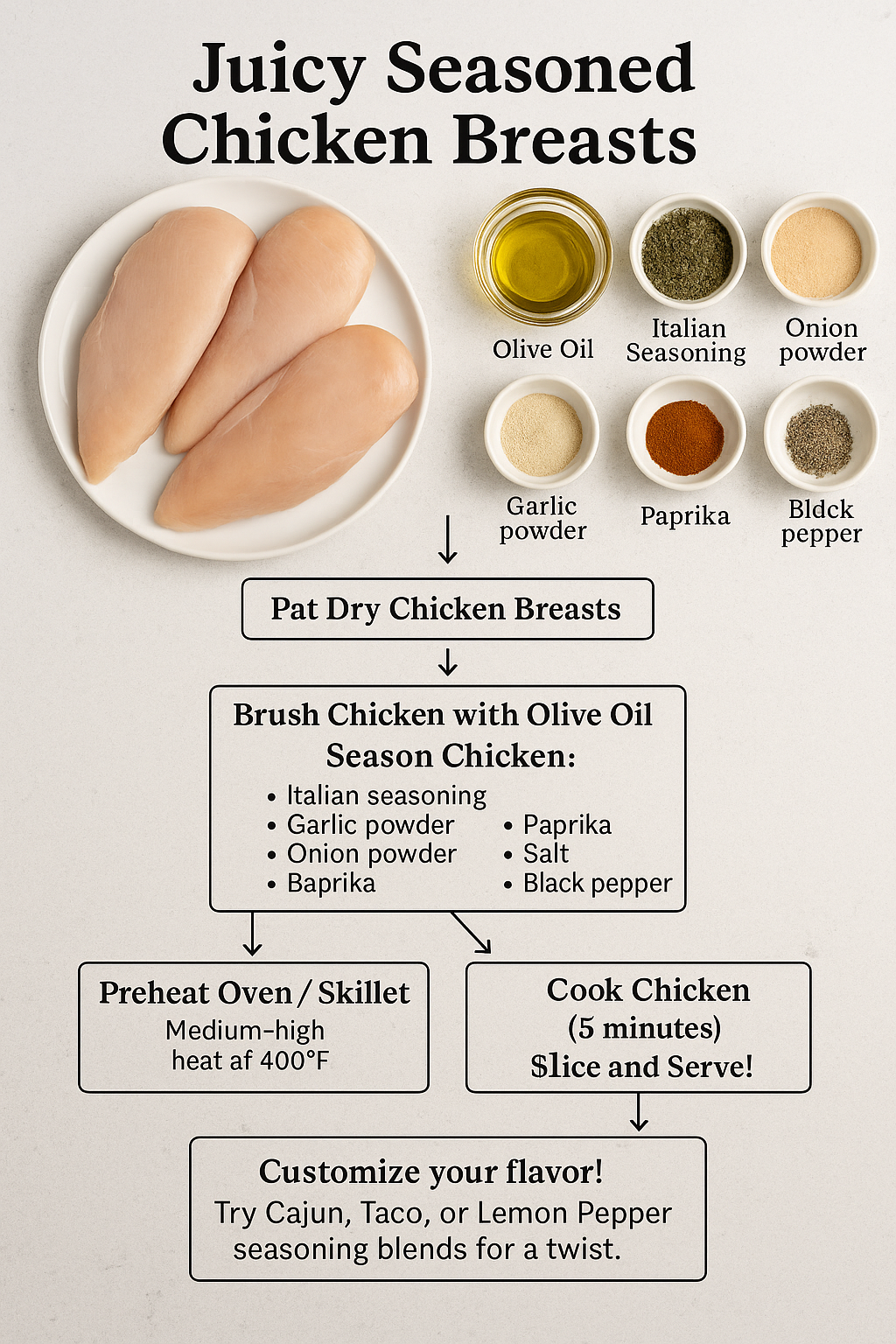
- 3 boneless, skinless chicken breasts
- 2 tablespoons olive oil
- 1 teaspoon Italian seasoning
- 1 teaspoon garlic powder
- 1 teaspoon onion powder
- 1 teaspoon paprika
- Salt and black pepper to taste
Step-by-Step Instructions
1. Pat Dry the Chicken
Use a paper towel to remove any surface moisture. This step ensures better seasoning adhesion and even browning.
2. Brush with Olive Oil
Apply a light, even coat of olive oil on all sides of the chicken. Olive oil helps to retain moisture and ensures the seasoning sticks properly.
3. Season the Chicken
Sprinkle Italian seasoning, garlic powder, onion powder, paprika, salt, and black pepper generously over both sides of the chicken breasts.
4. Preheat Oven or Skillet
If baking, preheat your oven to 400°F (200°C). If pan-searing, preheat your skillet over medium-high heat until hot.
5. Cook the Chicken
For Skillet: Sear chicken breasts for 2-3 minutes per side until golden brown, then transfer to the oven to finish cooking.
For Oven: Bake directly for 20-25 minutes, or until the internal temperature reaches 165°F (75°C).
6. Rest the Chicken
Allow the chicken to rest for at least 5 minutes before slicing. This step lets the juices redistribute, keeping the meat moist and tender.
Best Tips for Cooking Chicken Breasts
- Use a meat thermometer to check internal temperature (165°F is ideal).
- Marinate the chicken overnight for even deeper flavor.
- Cover the chicken loosely with foil during resting.
- Experiment with different seasoning blends for variety.
Flavor Variations
Don’t be afraid to mix up your flavors! Here are a few delicious seasoning alternatives:
- Cajun Style: Add 1 teaspoon Cajun seasoning instead of Italian.
- Mexican Taco: Add taco seasoning and a squeeze of lime.
- Lemon Pepper: Swap paprika for lemon pepper seasoning and add fresh lemon zest.
Serving Suggestions
Juicy chicken breasts are incredibly versatile. Here are some ideas to get you started:
- Slice over salads for a protein boost.
- Serve with roasted vegetables and brown rice.
- Stuff into wraps or sandwiches.
- Pair with mashed potatoes and steamed greens.
Common Mistakes to Avoid
- Skipping the Resting Step: Always let the chicken rest after cooking.
- Overcooking: Check the temperature early to prevent dry chicken.
- Underseasoning: Don’t be shy with your spices!
Frequently Asked Questions (FAQ)
Can I use chicken thighs instead?
Yes! Chicken thighs are naturally juicier and can be used with the same seasoning and cooking method, just adjust the cooking time slightly.
How do I store leftovers?
Store cooked chicken breasts in an airtight container in the fridge for up to 4 days. Reheat gently to avoid drying out.
Can I freeze cooked chicken breasts?
Absolutely. Wrap them tightly and store in a freezer-safe bag for up to 3 months. Thaw in the refrigerator before reheating.
How can I tell if my chicken is done?
The safest way is by using a meat thermometer. The internal temperature should reach 165°F (75°C). The juices should also run clear when pierced with a knife.
What’s the healthiest way to cook chicken breasts?
Baking or grilling without heavy sauces is among the healthiest ways. Using olive oil and herbs keeps the dish light but flavorful.
Printable Recipe Card
Coming soon! Stay tuned for downloadable recipe cards to make your cooking even easier.
Conclusion: Master Juicy Chicken Breasts Today!
Making juicy, flavorful chicken breasts is easier than you think! With simple ingredients, the right seasoning, and careful cooking, you’ll enjoy delicious chicken every time. Try this recipe once, and it’ll become your new kitchen staple.
Have questions or want to share your results? Comment below or tag us on Instagram @LazyHabitFoodies!
Healthy Habits
The best vegetables for blood sugar control
Discover which vegetables can help balance your blood sugar levels and reduce the risk of developing type 2 diabetes

The Best Vegetables for Blood Sugar Control
As the prevalence of diabetes continues to rise, finding effective ways to manage blood sugar levels has become a top priority for those living with the condition. While medication and lifestyle changes are essential components of a diabetes management plan, incorporating nutrient-dense foods into your diet can play a significant role in supporting glucose control.
For many of us, vegetables offer a wealth of options for individuals looking to support their insulin sensitivity and overall health. In this article, we’ll explore the best vegetables for blood sugar control, discuss the scientific basis behind their benefits, and provide practical tips for incorporating these foods into your diet.
The Science Behind Blood Sugar Control
When it comes to managing blood sugar levels, insulin plays a crucial role. Insulin is a hormone produced by the pancreas that regulates glucose uptake in cells throughout the body. In individuals with diabetes, the body either produces insufficient insulin or becomes resistant to its effects, leading to elevated blood sugar levels.
Research has shown that certain vegetables contain compounds that may support insulin sensitivity and glucose metabolism. For example, studies have found that consuming cruciferous vegetables like broccoli and cauliflower can increase insulin sensitivity and improve glycemic control.
Low-Carb Vegetables for Diabetes Management
If you’re following a low-carb diet or seeking to reduce carbohydrate intake, there are several vegetables that can provide essential nutrients while keeping carbs in check. Here are some of the best low-carb vegetables for blood sugar control:
* Leafy greens like spinach and kale
* Broccoli and cauliflower
* Bell peppers
* Cucumbers
* Tomatoes
These vegetables are rich in fiber, vitamins, and minerals that support overall health while keeping carb counts relatively low.
High-Fiber Vegetables for Blood Sugar Control
In addition to the low-carb options listed above, incorporating high-fiber vegetables into your diet can have a significant impact on blood sugar control. Fiber-rich foods slow down the digestion and absorption of carbohydrates, reducing the spike in blood sugar levels.
Some high-fiber vegetables that may support insulin sensitivity include:
* Artichokes
* Asparagus
* Brussels sprouts
* Carrots
* Sweet potatoes
These vegetables are rich in soluble fiber, which can help regulate glucose metabolism and improve insulin sensitivity.
Practical Lifestyle Tips
Incorporating these vegetables into your diet requires a few simple lifestyle adjustments. Here are some practical tips to get you started:
* Start your day with a serving of leafy greens or low-carb vegetables
* Add broccoli or cauliflower to your omelets or stir-fries
* Make a salad with cucumbers, tomatoes, and avocado for a healthy snack
* Incorporate sweet potatoes into your meals as a rich source of fiber and vitamins
Remember, every small change counts when it comes to managing blood sugar levels. By making these simple swaps in your diet, you can support your overall health and well-being.
Common Mistakes
While the benefits of vegetables for blood sugar control are well-documented, there are several common mistakes individuals make when trying to incorporate these foods into their diet:
* Overreliance on processed or high-carb versions of these vegetables
* Not cooking vegetables thoroughly enough to break down phytochemicals
* Consuming excessive amounts of sugar-rich toppings
Avoid these common pitfalls by focusing on whole, nutrient-dense foods and following a balanced meal plan.
Benefits of Vegetables for Blood Sugar Control
Incorporating vegetables into your diet can have a significant impact on blood sugar control. Some of the benefits include:
* Improved insulin sensitivity
* Reduced glucose levels
* Increased fiber intake
* Enhanced nutrient density
By making these simple changes to your diet, you can support your overall health and well-being while managing blood sugar levels.
Risks or Considerations
While vegetables are a nutritious and healthy addition to any meal plan, there are several risks or considerations to be aware of:
* Overconsumption of fiber-rich foods can lead to digestive discomfort
* Certain vegetables like cruciferous compounds may interact with medications
* Individuals with allergies or sensitivities should avoid certain vegetables altogether
Be sure to consult with your healthcare provider or registered dietitian before making any significant changes to your diet.
Real-Life Examples
Here are a few real-life examples of how incorporating these vegetables into your diet can support blood sugar control:
* Sarah, a 35-year-old woman living with type 2 diabetes, started adding broccoli and cauliflower to her omelets every morning. She noticed a significant reduction in her glucose levels and improved overall energy.
* John, a 45-year-old man, switched from processed snacks to raw veggies like carrots and cucumbers for a quick snack. He reported feeling more satiated throughout the day and noticed improvements in his blood sugar control.
By incorporating these vegetables into your diet, you can support your overall health and well-being while managing blood sugar levels.
Conclusion
Incorporating vegetables into your diet is a simple yet effective way to support blood sugar control. From low-carb options like broccoli and cauliflower to high-fiber vegetables like sweet potatoes, there are numerous choices that can provide essential nutrients while keeping carbs in check.
Remember to focus on whole, nutrient-dense foods and follow a balanced meal plan to reap the benefits of these vegetables. By making these simple changes, you can support your overall health and well-being while managing blood sugar levels.
Start Your Diabetes-Friendly Journey Today
Frequently Asked Questions
Are cruciferous vegetables like broccoli and cauliflower really effective for blood sugar control?
Research has shown that consuming these vegetables can increase insulin sensitivity and improve glycemic control.
Can I still manage my blood sugar levels if I’m following a low-carb diet?
Yes, there are several low-carb vegetables like leafy greens, bell peppers, cucumbers, and tomatoes that can provide essential nutrients while keeping carbs in check.
How much fiber should I consume to support blood sugar control?
Aiming for 25-30 grams of fiber per day can help slow down the digestion and absorption of carbohydrates, reducing the spike in blood sugar levels.
Can I substitute high-fiber vegetables like artichokes and Brussels sprouts with other options?
While it’s best to include a variety of whole foods in your diet, you can also consider other fiber-rich options like avocados, berries, and legumes as part of a balanced meal plan.
Will I experience digestive discomfort if I start eating more high-fiber vegetables?
Yes, consuming excessive amounts of fiber-rich foods can lead to digestive discomfort. However, increasing your fiber intake gradually can help minimize side effects.
Diabetes Tips
Oatmeal and diabetes truth
discover the relationship between oatmeal and diabetes, including benefits and risks
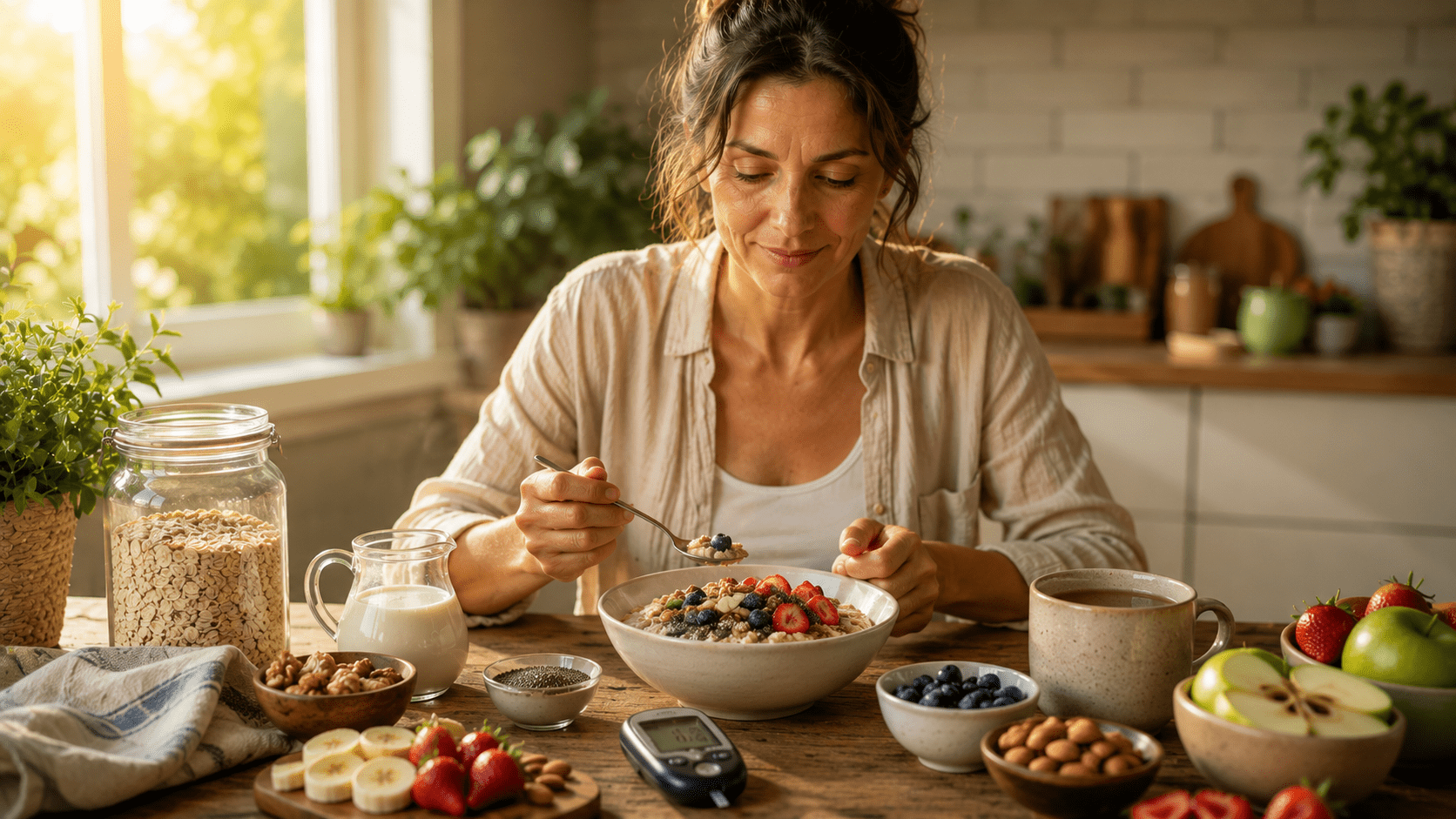
The Truth About Oatmeal and Diabetes: A Guide to Healthy Breakfasts
As a person living with diabetes, managing blood sugar levels is crucial to maintaining overall health. Eating a balanced diet that includes complex carbohydrates can help regulate glucose levels and support weight management. For many of us, starting the day off right with a nutritious breakfast is essential.
Oatmeal has long been touted as a nutritious breakfast option for those with diabetes due to its high fiber content and potential insulin response benefits. But is oatmeal truly a healthy choice for individuals with diabetes? In this article, we’ll take a closer look at the science behind oatmeal’s impact on blood sugar levels and share practical tips for incorporating it into your diet.
Why This Topic Matters for People with Diabetes
Managing blood sugar levels is a top priority for people with diabetes. Eating regular, balanced meals that include complex carbohydrates like whole grains can help regulate glucose levels and support weight management. Oatmeal, in particular, has been a popular breakfast option due to its high fiber content and potential benefits for insulin sensitivity.
But how does oatmeal fit into your overall diet? Let’s dive deeper into the science behind oatmeal and diabetes.
The Science Behind Oatmeal and Diabetes
Research suggests that oats contain a type of fiber called beta-glucan, which may slow down the digestion and absorption of glucose into the bloodstream. This can help regulate blood sugar spikes and support insulin sensitivity.
Studies have shown that oatmeal containing beta-glucan can have a positive impact on blood sugar levels. A 2010 study published in the Journal of Agricultural and Food Chemistry found that oatmeal reduced glucose absorption by 10% in healthy individuals. Another study published in the European Journal of Clinical Nutrition discovered that oat bran, a high-fiber component of oatmeal, improved insulin sensitivity in people with type 2 diabetes.
Practical Tips for Using Oatmeal as Part of Your Diabetes-Friendly Breakfast Routine
Incorporating oatmeal into your breakfast routine can be easy and delicious. Here are some tips to get you started:
* Choose rolled oats or steel-cut oats, which contain more fiber than instant oats.
* Add nuts, seeds, or dried fruit to boost the nutritional content of your oatmeal.
* Experiment with different spices, such as cinnamon or nutmeg, to add flavor without added sugar.
* Consider using a slow cooker or Instant Pot to cook your oatmeal quickly and easily.
By incorporating these simple tips into your breakfast routine, you can harness the benefits of oatmeal to support healthy blood sugar levels and weight management.
Common Mistakes to Avoid When Eating Oatmeal for Breakfast
While oatmeal can be a nutritious breakfast option, there are some common mistakes to avoid:
* Over-relying on sweet toppings: While nuts or seeds can add natural sweetness, overdoing it can lead to excessive sugar consumption.
* Not watching portion sizes: Eating large portions of oatmeal can cause a spike in blood sugar levels.
* Ignoring added ingredients: Some commercial oatmeal products may contain added sugars, preservatives, or other ingredients that can negate the health benefits of oatmeal.
By being mindful of these common mistakes, you can get the most out of your oatmeal and support your overall health goals.
Benefits of Oatmeal for Diabetes Management
Incorporating oatmeal into your diet can provide several benefits for people with diabetes:
* Regulates blood sugar levels: The fiber content in oatmeal may help slow down glucose absorption and regulate blood sugar spikes.
* Supports weight management: Oatmeal is high in fiber, which can help keep you feeling full and satisfied.
* Improves insulin sensitivity: Research suggests that oatmeal’s beta-glucan content may improve insulin sensitivity and reduce the risk of developing type 2 diabetes.
By incorporating oatmeal into your diet, you can take a proactive approach to managing your blood sugar levels and supporting overall health.
Risks or Considerations
While oatmeal can be a healthy breakfast option for people with diabetes, there are some risks and considerations to keep in mind:
* Interactions with medications: Oatmeal may interact with certain medications, such as beta blockers, which can affect blood sugar levels.
* Allergic reactions: Some individuals may experience allergic reactions to oats or other ingredients used in oatmeal products.
If you have concerns about using oatmeal in your diet, be sure to speak with your healthcare provider before making any changes.
Real-Life Examples of Oatmeal Success Stories
Many people have successfully incorporated oatmeal into their diets and experienced improved blood sugar control and weight management. Here are a few real-life examples:
* Sarah, a 35-year-old woman with type 1 diabetes, credits her oatmeal breakfast routine for helping her maintain stable blood sugar levels throughout the day.
* John, a 40-year-old man with type 2 diabetes, reports that adding nuts and seeds to his oatmeal has helped him feel more satisfied and reduce his snacking between meals.
These success stories are just one example of how oatmeal can be a valuable tool in managing blood sugar levels and supporting overall health.
Conclusion
Oatmeal can be a nutritious and delicious breakfast option for people with diabetes. By incorporating rolled oats or steel-cut oats into your diet, experimenting with different toppings, and watching portion sizes, you can harness the benefits of oatmeal to support healthy blood sugar levels and weight management.
Frequently Asked Questions
Can fasting affect blood sugar levels?
Fasting may influence blood sugar levels differently from person to person. It is important to monitor glucose levels and speak with a healthcare professional before making major dietary changes.
Is fasting safe for people with type 2 diabetes?
Some people with type 2 diabetes may tolerate fasting well, while others may face risks such as low blood sugar. Medical guidance is strongly recommended.
Can fasting replace diabetes medication?
No. Fasting should never replace prescribed medication unless advised by a healthcare provider.
What is a safe fasting duration for beginners?
Many beginners start with shorter fasting windows such as 12 hours. Individual needs and medical conditions should always be considered.
Should hydration be maintained during fasting?
Yes. Staying hydrated is important during fasting periods, especially for overall health and blood sugar balance.

The Best Snacks for Diabetics at Night
As the day winds down, it’s easy to reach for a midnight snack to curb our hunger and satisfy our cravings. But for individuals with diabetes, this late-night snacking can be a tricky affair. The wrong snacks can cause a spike in blood sugar levels, leading to a range of complications that can leave you feeling fatigued, foggy, and even more vulnerable to serious health issues.
According to the American Diabetes Association, people with diabetes are more likely to experience weight gain, insulin resistance, and other metabolic problems due to poor food choices. This is why it’s essential to focus on healthy snacking habits that support blood sugar control and overall well-being.
The Impact of Late-Night Snacking
Research suggests that consuming high-carbohydrate or high-glycemic snacks in the evening can lead to a rapid increase in glucose levels, causing insulin resistance and weight gain. Additionally, eating close to bedtime can disrupt sleep patterns, leading to fatigue, mood swings, and other issues.
But what if you’re craving something satisfying and delicious? The good news is that there are many healthy snack options available that can support blood sugar control and overall well-being.
Practical Lifestyle Tips for Diabetic Snacking
So, what snacks are suitable for diabetics at night? Here are some practical tips to help you make informed choices:
- Choose complex carbohydrates like whole grains, fruits, and vegetables, which release glucose slowly into the bloodstream.
- Opt for protein-rich snacks like lean meats, fish, eggs, tofu, or legumes, which can help regulate blood sugar levels.
- Avoid sugary drinks and foods high in added sugars, salt, and unhealthy fats.
- Select healthy fats like nuts, seeds, avocados, and olive oil to keep you full and satisfied.
Healthy Snack Options for Diabetics at Night
Here are some delicious and nutritious snack ideas that can support blood sugar control and overall well-being:
- Cucumber slices with hummus or guacamole
- A handful of almonds and walnuts
- A small serving of Greek yogurt topped with berries and granola
- A piece of fresh fruit, such as an apple or banana
- Hard-boiled eggs or a small serving of cottage cheese
Risks and Considerations
It’s essential to note that even healthy snacks can have unintended consequences for individuals with diabetes. For example:
- A high-carbohydrate snack may cause a spike in blood sugar levels, leading to insulin resistance.
- a low-protein snack may not provide adequate satiety or support blood sugar control.
FAQs
Q: Can I still have a treat at night if I’m diabetic?
A: Moderation is key. Choose healthier options and portion control to avoid overeating or causing a spike in blood sugar levels.
Q: What are the best snacks for someone with type 1 diabetes?
A: Individuals with type 1 diabetes require more frequent meals and snacks due to their body’s inability to produce insulin. Choose snacks that provide sustained energy and support blood sugar control, such as protein-rich snacks or complex carbohydrates.
Q: Can I use low-carb snacks for my high-carb diabetes diet?
A: No, individuals with high-carb diabetes should avoid low-carb snacks, which can lead to dehydration and electrolyte imbalances. Instead, focus on balanced snacking habits that support blood sugar control.
Q: How often should I snack at night if I’m diabetic?
A: Aim for 3-5 small snacks throughout the evening, spaced out every 2-3 hours, to maintain stable energy levels and prevent excessive hunger.
Q: Can snacking at night affect my sleep quality?
A: Yes, consuming heavy meals or sugary snacks close to bedtime can disrupt sleep patterns. Choose light, balanced snacks that support relaxation and promote restful sleep.
Q: How can I make healthy snacking a habit if I’m diabetic?
A: Establish a routine and create a snack plan that suits your dietary needs. Experiment with new recipes, flavors, and textures to keep your snacks interesting and engaging.
Blood Sugar Control Made Easy
Take the first step towards a healthier relationship with snacking tonight. Choose from our curated list of delicious and nutritious snacks, designed to support blood sugar control and overall well-being.
Nutrition Tips
Fuel your body with the right nutrients to support blood sugar control and overall health:
- Choose whole, unprocessed foods whenever possible.
- Read labels carefully to avoid added sugars, salt, and unhealthy fats.
- Stay hydrated by drinking plenty of water throughout the day.
Metabolism Support
Boost your metabolism with these simple yet effective tips:
- Incorporate physical activity into your daily routine, such as walking or yoga.
- Eat a balanced diet rich in protein, healthy fats, and complex carbohydrates.
- Get enough sleep each night to support weight regulation and overall health.
Longevity Strategies
Support your long-term health goals with these evidence-based tips:
- Practice stress-reducing techniques like meditation or deep breathing exercises.
- Incorporate antioxidants into your diet, such as berries, leafy greens, and other nutrient-dense foods.
- Get regular check-ups and screenings to monitor your health and address any concerns.
Clean Eating for a Healthier You
A well-balanced diet is essential for supporting blood sugar control and overall health. Here are some tips to help you get started:
- Focus on whole, unprocessed foods like fruits, vegetables, lean proteins, and whole grains.
- Avoid sugary drinks and foods high in added sugars, salt, and unhealthy fats.
- Stay hydrated by drinking plenty of water throughout the day.
Healthy Habits for a Healthier You
Develop healthy habits that support your overall well-being. Here are some tips to get you started:
- Establish a consistent sleep schedule and aim for 7-9 hours of sleep each night.
- Incorporate physical activity into your daily routine, such as walking or yoga.
- Eat a balanced diet that includes plenty of fruits, vegetables, lean proteins, and whole grains.
Conclusion
By incorporating healthy snacking habits into your daily routine, you can support blood sugar control, promote weight management, and enhance overall well-being. Remember to consult with your healthcare provider or registered dietitian for personalized advice on managing diabetes through food choices. Start making healthier choices today and take the first step towards a longer, happier life.
Get Started with Our Snacking Guide
Take our 7-day snacking challenge and discover healthy, delicious options that support blood sugar control and overall well-being. Visit our meal plan section for expert guidance on managing diabetes through food choices.
Stay informed about the latest tips and advice from our team of healthcare experts.


Berberine as a metformin alternative

Best foods for fatty liver and diabetes

The truth about artificial sweeteners

Houseplant Leaves – A Traditional Ally for Stable Blood Sugar

Hibiscus Tea and Diabetes: A Natural Ally for Blood Sugar Control

7-Day Diabetes Meal Plan for Beginners
-
 Herbal Remedies2 years ago
Houseplant Leaves – A Traditional Ally for Stable Blood Sugar
-
 Diabetes Tips2 years ago
Hibiscus Tea and Diabetes: A Natural Ally for Blood Sugar Control
-
 Diabetes Tips2 years ago
7-Day Diabetes Meal Plan for Beginners
-
 Meal Plans2 years ago
The Lazy 3-Day Diabetic Meal Plan That Keeps Your Blood Sugar Happy
-

 Herbal Remedies2 years ago
Mulberry Leaf Extract: A Natural Solution for Managing Blood Sugar
-
 Diabetes Tips2 years ago
Structured Meal Planning for Type 2 Diabetes: A Scientific Approach
-

 Herbal Remedies2 years ago
Mulberry Leaves and Blood Sugar: Natural Block for Glucose Absorption
-

 Herbal Remedies2 years ago
Bay Leaf and Diabetes : Natural Support for Blood Sugar