
Intermittent fasting
Mastering Intermittent Fasting: How Strategic Fasting Can Transform Diabetes Management

Mastering Intermittent Fasting: How Strategic Fasting Can Transform Diabetes Management
Published: April 22, 2025 | Category: Intermittent Fasting | Tags: Diabetes, Insulin Resistance, Fasting Schedules, Blood Sugar
What is Intermittent Fasting (IF)?
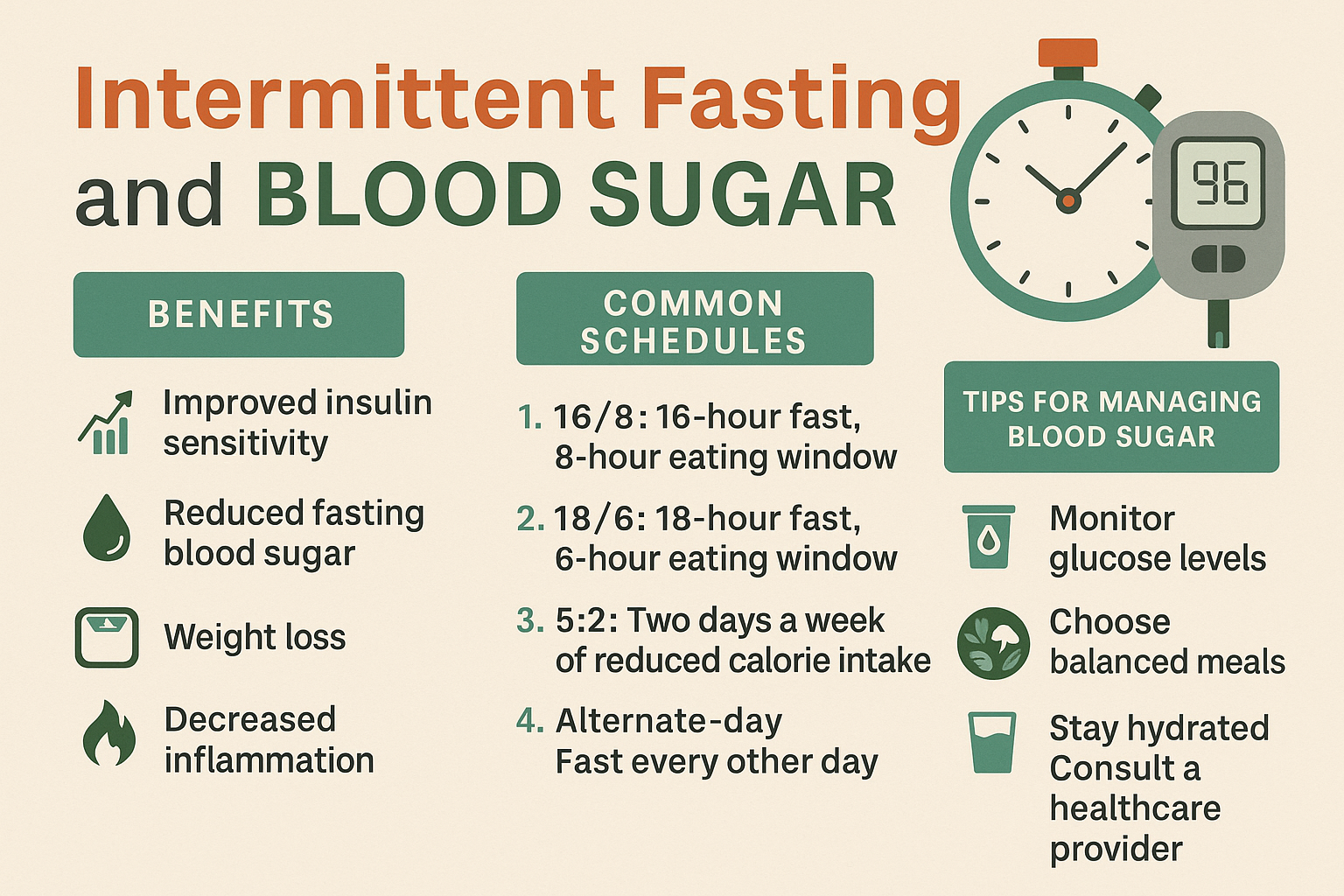
Intermittent fasting (IF) is not a diet—it’s a structured eating pattern that alternates between periods of eating and fasting. Unlike calorie-restrictive diets, IF doesn’t necessarily change what you eat, but rather when you eat. The most popular methods include:
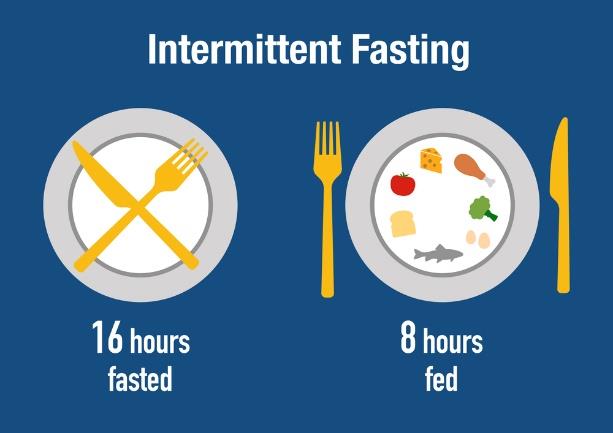
- 16:8 method – Fast for 16 hours, eat during an 8-hour window.
- 5:2 diet – Eat normally for 5 days, reduce calorie intake to 500–600 for 2 non-consecutive days.
- Alternate day fasting – Fast every other day.
Why Intermittent Fasting is Gaining Popularity Among Diabetics
Recent research shows that intermittent fasting can improve insulin sensitivity, support weight loss, and stabilize blood sugar levels—making it especially beneficial for individuals with type 2 diabetes.
The Science: What Research Says
Several studies published in peer-reviewed journals support IF for diabetes management:
- JAMA Network Open (2018): A study showed that participants on a time-restricted eating schedule had significantly lower insulin levels and better insulin sensitivity after 5 weeks.
- Cell Metabolism (2019): Intermittent fasting was found to promote weight loss and improve blood pressure and lipid profiles in pre-diabetic adults.
- University of Alabama (2020): Found that early time-restricted feeding (eating within 8 hours and fasting for 16) significantly reduced fasting glucose and insulin levels in obese men with prediabetes.
Key Benefits of Intermittent Fasting for People with Diabetes
- Improved insulin sensitivity: IF helps the body respond better to insulin, reducing the need for high levels of insulin to manage glucose.
- Weight loss: Fasting naturally reduces calorie intake and boosts metabolism by regulating hormones like norepinephrine.
- Lower inflammation: Fasting decreases markers of inflammation, which is critical for preventing diabetes complications.
- Stabilized blood sugar: Less frequent meals reduce blood sugar spikes and help maintain more stable glucose levels.
Understanding Fasting’s Role in Insulin Resistance
Insulin resistance, a hallmark of type 2 diabetes, occurs when cells stop responding effectively to insulin. IF combats this by giving your body time to lower insulin levels between meals, allowing cells to regain sensitivity. According to Dr. Jason Fung, a nephrologist and author of “The Diabetes Code,” fasting is a tool to naturally reverse insulin resistance without medications.
Different Intermittent Fasting Protocols Explained
1. 16:8 Method
Most popular and easiest to start with. Typically involves skipping breakfast and eating between noon and 8 p.m. It’s gentle yet effective.
2. 5:2 Diet
This involves normal eating for five days and restricting calories (to around 500) for two days. A good option for those who prefer structure only part of the week.
3. Alternate-Day Fasting
This is more intense—fast every other day. Research shows it may rapidly lower insulin, but it can be challenging to maintain.
4. OMAD (One Meal A Day)
Highly restrictive. Not generally recommended for diabetics without medical supervision due to risk of hypoglycemia.
Safety Guidelines for Diabetics
While IF offers many benefits, diabetics must be cautious. Fasting can lead to low blood sugar (hypoglycemia), especially if you are on insulin or blood sugar-lowering medication.
- Always consult a healthcare provider before starting IF.
- Monitor blood sugar levels regularly during fasting periods.
- Stay hydrated and ensure balanced meals during eating windows.
Practical Tips to Start Safely
- Begin with a 12:12 schedule and gradually progress to 16:8.
- Eat nutrient-dense, low-glycemic meals (leafy greens, healthy fats, lean protein).
- Avoid sugary foods and drinks that cause insulin spikes.
- Track your progress using apps like Diabetico, MyFitnessPal, or Zero.
Real-Life Testimonials
Mark, 47 (Texas): “After 3 months of 16:8 fasting, my A1C dropped from 7.9% to 6.4%. My doctor was shocked. I feel more in control than ever.”
Susan, 52 (New York): “Combining IF with walking daily helped me lose 22 pounds in 4 months and get off metformin.”
Interesting Facts
- The word “breakfast” literally means “breaking the fast.”
- Fasting has been practiced for centuries in religious and cultural traditions.
- During fasting, the body switches from glucose to fat for fuel—a process called ketosis.
Statistical Insights
- According to the CDC, over 38 million Americans have diabetes, and insulin resistance affects over 70 million.
- Studies show IF can reduce A1C levels by up to 1.4% in 3–6 months with proper adherence.
- Weight loss of 5–10% can significantly reduce insulin resistance.
Conclusion
Intermittent fasting isn’t just a trend—it’s a scientifically backed lifestyle tool that can drastically improve metabolic health and blood sugar regulation. For individuals with diabetes, especially type 2, adopting a mindful approach to fasting—with medical guidance—can support long-term blood sugar control, reduce dependency on medication, and enhance quality of life.
Whether you’re a beginner or someone managing diabetes for years, IF could be the habit that reshapes your life.
Always consult your doctor before making any changes to your dietary or medication regimen.










What Happens to Blood Sugar After 16 Hours of Fasting?
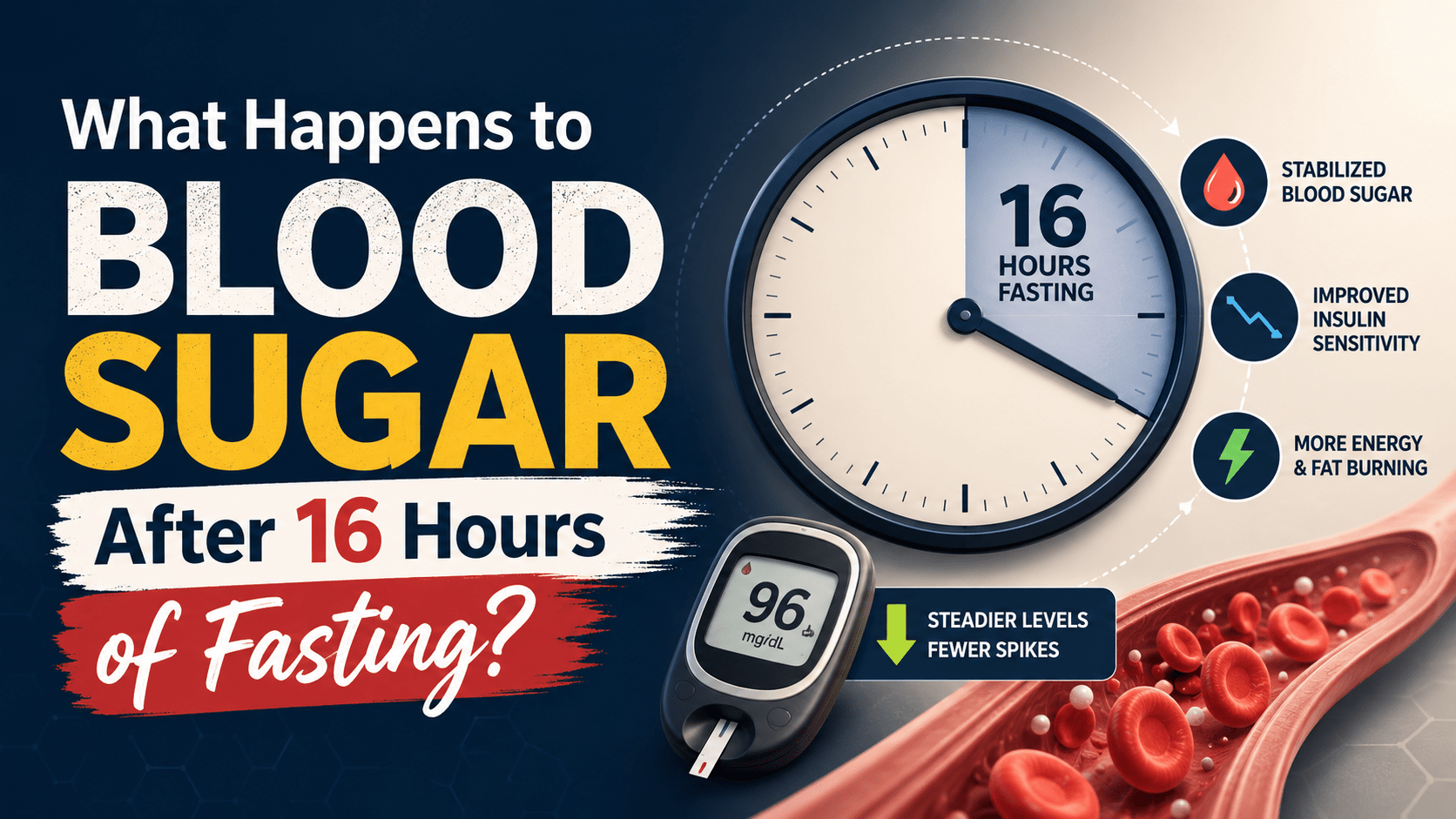
Fasting has become a popular strategy for managing weight, improving metabolic health, and supporting diabetes management. One common approach is the 16-hour fast, where individuals abstain from food for a significant portion of the day. But what happens to blood sugar levels during this period? This article explores the science behind fasting and blood sugar, recent research findings, and practical tips for maintaining healthy glucose levels during extended fasting.
The Science Behind Fasting and Blood Sugar Regulation
When you fast, your body undergoes metabolic shifts to maintain energy balance. After consuming food, glucose enters the bloodstream, and insulin is released to help cells absorb it. During fasting, insulin levels drop, allowing the body to rely on stored energy sources like glycogen and fat. Here’s how this process affects blood sugar:
- Insulin Sensitivity: Prolonged fasting may enhance insulin sensitivity, helping the body use glucose more efficiently.
- Glycogen Depletion: After 8–12 hours of fasting, glycogen stores in the liver are typically depleted, prompting the body to switch to fat metabolism.
- Glucagon Release: As glycogen stores diminish, the pancreas releases glucagon to signal the liver to produce glucose from stored glycogen.
- Ketone Production: After 16 hours, the body may begin producing ketones, which serve as an alternative energy source for the brain.
These metabolic adaptations can influence blood sugar levels, but individual responses vary based on factors like diet, activity level, and pre-existing health conditions.
Recent Research on Blood Sugar and 16-Hour Fasting
Studies have investigated the effects of 16-hour fasting on blood glucose regulation, particularly in individuals with and without diabetes. Here are key findings from recent research:
| Study | Participants | Key Findings |
|---|---|---|
| 2023 Journal of Metabolic Research | 50 adults with type 2 diabetes | 16-hour fasting reduced fasting blood glucose levels by 15% over 8 weeks. |
| 2022 American Diabetes Association Conference | 100 healthy adults | Blood sugar levels stabilized after 16 hours, with minimal fluctuations in non-diabetic individuals. |
| 2021 Nutrition Today Review | 30 overweight adults | Extended fasting improved insulin sensitivity but increased hunger and fatigue in some participants. |
While these studies suggest fasting may support blood sugar management, they also highlight the importance of personalized approaches and monitoring.
Benefits of 16-Hour Fasting for Blood Sugar
For many individuals, 16-hour fasting may offer several benefits related to blood sugar regulation:
- Improved Insulin Sensitivity: Fasting may enhance the body’s ability to respond to insulin, reducing the risk of insulin resistance.
- Stabilized Glucose Levels: Some research indicates that fasting can help prevent spikes in blood sugar after meals.
- Weight Management: By reducing overall calorie intake, fasting may support weight loss, which is a key factor in managing blood sugar.
- Metabolic Flexibility: Fasting encourages the body to switch between glucose and fat as fuel sources, improving metabolic adaptability.
However, these benefits are most commonly observed in individuals without pre-existing metabolic conditions. Those with diabetes or other health concerns should consult a healthcare provider before starting any fasting regimen.
Potential Risks and Side Effects
While fasting can be beneficial, it’s not without risks, especially for individuals with certain health conditions. Key considerations include:
- Hypoglycemia: People with diabetes or on medication may experience dangerously low blood sugar levels during fasting.
- Dehydration: Fasting can lead to fluid loss, increasing the risk of dehydration if not managed with adequate water intake.
- Energy Depletion: Prolonged fasting may cause fatigue, dizziness, or irritability due to reduced glucose availability.
- Nutrient Deficiencies: Extended fasting without proper meal planning can lead to imbalances in essential vitamins and minerals.
It’s crucial to prioritize hydration, monitor blood sugar levels regularly, and avoid fasting if you have a history of hypoglycemia or other metabolic disorders.
Practical Tips for Managing Blood Sugar During Fasting
If you’re incorporating 16-hour fasting into your routine, consider these strategies to support blood sugar stability:
- Stay Hydrated: Drink plenty of water or herbal teas to prevent dehydration and support metabolic processes.
- Plan Balanced Meals: Focus on whole foods like leafy greens, lean proteins, and healthy fats to sustain energy levels.
- Monitor Blood Sugar: Use a glucose meter or continuous glucose monitor (CGM) to track levels and adjust your approach as needed.
- Engage in Light Activity: Gentle exercise, such as walking, can help regulate blood sugar and reduce fasting discomfort.
- Avoid Processed Foods: Limit intake of refined sugars and carbs to prevent post-fast blood sugar spikes.
Consistency and moderation are key to achieving long-term benefits without compromising health.
Food Examples to Support Blood Sugar Stability
Choosing the right foods before and after fasting can make a significant difference in blood sugar management. Consider these options:
- Breakfast Ideas: Overnight oats with chia seeds, scrambled eggs with spinach, or a smoothie with almond milk and berries.
- Snack Options: Nuts, Greek yogurt with honey, or a small portion of whole-grain toast with avocado.
- Lunch Suggestions: Grilled chicken salad with quinoa, lentil soup with vegetables, or a tofu stir-fry with brown rice.
- Dinner Choices: Baked salmon with roasted vegetables, turkey chili with beans, or a stir-fried vegetable medley with tofu.
These meals provide sustained energy and help prevent rapid spikes in blood sugar after fasting.
Supplements to Consider During Fasting
While supplements are not a substitute for a healthy diet, some may support blood sugar regulation during fasting. Always consult a healthcare provider before adding supplements:
- Chromium: May help improve insulin sensitivity and support glucose metabolism.
- Magnesium: Plays a role in carbohydrate metabolism and blood sugar regulation.
- Vitamin D: Linked to metabolic health and may reduce inflammation related to diabetes.
- Omega-3 Fatty Acids: Support heart health and may enhance insulin sensitivity.
Supplements should complement, not replace, a balanced diet and lifestyle changes.
FAQ: Common Questions About Blood Sugar and Fasting
What happens to blood sugar after 16 hours of fasting?
After 16 hours of fasting, blood sugar levels typically stabilize as the body switches to fat and ketone metabolism. However, individual responses vary, and monitoring is essential.
Is 16-hour fasting safe for people with diabetes?
While fasting may improve blood sugar control, people with diabetes should consult their healthcare provider. Medications like insulin or sulfonylureas can increase the risk of hypoglycemia during fasting.
How can I manage hunger during a 16-hour fast?
Stay hydrated, drink herbal teas, and focus on nutrient-dense foods during eating windows. Avoid high-sugar snacks and prioritize protein and fiber-rich meals.
Can fasting help with weight loss and blood sugar management?
Research suggests fasting may support weight loss and improve insulin sensitivity, but results depend on individual factors like diet, activity level, and health conditions.
How do I track my blood sugar during fasting?
Use a glucose meter or continuous glucose monitor (CGM) to check levels before and after fasting. Record readings to identify patterns and adjust your approach accordingly.
Conclusion: Balancing Fasting and Blood Sugar Health
16-hour fasting can be a valuable tool for managing blood sugar, but it requires careful planning and monitoring. By understanding the science behind metabolic shifts, following practical tips, and prioritizing hydration and nutrition, individuals can harness the benefits of fasting while minimizing risks. Always consult a healthcare provider, especially if you have diabetes or other health conditions. With the right approach, fasting can support long-term metabolic health and contribute to a balanced lifestyle.
Take the Next Step
If you’re considering fasting for blood sugar management, start with small adjustments and prioritize your health. Explore meal planning resources, consult with a registered dietitian, and stay informed about the latest research. Your journey to better health begins with knowledge and mindful choices.

5 Shocking Scientific Breakthroughs in Diabetes (2025)
Introduction: The Future of Diabetes Care Has Arrived
When my uncle was diagnosed with Type 2 diabetes fifteen years ago, his treatment options were pretty straightforward: modify his diet, exercise more, take metformin, and eventually insulin. Fast forward to 2025, and the landscape of diabetes care has transformed so dramatically that it’s almost unrecognizable.
As someone who’s followed diabetes research closely for years, even I’m amazed by the pace of innovation we’re witnessing. Scientists aren’t just improving existing treatments—they’re completely reimagining how we understand and manage this complex condition that affects over 37 million Americans.
If you or someone you love is living with diabetes, the breakthroughs I’m about to share might sound like science fiction—but they’re very real and could potentially change millions of lives. From the discovery of entirely new types of diabetes to artificial intelligence managing insulin delivery, these advancements are shaking the foundations of diabetes care as we know it.
Let’s explore the five most shocking scientific breakthroughs in diabetes research of 2025 that could transform your relationship with this condition forever.
1. Type 5 Diabetes: A New Classification Changing Our Understanding of the Disease
For decades, we’ve categorized diabetes primarily as Type 1 (autoimmune) or Type 2 (insulin resistance), with gestational and monogenic forms getting less attention. But in a stunning development that’s reshaping our understanding of metabolic disorders, researchers have identified what they’re calling Type 5 diabetes.
This newly recognized form is linked to childhood malnutrition and has been primarily observed in parts of Asia and Africa. What makes Type 5 diabetes unique is its underlying mechanism: the pancreas doesn’t fully develop due to nutritional deficiencies during critical growth periods, resulting in impaired insulin production that persists into adulthood.
“This discovery challenges our fundamental understanding of diabetes as either an autoimmune or lifestyle condition,” says Dr. Maria Chen, endocrinologist at University Medical Center. “We’re now seeing that early life experiences can permanently alter metabolic function in ways we hadn’t previously recognized.”
While the American Diabetes Association hasn’t yet officially added Type 5 to its classification system, preliminary research suggests similar metabolic patterns may exist among historically undernourished populations in the United States, particularly in communities with limited access to nutritious food during childhood.
What This Means for You
If you’ve had difficulty fitting neatly into traditional diabetes categories, or if treatments haven’t worked as expected, this research highlights why a personalized approach to diabetes management is so crucial. The symptoms of Type 5 diabetes can include:
- Blood sugar irregularities that don’t respond typically to standard medications
- Lower insulin production without the autoimmune markers of Type 1
- A history of childhood malnutrition or food insecurity
- Earlier onset than typical Type 2 diabetes
- Reduced pancreatic volume visible on imaging
For those interested in learning more about this emerging classification, VeryWell Health offers an in-depth explanation of Type 5 diabetes and its implications for treatment strategies.
Read more: VeryWell Health on Type 5 Diabetes
2. GLP-1 Medications: The Dual Revolution in Diabetes and Obesity Management
I remember when GLP-1 medications first appeared on the market as diabetes treatments—they were considered helpful tools, but no one predicted they would trigger what might be the biggest pharmaceutical revolution of the decade.
Today, GLP-1 receptor agonists like Ozempic, Wegovy, and Mounjaro have transcended their original purpose as diabetes medications to become powerful weapons in the fight against obesity—a major risk factor for developing Type 2 diabetes.
The latest research has revealed these medications can help patients lose up to 20% of their body weight—results previously achievable only through bariatric surgery. But the benefits extend far beyond weight loss:
Multi-System Benefits of GLP-1 Medications
| System | Benefit | Percentage Improvement |
|---|---|---|
| Cardiovascular | Reduced risk of heart attack and stroke | 15-20% |
| Hepatic | Decreased liver fat and reduced risk of fatty liver disease | 30-40% |
| Neurological | Potential reduction in Alzheimer’s risk | 15-25% (early data) |
| Metabolic | Improved insulin sensitivity | 40-60% |
| Renal | Slowed progression of diabetic kidney disease | 25-35% |
However, these breakthrough medications come with a significant caveat that researchers are still working to address: weight regain. Studies show that up to 95% of users regain most of the weight within months of stopping treatment, suggesting these medications may need to be taken indefinitely to maintain benefits.
“We’re essentially treating obesity and diabetes as chronic conditions requiring ongoing management, similar to how we approach hypertension,” explains Dr. Robert Williams, obesity medicine specialist. “The medications work brilliantly while you’re taking them, but they’re not a permanent cure.”
The Cost Factor
Another hurdle is accessibility. Despite their proven benefits, many insurance companies are still reluctant to cover these medications for weight management, with monthly costs ranging from $900 to $1,300 out-of-pocket for patients without coverage.
For those living with diabetes or at high risk of developing it due to obesity, these medications represent a revolutionary approach to metabolic health management—if you can access and afford them.
Read more: The Guardian Special Report
3. Unlocking Insulin’s Secrets: The PIP2 Breakthrough
Sometimes the most significant breakthroughs come from understanding fundamental cellular processes that have remained mysterious for decades. In a groundbreaking discovery that has the scientific community buzzing, researchers at the Indian Institute of Science (IISc) have identified how fat molecules called PIP2 regulate the release of chemical messengers like insulin.
This might sound highly technical, but the implications are enormous for anyone living with diabetes.
For years, scientists knew that insulin was stored in tiny sacs called dense-core vesicles inside pancreatic beta cells, but they didn’t fully understand how these cells knew when to release their insulin cargo into the bloodstream. This new research has finally illuminated that process, revealing that PIP2 molecules act as crucial gatekeepers, controlling precisely when and how much insulin gets released.
“Imagine finally discovering how the light switch works after fumbling in the dark for decades,” I told my colleague when discussing this research. “That’s essentially what this breakthrough represents for diabetes treatment.”
Beyond Diabetes: Wider Implications
What makes this discovery particularly exciting is that the same cellular mechanisms influence the release of other important chemical messengers throughout the body, including neurotransmitters in the brain. This means the research could potentially open new pathways for treating not only diabetes but also neurodegenerative diseases like:
- Parkinson’s disease
- Alzheimer’s disease
- Huntington’s disease
- Various forms of dementia
For people living with diabetes, this fundamental understanding of insulin release mechanisms could lead to entirely new classes of medications that more precisely control blood sugar by directly influencing these cellular processes, potentially with fewer side effects than current treatments.
Read more: Times of India Report
4. Stem Cell Therapies: A Potential Cure for Type 1 Diabetes?
The holy grail of Type 1 diabetes research has always been finding a way to replace the insulin-producing beta cells that the immune system mistakenly destroys. For decades, this seemed like an impossible dream—but stem cell therapy is finally turning that dream into reality.
At the 2025 Advanced Technologies & Treatments for Diabetes (ATTD) conference, researchers presented groundbreaking results from clinical trials using stem cell-based therapies designed to regenerate insulin-producing beta cells.
Unlike traditional insulin therapy, which treats the symptoms of diabetes, these stem cell approaches aim to address the root cause by restoring the body’s natural ability to produce insulin.
“I’ve had Type 1 diabetes for 22 years, and for the first time, I feel like a cure might actually be possible in my lifetime,” shares Rachel K., a participant in one of the early clinical trials. “My insulin requirements have decreased by almost 60% since receiving the treatment six months ago.”
How It Works
The process involves taking stem cells—which have the unique ability to develop into different types of cells—and carefully guiding them to become insulin-producing beta cells. These laboratory-grown cells are then transplanted into patients with Type 1 diabetes, where they begin producing insulin in response to blood sugar levels.
To prevent the immune system from attacking these new cells (the same problem that causes Type 1 diabetes in the first place), scientists are developing innovative encapsulation technologies that protect the cells while allowing insulin to flow out and nutrients to flow in.
Current Challenges
Despite the promise of these therapies, several challenges remain:
- Immune rejection: Finding ways to prevent the body from attacking the new cells
- Long-term viability: Ensuring the transplanted cells continue functioning for years
- Scaling production: Manufacturing enough cells to treat millions of patients
- Accessibility: Making treatments affordable and available to all who need them
While these therapies aren’t yet widely available outside of clinical trials, the progress is undeniable. For the estimated 1.6 million Americans living with Type 1 diabetes, stem cell therapies represent perhaps the most promising path toward a day when insulin injections are no longer necessary.
Read more: Breakthrough T1D Coverage
5. AI-Powered Insulin Management: The Algorithm Revolution
Artificial intelligence isn’t just changing how we use our phones or drive our cars—it’s revolutionizing diabetes care in ways that were unimaginable just a few years ago.
The latest AI systems aren’t merely tracking blood sugar; they’re actively making decisions about insulin delivery in real-time, creating what scientists call “closed-loop” systems that essentially function as an artificial pancreas.
What makes these systems truly revolutionary is their use of reinforcement learning algorithms—the same type of AI that mastered complex games like chess and Go. These algorithms analyze countless data points about a person’s unique metabolic responses, learning patterns that even the most experienced doctors might miss.
“The AI doesn’t just follow pre-programmed rules—it learns and adapts to each individual’s body,” explains Dr. Sarah Johnson, director of AI research at the Diabetes Technology Institute. “The more it observes how your body responds to food, exercise, stress, and insulin, the better it gets at predicting exactly what you need.”
Real-World Impact
Early adopters of these AI systems report dramatic improvements in their quality of life:
- Reduced time spent in hypoglycemia (dangerously low blood sugar): Users experience 72% fewer low blood sugar episodes
- Better overnight control: Most users report waking up with ideal blood sugar levels over 85% of the time
- Reduced mental burden: The system handles most decisions, reducing “diabetes burnout”
- Improved A1C levels: Average reductions of 0.8-1.2 percentage points
“Before using the AI system, I was waking up two or three times a night to check my daughter’s blood sugar,” says Maria, mother of 12-year-old Sofia who has Type 1 diabetes. “Now we both sleep through the night, and her numbers in the morning are better than they’ve ever been.”
Concerns and Limitations
Despite these benefits, the integration of AI into diabetes care raises important questions:
- Privacy concerns: These systems collect enormous amounts of personal health data
- Algorithm transparency: It can be difficult to understand how the AI makes certain decisions
- Access disparities: High costs could make these technologies available only to those with good insurance or financial resources
- Psychological dependence: Some users worry about becoming too reliant on technology
As with many cutting-edge technologies, access remains a significant barrier. While these AI systems show tremendous promise, ensuring they benefit everyone with diabetes—not just those with financial resources—remains a crucial challenge.
Bonus Breakthrough: Intermittent Fasting and Diabetes Reversal
While not one of the top five breakthroughs, I’d be remiss not to mention the growing body of research supporting intermittent fasting as a potential path to Type 2 diabetes reversal.
Several major clinical trials are now testing whether structured fasting protocols and very low-calorie diets can essentially reverse Type 2 diabetes in some patients. One noteworthy UK study found that 46% of participants achieved diabetes remission after 12 months on a carefully managed fasting protocol.
“We’re seeing patients who’ve had Type 2 diabetes for years achieve normal blood sugar levels without medication,” notes Dr. James Harrison, who specializes in metabolic health. “The key seems to be giving the pancreas a break from constantly processing nutrients, allowing it to recover function.”
For those interested in exploring this approach, it’s essential to work closely with healthcare providers, as fasting can affect medication needs and may not be appropriate for everyone. The scientific community continues to study which patients might benefit most from these approaches.
What These Breakthroughs Mean for the Future of Diabetes Care
As I reflect on these five remarkable breakthroughs, I’m struck by how dramatically they could reshape the future for millions of people living with diabetes. We’re moving from an era of managing symptoms to one focused on addressing root causes and even potential cures.
For those with Type 1 diabetes, stem cell therapies offer the first realistic hope of a biological cure. For those with Type 2, GLP-1 medications and fasting protocols present pathways to potential remission that simply didn’t exist before.
The identification of Type 5 diabetes reminds us that conditions we thought we understood thoroughly still have secrets to reveal, while advances in understanding cellular communication mechanisms open doors to entirely new treatment approaches.
Perhaps most exciting is how AI is personalizing care—creating treatment plans as unique as each individual’s metabolism and lifestyle.
What Can You Do Now?
While many of these breakthroughs are still evolving, there are steps you can take today to prepare for this new era of diabetes care:
- Stay informed: Follow reputable diabetes research organizations to keep up with the latest developments
- Discuss innovations with your healthcare team: Ask about clinical trials or new treatments that might be appropriate for your situation
- Consider your data: Continuous glucose monitors and other tracking tools can provide valuable insights, even without advanced AI
- Focus on foundations: Healthy eating, physical activity, stress management, and adequate sleep remain crucial regardless of technological advances
- Join research efforts: Consider participating in clinical trials if appropriate for your situation
Conclusion: A New Dawn for Diabetes Management
The five breakthroughs we’ve explored represent more than just scientific achievements—they offer new hope and possibilities for everyone affected by diabetes. From entirely new classifications of the disease to AI-powered treatment systems, we’re witnessing a fundamental transformation in how diabetes is understood and managed.
While challenges remain—particularly around access, affordability, and ensuring these advances benefit everyone—the trajectory is undeniably positive. For the first time, we can realistically talk about potential cures for Type 1 diabetes and remission for many with Type 2.
As someone who’s followed diabetes research for years, I believe we’re standing at the threshold of a new era—one where diabetes may no longer mean lifelong medication dependency or constant blood sugar vigilance for many people.
I’d love to hear your thoughts on these breakthroughs. Have you experienced any of these new treatments? Are you hopeful about what’s coming next in diabetes care? Share your experiences in the comments below, and let’s continue this important conversation.
This article is for informational purposes only and does not constitute medical advice. Always consult with qualified healthcare providers regarding any medical condition or treatment.
Intermittent Fasting for Beginners with Diabetes: A Comprehensive Guide
Introduction: Finding Balance in Timing
When I first heard about intermittent fasting, I was skeptical. Another diet trend that promises the world but might not deliver? As someone who works closely with diabetes patients, I understand the caution. If you’re living with diabetes, you’ve likely been told that regular eating patterns are essential for managing your blood sugar. So how could deliberately skipping meals possibly be beneficial?
Yet here we are, with mounting research suggesting intermittent fasting might offer unique benefits for people with diabetes—when done carefully and correctly. This approach to eating isn’t just about when you eat, but about finding a sustainable rhythm that works with your body’s natural processes.
Let me be clear: intermittent fasting with diabetes requires special consideration. It’s not a one-size-fits-all solution, and it’s definitely not something to jump into without preparation. But for many people with diabetes who approach it thoughtfully, it has become a valuable tool in their health management toolkit.
In this guide, I’ll walk you through what intermittent fasting really means for people with diabetes, how to start safely, and what benefits you might expect. I’ll also cover potential risks and how to mitigate them. My goal is to help you determine if this approach might be right for you, and if so, how to implement it in a way that supports your health goals.
What is Intermittent Fasting?
Intermittent fasting isn’t actually a diet—it’s an eating pattern. Unlike traditional diets that focus on what you eat, intermittent fasting focuses on when you eat. At its core, it involves cycling between periods of eating and fasting.
Common Intermittent Fasting Methods
There are several approaches to intermittent fasting, and it’s important to find one that might work with your diabetes management plan:
- 16/8 Method: Fast for 16 hours, eat during an 8-hour window. For example, you might eat between 12 pm and 8 pm, then fast until 12 pm the next day.
- 5:2 Approach: Eat normally for five days of the week, then reduce calorie intake to about 500-600 calories for two non-consecutive days.
- Eat-Stop-Eat: Fast completely for 24 hours once or twice a week.
- Alternate-Day Fasting: Fast every other day, either by complete fasting or by significantly reducing calories.
- Time-Restricted Eating: Limit your daily eating period to 6-10 hours, fasting for the remaining 14-18 hours.
For beginners with diabetes, time-restricted eating (particularly the 16/8 method) is often recommended as the gentlest introduction, as it can be as simple as skipping breakfast or not eating after dinner.
How Intermittent Fasting Affects Your Body
When you fast, several things happen in your body:
- Insulin levels drop: This can improve insulin sensitivity over time.
- Human Growth Hormone (HGH) increases: This may help with fat burning and muscle gain.
- Cellular repair processes begin: Your body starts removing waste from cells.
- Gene expression changes: Changes occur in genes related to longevity and protection against disease.
For people with diabetes, the potential insulin-related benefits are particularly interesting. By giving your body breaks from processing food and the resulting insulin spikes, you might help improve insulin sensitivity over time—potentially reducing the amount of medication needed to manage blood sugar levels.
The Science Behind Intermittent Fasting and Diabetes
The relationship between intermittent fasting and diabetes is complex and still being researched, but several studies have shown promising results. Let’s look at what the science says:
Type 2 Diabetes
Research suggests that intermittent fasting might have several benefits for people with Type 2 diabetes:
- Improved insulin sensitivity: When you fast, your body can become more responsive to insulin, which is particularly beneficial for those with insulin resistance.
- Weight loss: Many people with Type 2 diabetes are advised to lose weight, and intermittent fasting can be an effective approach for some.
- Reduced inflammation: Chronic inflammation is linked to insulin resistance, and fasting may help reduce inflammatory markers.
- Improved blood pressure and cholesterol levels: These cardiovascular benefits are important since people with diabetes have higher risks of heart disease.
A study published in the Journal of the American Medical Association found that some participants with Type 2 diabetes who practiced intermittent fasting were able to reduce their need for diabetes medications.
Type 1 Diabetes
For Type 1 diabetes, the situation is more complex. Since Type 1 diabetes involves the body’s inability to produce insulin at all, any fasting regimen requires extremely careful management:
- Hypoglycemia risk: Without proper monitoring and medication adjustment, fasting can increase the risk of dangerous low blood sugar episodes.
- Insulin dosage adjustments: People with Type 1 diabetes would need to work very closely with their healthcare providers to adjust insulin dosages during fasting periods.
Due to these complexities, intermittent fasting is generally approached with more caution for those with Type 1 diabetes, and often with continuous glucose monitoring.
Prediabetes
For those with prediabetes, intermittent fasting may help prevent progression to full Type 2 diabetes:
- Improved insulin sensitivity: This can help address the insulin resistance that characterizes prediabetes.
- Weight loss: Reducing excess weight can lower diabetes risk.
- Metabolic improvements: Studies show fasting can improve various metabolic markers that predict diabetes risk.
Safety First: Consulting Your Healthcare Team
Before you try intermittent fasting with diabetes, it’s absolutely essential to consult with your healthcare providers. This isn’t just a standard disclaimer—it’s a critical safety step.
Your healthcare team should include:
- Endocrinologist or diabetologist: Your diabetes specialist can help you understand how fasting might affect your specific condition.
- Primary care physician: They can assess your overall health to determine if fasting is appropriate.
- Registered dietitian: A dietitian can help you plan what to eat during your eating windows to ensure proper nutrition.
- Certified diabetes educator: These specialists can provide practical guidance on managing medications and monitoring blood sugar during fasting.
Questions to Ask Your Healthcare Provider
When discussing intermittent fasting with your healthcare team, consider asking:
- “Is intermittent fasting safe for my specific type of diabetes?”
- “How should I adjust my medications during fasting periods?”
- “What blood sugar ranges should I aim for during fasting?”
- “What symptoms should prompt me to break a fast immediately?”
- “How often should I check my blood sugar while fasting?”
- “What should I eat during my eating windows to best support my diabetes management?”
- “How might fasting affect my existing diabetes complications, if any?”
Monitoring Your Response
If your healthcare team approves you trying intermittent fasting, they’ll likely recommend:
- Frequent blood sugar checks: You’ll need to monitor your blood sugar more frequently, especially when first starting.
- Keeping a detailed log: Track your blood sugar levels, how you feel, what you eat, and any symptoms you experience.
- Regular check-ins: Schedule follow-up appointments to assess how fasting is affecting your diabetes management.
Getting Started: Intermittent Fasting for Diabetes Beginners
If you’ve got the green light from your healthcare team, here’s how to begin intermittent fasting with diabetes:
Start Slowly
The key to success with intermittent fasting, especially for people with diabetes, is to ease into it gradually:
- Begin with a shorter fasting window: Instead of jumping straight into a 16-hour fast, start with a 12-hour overnight fast. For example, finish dinner by 7 pm and don’t eat again until 7 am.
- Gradually extend your fasting time: Once comfortable with a 12-hour fast, try extending it by 30 minutes to an hour each week until you reach your target fasting window.
- Choose the right days: If you’re trying more intensive methods like the 5:2 approach, select your reduced-calorie days strategically—perhaps when you have fewer demands or activities.
Blood Sugar Monitoring
When you have diabetes, monitoring becomes even more important during fasting:
- Check before, during, and after fasting: This helps you understand how your body responds.
- Watch for patterns: Note how different fasting durations affect your numbers.
- Be prepared to break the fast: If your blood sugar drops too low (typically below 70 mg/dL) or rises too high (above 250 mg/dL), you may need to end your fast early.
Medication Management
Working with your healthcare provider, you’ll need a plan for adjusting your diabetes medications:
| Medication Type | Potential Adjustment During Fasting |
|---|---|
| Insulin | May need reduced doses, especially mealtime insulin |
| Sulfonylureas | May need to be taken with food or at reduced doses |
| Metformin | May need timing adjustments |
| GLP-1 agonists | Consult your provider for specific guidance |
| SGLT2 inhibitors | May increase risk of ketoacidosis during fasting; special monitoring needed |
Never adjust your medications without medical supervision.
Hydration and Electrolytes
Staying hydrated is crucial during fasting periods:
- Drink plenty of water: Aim for at least 8-10 cups of water daily.
- Consider electrolytes: Fasting can affect electrolyte balance, so discuss with your healthcare provider if you should supplement with sugar-free electrolyte drinks.
- Acceptable drinks during fasting: Water, black coffee, and unsweetened tea are generally allowed during fasting periods as they don’t significantly impact blood sugar.
What to Eat During Eating Windows
The foods you choose during your eating windows are just as important as the timing of your meals:
Balanced Nutrition
Focus on nutrient-dense foods that support blood sugar management:
- Protein: Lean meats, fish, eggs, tofu, and legumes
- Healthy fats: Avocados, olive oil, nuts, and seeds
- Complex carbohydrates: Whole grains, beans, and non-starchy vegetables
- Fiber: Vegetables, fruits (in moderation), and whole grains
Meal Planning Example
Here’s a sample meal plan for someone following a 16/8 fasting schedule (eating between 12 pm and 8 pm):
First Meal (12 pm):
- Omelet with spinach, mushrooms, and a sprinkle of cheese
- Half an avocado
- 1/4 cup of berries
- Green tea
Snack (3 pm):
- Small handful of almonds
- Celery sticks with a tablespoon of almond butter
Dinner (7 pm):
- Grilled chicken breast
- Roasted Brussels sprouts and cauliflower
- 1/2 cup of quinoa
- Mixed green salad with olive oil and vinegar dressing
This meal plan provides balanced nutrition while keeping carbohydrates moderate and emphasizing foods that won’t spike blood sugar.
Foods to Avoid
During your eating windows, it’s best to limit:
- Refined carbohydrates: White bread, white rice, and pastries
- Added sugars: Sodas, candy, and sweet desserts
- Processed foods: These often contain hidden sugars and unhealthy fats
- Alcohol: Can affect blood sugar and impair your ability to recognize hypoglycemia
Managing Potential Challenges
Intermittent fasting with diabetes comes with unique challenges. Here’s how to address them:
Hypoglycemia (Low Blood Sugar)
This is one of the biggest concerns when fasting with diabetes:
- Know the symptoms: Shakiness, sweating, confusion, irritability, or dizziness
- Have fast-acting carbs ready: Keep glucose tablets, juice, or hard candy accessible
- Break your fast if needed: If your blood sugar drops below your target range, it’s essential to eat something—safety comes first
Hyperglycemia (High Blood Sugar)
Fasting can sometimes trigger high blood sugar, especially in the morning due to the dawn phenomenon:
- Monitor patterns: Track when high blood sugar occurs during your fasting regimen
- Adjust timing: You might need to shift your eating window to address these patterns
- Stay hydrated: Drinking water can help flush excess glucose
Managing Hunger
Hunger is a normal part of adjusting to intermittent fasting:
- Stay busy: Engage in activities to distract from hunger
- Drink water: Sometimes thirst can be mistaken for hunger
- Adjust gradually: Your body needs time to adapt to new eating patterns
Medication Timing
Coordinating medications with new eating patterns can be tricky:
- Create a schedule: Work with your healthcare provider to develop a medication schedule that aligns with your fasting periods
- Set reminders: Use alarms or apps to remember when to take medications
- Consider medication types: Some medications need to be taken with food, which affects when you can schedule them
Monitoring Your Progress
As you implement intermittent fasting, keeping track of your progress is crucial:
What to Track
Maintain a detailed log of:
- Blood sugar readings: Before, during, and after fasting periods
- Weight: If weight management is a goal
- Energy levels: How you feel throughout the day
- Sleep quality: Fasting can affect sleep, either positively or negatively
- Medication changes: Any adjustments made with your healthcare provider’s guidance
- Hunger levels: Note how your appetite changes over time
- Mood: Track how fasting affects your emotional well-being
When to Adjust or Stop
Be prepared to modify your approach based on your body’s response:
- Consistent hypoglycemia: If you experience repeated low blood sugar episodes, you may need to adjust your fasting schedule or stop intermittent fasting altogether
- Difficulty managing blood sugar: If your blood sugar levels become harder to control, reconsider your approach
- Extreme hunger or fatigue: Persistent discomfort might indicate that your current fasting protocol isn’t right for you
- Medication issues: If coordinating medications becomes too complex or risky
Success Stories and Evidence
While individual results vary, many people with diabetes have found success with intermittent fasting:
Research Highlights
Several clinical studies have shown promising results:
- A 2018 study in the journal Cell Metabolism found that early time-restricted feeding (eating between 8 am and 2 pm) improved insulin sensitivity, blood pressure, and oxidative stress in men with prediabetes.
- Research published in Diabetes Research and Clinical Practice showed that intermittent fasting led to significant reductions in HbA1c (a long-term measure of blood sugar control) in people with Type 2 diabetes.
Personal Stories
I’ve worked with numerous clients who have seen benefits from intermittent fasting:
Jane’s Story: A 52-year-old woman with Type 2 diabetes who adopted a 14:10 fasting schedule (fasting for 14 hours, eating within a 10-hour window). After six months, she reduced her HbA1c from 7.8% to 6.5% and lost 18 pounds.
Michael’s Experience: A 45-year-old man with prediabetes who implemented the 16:8 method. Within three months, his fasting blood sugar dropped from 115 mg/dL to 95 mg/dL, and he no longer qualified as prediabetic.
Of course, these are individual cases, and your results may differ, but they illustrate the potential benefits when intermittent fasting is properly implemented with medical supervision.
Frequently Asked Questions
Q: Can I take my diabetes medications while fasting? A: This depends on your specific medications. Some may need to be taken with food, while others might need dosage adjustments during fasting periods. Always consult your healthcare provider before changing when you take medications.
Q: Will intermittent fasting cause dangerous low blood sugar episodes? A: It can increase the risk, especially if you take insulin or certain diabetes medications. This is why medical supervision is essential, and why you should monitor your blood sugar frequently when starting any fasting regimen.
Q: How quickly will I see results with intermittent fasting? A: Some people notice changes in blood sugar levels within days, while weight loss and improvements in HbA1c typically take weeks to months. Remember that sustainable changes take time.
Q: Can I exercise while fasting? A: Many people can exercise safely during fasting periods, but people with diabetes should approach this carefully. Light to moderate activity is generally safer than intense exercise while fasting. Monitor your blood sugar before, during, and after exercise.
Q: Is intermittent fasting safe for pregnant women with gestational diabetes? A: No, intermittent fasting is not recommended during pregnancy, including for women with gestational diabetes. Pregnancy requires consistent nutrition for both mother and baby.
Q: Can I drink coffee or tea during fasting periods? A: Black coffee and unsweetened tea are generally acceptable during fasting as they contain minimal calories and typically don’t significantly impact blood sugar. However, adding milk, cream, or sugar would break the fast.
Q: How do I handle social situations that involve food during my fasting window? A: You can either adjust your fasting schedule for special occasions or explain to others that you’re not eating at certain times for health reasons. Flexibility is key to making intermittent fasting sustainable.
Advanced Strategies: When You’re Ready for More
Once you’ve successfully implemented basic intermittent fasting for several weeks or months, you might consider more advanced approaches:
Extended Fasting
Some people with well-controlled diabetes eventually try longer fasting periods:
- 24-hour fasts: Once a week
- 36-hour fasts: Less frequently, perhaps once a month
These longer fasts should only be attempted after considerable experience with shorter fasting periods and always with medical supervision.
Combining with Specific Diets
Some people find that pairing intermittent fasting with specific dietary approaches enhances results:
- Low-carb or ketogenic diets: Can work well with intermittent fasting as they help maintain stable blood sugar levels
- Mediterranean diet: Offers heart-healthy benefits that complement the metabolic improvements from fasting
- Plant-based diets: Can provide anti-inflammatory benefits
Exercise Timing
Strategically timing your workouts can potentially enhance benefits:
- Fasted exercise: Some people exercise toward the end of their fasting period to potentially increase fat burning
- Post-meal exercise: Others prefer to exercise after eating to reduce the risk of hypoglycemia
The best approach depends on your individual response and blood sugar patterns.
When Intermittent Fasting Isn’t Appropriate
Intermittent fasting isn’t suitable for everyone with diabetes. It’s generally not recommended for:
- People with Type 1 diabetes who struggle with glucose control
- Those with a history of eating disorders
- Pregnant or breastfeeding women
- Children and adolescents with diabetes
- People with diabetic complications that require consistent food intake
- Those taking certain medications that must be taken with food at specific times
- Anyone with unstable blood sugar levels or frequent episodes of hypoglycemia
Conclusion: Finding Your Fasting Sweet Spot
Intermittent fasting can be a powerful tool for managing diabetes when implemented carefully and with proper medical guidance. The potential benefits—improved insulin sensitivity, weight management, and better blood sugar control—make it worth considering for many people with diabetes.
Remember that the goal isn’t to follow the most extreme fasting protocol, but rather to find an approach that works for your body, your lifestyle, and your specific health needs. Start slowly, monitor carefully, and adjust as needed.
As with any significant change to your diabetes management plan, intermittent fasting requires a personalized approach. What works wonderfully for one person might not be suitable for another. Be patient with yourself as you discover what works best for you.
If you’re considering intermittent fasting with diabetes, I encourage you to start the conversation with your healthcare provider today. With proper guidance, careful monitoring, and a willingness to adjust your approach based on your body’s response, you might find that intermittent fasting becomes a valuable part of your diabetes management toolbox.
Have you tried intermittent fasting with diabetes? I’d love to hear about your experience in the comments below!
This article is for informational purposes only and should not replace professional medical advice. Always consult with your healthcare provider before making any changes to your diabetes management plan.


Berberine as a metformin alternative

Best foods for fatty liver and diabetes

The truth about artificial sweeteners

Houseplant Leaves – A Traditional Ally for Stable Blood Sugar

Hibiscus Tea and Diabetes: A Natural Ally for Blood Sugar Control

7-Day Diabetes Meal Plan for Beginners
-
 Herbal Remedies2 years ago
Houseplant Leaves – A Traditional Ally for Stable Blood Sugar
-
 Diabetes Tips2 years ago
Hibiscus Tea and Diabetes: A Natural Ally for Blood Sugar Control
-
 Diabetes Tips2 years ago
7-Day Diabetes Meal Plan for Beginners
-

 Meal Plans2 years ago
The Lazy 3-Day Diabetic Meal Plan That Keeps Your Blood Sugar Happy
-

 Herbal Remedies2 years ago
Mulberry Leaf Extract: A Natural Solution for Managing Blood Sugar
-

 Diabetes Tips2 years ago
Structured Meal Planning for Type 2 Diabetes: A Scientific Approach
-

 Herbal Remedies2 years ago
Mulberry Leaves and Blood Sugar: Natural Block for Glucose Absorption
-

 Herbal Remedies2 years ago
Bay Leaf and Diabetes : Natural Support for Blood Sugar