
Healthy Habits
Why Drinking Water Can Lower Your Blood Sugar (and How Much You Need)


Why Drinking Water Can Lower Your Blood Sugar (and How Much You Need)
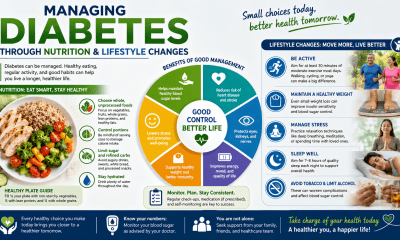
Feeling tired, foggy, or thirsty? Dehydration might be messing with your blood sugar. Here’s why water matters — and how much you really need.
Most people with diabetes focus on food. But what you drink (or don’t drink) can affect your glucose levels just as much.
How Water Helps Regulate Blood Sugar
When you’re dehydrated, your blood becomes more concentrated. This means:
- Higher blood sugar readings
- Slower insulin delivery
- Increased risk of fatigue and sugar spikes
Water literally helps flush excess glucose out of your bloodstream via urine.
Lazy Tip: Start Your Day With a Glass
Before coffee, before breakfast — drink one glass of water. It helps “wake up” your kidneys and set the tone for the day.
How Much Water Do You Need?
- Women: 9 cups (2.2 liters) daily
- Men: 13 cups (3 liters) daily
But if you’re active, sweating, or taking medications like metformin, you may need more.
How to Make It Lazy-Friendly
- Use a refillable bottle with time markers
- Set reminders on your phone
- Add lemon, cucumber, or mint for flavor
Bonus: Drinking more water can also reduce hunger and cravings.
Lazy Habit: Carry a water bottle and sip every time you check your phone.
Simple. Effective. Zero effort. Check out more Diabetes Tips on LazyHabit!









Healthy Habits
The truth about artificial sweeteners
discover the benefits and risks of using artificial sweeteners in your daily life

The Truth About Artificial Sweeteners: A Guide to Healthy Alternatives
A Comprehensive Look at the Impact of Artificial Sweeteners on Blood Sugar Control and Overall Health
As we navigate our busy lives, it’s easy to reach for sweet treats when cravings strike. But what happens when these sweet indulgences become a regular part of your diet? The rise of artificial sweeteners has been a game-changer in the wellness world, promising a sugar-free alternative that won’t compromise on taste or satisfaction. However, are they as harmless as they seem? In this article, we’ll delve into the world of artificial sweeteners and explore what you need to know about their impact on blood sugar control, insulin response, and overall health.
What Are Artificial Sweeteners?
Artificial sweeteners are man-made substances designed to mimic the sweetness of sugar without the calories. They’re commonly used in low-calorie foods, beverages, and even dietary supplements. Some popular artificial sweeteners include aspartame, sucralose, and stevia.
The Science Behind Artificial Sweeteners and Blood Sugar Control
Research suggests that artificial sweeteners can confuse your body’s natural ability to regulate blood sugar levels. When you consume artificial sweeteners, they’re quickly absorbed into the bloodstream, causing a rapid spike in glucose levels. This can trigger an insulin response, leading to insulin resistance and potentially exacerbating conditions like type 2 diabetes.
| Artificial Sweetener | Effect on Blood Sugar Control |
|---|---|
| Aspartame | May contribute to insulin resistance and blood sugar imbalances in some individuals. |
| Sucralose | Research suggests it may not significantly impact blood sugar control, but its long-term effects are still unknown. |
| Stevia | May help regulate blood sugar levels in some individuals, as it’s less likely to cause a rapid spike in glucose levels. |
Lifestyle Tips for Healthier Alternatives
While artificial sweeteners might seem like a convenient solution, they’re not the best choice for long-term health. Here are some tips for incorporating healthier alternatives into your diet:
- Opt for natural sweeteners like stevia or monk fruit in moderation.
- Choose unsweetened beverages and snacks whenever possible.
- Read labels carefully to avoid hidden artificial sweeteners in foods you love.
The Dangers of Ignoring Red Flags
When it comes to artificial sweeteners, there are a few common mistakes to watch out for:
* Assuming all artificial sweeteners are created equal. Each has its unique effects on blood sugar control and insulin response.
* Relying solely on artificial sweeteners as a substitute for regular sugar. This can lead to an unhealthy relationship with food and perpetuate dieting cycles.
* Ignoring the broader context of your diet and lifestyle. Artificial sweeteners should be part of a balanced approach to wellness, not a standalone solution.
The Benefits of Choosing Healthier Alternatives
By making informed choices about artificial sweeteners, you can take control of your blood sugar levels, improve insulin response, and support overall health. Here are some benefits of opting for healthier alternatives:
- Improved glucose control and reduced risk of type 2 diabetes.
- Increased energy levels and reduced fatigue.
- A lower risk of weight gain and improved metabolic health.
What to Consider Before Making the Switch
While artificial sweeteners might seem harmless, there are potential risks to consider:
* Potential impact on gut health and microbiome balance.
* Contribution to cravings for unhealthy foods and perpetuation of dieting cycles.
* Lack of long-term research data on their effects in humans.
Real-Life Success Stories
We spoke with Sarah, a busy professional who was struggling with blood sugar imbalances after switching to an artificial sweetener-filled diet. With the guidance of her healthcare provider and nutritionist, she transitioned to natural sweeteners and saw significant improvements in her glucose control.
A Balanced Approach to Wellness
Artificial sweeteners can be a convenient solution for those trying to reduce their sugar intake, but it’s essential to understand their impact on blood sugar control and insulin response. By opting for healthier alternatives and making informed choices about your diet, you can support overall health and well-being. Remember, a balanced approach to wellness is key. Make the switch to natural sweeteners and start living a healthier, happier life.
Healthy Habits
The best vegetables for blood sugar control
Discover which vegetables can help balance your blood sugar levels and reduce the risk of developing type 2 diabetes

The Best Vegetables for Blood Sugar Control
As the prevalence of diabetes continues to rise, finding effective ways to manage blood sugar levels has become a top priority for those living with the condition. While medication and lifestyle changes are essential components of a diabetes management plan, incorporating nutrient-dense foods into your diet can play a significant role in supporting glucose control.
For many of us, vegetables offer a wealth of options for individuals looking to support their insulin sensitivity and overall health. In this article, we’ll explore the best vegetables for blood sugar control, discuss the scientific basis behind their benefits, and provide practical tips for incorporating these foods into your diet.
The Science Behind Blood Sugar Control
When it comes to managing blood sugar levels, insulin plays a crucial role. Insulin is a hormone produced by the pancreas that regulates glucose uptake in cells throughout the body. In individuals with diabetes, the body either produces insufficient insulin or becomes resistant to its effects, leading to elevated blood sugar levels.
Research has shown that certain vegetables contain compounds that may support insulin sensitivity and glucose metabolism. For example, studies have found that consuming cruciferous vegetables like broccoli and cauliflower can increase insulin sensitivity and improve glycemic control.
Low-Carb Vegetables for Diabetes Management
If you’re following a low-carb diet or seeking to reduce carbohydrate intake, there are several vegetables that can provide essential nutrients while keeping carbs in check. Here are some of the best low-carb vegetables for blood sugar control:
* Leafy greens like spinach and kale
* Broccoli and cauliflower
* Bell peppers
* Cucumbers
* Tomatoes
These vegetables are rich in fiber, vitamins, and minerals that support overall health while keeping carb counts relatively low.
High-Fiber Vegetables for Blood Sugar Control
In addition to the low-carb options listed above, incorporating high-fiber vegetables into your diet can have a significant impact on blood sugar control. Fiber-rich foods slow down the digestion and absorption of carbohydrates, reducing the spike in blood sugar levels.
Some high-fiber vegetables that may support insulin sensitivity include:
* Artichokes
* Asparagus
* Brussels sprouts
* Carrots
* Sweet potatoes
These vegetables are rich in soluble fiber, which can help regulate glucose metabolism and improve insulin sensitivity.
Practical Lifestyle Tips
Incorporating these vegetables into your diet requires a few simple lifestyle adjustments. Here are some practical tips to get you started:
* Start your day with a serving of leafy greens or low-carb vegetables
* Add broccoli or cauliflower to your omelets or stir-fries
* Make a salad with cucumbers, tomatoes, and avocado for a healthy snack
* Incorporate sweet potatoes into your meals as a rich source of fiber and vitamins
Remember, every small change counts when it comes to managing blood sugar levels. By making these simple swaps in your diet, you can support your overall health and well-being.
Common Mistakes
While the benefits of vegetables for blood sugar control are well-documented, there are several common mistakes individuals make when trying to incorporate these foods into their diet:
* Overreliance on processed or high-carb versions of these vegetables
* Not cooking vegetables thoroughly enough to break down phytochemicals
* Consuming excessive amounts of sugar-rich toppings
Avoid these common pitfalls by focusing on whole, nutrient-dense foods and following a balanced meal plan.
Benefits of Vegetables for Blood Sugar Control
Incorporating vegetables into your diet can have a significant impact on blood sugar control. Some of the benefits include:
* Improved insulin sensitivity
* Reduced glucose levels
* Increased fiber intake
* Enhanced nutrient density
By making these simple changes to your diet, you can support your overall health and well-being while managing blood sugar levels.
Risks or Considerations
While vegetables are a nutritious and healthy addition to any meal plan, there are several risks or considerations to be aware of:
* Overconsumption of fiber-rich foods can lead to digestive discomfort
* Certain vegetables like cruciferous compounds may interact with medications
* Individuals with allergies or sensitivities should avoid certain vegetables altogether
Be sure to consult with your healthcare provider or registered dietitian before making any significant changes to your diet.
Real-Life Examples
Here are a few real-life examples of how incorporating these vegetables into your diet can support blood sugar control:
* Sarah, a 35-year-old woman living with type 2 diabetes, started adding broccoli and cauliflower to her omelets every morning. She noticed a significant reduction in her glucose levels and improved overall energy.
* John, a 45-year-old man, switched from processed snacks to raw veggies like carrots and cucumbers for a quick snack. He reported feeling more satiated throughout the day and noticed improvements in his blood sugar control.
By incorporating these vegetables into your diet, you can support your overall health and well-being while managing blood sugar levels.
Conclusion
Incorporating vegetables into your diet is a simple yet effective way to support blood sugar control. From low-carb options like broccoli and cauliflower to high-fiber vegetables like sweet potatoes, there are numerous choices that can provide essential nutrients while keeping carbs in check.
Remember to focus on whole, nutrient-dense foods and follow a balanced meal plan to reap the benefits of these vegetables. By making these simple changes, you can support your overall health and well-being while managing blood sugar levels.
Start Your Diabetes-Friendly Journey Today
Frequently Asked Questions
Are cruciferous vegetables like broccoli and cauliflower really effective for blood sugar control?
Research has shown that consuming these vegetables can increase insulin sensitivity and improve glycemic control.
Can I still manage my blood sugar levels if I’m following a low-carb diet?
Yes, there are several low-carb vegetables like leafy greens, bell peppers, cucumbers, and tomatoes that can provide essential nutrients while keeping carbs in check.
How much fiber should I consume to support blood sugar control?
Aiming for 25-30 grams of fiber per day can help slow down the digestion and absorption of carbohydrates, reducing the spike in blood sugar levels.
Can I substitute high-fiber vegetables like artichokes and Brussels sprouts with other options?
While it’s best to include a variety of whole foods in your diet, you can also consider other fiber-rich options like avocados, berries, and legumes as part of a balanced meal plan.
Will I experience digestive discomfort if I start eating more high-fiber vegetables?
Yes, consuming excessive amounts of fiber-rich foods can lead to digestive discomfort. However, increasing your fiber intake gradually can help minimize side effects.
Diabetes Tips
Best foods for diabetes before bed
eating a balanced diet before bedtime is crucial for managing diabetes symptoms
The Best Foods to Eat Before Bed for Diabetes: A Guide to Managing Overnight Glucose
Living with diabetes can be a daily challenge, especially when it comes to managing blood sugar levels throughout the night. The food we eat before bed plays a significant role in regulating our glucose levels and preventing those pesky morning spikes. By incorporating the right foods into your pre-bedtime routine, you can help support your body’s natural insulin response and wake up feeling more energized and focused.
Understanding the Science Behind Glucose Levels at Night
When we sleep, our bodies undergo a series of changes that affect glucose levels. Research suggests that insulin sensitivity decreases during the night, making it harder for glucose to enter cells. This can lead to increased glucose production in the liver and pancreas, resulting in higher blood sugar levels.
Practical Tips for Choosing the Right Foods Before Bed
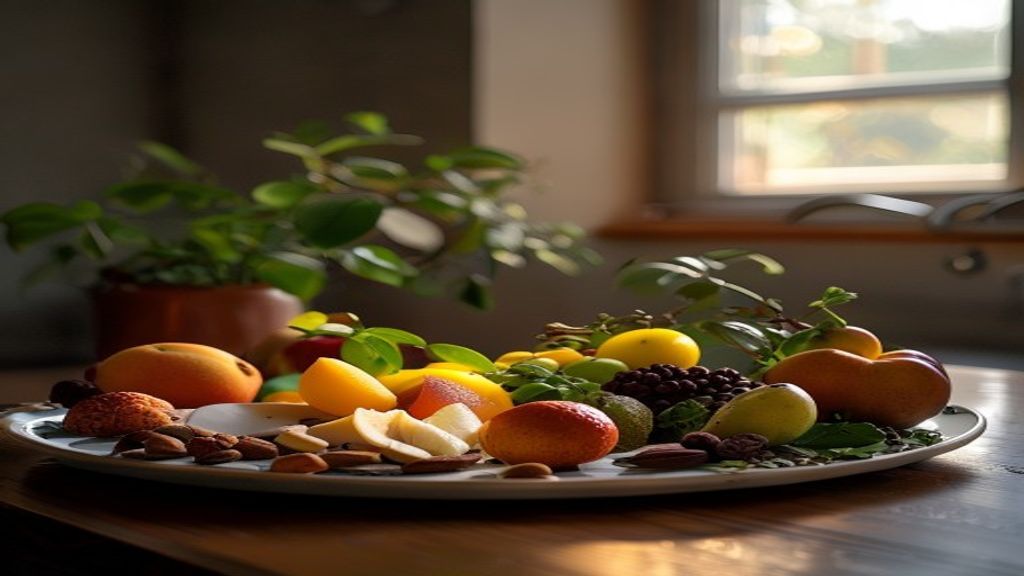
The key to managing overnight glucose is to select foods that are high in fiber, protein, and healthy fats. These nutrients help slow down the digestion of carbohydrates and keep you fuller for longer, reducing the likelihood of a midnight snack or crash.
Our Top Picks for Pre-Bedtime Foods
* **Complex Carbohydrates**: Focus on whole, unprocessed foods like brown rice, quinoa, and vegetables, which are rich in fiber and take longer to digest.
* **Protein-Rich Foods**: Include lean protein sources like chicken, fish, tofu, and legumes in your evening meal to help regulate blood sugar levels.
* **Healthy Fats**: Nuts and seeds, such as almonds and chia seeds, are excellent choices for a bedtime snack due to their high content of healthy fats and fiber.
Common Mistakes to Avoid
It’s easy to fall into the trap of reaching for sugary snacks or comfort foods before bed. These options can lead to a rapid spike in glucose levels and disrupt your body’s natural insulin response.
* **Sugary Snacks**: Treats like cookies, cakes, and candy are high on the glycemic index, causing blood sugar levels to skyrocket within minutes of consumption.
* **Processed Foods**: Many processed foods contain added sugars, artificial sweeteners, or unhealthy fats that can throw off your body’s natural balance.
The Benefits of Choosing the Right Foods Before Bed
By selecting nutrient-dense foods before bed, you can experience a range of benefits, including:
* Improved Blood Sugar Control: By slowing down carbohydrate digestion and regulating insulin sensitivity, you can reduce the risk of morning blood sugar spikes.
* Increased Energy Levels: A balanced pre-sleep meal can help keep your energy levels stable throughout the night, ensuring a refreshing wake-up in the morning.
Risks and Considerations
While choosing the right foods before bed can have numerous benefits, there are also some risks to consider:
* Overeating: Consuming too many calories or carbohydrates before bed can lead to weight gain and worsen insulin resistance.
* Food Allergies or Intolerances: Some people may experience adverse reactions to certain foods, such as gluten or lactose, which can negatively impact blood sugar levels.
A Real-Life Example: Sarah’s Bedtime Snack Plan
Meet Sarah, a 35-year-old woman living with type 2 diabetes. She aims to eat a balanced dinner every evening and then enjoy a relaxing bedtime snack before bed. Here’s an example of what her pre-sleep meal plan might look like:
* **Dinner**: Grilled chicken breast, roasted vegetables, quinoa, and avocado (30g protein, 20g complex carbohydrates, 10g healthy fats)
* **Bedtime Snack**: Greek yogurt with almonds and berries (15g protein, 5g fiber, 4g healthy fats)
Conclusion: Take Control of Your Diabetes Management Tonight
By incorporating the right foods into your pre-bedtime routine, you can take control of your diabetes management tonight. Remember to choose complex carbohydrates, protein-rich foods, and healthy fats, and avoid sugary snacks or comfort foods that can disrupt your body’s natural balance.
Start making informed choices today and wake up feeling more energized, focused, and in control of your glucose levels.
Learn More About Managing Diabetes with LazyHabit
Discover How Healthy Habits Can Transform Your Life
Get Access to Personalized Meal Plans for Optimal Wellness
Frequently Asked Questions
What types of carbohydrates are best to eat before bed for diabetes management?
Complex carbohydrates, such as whole grains like brown rice and quinoa, vegetables, and legumes, are rich in fiber and take longer to digest, slowing down the release of glucose into the bloodstream.
How can protein-rich foods help regulate blood sugar levels before bed?
Protein helps slow down carbohydrate digestion, reducing the likelihood of a rapid spike in glucose levels, and also supports insulin sensitivity, helping to regulate blood sugar levels.
Can healthy fats like nuts and seeds help with blood sugar control before bed?
Yes, healthy fats provide sustained energy and support satiety, reducing the likelihood of overeating or making unhealthy snack choices before bed.
What are some common mistakes to avoid when choosing a bedtime snack for diabetes management?
Sugary snacks like cookies, cakes, and candy can cause rapid spikes in glucose levels, while processed foods with added sugars, artificial sweeteners, or unhealthy fats can disrupt blood sugar balance.
Can overeating or consuming too many calories before bed worsen insulin resistance for people with diabetes?
Yes, overeating can lead to weight gain and worsen insulin resistance, making it more challenging to manage blood sugar levels throughout the night.


Berberine as a metformin alternative

Best foods for fatty liver and diabetes

The truth about artificial sweeteners

Houseplant Leaves – A Traditional Ally for Stable Blood Sugar

Hibiscus Tea and Diabetes: A Natural Ally for Blood Sugar Control

7-Day Diabetes Meal Plan for Beginners
-
 Herbal Remedies2 years ago
Houseplant Leaves – A Traditional Ally for Stable Blood Sugar
-
 Diabetes Tips2 years ago
Hibiscus Tea and Diabetes: A Natural Ally for Blood Sugar Control
-
 Diabetes Tips2 years ago
7-Day Diabetes Meal Plan for Beginners
-

 Meal Plans2 years ago
The Lazy 3-Day Diabetic Meal Plan That Keeps Your Blood Sugar Happy
-

 Herbal Remedies2 years ago
Mulberry Leaf Extract: A Natural Solution for Managing Blood Sugar
-

 Diabetes Tips2 years ago
Structured Meal Planning for Type 2 Diabetes: A Scientific Approach
-

 Herbal Remedies2 years ago
Mulberry Leaves and Blood Sugar: Natural Block for Glucose Absorption
-

 Herbal Remedies2 years ago
Bay Leaf and Diabetes : Natural Support for Blood Sugar