
Diabetes Tips
The Best Morning Routine for Stable Glucose


The Best Morning Routine for Stable Glucose
Imagine waking up to a sunrise that feels like a reset button for your body. For millions of people managing diabetes or blood sugar levels, the hours after waking are a critical window to stabilize glucose. A morning routine designed for stable glucose isn’t just about avoiding sugar—it’s about creating a foundation for insulin sensitivity, blood sugar control, and long-term metabolic health. Whether you’re a busy parent, a student, or someone simply seeking to optimize your wellness, this guide will walk you through the science, practical tips, and mindset shifts needed to build a healthy mornings ritual that supports your glucose goals.
Why Stable Glucose Matters for Your Health
Glucose is the primary energy source for your body, but imbalances can lead to fatigue, mood swings, and long-term complications. For people with diabetes, fluctuations in blood sugar can be dangerous, while even those without the condition may experience energy crashes or cravings if their glucose isn’t regulated. A morning wellness routine that prioritizes glucose support can help your body start the day in a balanced state, setting the tone for sustained energy and metabolic efficiency.
Insulin sensitivity plays a key role here. When you eat foods that spike insulin, your cells become less responsive over time, making it harder to manage glucose. Research suggests that stable glucose levels are linked to better metabolism support, reduced inflammation, and even longevity. By focusing on morning habits that promote steady glucose, you’re not just managing a condition—you’re investing in your overall wellness.
The Science Behind Morning Glucose Regulation
Your body’s glucose regulation is a complex dance of hormones, enzymes, and cellular activity. After a night of fasting, your liver releases stored glucose to keep your blood sugar steady. However, this natural process can be disrupted by poor sleep, stress, or unhealthy eating patterns. For example, skipping breakfast can cause your body to enter a state of “glucose starvation,” leading to increased hunger and cravings later in the day.
Studies show that blood sugar control is significantly influenced by what you eat in the first few hours after waking. Foods with a low glycemic index (like whole grains, legumes, and leafy greens) release glucose slowly, preventing spikes. Conversely, high-sugar or processed foods can cause rapid spikes and crashes, making it harder to maintain stability. This is where a morning routine becomes a powerful tool: it allows you to consciously choose foods that support your glucose goals.
Practical Tips for a Stable Glucose Morning Routine
Creating a routine that supports stable glucose doesn’t have to be complicated. Here are actionable steps to integrate into your daily life:
- Hydrate first thing: Drinking water in the morning helps flush out toxins and kickstarts your metabolism. It also prevents confusion between thirst and hunger, which can lead to overeating.
- Start with protein: A high-protein breakfast (like eggs, Greek yogurt, or tofu) stabilizes blood sugar and keeps you full longer. Protein also supports insulin sensitivity by slowing glucose absorption.
- Incorporate fiber: Foods like oats, chia seeds, or vegetables add bulk to meals, slowing digestion and preventing rapid glucose spikes. Fiber is also linked to better weight management and gut health.
- Move your body: A short walk, yoga session, or stretching routine boosts circulation and helps your body use glucose more efficiently. Physical activity also reduces stress, which is a known contributor to blood sugar control issues.
- Manage stress: Chronic stress triggers the release of cortisol, which can raise blood sugar levels. Mindfulness practices like meditation or deep breathing can counteract this effect.
- Stick to a consistent schedule: Eating at the same time each day helps regulate your body’s internal clock, making it easier to maintain glucose support throughout the day.
For example, a healthy mornings routine might look like this: wake up, drink water, have a protein-rich breakfast with fiber, take a short walk, and practice mindfulness. This combination of habits creates a foundation for morning wellness that supports your glucose goals.
Common Mistakes to Avoid
Even with good intentions, it’s easy to sabotage your glucose stability. Here are some common pitfalls to watch for:
- Skip breakfast: This can lead to overeating later in the day and disrupt your body’s natural rhythm. A morning routine should include a balanced meal, not a skipped one.
- Rely on sugary snacks: Foods like candy, pastries, or soda cause rapid spikes in glucose, making it harder to maintain stability. Opt for whole, unprocessed foods instead.
- Ignore hydration: Dehydration can mimic hunger and lead to poor food choices. Always prioritize water as part of your healthy mornings ritual.
- Be inconsistent: A morning wellness routine that’s too flexible may not yield the desired results. Consistency is key to building long-term habits.
By avoiding these mistakes, you’ll create a more effective morning routine that supports your glucose goals.
The Benefits of a Stable Glucose Morning Routine
Adopting a morning routine for stable glucose can lead to a range of benefits, from improved energy levels to better weight management. Here’s how it supports your overall wellness:
- Better insulin sensitivity: Consistent glucose regulation helps your body respond more effectively to insulin, reducing the risk of insulin resistance.
- Enhanced energy levels: Stable glucose prevents midday crashes, keeping you alert and focused throughout the day.
- Improved mood and focus: Fluctuating blood sugar can lead to irritability and brain fog. A healthy mornings routine helps maintain mental clarity.
- Support for long-term health: Regular glucose stability is linked to reduced risks of chronic diseases, including heart disease and type 2 diabetes.
These benefits extend beyond just glucose management. A morning wellness routine that prioritizes glucose support is a cornerstone of a holistic, diabetes-friendly lifestyle.
Risks and Considerations
While a morning routine for stable glucose is generally safe, it’s important to approach it with care, especially if you have diabetes or other health conditions. Always consult with a healthcare provider before making significant changes to your diet or exercise habits. For example, some people may need to adjust their insulin sensitivity management based on their morning routine.
Additionally, individual responses to food and activity can vary. What works for one person may not work for another. It’s essential to monitor your glucose levels regularly and adjust your morning wellness habits as needed. Remember, stable glucose is a journey, not a one-size-fits-all solution.
Real-Life Examples of a Glucose-Friendly Morning
Let’s break down how a morning routine might look in practice. For a busy parent, it could mean: waking up early to prepare a high-protein breakfast, taking a quick walk with their child, and drinking water before starting the day. For a student, it might involve a meditation session, a smoothie with spinach and chia seeds, and a short yoga routine to reduce stress.
These examples show that a morning wellness routine can be tailored to fit your lifestyle. The key is to prioritize glucose support without adding unnecessary pressure.
FAQ: Answers to Your Questions About Stable Glucose
What role does exercise play in morning glucose stability?
Exercise, especially light to moderate activity, helps your body use glucose more efficiently. It also reduces stress, which can interfere with blood sugar control. Incorporating movement into your morning routine is a simple way to support insulin sensitivity.
What are the best foods to eat in the morning for stable glucose?
Focus on high-protein foods like eggs, tofu, and Greek yogurt, paired with fiber-rich options like oats or vegetables. Avoid sugary snacks and processed foods, which can cause rapid spikes in glucose.
How long should I wait before eating after waking up?
There’s no strict rule, but waiting 15–30 minutes after waking allows your body to hydrate and stabilize. This can help prevent overeating and support blood sugar control.
Can stress affect my morning glucose levels?
Yes, stress triggers cortisol release, which can raise blood sugar levels. Practicing mindfulness or deep breathing in the morning can help manage stress and support glucose support.
Is it okay to skip breakfast if I’m trying to stabilize glucose?
No—skipping breakfast can lead to overeating later in the day and disrupt your body’s natural rhythm. A balanced morning routine should include a nutrient-dense meal to support stable glucose.
Conclusion: Start Your Day with Purpose
A morning routine for stable glucose is more than just a habit—it’s a commitment to your long-term health. By prioritizing morning wellness and making mindful choices about food, movement, and stress management, you’re setting yourself up for a day of energy, clarity, and metabolic balance. Remember, small, consistent steps can lead to big changes over time.
Now that you have the tools to create a healthy mornings routine, it’s time to take action. Start with one or two habits, and gradually build a morning wellness routine that supports your glucose support goals. Your body—and your future self—will thank you.
Learn more about diabetes-friendly lifestyles
Follow us on social media for more tips on morning wellness and glucose support!
References:
– American Diabetes Association. (2023). Managing Blood Sugar: A Guide for Patients.
– National Institutes of Health. (in 2022). The Role of Diet in Blood Sugar Regulation.
– Mayo Clinic. (2021). Healthy Eating for Blood Sugar Control.
Disclaimer: This information is for educational purposes only and should not replace professional medical advice. Always consult with a healthcare provider before making changes to your health routine.









Diabetes Tips
Best foods for fatty liver and diabetes
Managing fatty liver disease and diabetes requires a well-balanced diet rich in healthy foods. Learn what foods can help alleviate symptoms and improve overall health.
The Best Foods for Fatty Liver and Diabetes: A Comprehensive Guide to Optimal Nutrition
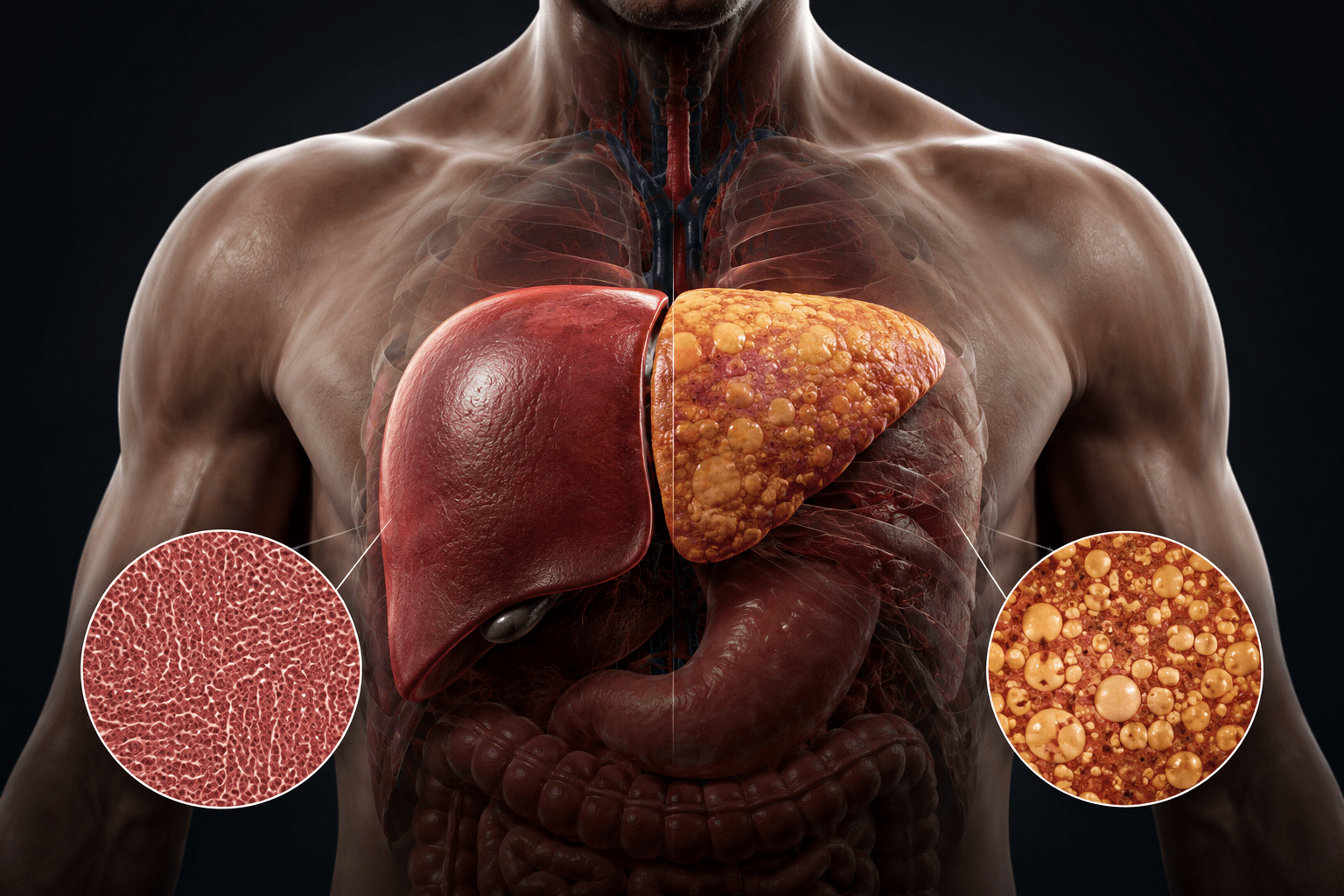
When it comes to managing fatty liver disease and diabetes, the role of diet can’t be overstated. These two conditions affect millions of people worldwide, but with the right nutrients and lifestyle changes, you can take control of your health.
Fatty liver disease is characterized by an accumulation of excess fat in the liver, leading to inflammation and damage over time. Diabetes, on the other hand, affects how our bodies process blood sugar, causing high glucose levels that can harm organs like the kidneys, nerves, and eyes. The connection between diet and these conditions is complex, but research suggests that a balanced diet rich in whole foods may help mitigate the risk of complications.
Why This Topic Matters: Understanding the Link Between Diet and Fatty Liver/Diabetes
The link between diet and fatty liver disease and diabetes is multifaceted. Consuming high amounts of sugar, saturated fats, and sodium can put a strain on our livers and bodies, while nutrient-dense foods like fruits, vegetables, whole grains, and lean proteins provide essential nutrients for optimal health.
By understanding the relationship between diet and these conditions, we can make informed choices about the foods we eat and how they impact our overall well-being. In this article, we’ll explore the best foods for fatty liver and diabetes, highlighting nutrient-dense options that may support blood sugar control, insulin resistance, and liver health.
Scientific Explanations: How Food Affects Blood Sugar Control and Liver Health
When it comes to managing blood sugar levels and supporting liver health, food plays a critical role. Carbohydrates can cause a spike in blood glucose, which may worsen insulin resistance. On the other hand, fiber-rich foods like fruits, vegetables, and whole grains help slow down carbohydrate absorption and promote satiety.
The liver is also vital in detoxifying our bodies and regulating glucose metabolism. When we consume high amounts of sugar, saturated fats, and processed foods, it can put a strain on liver function, leading to inflammation and oxidative stress. By understanding how food affects blood sugar control and liver health, we can make informed choices about the foods we eat.
Practical Lifestyle Tips: Incorporating Fatty Liver-Friendly Foods into Your Diet
So, what are the best foods for fatty liver and diabetes? Here are some nutrient-dense options to consider:
* Leafy greens like spinach, kale, and collard greens provide essential vitamins and minerals
* Berries such as blueberries, strawberries, and raspberries offer antioxidants and fiber
* Fatty fish like salmon, tuna, and mackerel support heart health and omega-3 intake
* Nuts and seeds like almonds, walnuts, and chia seeds provide healthy fats and protein
* Legumes like lentils, chickpeas, and black beans are rich in fiber, protein, and minerals
* Whole grains like brown rice, quinoa, and whole-wheat bread offer complex carbohydrates and fiber
Incorporating these foods into your diet can help support blood sugar control, insulin resistance, and liver health. Aim for a balanced mix of protein, healthy fats, and complex carbohydrates to fuel your body.
Common Mistakes: Avoiding Unhealthy Patterns
When it comes to managing fatty liver and diabetes, avoiding unhealthy patterns is crucial. Here are some common mistakes to watch out for:
* Skipping meals or undereating, leading to low blood sugar
* Consuming high amounts of added sugars, saturated fats, and sodium
* Ignoring portion sizes and eating until full
By being mindful of these pitfalls, you can avoid exacerbating your condition and take proactive steps towards improving overall health.
Benefits: How Fatty Liver-Friendly Foods Can Support Your Health
Incorporating fatty liver-friendly foods into your diet may provide numerous benefits, including:
* Improved blood sugar control and reduced risk of complications
* Enhanced liver function and detoxification
* Reduced inflammation and oxidative stress
* Weight management and improved metabolic health
While these foods alone cannot cure fatty liver disease or diabetes, they can play a vital role in supporting overall health and well-being.
Risks and Considerations: Potential Side Effects of Fatty Liver-Friendly Foods
As with any dietary approach, it’s essential to consider potential side effects when incorporating fatty liver-friendly foods into your diet. Some possible risks include:
* Intolerance or sensitivity to certain foods
* Interactions with medications or underlying health conditions
* Increased risk of kidney stones or other minerals-related issues
Consult with a healthcare professional before making any significant changes to your diet.
Real-Life Examples: Incorporating Fatty Liver-Friendly Foods into Your Daily Routine
Incorporating fatty liver-friendly foods into your daily routine can be easy and delicious. Here are some ideas to get you started:
* Start your day with a spinach omelette or Greek yogurt parfait
* Snack on almonds, berries, and walnuts throughout the day
* Add lentils or chickpeas to soups and salads for added protein and fiber
By making these simple changes, you can take proactive steps towards supporting your liver health and overall well-being.
Conclusion: Empowering Your Journey Towards Optimal Nutrition
Managing fatty liver disease and diabetes requires a holistic approach that incorporates diet, lifestyle, and medical treatment. By incorporating fatty liver-friendly foods into your diet, you can take proactive steps towards improving blood sugar control, insulin resistance, and liver health.
Remember to consult with a healthcare professional before making any significant changes to your diet, and don’t hesitate to reach out if you have questions or concerns.
By empowering yourself with the knowledge of optimal nutrition, you’ll be better equipped to navigate this journey and achieve long-term wellness.
Learn more about managing diabetes with a balanced diet
Diabetes Tips
How to lower blood sugar naturally
Learn how to lower your blood sugar levels with a healthy diet, exercise, and lifestyle changes

Embracing a Natural Approach to Lowering Blood Sugar
The rise in diabetes and insulin resistance has left millions of people worldwide searching for effective ways to manage their condition. While conventional treatments often rely on medication or invasive procedures, there are many natural remedies that can help support blood sugar balance and promote overall wellness.
The Importance of Maintaining Healthy Blood Sugar Levels
Maintaining healthy blood sugar levels is crucial when it comes to diabetes management. High glucose levels can lead to a range of complications, including nerve damage, kidney disease, and even heart disease. Research suggests that even mild hyperglycemia can increase the risk of cardiovascular events by up to 30%. By taking proactive steps to regulate your blood sugar levels, you can significantly reduce your risk of developing these complications.
Understanding How Blood Sugar Affects the Body
Blood sugar, or glucose, is a vital source of energy for our cells. However, when insulin levels become imbalanced, glucose builds up in the bloodstream, leading to elevated blood sugar levels. Insulin sensitivity plays a critical role in regulating blood sugar levels, and even minor improvements can have a significant impact on glucose control.
Natural Remedies for Lowering Blood Sugar
Fortunately, there are many natural remedies that may support blood sugar balance. Here are some of the most promising options:
- Dietary Changes: Eating a balanced diet rich in whole foods, fruits, and vegetables can help regulate blood sugar levels. Incorporating more plant-based protein sources like legumes and nuts may also be beneficial.
- Herbal Supplements: Certain herbs like berberine, cinnamon, and chromium have been shown to possess antidiabetic properties, although more research is needed to confirm their effectiveness.
- Exercise and Physical Activity: Regular exercise can improve insulin sensitivity and help regulate blood sugar levels. Aim for at least 150 minutes of moderate-intensity physical activity per week.
- Stress Management: Chronic stress can raise cortisol levels, which can contribute to elevated blood sugar levels. Practice stress-reducing techniques like meditation or yoga to help manage stress.
Practical Lifestyle Tips for Lowering Blood Sugar
Incorporating these natural remedies into your lifestyle can have a significant impact on blood sugar balance. Here are some practical tips to get you started:
- Drink Plenty of Water: Staying hydrated is essential for maintaining healthy blood sugar levels. Aim for at least eight glasses of water per day.
- Eat More Fiber: A high-fiber diet can help regulate blood sugar levels by slowing the absorption of glucose into the bloodstream.
- Get Enough Sleep: Poor sleep quality and duration can raise cortisol levels, leading to elevated blood sugar levels. Aim for seven to nine hours of sleep per night.
- Limit Processed Foods: Processed foods are often high in added sugars, refined carbohydrates, and unhealthy fats, which can contribute to elevated blood sugar levels.
Mistakes to Avoid on Your Journey to Lower Blood Sugar
Avoid making the following mistakes that can have a negative impact on your blood sugar levels:
- Skipping Meals: Skipping meals or going too long without eating can lead to low blood sugar, while overeating can cause a spike in glucose levels.
- Not Managing Stress: Chronic stress can raise cortisol levels, leading to elevated blood sugar levels. Practice stress-reducing techniques like meditation or yoga to help manage stress.
- Overrelying on Medication: While medication may be necessary in some cases, overrelying on it can mask underlying issues and lead to adverse effects.
The Benefits of Lowering Blood Sugar Naturally
Lowering blood sugar naturally can have a range of benefits, including:
- Improved Insulin Sensitivity: Improving insulin sensitivity can reduce the risk of developing type 2 diabetes and metabolic syndrome.
- Reduced Risk of Complications: Maintaining healthy blood sugar levels can reduce the risk of complications like nerve damage, kidney disease, and heart disease.
- Increased Energy and Mental Clarity: Lowering blood sugar levels can increase energy levels and improve mental clarity, reducing fatigue and brain fog.
Risks and Considerations
Naturally lowering blood sugar levels may not be suitable for everyone. Certain individuals should consult with their healthcare provider before making any changes to their lifestyle or supplement routine, including:
- Pregnant or Breastfeeding Women: Pregnant or breastfeeding women should consult with their healthcare provider before taking any new supplements.
- People with Diabetes Medication: Individuals who are currently taking diabetes medication should not stop taking it without consulting with their healthcare provider.
- Those with Underlying Medical Conditions: Certain underlying medical conditions, such as kidney disease or liver disease, may require special consideration when trying to lower blood sugar levels naturally.
A Real-Life Example: Lowering Blood Sugar Naturally through Diet and Exercise
Meet Sarah, a 35-year-old marketing professional who was diagnosed with prediabetes. Sarah made the following changes to her lifestyle:
- Switched to Plant-Based Protein Sources: Sarah started incorporating more plant-based protein sources like legumes and nuts into her diet.
- Incorporated More Fiber-Rich Foods: Sarah added more fiber-rich foods like fruits, vegetables, and whole grains to her diet.
- Started Walking Daily: Sarah started walking for at least 30 minutes per day, three times a week.
- Drinking Plenty of Water: Sarah made sure to drink plenty of water throughout the day.
After making these changes, Sarah noticed significant improvements in her blood sugar levels and overall energy levels. She was able to lose weight, improve her mental clarity, and reduce her risk of developing type 2 diabetes.
The Power of Lowering Blood Sugar Naturally
Lowering blood sugar naturally is a holistic approach that requires patience, dedication, and the right lifestyle habits. By incorporating natural remedies like dietary changes, herbal supplements, exercise, and stress management into your daily routine, you can support healthy blood sugar levels and promote overall wellness.
Start your journey towards lower blood sugar naturally today by incorporating these simple yet effective tips into your daily routine:
- Develop a Healthy Habits Routine: Create a daily routine that includes healthy habits like exercise, meditation, and journaling.
- Eat More Fiber-Rich Foods: Incorporate more fiber-rich foods into your diet to help regulate blood sugar levels.
- Get Enough Sleep: Aim for seven to nine hours of sleep per night to help manage stress and promote overall health.
Join the movement towards lower blood sugar naturally and start your journey today!
Frequently Asked Questions
What are some natural remedies that can help regulate blood sugar levels?
Certain herbs like berberine, cinnamon, and chromium have been shown to possess antidiabetic properties
How much exercise is needed to improve insulin sensitivity and lower blood sugar levels?
At least 150 minutes of moderate-intensity physical activity per week
Can drinking plenty of water help manage blood sugar levels?
Yes, staying hydrated is essential for maintaining healthy blood sugar levels
What should I avoid doing on my journey to lower blood sugar naturally?
Skipping meals or going too long without eating can lead to low blood sugar, while overeating can cause a spike in glucose levels
Are there any risks associated with lowering blood sugar levels naturally for certain individuals?
Yes, pregnant or breastfeeding women, people with diabetes medication, and those with underlying medical conditions should consult their healthcare provider before making changes to their lifestyle or supplement routine
Diabetes Tips
Why blood sugar spikes after breakfast
Discover the reasons why your blood sugar levels spike after breakfast and learn how to stabilize them for a healthier you.
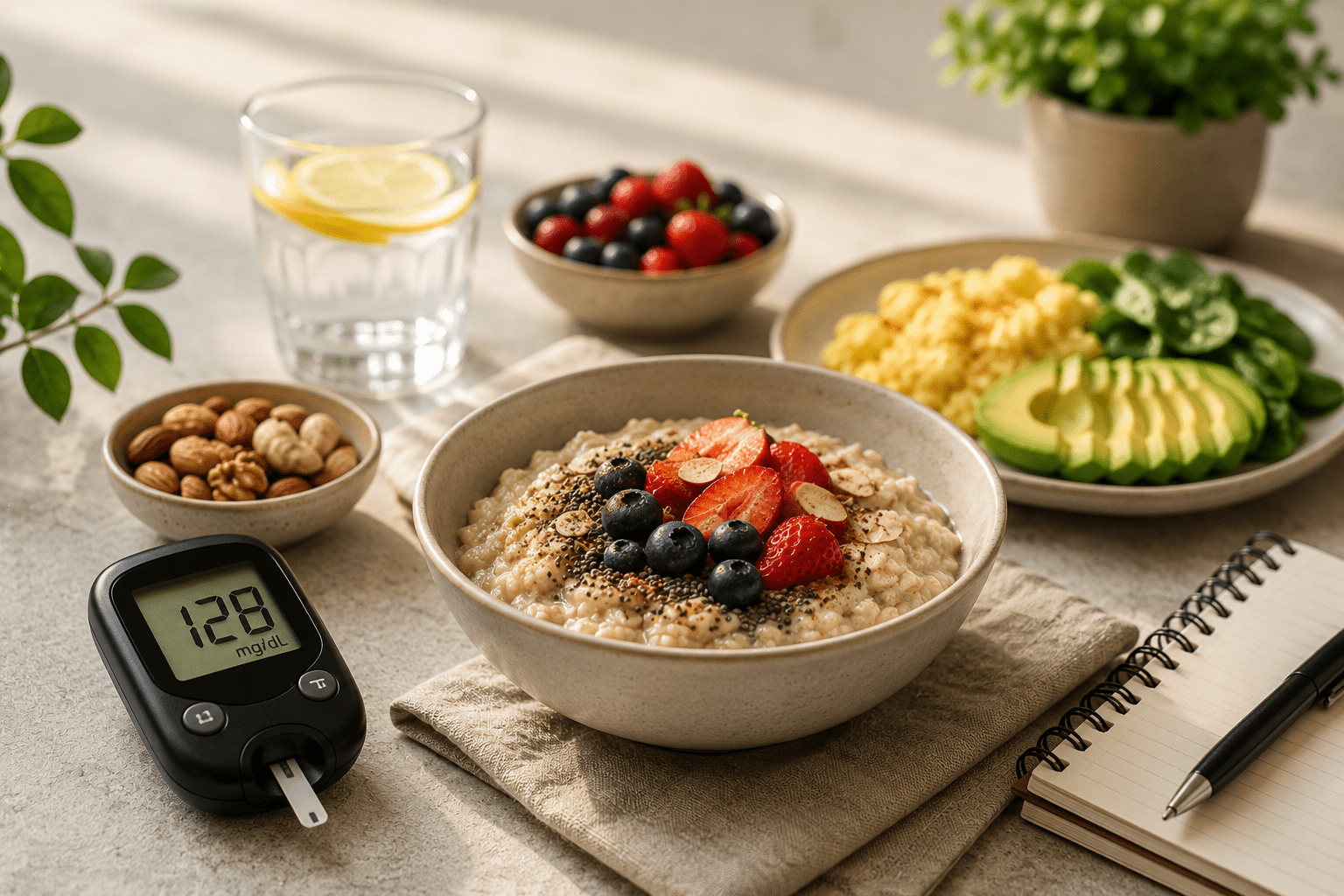
Blood Sugar Spikes After Breakfast: Understanding the Risks and Taking Control
If you’re living with diabetes or at risk of developing it, breakfast can be a daunting meal to navigate. While it’s often seen as the most important meal of the day, the reality is that choosing the right foods can make all the difference in managing blood sugar levels.
The Importance of Managing Morning Blood Sugar
Imagine sipping your morning coffee, enjoying a nutritious breakfast, and starting your day off on the right foot. However, for many individuals with diabetes or those who are at risk of developing the condition, this simple pleasure can be a minefield of carbs, added sugars, and hidden pitfalls.
Consuming high-carbohydrate or high-glycemic index foods after breakfast can lead to blood sugar spikes, causing discomfort, fatigue, and even increasing the risk of complications. But what’s behind these spikes, and how can you take control?
The Science Behind Blood Sugar Spikes
When you eat a meal, your body responds by releasing insulin, a hormone produced by the pancreas that plays a crucial role in regulating blood sugar levels. Insulin helps facilitate the uptake of glucose into cells, but when you consume foods high on the glycemic index (GI), such as white bread, sugary cereals, or sweetened yogurts, your body releases more insulin than necessary.
This excessive insulin release can lead to several problems, including:
* **Insulin resistance**: Prolonged exposure to high levels of insulin can make it difficult for cells to respond to insulin, leading to insulin resistance.
* **Pancreatic exhaustion**: The pancreas can become exhausted from producing excess insulin, which can further exacerbate the condition.
Practical Tips for Managing Morning Blood Sugar
Fortunately, there are several strategies you can use to manage blood sugar spikes after breakfast:
1. **Choose complex carbohydrates**: Opt for whole grain cereals, fruits, or vegetables that contain complex carbohydrates, which release glucose slowly and don’t cause a sudden spike in blood sugar levels.
2. **Incorporate protein and healthy fats**: Adding protein and healthy fats to your breakfast can help slow down the digestion of carbohydrates and reduce the overall glycemic impact.
3. **Limit added sugars**: Avoid sugary cereals, yogurts, or sweetened beverages that can cause a rapid spike in blood sugar levels.
4. **Stay hydrated**: Drinking plenty of water throughout the day can help keep your blood sugar levels stable and prevent dehydration.
Common Mistakes to Avoid
While managing morning blood sugar levels can be challenging, there are several common mistakes you may want to avoid:
* **Not accounting for portion sizes**: Consuming large portions of high-carbohydrate foods can lead to a rapid spike in blood sugar levels.
* **Ignoring food labels**: Not reading food labels or being aware of the glycemic index of your breakfast foods can make it difficult to manage blood sugar levels.
* Using processed meats: Processed meats are high in sodium and preservatives, which can contribute to increased blood pressure.
Frequently Asked Questions
What is a glycemic index, and how does it affect blood sugar levels after breakfast?
The glycemic index (GI) measures the impact of carbohydrates on blood sugar levels. Foods high in GI, such as white bread or sugary cereals, cause a rapid spike in blood sugar levels.
Can I still manage my blood sugar after breakfast if I have diabetes?
Yes, with careful planning and attention to portion sizes, dietary choices, and lifestyle habits, individuals with diabetes can effectively manage their blood sugar levels throughout the day.
What are some good sources of complex carbohydrates for breakfast that won’t cause a spike in blood sugar?
Good options include whole grain cereals, fruits, and vegetables like berries, spinach, or sweet potatoes.
Can I still get enough protein and healthy fats at breakfast to manage my blood sugar levels?
Yes, adding protein and healthy fats like nuts, seeds, avocado, or eggs to your breakfast can help slow down the digestion of carbohydrates and reduce glycemic impact.
How much water should I drink throughout the day to keep my blood sugar levels stable?
Drinking at least eight glasses of water a day can help prevent dehydration, which can contribute to blood sugar imbalances and related health issues.


Berberine as a metformin alternative

Best foods for fatty liver and diabetes

The truth about artificial sweeteners

Houseplant Leaves – A Traditional Ally for Stable Blood Sugar

Hibiscus Tea and Diabetes: A Natural Ally for Blood Sugar Control

7-Day Diabetes Meal Plan for Beginners
-
 Herbal Remedies2 years ago
Houseplant Leaves – A Traditional Ally for Stable Blood Sugar
-
 Diabetes Tips2 years ago
Hibiscus Tea and Diabetes: A Natural Ally for Blood Sugar Control
-
 Diabetes Tips2 years ago
7-Day Diabetes Meal Plan for Beginners
-

 Meal Plans2 years ago
The Lazy 3-Day Diabetic Meal Plan That Keeps Your Blood Sugar Happy
-

 Herbal Remedies2 years ago
Mulberry Leaf Extract: A Natural Solution for Managing Blood Sugar
-

 Diabetes Tips2 years ago
Structured Meal Planning for Type 2 Diabetes: A Scientific Approach
-

 Herbal Remedies2 years ago
Mulberry Leaves and Blood Sugar: Natural Block for Glucose Absorption
-

 Herbal Remedies2 years ago
Bay Leaf and Diabetes : Natural Support for Blood Sugar