Diabetes Tips
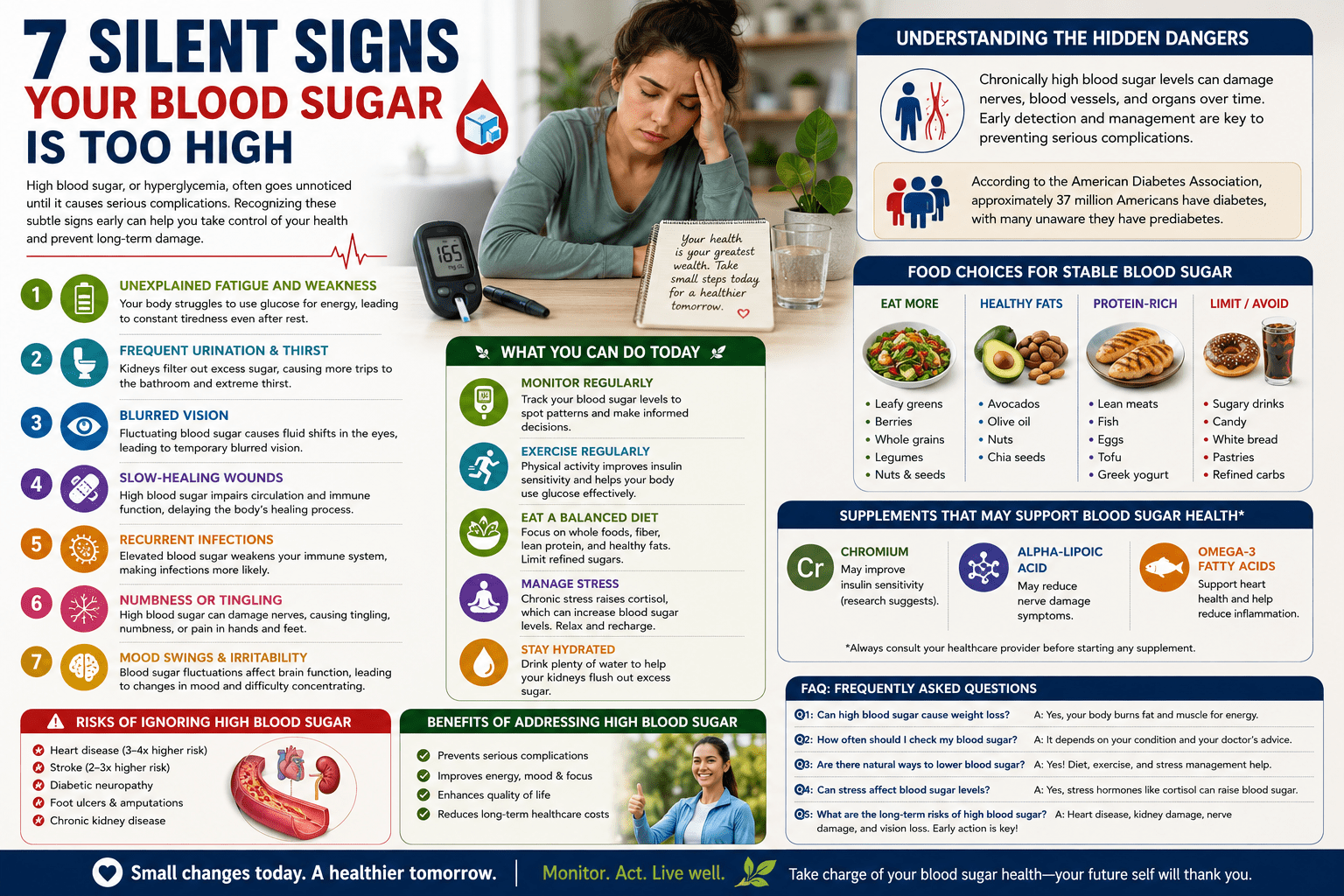
7 Silent Signs Your Blood Sugar Is Too High
7 Silent Signs Your Blood Sugar Is Too High
High blood sugar, or hyperglycemia, often goes unnoticed until it causes serious complications. While diabetes is a well-known condition, many people experience elevated blood sugar levels without obvious symptoms. Understanding the subtle signs can help you take proactive steps to manage your health. This article explores seven silent indicators of high blood sugar, backed by scientific research and practical advice for maintaining balanced glucose levels.
Understanding the Hidden Dangers of High Blood Sugar
Chronically high blood sugar levels can damage nerves, blood vessels, and organs over time. The American Diabetes Association reports that approximately 37 million Americans have diabetes, with many unaware they have prediabetes. Recognizing silent signs is crucial for early intervention. Let’s explore the most common indicators.
1. Unexplained Fatigue and Weakness
When blood sugar levels are consistently high, your body may struggle to convert glucose into energy efficiently. This can lead to persistent fatigue, even after adequate rest. A 2022 study published in Diabetes Care found that individuals with prediabetes often report increased daytime sleepiness and reduced physical activity.
- Why it happens: Excess glucose in the bloodstream can cause cellular dehydration, impairing energy production.
- When to act: If fatigue persists for more than two weeks despite lifestyle changes.
2. Frequent Urination and Thirst
High blood sugar causes the kidneys to work overtime to filter excess glucose, leading to increased urine production. This can create a cycle of dehydration and thirst. The CDC notes that frequent urination (more than four times a day) is a common early symptom of diabetes.
| Sign | When to Seek Help |
|---|---|
| Urinating more than 4 times daily | Consult a healthcare provider if symptoms persist for over a week |
| Extreme thirst | Seek immediate medical attention if accompanied by confusion or nausea |
3. Blurred Vision
Fluctuating blood sugar levels can cause fluid shifts in the eye’s lens, leading to temporary blurred vision. This symptom often resolves when blood sugar stabilizes but should not be ignored. A 2021 study in JAMA Ophthalmology linked frequent blood sugar spikes to increased risk of diabetic retinopathy.
4. Slow-Healing Wounds
High blood sugar impairs circulation and immune function, making it harder for wounds to heal. This is particularly concerning for foot injuries, which can lead to severe complications if left untreated. Research published in Diabetes Research and Clinical Practice shows that elevated glucose levels can delay wound healing by up to 50%.
5. Recurrent Infections
High blood sugar weakens the immune system, increasing susceptibility to infections. People with uncontrolled diabetes are three times more likely to develop urinary tract infections, according to the National Institute of Diabetes and Digestive and Kidney Diseases.
6. Numbness or Tingling
Neuropathy, or nerve damage, is a common complication of prolonged high blood sugar. This can manifest as numbness, tingling, or pain in the hands and feet. A 2023 study in Neurology found that even mild blood sugar fluctuations can contribute to nerve damage over time.
7. Mood Swings and Irritability
Fluctuating blood sugar levels can affect brain function, leading to mood swings, irritability, and difficulty concentrating. Research suggests that maintaining stable glucose levels can improve cognitive performance and emotional regulation.

Scientific Insights Into Blood Sugar Regulation
Understanding the physiological processes behind blood sugar regulation is key to managing glucose levels. The body uses insulin to facilitate glucose uptake by cells, but chronic high blood sugar can lead to insulin resistance. Recent studies emphasize the role of gut microbiota in glucose metabolism, suggesting that dietary fiber may support healthy blood sugar levels.
Recent Research on Blood Sugar Management
Advancements in diabetes research highlight the importance of early detection and lifestyle interventions. A 2023 meta-analysis in The Lancet found that weight loss of just 5-7% can significantly reduce the risk of developing type 2 diabetes. Additionally, intermittent fasting has shown promise in improving insulin sensitivity, though more research is needed.
Benefits of Addressing High Blood Sugar
- Prevents complications: Early intervention can reduce risk of heart disease, kidney damage, and vision loss.
- Improves quality of life: Stable blood sugar levels enhance energy, mood, and cognitive function.
- Reduces healthcare costs: Preventive measures can lower long-term medical expenses.
Risks of Ignoring High Blood Sugar
Unmanaged high blood sugar can lead to severe complications, including:
- Heart disease (3-4 times higher risk)
- Stroke (2-3 times higher risk)
- Diabetic neuropathy
- Foot ulcers and amputations
- Chronic kidney disease
Practical Tips for Managing Blood Sugar
Simple lifestyle changes can make a significant difference. Consider these strategies:
- Monitor regularly: Use a glucometer or continuous glucose monitor (CGM) to track levels.
- Stay hydrated: Drink water to help flush excess glucose from the body.
- Exercise regularly: Physical activity improves insulin sensitivity and glucose uptake.
- Manage stress: Chronic stress can elevate cortisol levels, impacting blood sugar.
Food Choices to Support Blood Sugar Balance
Diet plays a crucial role in blood sugar management. Focus on:
- Low-glycemic foods: Leafy greens, berries, and whole grains.
- Healthy fats: Avocados, nuts, and olive oil.
- Protein-rich foods: Lean meats, tofu, and legumes.
- Limit processed sugars: Avoid sugary drinks and refined carbohydrates.
Supplements That May Support Blood Sugar Health
While supplements should not replace medical advice, some may support blood sugar management:
- Chromium: May improve insulin sensitivity (research suggests).
- Alpha-lipoic acid: May reduce nerve damage symptoms.
- Omega-3 fatty acids: Support heart health and inflammation reduction.
FAQ: Frequently Asked Questions About High Blood Sugar
Q1: Can high blood sugar cause weight loss?
A: Yes, uncontrolled high blood sugar can lead to unintentional weight loss as the body starts breaking down fat and muscle for energy.
Q2: How often should I check my blood sugar?
A: Frequency depends on your condition and healthcare provider’s recommendations. Some people check multiple times daily, while others may test less frequently.
Q3: Are there natural ways to lower blood sugar?
A: Yes, lifestyle changes like diet, exercise, and stress management can help. Always consult your healthcare provider before starting new routines.
Q4: Can stress affect blood sugar levels?
A: Yes, stress hormones like cortisol can raise blood sugar levels. Managing stress through mindfulness or exercise may help.
Q5: What are the long-term risks of high blood sugar?
A: Prolonged high blood sugar increases risk of heart disease, kidney damage, nerve damage, and vision loss. Early intervention is critical.
Conclusion: Take Charge of Your Blood Sugar Health
Recognizing the silent signs of high blood sugar is the first step toward better health. By understanding these indicators and taking proactive measures, you can significantly reduce your risk of complications. Remember, small changes in diet, exercise, and lifestyle can make a big difference. Always consult with a healthcare professional for personalized advice and treatment plans.
Ready to take control of your blood sugar levels? Start by monitoring your symptoms and making gradual lifestyle changes today.